
Wondering about the cost of a modular kitchen? Typically, the modular kitchen price can range anywhere from ₹70,000 to ₹15,00,000 or even more, depending on the size, materials, design complexity, and brand. This guide will help you decipher the various factors contributing to the modular kitchen cost per square foot and provide a comprehensive modular kitchen cost estimate.
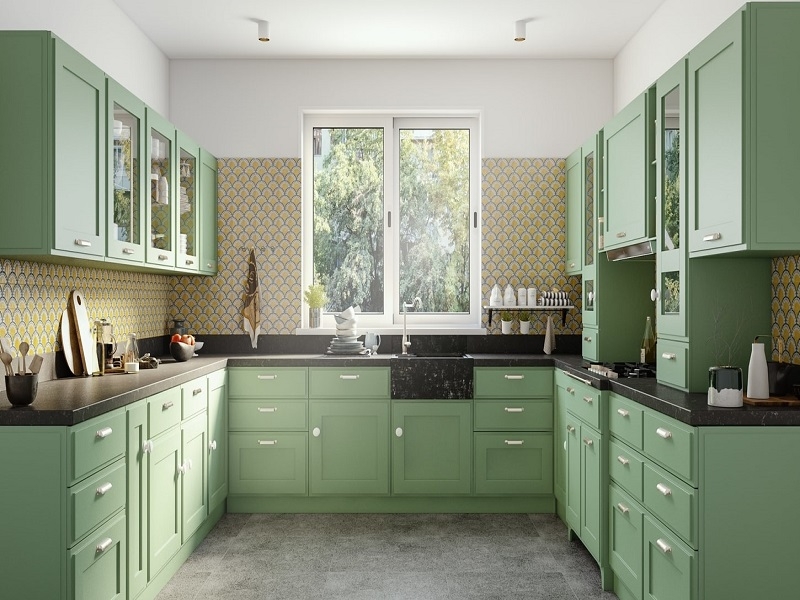
Image Source: webtk.sfastservices.com
Deciphering Modular Kitchen Pricing
When you decide to renovate your kitchen or build a new one, a modular kitchen often comes to mind. It’s a modern, efficient, and aesthetically pleasing solution. But how much does it really cost? Let’s break down the modular kitchen pricing to help you plan your modular kitchen budget.
Factors Influencing Modular Kitchen Cost
Several elements play a significant role in determining the overall modular kitchen price. Knowing these can help you make informed decisions and control expenses.
1. Size of the Kitchen
The most obvious factor is the size of your kitchen. A larger kitchen will naturally require more cabinets, countertops, and overall material, leading to a higher modular kitchen cost estimate. We can measure this in square feet or running feet.
- Small Kitchens (e.g., 60-80 sq ft): Tend to be on the lower end of the price spectrum.
- Medium Kitchens (e.g., 100-150 sq ft): Represent a mid-range investment.
- Large Kitchens (e.g., 200+ sq ft): Will naturally incur higher costs.
The modular kitchen cost per square foot is a common way to get a ballpark figure. This cost per square foot often includes the basic structure, shutters, and essential hardware.
2. Materials Used
The choice of materials for your modular kitchen cabinets and countertops is a major cost driver. Different materials offer varying levels of durability, aesthetics, and, of course, price.
-
Base Materials:
- Plywood (MR Grade, BWR Grade): A popular and durable choice. BWR (Boiling Water Resistant) grade is more water-resistant and thus more expensive than MR (Moisture Resistant) grade.
- MDF (Medium-Density Fibreboard): Cost-effective but less resistant to moisture. Best suited for dry areas.
- Particle Board: The most budget-friendly option, but least durable and moisture-resistant.
- HDF (High-Density Fibreboard): Denser and stronger than MDF, offering better durability.
-
Finishes:
- Laminate: One of the most affordable and versatile finishes. Available in a vast range of colors, textures, and patterns. Offers good durability.
- Acrylic: Offers a sleek, glossy, and modern look. It’s durable and scratch-resistant but can be more expensive than laminate.
- Veneer: Provides a natural wood look. It’s aesthetically appealing but requires regular polishing and maintenance, and can be pricier.
- Membrane: Offers a smooth finish and is available in various colors and designs. Durability can vary based on quality.
- Lacquer/PU (Polyurethane) Coating: Offers a premium, high-gloss or matte finish. It’s very durable and scratch-resistant but also one of the most expensive options.
-
Countertops:
- Granite: Durable, heat-resistant, and aesthetically pleasing. Prices vary based on type and origin.
- Quartz: Man-made, highly durable, non-porous, and resistant to stains and scratches. It’s a premium option and can be expensive.
- Solid Surface (e.g., Corian): Seamless, non-porous, and can be molded into various shapes. It’s also a high-end choice.
- Laminate: The most budget-friendly countertop material. Durable for everyday use but not as heat or scratch-resistant as granite or quartz.
- Marble: Beautiful but porous and prone to staining and etching. Requires significant maintenance.
3. Design Complexity and Features
The intricacies of your modular kitchen design also impact the final cost.
- Basic Designs: Straight-line kitchens, L-shaped kitchens, or U-shaped kitchens with standard cabinet configurations will be more economical.
- Complex Designs: Parallel kitchens, island kitchens, or designs with intricate joinery, pull-out units, corner solutions (like carousels or magic corners), and specialized storage will increase the cost.
- Customization: Bespoke designs and specific functional requirements will naturally add to the modular kitchen price list.
4. Hardware and Accessories
The quality and type of hardware—hinges, drawer slides, handles, and specialized fittings—significantly affect both the functionality and the modular kitchen price.
- Basic Hardware: Standard hinges and drawer runners are more affordable.
- Premium Hardware: Brands like Hettich, Blum, and Hafele offer high-quality, soft-close mechanisms, heavy-duty drawer slides, and innovative storage solutions that enhance usability but come at a higher price point.
- Specialty Accessories: Pull-out spice racks, corner units, lift-up systems for wall cabinets, integrated trash bins, and cutlery organizers add convenience but also increase the overall modular kitchen cost estimate.
5. Brand and Manufacturer
The reputation and brand name of the company you choose for your modular kitchen will also influence the pricing.
- Established Brands: Often charge a premium for their brand name, quality assurance, and after-sales service.
- Local Manufacturers/Carpenters: May offer more competitive pricing, but it’s crucial to verify their quality and reliability.
- DIY vs. Professional Installation: While not strictly a brand factor, choosing to get it done by a professional carpenter or a specialized modular kitchen company will impact the cost of modular kitchen installation.
6. Appliances and Sink/Faucet
While often considered separate, many modular kitchen packages might include basic appliances, sinks, and faucets. The type and brand of these integrated items will add to the total modular kitchen price.
- Basic: Standard sink and faucet, built-in oven, hob, chimney.
- Premium: Branded appliances with advanced features, designer sinks and faucets.
Estimating Modular Kitchen Cost: A Breakdown
Let’s look at a typical modular kitchen cost estimate based on size and material quality. Remember, these are indicative figures and can vary significantly.
Modular Kitchen Cost Per Square Foot
The modular kitchen cost per square foot is a helpful metric for initial budgeting. It generally covers the carcass (the main cabinet structure), shutters, basic hardware, and a standard countertop.
| Kitchen Size (sq ft) | Basic Modular Kitchen (₹/sq ft) | Mid-Range Modular Kitchen (₹/sq ft) | Premium Modular Kitchen (₹/sq ft) |
|---|---|---|---|
| 60 – 80 | ₹1,000 – ₹1,500 | ₹1,800 – ₹2,500 | ₹3,000 – ₹4,500+ |
| 100 – 150 | ₹1,200 – ₹1,800 | ₹2,000 – ₹3,000 | ₹3,500 – ₹5,000+ |
| 200+ | ₹1,500 – ₹2,000 | ₹2,500 – ₹3,500 | ₹4,000 – ₹6,000+ |
Important Note: These per-square-foot rates often exclude certain elements like:
* Appliances
* Sink and Faucet
* Electrical work
* Plumbing
* Chimney installation
* Specialized accessories not included in the base package
* Modular kitchen installation cost may or may not be included.
Breakdown of Modular Kitchen Cabinets Cost
The modular kitchen cabinets cost often forms the largest portion of the total budget. Here’s a typical allocation:
- Carcass Material (Plywood/MDF): 40-50%
- Shutters (Finish): 20-30%
- Hardware (Hinges, Slides, Handles): 15-25%
- Countertop: 10-20%
- Design and Labor (if not per sq ft): 5-10%
Other Cost Components
- Modular Kitchen Design Cost: Some companies charge separately for the design consultation and 3D renderings. This can range from ₹5,000 to ₹25,000 or more, depending on the complexity and the firm. Often, this cost is adjusted against the final project if you proceed with them.
- Cost of Modular Kitchen Installation: This typically includes the assembly and fitting of cabinets, countertop installation, and fitting of basic hardware. It can range from 10-20% of the total project cost or be a fixed fee. For a ₹3,00,000 kitchen, installation might cost ₹30,000 – ₹60,000. This can vary greatly based on the installer’s charges and the complexity.
- Electrical and Plumbing: Any electrical re-wiring, new points, or plumbing adjustments required for appliance placement will be additional costs.
Sample Modular Kitchen Price List (Indicative)
Let’s consider a hypothetical mid-sized kitchen (approx. 120 sq ft) and estimate its modular kitchen price list for different quality levels.
| Component | Basic (₹) | Mid-Range (₹) | Premium (₹) |
|---|---|---|---|
| Carcass (BWR Plywood) | 60,000 | 80,000 | 1,20,000 |
| Shutters (Laminate) | 30,000 | 50,000 | 80,000 (Acrylic/PU) |
| Hardware (Standard) | 15,000 | 30,000 (Hettich/Blum) | 50,000 (High-end) |
| Countertop (Granite) | 25,000 | 40,000 (Quartz) | 70,000 (Solid Surface/High-end Quartz) |
| Basic Accessories | 10,000 | 20,000 | 40,000 (Pull-outs, Corner units) |
| Design & Supervision | 5,000 | 10,000 | 15,000 |
| Subtotal (Kitchen) | 1,45,000 | 2,30,000 | 3,75,000 |
| Installation Cost | 20,000 | 30,000 | 45,000 |
| Total Estimated Cost | 1,65,000 | 2,60,000 | 4,20,000+ |
Exclusions: Appliances, Sink, Faucet, Chimney, Painting, Electrical/Plumbing modifications.
Building Your Modular Kitchen Budget
Creating a realistic modular kitchen budget requires careful planning.
1. Define Your Needs and Priorities
- Functionality: What are your cooking habits? Do you need extensive storage for spices, utensils, or larger appliances?
- Aesthetics: What style do you prefer – modern, traditional, minimalist?
- Durability: How long do you expect the kitchen to last? This influences material choices.
- Maintenance: How much time are you willing to spend on upkeep?
2. Get Multiple Quotes
Always get detailed quotes from at least 3-4 reputable modular kitchen providers or carpenters. Ensure the quotes are itemized, clearly stating the materials, finishes, hardware brands, and inclusions/exclusions.
3. Factor in Hidden Costs
Be aware of potential hidden costs:
* Delivery charges: Some companies might charge extra for delivery.
* Demolition and disposal: If you’re renovating, the cost of removing the old kitchen.
* Structural changes: If you need to move walls or plumbing.
* Lighting: Task lighting, ambient lighting, etc.
* Post-installation touch-ups: Minor adjustments or repairs.
4. Negotiate and Be Flexible
Don’t be afraid to negotiate, especially on larger projects. If your budget is tight, look for areas where you can compromise without sacrificing quality significantly. For instance, you might opt for laminate over acrylic, or choose granite over quartz for the countertop.
5. Consider the Long-Term Value
While initial cost is important, consider the long-term value. A well-built modular kitchen using durable materials can last for many years, proving to be a worthwhile investment. Poor quality materials or shoddy workmanship can lead to premature wear and tear, costing more in repairs and replacements down the line.
Popular Modular Kitchen Configurations and Their Cost Implications
The layout of your modular kitchen can also influence the cost.
- Straight Line Kitchen: Ideal for small spaces, typically the most cost-effective. All work areas are along one wall.
- L-Shaped Kitchen: Efficient for medium-sized spaces, using two adjacent walls. Offers good workflow.
- U-Shaped Kitchen: Offers maximum counter and storage space, suitable for larger kitchens. Can be more expensive due to more cabinetry.
- Parallel Kitchen (Galley Kitchen): Features two parallel counters, excellent for maximizing workspace in a corridor-like space.
- Island Kitchen: A freestanding counter unit that can serve as a workspace, dining area, or storage. Adds significant cost due to the island unit itself and potential plumbing/electrical needs.
FAQs About Modular Kitchen Costs
Q1: What is the average cost of a modular kitchen per square foot in India?
A: In India, the average modular kitchen price per square foot can range from ₹1,000 to ₹6,000+, depending on the materials, finishes, hardware, and brand. A good mid-range kitchen often falls between ₹2,000 to ₹3,500 per square foot.
Q2: Does the cost of modular kitchen installation vary widely?
A: Yes, the cost of modular kitchen installation can vary. It might be a percentage of the total project cost (10-20%) or a fixed fee, typically ranging from ₹20,000 to ₹60,000 or more for a standard kitchen. Factors include the complexity of the design and the installer’s charges.
Q3: What makes up the bulk of the modular kitchen cost?
A: The modular kitchen cabinets cost (carcass and shutters) usually forms the largest part, followed by hardware and countertops.
Q4: Are there ways to reduce the overall modular kitchen price?
A: Yes, you can reduce the modular kitchen price by opting for more affordable finishes like laminate, choosing good quality but standard plywood, using basic hardware, and selecting a simpler kitchen layout.
Q5: How long does it typically take to get a modular kitchen installed?
A: The process from design finalization to installation usually takes about 4-8 weeks, with installation itself taking anywhere from 3 days to 2 weeks, depending on the size and complexity.
Q6: What should be included in a detailed modular kitchen price list?
A: A comprehensive modular kitchen price list should itemize the cost of the carcass material, shutter material and finish, hardware (including brand and type), countertop material, any accessories, design charges, and the modular kitchen installation cost.
By carefully considering these factors and planning your modular kitchen budget meticulously, you can achieve a beautiful, functional, and cost-effective modular kitchen that perfectly suits your home.