
So, how much is a kitchen extension? The average kitchen extension price can range significantly, typically from £20,000 to £60,000 or even more, depending on size, complexity, and your location. Many factors influence the final cost, from the materials chosen to the expertise of the kitchen extension builders.
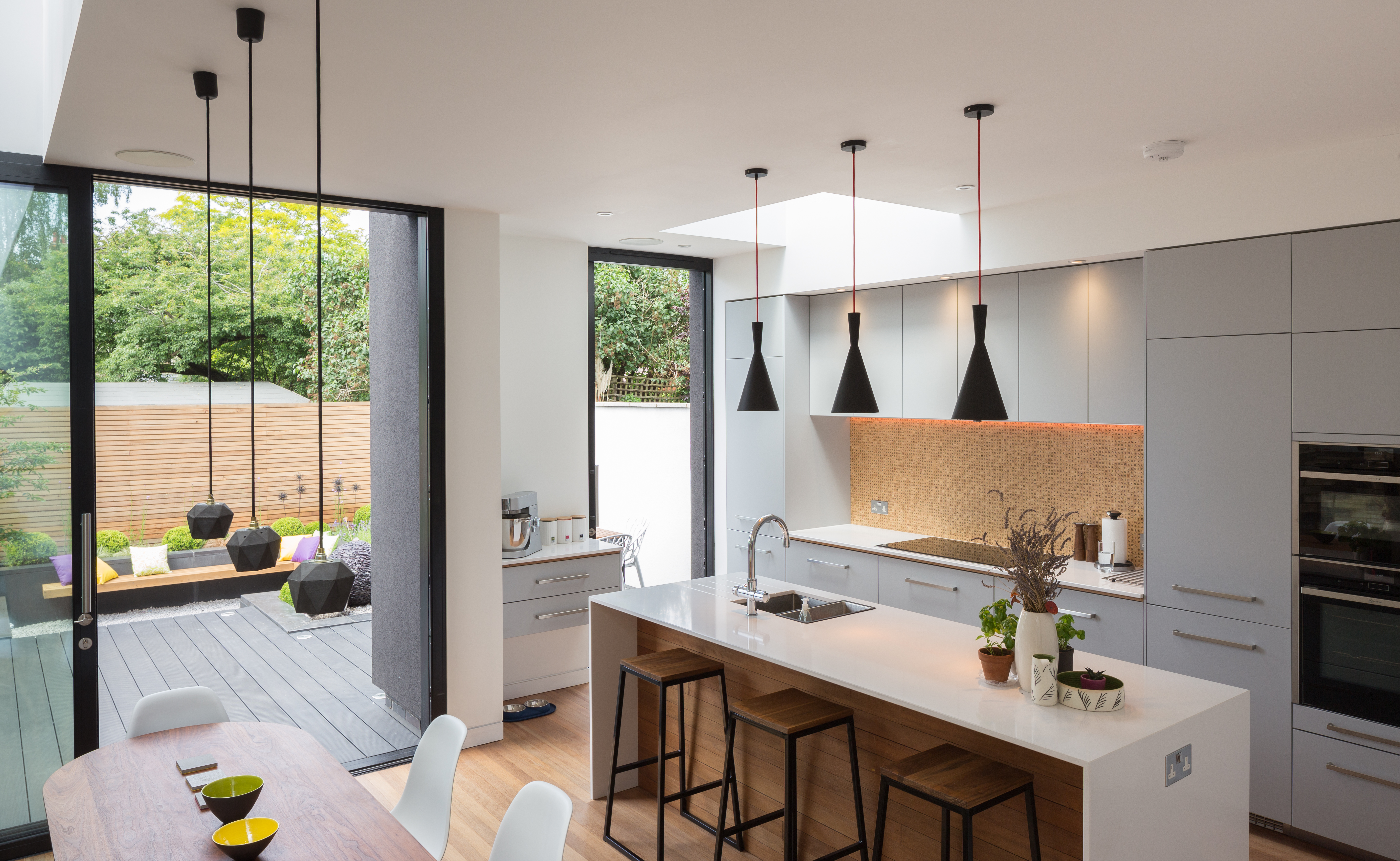
Image Source: cdn.mos.cms.futurecdn.net
Deciphering the Investment: What Drives Kitchen Extension Costs?
Embarking on a kitchen extension project is a significant undertaking, and a primary concern for most homeowners is the kitchen extension cost. This isn’t a simple question with a single answer, as the price tag is a complex tapestry woven from numerous threads. The cost of extending a kitchen can fluctuate wildly based on a multitude of variables, making it essential to delve into the specifics to arrive at a realistic budget.
Factors Influencing Your Kitchen Extension Budget
Several key elements will shape the overall kitchen extension cost:
- Size and Scope of the Extension: The most obvious factor is the physical size of your proposed extension. A small single-storey addition will naturally cost less than a sprawling, multi-room double-storey addition. The single storey kitchen extension cost will differ significantly from the double storey kitchen extension cost.
- Location: Where you live plays a substantial role. Building in London and the South East of England, for example, will typically incur higher labour costs and potentially higher material prices compared to more rural areas.
- Specification and Finishes: The level of finish you desire will greatly impact the price. High-end bespoke cabinetry, premium countertops, state-of-the-art appliances, and elaborate flooring will naturally add to the overall expense. Conversely, opting for more standard or mid-range options can bring the average kitchen extension price down.
- Structural Complexity: Are you dealing with challenging ground conditions? Do you need to move load-bearing walls or integrate complex structural elements? These complexities can increase the engineering and labour costs.
- Type of Extension: While a kitchen extension is the primary goal, the type of structure can influence costs. A traditional brick-built extension is different from a glass-heavy structure like an orangery. For comparison, the conservatory cost is generally lower than an orangery, which typically involves more solid construction and a larger glazed lantern roof.
- Professional Fees: Don’t forget the costs associated with architects, structural engineers, planning applications, and building regulations. These are essential for a smooth and compliant project.
- VAT: Value Added Tax (VAT) will be added to the cost of labour and materials, which is currently 20% in the UK for new builds and most home improvements.
Fathoming the Numbers: Average Kitchen Extension Prices
To give you a clearer picture, let’s break down the average kitchen extension price based on size and type. These are approximate figures and can vary.
Typical Kitchen Extension Cost Ranges:
| Extension Size (Square Metres) | Type of Extension | Estimated Cost Range (GBP) | Key Considerations |
|---|---|---|---|
| 10-15 sqm | Single Storey | £20,000 – £35,000 | Basic kitchen functionality, simpler finishes |
| 15-25 sqm | Single Storey | £30,000 – £50,000 | More spacious, potential for island unit, mid-range |
| 25-40 sqm | Single Storey | £45,000 – £70,000 | Large open-plan living, high-spec finishes |
| 30-50 sqm | Double Storey (First Floor) | £60,000 – £90,000 | Extends living space and adds bedrooms/bathrooms |
| 50-70 sqm | Double Storey (First Floor) | £80,000 – £120,000 | Significant expansion, potential for multiple rooms |
Please note: These figures are for the build itself and don’t always include the cost of the kitchen furniture, appliances, and significant landscaping.
Examining the Cost of Extending a Kitchen: A Deeper Dive
When considering the cost of extending a kitchen, it’s vital to break down the expenses into their constituent parts. This allows for more accurate budgeting and helps identify areas where costs might be controlled.
Key Cost Components of a Kitchen Extension:
1. Design and Planning Fees:
- Architect/Designer: For detailed plans, structural calculations, and navigating planning permission, expect fees ranging from £1,000 to £5,000+, depending on the complexity and the professional’s reputation.
- Structural Engineer: Essential for ensuring the structural integrity of your extension, especially when altering walls. Fees can range from £500 to £1,500.
- Party Wall Surveyor: If your extension is close to a neighbour’s property, you may need a Party Wall Act agreement. This can cost between £700 and £1,500 per neighbour.
- Local Authority Fees: Planning application fees and building control fees are mandatory. These vary by council but typically range from £200 to £500 for planning and £500 to £1,000+ for building regulations.
2. Construction Costs (The Core Build):
This is the largest portion of the kitchen extension cost. It covers:
- Foundations and Groundworks: Digging, concrete, drainage, and damp-proofing.
- Brickwork and Masonry: The external walls, including insulation and brick matching.
- Roofing: Materials (tiles, felt, insulation) and labour for the roof structure.
- Flooring: Subfloor preparation, insulation, and the chosen finished floor (e.g., tiles, wood, LVT).
- Windows and Doors: The cost of the frames, glass, and installation. Bi-fold doors or large sliding doors will significantly increase this cost.
- Internal Walls and Plastering: Creating the new internal layout and finishing the surfaces.
- Electrics: Rewiring, sockets, lighting, and connecting to your existing fuse box. This is a critical area often underestimated in the cost of extending a kitchen.
- Plumbing: Running new water and waste pipes for sinks, dishwashers, and potential radiators.
- Heating: Installing radiators or underfloor heating in the new space.
- Decorating: Painting, wallpapering, and finishing touches.
3. Kitchen Fit-Out Costs:
This is where personal taste and budget really come into play.
- Kitchen Cabinets and Units: From budget-friendly flat-pack to bespoke, hand-painted designs, prices vary dramatically. Expect to spend anywhere from £3,000 to £20,000+.
- Worktops: Granite, quartz, solid wood, laminate – each has a different price point. Quartz is popular and durable, often costing £300-£600 per square metre installed.
- Appliances: Integrated ovens, hobs, fridges, dishwashers, extractor fans. High-end appliances can easily add £5,000 – £15,000+.
- Sinks and Taps: Again, a wide range of options from basic stainless steel to designer brands.
- Lighting: Integrated LED lighting, pendant lights, spotlights.
- Flooring: The final floor covering in the kitchen area itself.
4. Fixtures and Fittings:
- Lighting: Recessed spotlights, pendant lights, task lighting.
- Plumbing Fixtures: Sinks, taps, potential wine coolers.
- Heating Elements: Radiators or underfloor heating.
5. Contingency Fund:
It is crucial to allocate 10-15% of your total budget for unforeseen issues. This contingency is vital for managing unexpected problems that inevitably arise during building projects.
The Role of Kitchen Extension Builders: Cost and Considerations
The kitchen extension builders cost will form a significant portion of your overall expenditure. Choosing the right builder is paramount not only for the quality of the work but also for controlling the budget.
What to Expect from Kitchen Extension Builders:
- Quotes: Obtain at least three detailed quotes from reputable builders. Ensure these quotes are itemised so you can compare like for like.
- Experience: Look for builders with a proven track record in kitchen extensions. Ask for references and view previous projects if possible.
- Contract: A clear, written contract outlining the scope of work, timelines, payment schedule, and warranties is essential.
- Insurance: Ensure your builders have adequate public liability and employer’s liability insurance.
- Project Management: Some builders offer a full project management service, which can simplify the process but may add to the cost.
Comparing Kitchen Extension Builders Cost:
When comparing quotes, consider:
- What is included? Does the quote cover all aspects from foundation to finishing, or are certain elements excluded (e.g., kitchen units, appliances)?
- Material specifications: Are the materials quoted of a quality that matches your expectations?
- Payment schedule: A typical schedule might involve an initial deposit, stage payments, and a final payment upon completion.
- VAT: Is VAT included in the quoted price?
Exploring Related Home Extension Prices
While the focus is on kitchens, it’s helpful to compare the kitchen extension cost with other types of home extension prices to contextualise the investment.
Home Extension Price Comparisons:
- Single Storey Kitchen Extension: As discussed, the most common type, focusing on expanding the living and cooking area.
- Double Storey Kitchen Extension: This involves building upwards, often adding bedrooms or bathrooms above the kitchen. This is typically more expensive per square metre than a single-storey extension due to the structural complexities of the upper floor. The double storey kitchen extension cost will reflect this.
- Loft Conversion: Transforming an unused attic space into habitable rooms (bedrooms, bathrooms, home offices). A loft conversion cost can vary greatly depending on the roof structure and the complexity of the conversion, but it often provides a cost-effective way to gain living space without extending the building’s footprint.
- Conservatory: Primarily a glazed structure, often used as a sunroom or dining area. Conservatory cost is generally lower than a brick-built extension due to the materials used and less complex foundations, but they offer less thermal efficiency and integration with the main house.
- Orangery: A more substantial structure than a conservatory, featuring more brickwork and a larger glazed roof lantern. An orangery cost is typically higher than a conservatory but offers better insulation and a more integrated feel with the home.
Strategies for Managing Kitchen Extension Costs
While the average kitchen extension price can seem daunting, several strategies can help manage and potentially reduce your kitchen extension cost.
Cost-Saving Tips for Your Kitchen Extension:
- Simplify the Design: Opt for a more straightforward rectangular shape rather than complex angles or multiple corners.
- Standard Materials: Choose standard window sizes and readily available materials rather than bespoke options.
- Phased Approach: If budget is a major constraint, consider breaking the project into phases. Perhaps complete the structural extension first and then install the kitchen at a later date.
- DIY Where Possible: If you have the skills and time, undertaking some of the less technical tasks yourself (e.g., painting, decorating, tiling) can save on labour costs. However, always defer to professionals for structural, electrical, and plumbing work.
- Shop Around for Kitchens and Appliances: Don’t feel obliged to buy your kitchen and appliances from the builder. Sourcing them independently can often lead to significant savings.
- Get Multiple Quotes: This cannot be stressed enough. Thoroughly compare quotes from different kitchen extension builders.
- Consider a Garage Conversion: If you have an unused garage, converting it into a kitchen or utility space can be more cost-effective than a new extension, as the basic structure is already in place. This falls under the umbrella of home extension prices but with a different starting point.
- Efficient Use of Space: Design the extension to maximize usable space and avoid wasted areas. A well-designed smaller extension can be more functional and cost-effective than a poorly designed larger one.
Frequently Asked Questions about Kitchen Extension Costs
Here are some common questions homeowners have when planning a kitchen extension:
Q1: How much does a small kitchen extension cost?
A small kitchen extension, typically around 10-15 square metres, might cost between £20,000 and £35,000. This would cover basic structural work, essential services, and standard finishes.
Q2: What is the average kitchen extension price for a mid-sized extension?
For a mid-sized extension of 15-25 square metres, you could expect the average kitchen extension price to be in the region of £30,000 to £50,000. This allows for more space, potentially an island, and mid-range finishes.
Q3: Can I get a ballpark figure for a double-storey kitchen extension?
Yes, a double-storey kitchen extension is significantly more complex and costly. For a modest double-storey extension (e.g., adding a kitchen downstairs and a bedroom upstairs), you might be looking at £60,000 to £90,000, depending heavily on the overall size and specification.
Q4: What is included in kitchen extension builders cost?
The kitchen extension builders cost typically includes labour for all aspects of the build, from foundations and brickwork to roofing, windows, doors, plastering, and basic electrics and plumbing for the extension structure itself. It usually does not include the cost of kitchen units, appliances, or high-end finishes unless specifically itemised in the quote.
Q5: Is a conservatory a cheaper alternative to a kitchen extension?
Generally, yes, a conservatory cost is lower than a brick-built extension. However, conservatories offer less insulation, are not typically designed for year-round kitchen use, and may not add as much value to your property as a well-integrated kitchen extension.
Q6: How much more expensive is an orangery compared to a conservatory?
An orangery cost is usually higher than a conservatory due to more substantial brickwork, a larger glazed roof lantern, and better insulation. Orangeries provide a more solid and integrated feel with the main house.
Q7: When is a loft conversion a better option than a kitchen extension?
A loft conversion cost can be a more cost-effective way to gain additional living space if you have a suitable loft and don’t need to expand your ground floor footprint. It’s ideal for adding bedrooms or bathrooms without taking up garden space.
Q8: Should I get a fixed-price quote or a cost-plus quote?
For most homeowners, a fixed-price quote from a reputable builder is preferable, as it gives greater certainty over the total kitchen extension cost. Cost-plus quotes can be more flexible but carry more risk if costs escalate unexpectedly. Always ensure the fixed price is detailed and covers all eventualities.
Q9: How long does a kitchen extension typically take?
A single-storey kitchen extension can take anywhere from 8 to 16 weeks to complete, depending on its size and complexity. Double-storey extensions will take longer, often 16 to 24 weeks or more.
Q10: What is the most significant cost factor in a kitchen extension?
While all elements contribute, the labour costs from skilled tradespeople (builders, electricians, plumbers) are often the largest component of the kitchen extension cost, followed closely by the kitchen fit-out itself (cabinets, worktops, appliances).
By carefully considering these factors and planning meticulously, you can navigate the complexities of kitchen extension costs and achieve the dream kitchen you envision.