
Can you fix a leak under the kitchen sink yourself? Yes, in many cases, you can fix a leak under the kitchen sink yourself with basic tools and a little patience. What is the most common cause of a kitchen sink leak? The most frequent culprits are loose pipe fittings, worn-out seals, or a damaged sink trap. This guide will walk you through how to identify and fix these common issues quickly.
Dealing with a leak under the kitchen sink can be stressful. That dripping sound, the potential for water damage under kitchen sink areas, and the worry about more significant plumbing problems can all add up. But before you call a plumber for every little drip, know that many minor leaks are fixable with a few common tools and a clear understanding of what’s going on. This comprehensive guide will help you tackle that leaky pipe under sink, fix dripping faucet base issues, and get your kitchen back in working order swiftly.
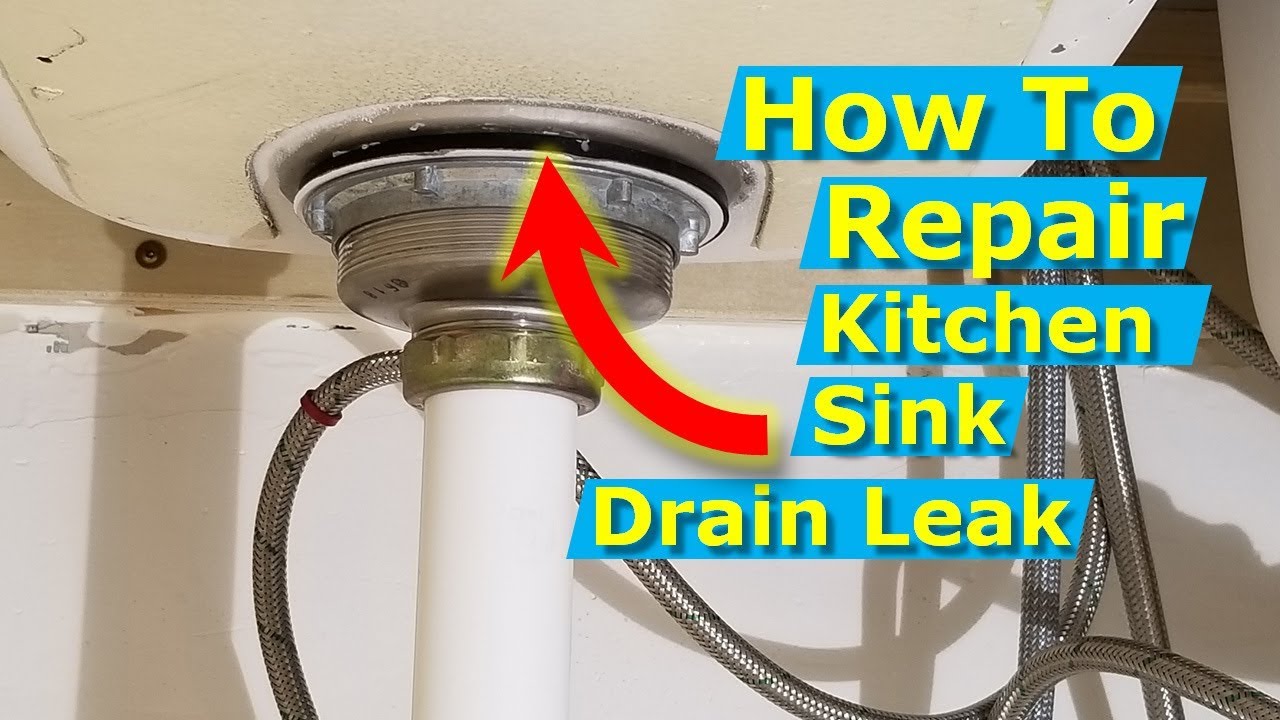
Image Source: i.ytimg.com
Identifying the Sink Leak Source
The first and most crucial step is to identify sink leak source accurately. Without knowing exactly where the water is coming from, any repair attempt will be guesswork.
Step 1: Clear the Under-Sink Area
Remove everything from the cabinet under your sink. This includes cleaning supplies, trash cans, and anything else stored there. You need a clear, dry space to work and to easily see where the water is originating.
Step 2: Dry Everything Thoroughly
Use old towels or rags to dry all the pipes, fittings, and the cabinet floor. This is vital because a small, fresh drip might be hard to spot if everything is already wet.
Step 3: Run the Water and Observe
- Turn on the cold water: Let it run for a minute. Check all visible connections and pipes for any signs of moisture.
- Turn on the hot water: Repeat the process. Hot water can sometimes reveal leaks that cold water doesn’t, especially if the issue involves hot water lines.
- Run the garbage disposal (if you have one): Listen for unusual sounds and check for leaks around its connections.
- Fill the sink and let it drain: This puts pressure on the drain system and can highlight leaks in the sink trap and drain pipes. Watch closely as the water level drops.
Step 4: Use Paper Towels for Pinpointing
Place dry paper towels around suspect areas like pipe joints, connections to the faucet, and the sink trap. The wet spots on the paper towels will clearly indicate the exact origin of the leak. This is a simple yet effective way to pinpoint a kitchen sink drain leak or a leaky pipe under sink.
Common Causes and Quick Fixes
Once you’ve found the leak, it’s time to figure out why it’s happening and how to fix it.
1. Loose Pipe Fittings
This is one of the most common and easiest problems to solve. Over time, the vibrations from water flow and general use can cause threaded pipe fittings to loosen slightly.
How to Tighten Pipe Fittings
- Tools Needed: Adjustable wrench, pipe wrench (optional, but good to have), rags.
- Procedure:
- Identify the specific fitting that is leaking.
- Ensure the area is dry.
- Using an adjustable wrench, gently try to tighten the fitting. Turn it clockwise.
- Important: Do not overtighten! This can strip the threads or crack the pipe, making the problem much worse. A quarter to a half turn is usually enough.
- If the leak persists, you might need a pipe wrench for a better grip, but still, be cautious about the pressure applied.
- After tightening, run the water again to check if the leak has stopped.
Table: Types of Pipe Fittings and How to Approach Them
| Fitting Type | Material | Common Leak Points | Repair Strategy |
|---|---|---|---|
| Slip Joint | Plastic/Metal | Nut and Washer Connection | Tighten nut; check washer for wear. |
| Threaded | Metal | Threaded connection | Tighten carefully with a wrench; check threads for damage. |
2. Worn-Out Washers and Seals
Many pipe connections, especially around the faucet and drain assembly, rely on rubber or plastic washers and seals to create a watertight barrier. These can degrade over time due to age, water chemicals, or constant pressure.
Fixing a Dripping Faucet Base
A fix dripping faucet base often involves replacing the O-ring or cartridge within the faucet mechanism itself, but leaks under the sink at the faucet’s connection points are usually due to loose mounting nuts or worn seals on the supply lines.
- Tools Needed: Adjustable wrench, basin wrench (for hard-to-reach faucet mounting nuts), plumber’s tape, new O-rings/washers, rags.
- Procedure:
- Turn off the water supply to the faucet. Look for the shut-off valves under the sink. Turn them clockwise until they stop.
- Open the faucet to drain any remaining water in the lines.
- Locate the nuts that secure the faucet to the sink or countertop. These are often difficult to reach and may require a basin wrench.
- Loosen and remove these nuts.
- Carefully lift the faucet assembly slightly to inspect the seals or O-rings where the faucet shanks meet the sink.
- If any seals appear cracked, brittle, or compressed, they need replacing. You may need to take the old seal to a hardware store to find an exact match.
- Once replaced, reassemble the faucet, ensuring all connections are snug.
- Turn the water supply back on slowly and check for leaks.
Replacing Worn Seals in Drain Pipes
Leaks at the connection points of the drain pipes are often caused by old or damaged rubber seals (gaskets) within the slip-joint nuts.
- Tools Needed: Pliers or adjustable wrench, new rubber washers/gaskets, rags, bucket.
- Procedure:
- Place a bucket directly underneath the leaking joint to catch any residual water.
- Loosen the large nut holding the two pipe sections together.
- Gently pull the pipes apart.
- Inspect the rubber washer inside the nut or on the pipe end. If it’s flat, cracked, or brittle, it needs replacement.
- Clean the pipe ends and the inside of the fitting.
- Insert a new, properly sized rubber washer into the fitting or onto the pipe.
- Reassemble the pipes and tighten the nut firmly but not excessively.
- Run water to test.
3. Cracked or Damaged Pipes
While less common than loose fittings, pipes themselves can develop cracks or holes due to corrosion, freezing, or physical damage.
Temporary Fixes for Cracked Pipes
- Tools Needed: Pipe repair clamp, plumber’s tape, epoxy putty designed for plumbing, rags.
- Procedure (using a pipe repair clamp):
- Dry the cracked area thoroughly.
- Wrap the clamp around the pipe, ensuring the rubber gasket covers the crack completely.
- Tighten the screws on the clamp evenly until the leak stops. This is a temporary fix but can hold for a while.
- Procedure (using epoxy putty):
- Dry and clean the cracked area.
- Knead the two-part epoxy putty until it’s a uniform color.
- Apply the putty firmly over the crack, smoothing it into place.
- Allow it to cure fully according to the manufacturer’s instructions before running water. This is also often a temporary solution.
Important Note: For any crack or significant damage to a pipe, a permanent plumbing repair under sink will likely involve replacing the damaged section of pipe. This is a more involved job and might be best left to a professional if you’re not comfortable with cutting and joining pipes.
4. Issues with the Sink Trap (P-Trap)
The P-trap is the curved section of pipe under your sink. It holds water to prevent sewer gases from entering your home and is a common site for leaks.
How to Replace Sink Trap
A kitchen sink drain leak is very often located at the P-trap connections. If the trap itself is cracked, or if the washers inside the slip nuts are worn out, it will leak.
- Tools Needed: Pliers or adjustable wrench, new P-trap kit (if replacing the whole trap), new rubber washers, bucket, rags.
- Procedure:
- Place a bucket directly beneath the P-trap to catch water and debris.
- Loosen the slip nuts at both ends of the P-trap. You may need to loosen the nut connecting to the tailpiece (the pipe coming directly from the sink drain) and the nut connecting to the drainpipe that goes into the wall.
- Carefully remove the old P-trap.
- Inspect the rubber washers inside the nuts. If they look worn or damaged, replace them. You can often buy a kit with new washers and nuts for a few dollars.
- If the P-trap itself is cracked or heavily corroded, it’s best to replace the entire unit. Ensure you buy a replacement that matches the diameter of your existing pipes.
- Before reattaching, clean the pipe ends and ensure the new washers are properly seated.
- Hand-tighten the slip nuts first, then use pliers or an adjustable wrench to tighten them a quarter to a half turn more. Again, avoid overtightening.
- Run water into the sink and check all connections for leaks.
What are the Best Tools for Sink Repair?
Having the right equipment makes any DIY job easier and more efficient. Here are some of the best tools for sink repair:
- Adjustable Wrench: Essential for tightening and loosening various nuts and fittings.
- Pipe Wrench: Useful for gripping round pipes and fittings, but use with caution to avoid damaging plastic pipes.
- Basin Wrench: Specifically designed for reaching and turning nuts in tight spaces behind the sink, often used for faucet mounting.
- Pliers (various types): Slip-joint pliers are versatile for gripping different shapes. Channel-lock pliers offer more grip and leverage.
- Bucket: To catch water and debris during disassembly.
- Rags and Towels: For drying and cleaning up spills.
- Flashlight or Headlamp: Essential for seeing clearly in the dark under-sink cabinet.
- Plumber’s Tape (PTFE tape): Used on threaded connections to create a better seal.
- Replacement Washers/Gaskets/O-rings: Having a variety pack or knowing what to look for is helpful.
- Plumber’s Putty: For sealing around the sink drain flange.
- Safety Glasses: To protect your eyes from falling debris or splashes.
- Gloves: To keep your hands clean and provide a better grip.
Preventing Future Sink Leaks
Once you’ve fixed the immediate problem, take steps to prevent future sink leaks:
- Regular Inspections: Make it a habit to check under your sink every few months. Look for any signs of moisture, discoloration on pipes, or loose fittings.
- Don’t Over-tighten: When tightening fittings, remember that “snug” is good, but “cranked down” can cause damage.
- Replace Worn Parts: If you notice a washer looks old or brittle during a routine check, replace it before it starts leaking.
- Avoid Harsh Chemicals: Strong drain cleaners can degrade rubber seals and plastic pipes over time. Opt for natural methods or less aggressive chemical cleaners when possible.
- Proper Waste Disposal: Avoid pouring grease, coffee grounds, or fibrous materials down the drain, as these can clog pipes and put extra stress on the drainage system.
- Address Small Drips Promptly: Don’t ignore a small drip. It’s often a sign of a developing issue that could lead to a bigger problem if left unattended.
- Insulate Pipes: In colder climates, insulating pipes can prevent freezing and subsequent cracking.
When to Call a Professional Plumber
While many leaks are DIY-friendly, there are times when you should call a professional plumber:
- Persistent Leaks: If you’ve tried tightening fittings and replacing common parts, and the leak continues, there might be a more significant issue.
- Major Pipe Damage: If you find significant corrosion, large cracks, or burst pipes, it’s time for an expert.
- Sewer Line Issues: Leaks originating from the main sewer line connection are serious and require professional attention.
- Lack of Confidence: If you’re not comfortable with any part of the repair process, it’s always safer to call a plumber than to risk causing more damage.
- Water Damage: If you discover extensive water damage under kitchen sink, it might require more than just fixing the leak; you may need to address mold growth or structural damage.
By following these steps, you can effectively tackle most leaks under your kitchen sink, save money on repairs, and maintain a healthy home environment.
Frequently Asked Questions (FAQ)
Q1: How do I know if the leak is from the faucet itself or the pipes underneath?
A: Turn off the water supply to the faucet at the shut-off valves. If the dripping stops, the problem is likely with the faucet. If the dripping continues even with the water supply off, the leak is from the supply lines or drain pipes under the sink.
Q2: Can I use Teflon tape on all pipe fittings?
A: Teflon tape is primarily used on threaded metal pipe connections. For slip-joint fittings with rubber washers, Teflon tape is generally not needed and can sometimes interfere with a proper seal if overused.
Q3: My P-trap is leaking, but the nuts seem tight. What else could it be?
A: The rubber washer inside the slip nut might be worn out, cracked, or misaligned. Even if the nut is tight, a damaged washer will not create a watertight seal. Replacing the washer is usually the solution.
Q4: What are those white plastic nuts under my sink called?
A: Those are typically slip nuts or compression nuts used in conjunction with rubber washers to connect drain pipes.
Q5: Is it safe to run water after I’ve temporarily fixed a leak with tape or epoxy?
A: Yes, but do so cautiously. Monitor the repaired area closely for any signs of leakage. Temporary fixes are not a long-term solution and should be replaced with proper repairs as soon as possible.
Q6: How much water can a small leak cause over time?
A: Even a small drip can waste a surprising amount of water. A leak dripping just one drop per second can waste over 3,000 gallons of water per year. It’s also a major contributor to water damage under kitchen sink areas, leading to mold and structural issues.
Q7: Should I shut off the main water supply if I have a leak?
A: If the leak is significant and you cannot immediately stop it, or if you’re unsure how to handle it, shutting off the main water supply to your house is the safest option until you can address the problem or call a plumber. The main shut-off valve is usually located where the water line enters your home, often in the basement, garage, or an exterior utility closet.