
Why won’t my kitchen sink drain? Your kitchen sink won’t drain primarily due to a blockage in the drainpipe or plumbing system, preventing water from flowing away. This blockage can be caused by a variety of common household items and substances.
A clogged kitchen sink is a frustrating problem that many homeowners face. When water sits in your sink and refuses to go down, it’s a clear sign that something is blocking the flow. But what exactly causes these pesky kitchen sink blockages? And more importantly, what can you do to fix them? This in-depth guide will explore the common culprits behind a slow draining sink and provide practical solutions for kitchen sink drain repair. We’ll cover everything from simple home remedies for clogged sink situations to when it’s time to call in the professionals for more complex kitchen sink plumbing problems. We’ll also touch on related issues like kitchen sink overflow, kitchen sink gurgling, kitchen sink smells bad, and kitchen sink disposal issues.
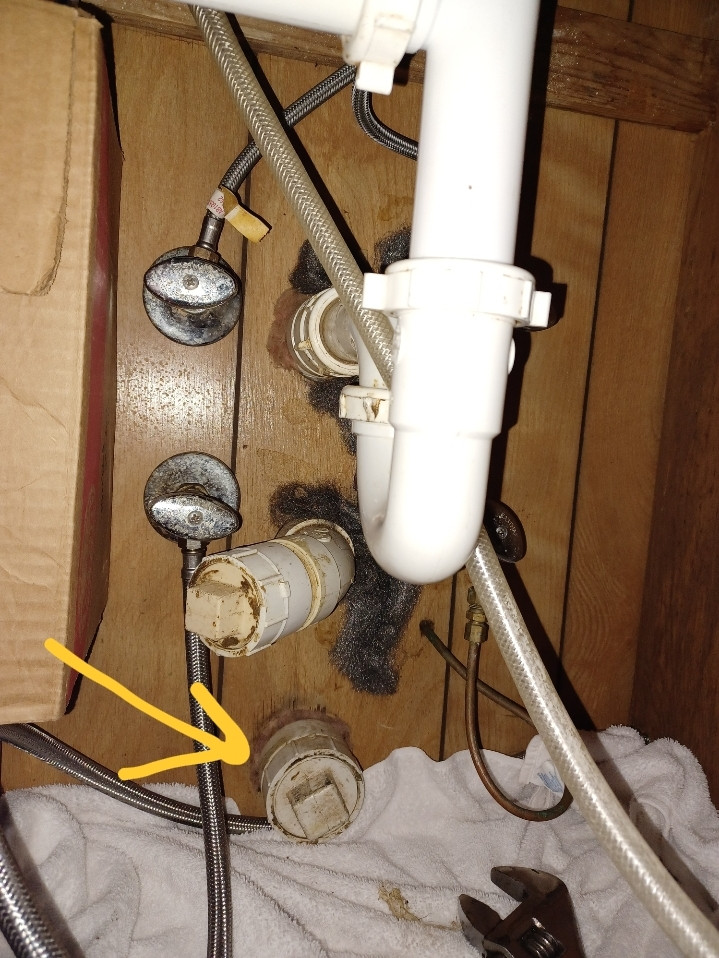
Image Source: i.sstatic.net
The Usual Suspects: What Causes a Clogged Kitchen Sink?
Several everyday items and habits can lead to a clogged kitchen sink. Knowing these culprits can help you prevent future plumbing headaches.
1. Food Scraps and Grease
This is arguably the biggest offender. When you wash dishes, grease, oil, and fats from cooking often go down the drain. While they are liquid when hot, they cool and solidify as they travel through your pipes. This solidified grease acts like glue, trapping other debris like:
- Food particles: Bits of vegetables, rice, pasta, and coffee grounds are common culprits.
- Eggshells: While they seem small, the gritty texture can accumulate.
- Starchy foods: Pasta and rice can swell and become a sticky mass.
- Fibrous vegetables: Celery, corn husks, and onion skins can create a matting effect.
Over time, this mixture of grease and food creates a tough, sticky buildup that narrows the pipe and eventually causes a complete kitchen sink blockage.
2. Hair and Soap Scum
While more common in bathrooms, hair can find its way into kitchen sinks, especially if you’re rinsing out hair dye or cleaning pet grooming tools. Soap scum, though less frequent in kitchens, can also contribute to buildup, especially if you use bar soap or certain dishwashing liquids that leave residue.
3. Foreign Objects
Accidental drops can lead to significant problems. Small items like:
- Bottle caps
- Twist ties
- Small plastic toys (especially if you have children)
- Foil wrappers
can lodge themselves in the drain and catch other debris, worsening the blockage.
4. Coffee Grounds
Many people believe coffee grounds are safe to put down the drain. However, they don’t dissolve in water and tend to clump together, especially when combined with grease, creating a gritty sediment that can easily cause a slow draining sink.
5. Over-Reliance on Garbage Disposal
While garbage disposals are handy, they aren’t magic. They can handle small amounts of soft food waste, but they struggle with:
- Fibrous materials: Celery, asparagus, artichokes.
- Hard items: Fruit pits, bones, shells.
- Grease and oils: These can still coat the disposal blades and pipes.
- Large quantities of food: Overloading the disposal can overwhelm it and push partially ground waste into the drainpipe.
If your kitchen sink disposal issues persist, it might be contributing to your drain problem.
Deciphering the Signs: What Does a Clogged Sink Tell You?
Beyond just sitting water, several other symptoms indicate a potential kitchen sink blockage or other kitchen sink plumbing problems.
Kitchen Sink Gurgling
The kitchen sink gurgling sound is often a sign of trapped air in the pipes. When water struggles to flow past a blockage, it forces air through the remaining open spaces, creating that distinct gurgling noise. This can also be an indication that the blockage is severe enough to affect the venting system of your plumbing.
Kitchen Sink Smells Bad
A persistent kitchen sink smells bad is almost always a sign of a blockage or other plumbing issue. Trapped food particles and stagnant water in the drainpipe start to decompose, leading to unpleasant odors. These smells can be a precursor to a full blockage or may indicate a problem with your P-trap or drain pipe that needs immediate attention.
Kitchen Sink Overflow
A kitchen sink overflow occurs when the drain is completely blocked, and water has nowhere to go but up. This usually happens when you try to run the tap or dishwasher while the sink is already full or has a significant blockage. It’s a clear and messy indicator of a serious drainage problem.
Troubleshooting Your Slow Draining Sink: Simple Fixes
Before you panic or reach for harsh chemicals, try these simple home remedies for clogged sink situations. These methods are often effective for minor blockages and are kinder to your pipes and the environment.
1. The Hot Water Flush
This is the simplest and often first step for a slow draining sink.
- How it works: Boiling water can help melt grease and loosen minor obstructions.
- How to do it: Carefully pour a kettle of boiling water directly down the drain. Let it sit for a few minutes. If the water starts to drain, repeat the process a couple of times.
- Caution: Do not use this method if you have PVC pipes and suspect a very stubborn blockage, as extreme heat could potentially warp the pipes. It’s generally safe for most metal pipes.
2. Baking Soda and Vinegar
A classic combination for cleaning and deodorizing, baking soda and vinegar can also help break down minor clogs.
- How it works: The chemical reaction between baking soda (a base) and vinegar (an acid) creates fizzing, which can help dislodge debris.
- How to do it:
- Pour about 1/2 cup of baking soda down the drain.
- Follow with 1 cup of white vinegar.
- Immediately cover the drain opening with a stopper or rag to direct the fizzing action downwards into the pipe.
- Let it sit for 15-30 minutes (or longer for tougher clogs).
- Flush with hot water (from the tap or a kettle).
- Benefits: It’s a natural and effective cleaner for minor buildup and helps with kitchen sink smells bad.
3. Using a Plunger
A good old-fashioned plunger can be surprisingly effective for many drain clogs.
- How it works: A plunger creates suction and pressure, which can dislodge blockages.
- How to do it:
- Fill the sink with a few inches of water (enough to cover the plunger cup).
- Create a tight seal around the drain with the plunger.
- Pump the plunger vigorously up and down for 20-30 seconds.
- Break the seal quickly and see if the water drains.
- Repeat several times if necessary.
- Tip: If you have a double sink, block the other drain with a wet cloth to ensure maximum suction.
4. The Bent Wire Hanger Method
For clogs that are close to the drain opening, a makeshift tool can work wonders.
- How it works: This allows you to manually pull out visible obstructions.
- How to do it:
- Straighten a wire coat hanger, leaving a small hook at one end.
- Carefully insert the hooked end into the drain.
- Gently probe and try to hook onto any debris you can feel.
- Pull out whatever you can retrieve.
- Flush with hot water.
Taking it Further: More Advanced Solutions for Kitchen Sink Drain Repair
If the simple remedies don’t work, you might need to use tools or more specialized methods for kitchen sink drain repair.
1. Using a Drain Snake (Auger)
A drain snake is a flexible metal cable that can reach deeper into your pipes to break up or retrieve blockages.
- How it works: The snake is fed into the drain until it meets resistance (the clog). Then, you rotate the handle to break up the clog or hook onto it.
- How to do it:
- Feed the snake into the drainpipe, pushing it in until you encounter the blockage.
- Once you hit the clog, lock the cable and turn the handle clockwise to either break through the obstruction or snag it.
- Carefully pull the snake back out, bringing the debris with it.
- Repeat if necessary.
- Flush the drain with hot water.
- Types: You can get small, manual snakes for sink drains or larger electric ones for more serious clogs.
2. Cleaning the P-Trap
The P-trap is the U-shaped pipe beneath your sink. It’s designed to hold water, which prevents sewer gases from entering your home and causing kitchen sink smells bad. However, it’s also a common place for debris to collect.
- How it works: By removing and cleaning the P-trap, you can directly access and remove blockages that have accumulated there.
- How to do it:
- Place a bucket underneath the P-trap to catch any water and debris.
- Loosen the slip nuts connecting the P-trap to the vertical and horizontal pipes. You might be able to do this by hand, or you may need a pipe wrench.
- Carefully remove the P-trap.
- Empty its contents into the bucket.
- Clean the P-trap thoroughly with a brush and hot, soapy water.
- Reassemble the P-trap, ensuring the slip nuts are hand-tightened first, then snugged with a wrench (don’t overtighten).
- Run water into the sink to check for leaks.
3. Chemical Drain Cleaners (Use with Caution)
These products can be effective for dissolving organic matter like grease and hair, but they should be used as a last resort for DIY kitchen sink drain repair.
- How it works: Chemical cleaners contain strong acids or alkalis that break down organic blockages.
- How to do it:
- Read and follow the manufacturer’s instructions precisely.
- Ensure the area is well-ventilated.
- Wear gloves and eye protection.
- Pour the recommended amount into the drain.
- Allow it to sit for the specified time.
- Flush with plenty of cold water (hot water can sometimes react with chemicals and create fumes).
- Cautions:
- Never mix different chemical drain cleaners, as this can create dangerous fumes or reactions.
- Avoid using them frequently, as they can damage pipes over time, especially older or PVC pipes.
- If a chemical cleaner doesn’t work, do not use another one or a plunger immediately after. The drain may contain corrosive chemicals that can splash back.
When to Call a Professional Plumber
If you’ve tried several of these methods and your kitchen sink still won’t drain, or if you suspect a more serious issue, it’s time to contact a plumber. Persistent kitchen sink plumbing problems might indicate issues deeper within your plumbing system.
Signs You Need Professional Help:
- Multiple drains are affected: If toilets, showers, and sinks are all backing up, it suggests a main sewer line blockage.
- Recurring clogs: If your sink clogs frequently, there might be an underlying pipe issue.
- No water flow after attempted fixes: If you’ve tried multiple methods and the sink remains completely blocked.
- Suspected damage: If you notice leaks, corroded pipes, or hear unusual noises beyond gurgling.
- Garbage disposal problems: If your disposal is jammed, making strange noises, or not running, it might need professional attention.
A plumber has specialized tools and expertise to diagnose and fix complex kitchen sink plumbing problems, including main line blockages, damaged pipes, or faulty plumbing fixtures.
Preventing Future Kitchen Sink Blockages
The best approach to a clogged kitchen sink is to prevent it from happening in the first place. Here are some proactive steps:
1. Scrape Plates Before Washing
Before putting dishes in the sink or dishwasher, scrape all food scraps into the trash or compost bin. Pay special attention to fibrous materials, eggshells, and coffee grounds.
2. Never Pour Grease Down the Drain
This is a golden rule. Collect grease in a container (like an old can or jar) and dispose of it in the trash once it solidifies. Wiping greasy pans with paper towels before washing can also help.
3. Use a Sink Strainer
A good quality sink strainer will catch most food particles and debris, preventing them from entering the drainpipe. Clean the strainer regularly.
4. Run Cold Water with the Garbage Disposal
If you have a garbage disposal, always run cold water for about 30 seconds before and after using it. Cold water helps solidify any grease, allowing the disposal to chop it up and flush it through the pipes more effectively.
5. Avoid Overloading the Garbage Disposal
Only put small amounts of food waste into the disposal at a time. Grind them thoroughly with plenty of cold water.
6. Regular Maintenance Flushes
Periodically flush your drains with hot water or a baking soda and vinegar mixture to help keep them clear of grease and minor buildup.
Common Questions About Kitchen Sink Drainage
Here are answers to some frequently asked questions regarding kitchen sink plumbing problems:
Q1: How often should I clean my kitchen sink drain?
A1: For preventative maintenance, a good practice is to flush your drains with boiling water or the baking soda and vinegar mixture once a month. If you notice a slow draining sink or kitchen sink smells bad, address it immediately.
Q2: Can I use a drain cleaner if my sink is completely blocked?
A2: While chemical cleaners can be effective, they work best on partial clogs. If your sink is completely blocked, the cleaner might just sit in the sink, and if it doesn’t work, it leaves you with a sink full of caustic chemicals, making it dangerous for further attempts or for a plumber to service. It’s often better to try mechanical methods like a plunger or snake first.
Q3: My garbage disposal is humming but not grinding. What’s wrong?
A3: This usually means the disposal’s motor is running, but the grinding plate is jammed. First, ensure the unit is turned off at the switch. Then, you can try to dislodge the jam using a wooden spoon or a special disposal wrench from underneath the unit (never put your hand inside!). If this doesn’t work, it’s best to call a plumber. This is a common case of kitchen sink disposal issues.
Q4: What’s the difference between a P-trap and an S-trap?
A4: Both are plumbing traps designed to prevent sewer gases from entering your home by holding water. The P-trap has a characteristic “P” shape (when viewed from the side) and consists of the trap itself and a horizontal outlet. An S-trap has a more pronounced “S” shape and connects directly to a vertical waste line. P-traps are more common in modern plumbing due to better venting.
Q5: My kitchen sink is gurgling, but water is still draining slowly. What does this mean?
A5: Kitchen sink gurgling often indicates a partially blocked drainpipe that is allowing air to escape back up the drain. This is a warning sign that a full blockage may be imminent or that the drainage system’s venting is compromised. Addressing this slow draining sink promptly is advisable.
A properly functioning kitchen sink is essential for everyday living. By understanding the common causes of clogs and employing preventative measures, you can avoid the frustration of a clogged kitchen sink. When problems arise, start with the simplest home remedies for clogged sink and progress to more advanced solutions. Remember, for persistent or severe kitchen sink plumbing problems, don’t hesitate to call a professional. A well-maintained plumbing system ensures a clean and healthy home.