
Kitchen safety is crucial because it helps prevent injuries, fires, and foodborne illnesses. What is the primary goal of kitchen safety? To create a secure environment for cooking and food preparation for everyone.
The kitchen is often called the heart of the home. It’s where meals are made, families gather, and memories are created. But this hub of activity can also be a place of potential hazards if we’re not careful. From sizzling stoves to sharp knives, a multitude of risks lurk if proper safety measures aren’t in place. Prioritizing kitchen safety isn’t just about following rules; it’s about protecting ourselves, our loved ones, and our homes from accidents and illnesses.
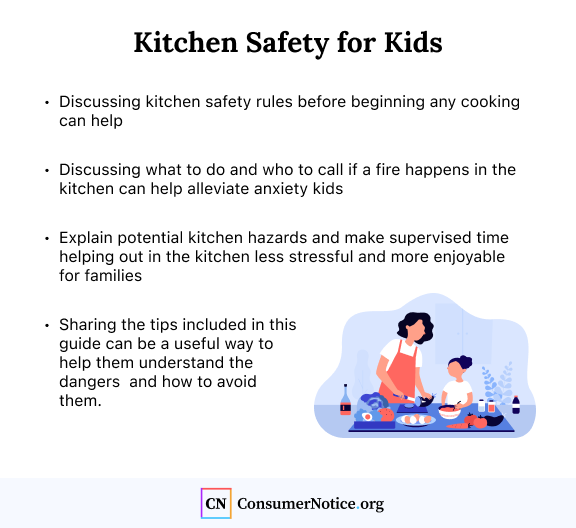
Image Source: www.consumernotice.org
Preventing Home Fire Prevention
Home fire prevention is a top priority in any household, and the kitchen is a primary area of concern. Most kitchen fires start with cooking. Unattended cooking is the leading cause of home cooking fires and fire deaths. This is why staying in the kitchen while cooking, especially when frying, grilling, or broiling, is vital. If you must leave the kitchen, even for a short time, turn off the stove.
Stove Top Vigilance
- Never leave cooking unattended: This is the golden rule. If you’re frying, boiling, or grilling, stay present.
- Keep flammable items away: Towels, oven mitts, paper products, curtains, and food packaging can easily catch fire. Keep them at a safe distance from the stovetop.
- Clean up grease: Grease build-up on the stovetop or in exhaust fans can ignite. Regular cleaning is key to home fire prevention.
- Turn pot handles inward: This prevents them from being accidentally knocked over, especially by children or pets.
Oven and Microwave Care
- Clean your oven regularly: Accumulated food debris inside the oven can burn and cause smoke or even fire.
- Avoid overcrowding the microwave: Stick to microwave-safe containers and follow recommended cooking times.
- Check for damaged cords: Ensure appliance cords are not frayed or damaged, as this can be an electrical hazard.
Appliance Safety
Many kitchen appliances, while convenient, also pose fire risks. Appliance safety means using them correctly and maintaining them properly.
- Toasters and Toaster Ovens: Clean out crumbs regularly. They can easily catch fire. Ensure they are placed on a stable, heat-resistant surface.
- Slow Cookers and Pressure Cookers: Always follow the manufacturer’s instructions for use and cleaning. Ensure vents are clear to prevent pressure buildup.
- Dishwashers: Check for any leaks or electrical issues. Avoid running the dishwasher when you are not home or asleep.
Fire Extinguisher Use
A working fire extinguisher is a crucial part of home fire prevention. Knowing how to use one can make a significant difference in an emergency.
- Type of Extinguisher: For kitchens, a Class K (wet chemical) extinguisher is ideal for grease fires. However, a multi-purpose ABC extinguisher can also be effective for a range of fires.
- Placement: Keep a fire extinguisher easily accessible in the kitchen, away from the stove itself, so you can reach it quickly without having to go through the fire.
- How to Use (PASS Method):
- Pull the pin.
- Aim low at the base of the fire.
- Squeeze the lever slowly and evenly.
- Sweep the nozzle from side to side.
- Regular Checks: Ensure the pressure gauge is in the green zone and the extinguisher is not expired.
Preventing Foodborne Illness Prevention
Foodborne illness prevention is as vital as fire prevention in the kitchen. Contaminated food can lead to serious health problems. Safe food handling practices are the cornerstone of keeping your family healthy.
Safe Food Handling Practices
- Clean: Wash hands thoroughly with soap and warm water before, during, and after preparing food. Wash cutting boards, utensils, and countertops with hot, soapy water after each use.
- Separate: Keep raw meat, poultry, seafood, and eggs separate from other foods, especially ready-to-eat foods. Use separate cutting boards for raw meats and produce.
- Cook: Cook food to the correct internal temperature. Use a food thermometer to ensure meats are cooked thoroughly.
- Chill: Refrigerate perishable foods promptly. The “danger zone” for bacterial growth is between 40°F and 140°F (4°C and 60°C). Keep your refrigerator at or below 40°F (4°C) and your freezer at 0°F (-18°C).
Thawing Frozen Foods
- Refrigerator Thawing: This is the safest method. Allow ample time for thawing in the refrigerator.
- Cold Water Thawing: Place food in a leak-proof bag and submerge in cold tap water. Change the water every 30 minutes. Cook immediately after thawing.
- Microwave Thawing: Follow microwave instructions. Foods thawed this way should be cooked immediately.
- Never thaw food at room temperature.
Cross-Contamination Dangers
Cross-contamination occurs when harmful bacteria are transferred from one food or surface to another.
- Raw Meat Juices: Be careful not to let raw meat juices drip onto other foods or surfaces.
- Utensils and Boards: Wash utensils and cutting boards immediately after they have been used for raw meat, poultry, or seafood.
- Washing Produce: Wash fruits and vegetables under running water before eating, cutting, or cooking, even if you plan to peel them.
Accident Prevention
Beyond fires and foodborne illnesses, kitchens are rife with potential accidents. Accident prevention focuses on minimizing the risk of cuts, burns, slips, and other injuries.
Preventing Cuts
Sharp knives and kitchen tools are necessary for cooking, but they demand respect and caution.
- Knife Skills: Always cut away from yourself. Use a stable cutting board. Never try to catch a falling knife.
- Knife Storage: Store knives safely in a knife block or on a magnetic strip. Keep them out of reach of children.
- Washing Knives: Wash knives separately from other dishes. Never leave them soaking in a sink where they can’t be seen.
- Broken Glass: If glass breaks, carefully sweep up larger pieces and use a damp paper towel or bread to pick up tiny shards. Dispose of shards safely.
Preventing Burns
Hot surfaces, boiling liquids, and steam are common culprits for kitchen burns.
- Stovetop Management:
- Use oven mitts or pot holders when handling hot pots and pans.
- Turn pot handles inward to prevent accidental spills.
- Be cautious when adding food to hot oil; it can splatter.
- When boiling water or cooking with oil, stand back when lifting lids.
- Microwave Burns:
- Steam can build up in covered containers. Open them carefully, away from your face.
- Food cooked in the microwave can be hotter than it appears. Stir food and let it stand for a moment before checking its temperature.
- Oven Burns:
- Always use oven mitts or pot holders.
- Open oven doors slowly to allow steam to escape.
- Be careful when removing hot dishes from the oven.
Preventing Slips and Falls
Spills and clutter can turn a safe kitchen into a hazardous one.
- Clean Spills Immediately: Wipe up any spills on the floor right away.
- Non-Slip Mats: Consider using non-slip mats or rugs in high-traffic areas, especially near the sink and stove.
- Keep Floors Clear: Avoid leaving objects on the floor that could cause someone to trip.
- Proper Footwear: Wear sturdy, closed-toe shoes when cooking.
Appliance Safety Deep Dive
We touched on appliance safety earlier, but let’s expand on some critical aspects. Ensuring all appliances are used and maintained correctly is paramount.
Electrical Safety
The combination of water and electricity is a serious hazard in the kitchen.
- Inspect Cords: Regularly check appliance cords for any damage, fraying, or exposed wires. Replace damaged cords immediately or discontinue using the appliance.
- Water and Electricity: Keep electrical appliances away from the sink and wet surfaces. Never operate appliances with wet hands.
- GFCI Outlets: Ground Fault Circuit Interrupter (GFCI) outlets are designed to shut off electricity if they detect an imbalance, which can help prevent electrocution. Ensure they are installed near water sources.
- Proper Usage: Always use appliances according to the manufacturer’s instructions. Do not overload electrical outlets.
Using Small Appliances Safely
- Toasters: Never insert metal objects into a toaster. Unplug toasters before trying to dislodge stuck bread.
- Blenders: Ensure the lid is securely in place before operating. Keep hands and utensils away from moving blades.
- Food Processors: Similar to blenders, ensure lids are secure and never reach into the bowl while the unit is plugged in.
Gas Stove Safety
Gas stoves require specific safety considerations.
- Smell of Gas: If you smell gas, immediately turn off the stove and any other gas appliances, open windows, leave the house, and call the gas company or emergency services from a safe location. Do not operate light switches or use a phone inside the house, as a spark could ignite the gas.
- Regular Maintenance: Have your gas stove and connections checked regularly by a qualified professional.
- Ventilation: Ensure your kitchen has adequate ventilation, especially when using a gas stove.
Childproofing Kitchen
The kitchen is a fascinating place for children, but it’s also full of dangers. Childproofing the kitchen is essential to keep little ones safe.
Preventing Access to Hazards
- Stove Knob Covers: Install covers on stove knobs to prevent children from turning them on.
- Oven Locks: Use oven locks to keep the oven door shut securely.
- Appliance Locks: Childproof latches can secure appliance doors like microwaves and dishwashers.
- Cabinet and Drawer Latches: Use safety latches on cabinets and drawers containing cleaning supplies, sharp objects, or small appliances.
Keeping Kids Safe Around Appliances
- Hot Surfaces: Teach children that stoves, ovens, and even some appliance surfaces can be very hot.
- Cord Management: Keep appliance cords out of reach. Dangling cords can be pulled down, bringing appliances with them.
- Heavy Objects: Store heavy pots, pans, and appliances on lower shelves or in secured cabinets.
- Knife Block Placement: Store knives in a child-proof knife block or a high, inaccessible drawer.
Kitchen Layout and Supervision
- Designated Play Area: If possible, create a safe zone where children can play while you cook, away from the immediate cooking area.
- Constant Supervision: Never leave young children unattended in the kitchen, especially when cooking is in progress.
Maintaining a Safe Kitchen Environment
A consistently safe kitchen relies on good habits and regular maintenance.
Regular Cleaning Schedules
- Wipe Down Surfaces: Clean countertops, stovetops, and sinks daily.
- Deep Cleaning: Schedule regular deep cleaning sessions for ovens, refrigerators, and exhaust hoods.
- Trash Disposal: Empty trash cans regularly, especially those containing food waste, to prevent pests and odors.
Proper Storage of Kitchen Items
- Sharp Objects: Store knives and other sharp utensils safely and securely.
- Cleaning Supplies: Keep cleaning chemicals in their original containers, clearly labeled, and out of reach of children and pets.
- Food Storage: Follow best practices for storing food in pantries, refrigerators, and freezers to maintain freshness and prevent spoilage.
Emergency Preparedness
- First-Aid Kit: Keep a well-stocked first-aid kit readily available in the kitchen.
- Emergency Contact Information: Have emergency numbers (fire department, ambulance, poison control) clearly posted near the phone.
- Fire Safety Plan: Develop a fire escape plan for your home, including a meeting point outside.
Frequently Asked Questions (FAQ)
What is the most common cause of kitchen fires?
The most common cause of kitchen fires is unattended cooking.
How often should I check my smoke detectors?
You should test your smoke detectors monthly and replace the batteries at least once a year, or when the detector chirps to signal low battery.
Can I use water on a grease fire?
No, you should never use water on a grease fire. Water causes the burning grease to splatter and spread the fire. Instead, try to smother the flames by sliding a lid over the pan or using a fire extinguisher.
What are the four basic steps to safe food handling?
The four basic steps are Clean, Separate, Cook, and Chill.
How do I safely clean a knife?
Wash knives separately from other dishes, using hot, soapy water. Dry them immediately and store them safely. Never leave knives soaking in a sink.
What should I do if my clothes catch fire?
Stop, Drop, and Roll. Stop moving, drop to the ground, and cover your face with your hands. Roll over and over until the flames are out.
Kitchen safety is an ongoing commitment. By staying vigilant, practicing safe habits, and equipping ourselves with the right knowledge, we can transform our kitchens into spaces where culinary creativity thrives without compromising our well-being. Prioritizing safety ensures that the heart of the home remains a place of joy and nourishment for everyone.