
The most common kitchen trash bag size is 13 gallons, though smaller and larger options are readily available to fit various kitchen bin dimensions. This guide will help you decipher the world of trash bag capacity and ensure you’re choosing the best kitchen trash bags for your needs.
Navigating the grocery aisle or online shopping cart can be a surprisingly complex task when it comes to something as mundane as a kitchen trash bag. With a bewildering array of sizes, strengths, and types, it’s easy to feel overwhelmed. But fear not! This comprehensive guide is here to demystify the process of selecting the perfect trash liner for your kitchen waste bin size. We’ll delve into the specifics of kitchen trash bag dimensions, explore trash bag capacity, and help you find the best kitchen trash bags that fit your lifestyle.
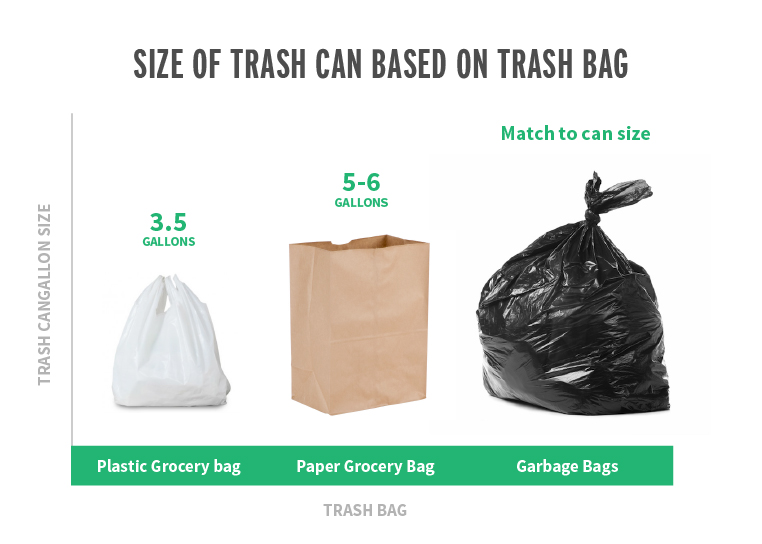
Image Source: trashcansunlimited.com
Fathoming Your Kitchen Trash Can Size
The first and most crucial step in choosing the right kitchen trash bag is accurately knowing your kitchen trash can size. This sounds simple, but many people estimate rather than measure, leading to ill-fitting bags that either overflow or sag uselessly.
Measuring Your Kitchen Bin Dimensions
To get it right, you’ll need a tape measure. Don’t just guess! Take the time to measure your bin precisely.
- Height: Measure from the very bottom of the bin to the rim where the bag will tuck over.
- Width: Measure across the widest part of the bin. If your bin is rectangular, measure both the length and the width. If it’s round, measure the diameter across the widest point.
- Depth: This is essentially the same as the height measurement, but it’s good to confirm.
Pro Tip: Always measure the inside dimensions of your trash can if you plan to tuck the bag over the rim. If you prefer the bag to hang slightly over the outside for easier removal, measure the outside dimensions and add a few extra inches to the height.
Common Kitchen Bin Sizes and Their Corresponding Bag Needs
Most kitchens feature bins that fall into a few common size categories. Knowing these can help you narrow down your choices quickly.
Standard Kitchen Trash Cans
The quintessential kitchen bin is often around 13 gallons. This is the most common size you’ll see advertised for kitchen trash cans, and it dictates the need for a standard kitchen trash bag of the same capacity.
- Typical Dimensions:
- Height: 24-28 inches
- Width/Diameter: 14-16 inches
Smaller Kitchen Bins
Some people opt for smaller bins for specific areas like a prep station, a small apartment kitchen, or a bathroom that doubles as a vanity area.
- Capacity Range: 4-8 gallons
- Typical Dimensions:
- Height: 18-20 inches
- Width/Diameter: 10-12 inches
Large Kitchen Trash Cans and Commercial-Style Bins
For larger families, frequent entertainers, or those who prefer fewer trips to the curb, larger capacity bins are common. These might also include bins designed for recycling or composting.
- Capacity Range: 18-32 gallons
- Typical Dimensions:
- Height: 28-32 inches
- Width/Diameter: 18-20 inches
Deciphering Trash Bag Capacity: More Than Just Gallons
When you see “13 Gallon” on a trash bag box, what does that actually mean? It’s not just a number; it represents the trash bag capacity – the volume it can comfortably hold without straining the seams. However, there’s more to it than just the advertised gallon size.
The “Bag Width” Factor
Trash bag manufacturers often use a “bag width” measurement in addition to the gallon capacity. This is because a bag’s shape and how it fits your bin are crucial. A bag that is too narrow will struggle to stretch around the bin’s opening, even if its volume seems sufficient.
- Example: A 13-gallon trash bag typically has a width of around 30-33 inches. This width is meant to wrap around the perimeter of a standard 13-gallon bin, plus provide enough overlap to tie it off securely.
The Importance of Bag Height
Similarly, the height of the bag is critical. You need a bag that is tall enough to extend from the bottom of the bin, reach the rim, and still have several inches left to fold over and secure. A bag that’s too short will constantly fall into the bin, creating a messy situation.
Connecting Bin Dimensions to Bag Size
Here’s a general guideline to help you match your kitchen bin dimensions to the correct trash bag size. Remember, these are approximations, and slight variations exist between brands.
| Kitchen Bin Capacity (Gallons) | Approximate Bin Height (inches) | Approximate Bin Width/Diameter (inches) | Recommended Bag Width (inches) | Recommended Bag Height (inches) |
|---|---|---|---|---|
| 4-8 | 18-20 | 10-12 | 20-24 | 24-28 |
| 10-13 | 24-28 | 14-16 | 30-33 | 30-34 |
| 15-20 | 26-30 | 16-18 | 32-35 | 32-36 |
| 20-30 | 28-32 | 18-20 | 34-38 | 34-38 |
| 30+ | 30+ | 20+ | 38+ | 38+ |
This garbage bag size chart is a helpful starting point. Always check the specific measurements on the trash bag packaging, as they can vary.
Comprehending Trash Liner Capacity: Beyond the Liters
While gallons are common in the US, liters are often used internationally or for smaller bins. Understanding the conversion is key if you encounter liters.
- 1 US gallon ≈ 3.785 liters
So, a 13-gallon bag is roughly 49 liters. When looking at trash bag volume, consider the shape of your waste. If you tend to have bulky items, you might need a bag with a wider width even if the overall volume (in liters or gallons) seems adequate.
Choosing the Best Kitchen Trash Bags for Your Needs
Beyond size, several other factors contribute to making the best kitchen trash bags for your home.
Strength and Durability
This is where the “mil” thickness comes into play. Mils refer to the thickness of the plastic.
- Thin Bags (0.5-0.8 mil): Suitable for light kitchen waste like paper towels or packaging. Prone to tearing with heavier or sharper items.
- Standard Bags (0.9-1.0 mil): Good for everyday kitchen waste, offering a balance of strength and flexibility. This is typical for most standard kitchen trash bag offerings.
- Heavy-Duty Bags (1.1-1.5 mil): Designed for tougher jobs, including composting scraps, heavier food waste, or when you anticipate sharp objects.
- Extra-Heavy-Duty Bags (1.6+ mil): For very demanding tasks, construction debris, or extreme weight. Usually overkill for regular kitchen use.
For most kitchens, bags in the 0.9-1.1 mil range are ideal for everyday use. If you frequently deal with sharp food scraps (like bones or corn cobs) or simply want extra peace of mind, investing in slightly thicker bags can prevent frustrating rips and spills.
Features to Consider
- Drawstring Closure: Makes tying the bag easier and helps secure the contents. Essential for large kitchen trash bags.
- Reinforced Handles: Can provide extra strength for carrying heavier loads.
- Odor Control: Many bags are infused with baking soda or other agents to combat unpleasant smells. This is a popular feature for a kitchen waste bin size that might sit for a few days between emptying.
- Recycled Content: An eco-friendly option for those looking to reduce their environmental impact.
- Biodegradable/Compostable: While seemingly good, ensure these are certified compostable and that your local composting facility can handle them.
Navigating the “Large Kitchen Trash Bags” Market
When your kitchen trash can size is on the larger end, or your household produces significant waste, you’ll be looking for large kitchen trash bags. These often start at 18 gallons and go up to 30 gallons or more.
- 18-20 Gallon Bags: A good step up from the standard 13-gallon. They offer a bit more room and strength, suitable for families or those who cook a lot.
- 23-30 Gallon Bags: These are truly large kitchen trash bags and are designed for bigger bins. They offer substantial trash bag capacity and are often made from thicker plastic to handle the increased weight.
When purchasing large kitchen trash bags, pay extra attention to the width and height dimensions. A bag that’s too narrow will simply not fit around a wider bin, regardless of its gallon rating.
A Practical Garbage Bag Size Chart: Your Quick Reference
To summarize, here’s a handy garbage bag size chart for quick reference when you’re at the store or shopping online.
| Trash Bag Size (Gallons) | Typical Bag Width (inches) | Typical Bag Height (inches) | Best For (Kitchen Bin Size) |
|---|---|---|---|
| 4-8 | 20-24 | 24-28 | Small bins, under-sink, office bins |
| 10-13 | 30-33 | 30-34 | Standard kitchen trash cans |
| 15-20 | 32-35 | 32-36 | Larger kitchens, family-sized bins |
| 20-30 | 34-38 | 34-38 | Extra-large kitchen bins, heavy waste |
Important Note on Trash Liner Capacity: The stated gallon capacity is a guideline. The actual amount of trash a bag can hold depends on the shape of the trash and how tightly it’s packed. It’s always better to have a bag that’s slightly too large than too small.
Troubleshooting Common Bag Issues
- Bags Tearing: Likely too thin (low mil) for the weight or sharpness of your trash, or the bag is too small for your bin, causing it to stretch excessively. Consider a thicker bag or a larger size.
- Bags Falling Into the Bin: The bag is too short. Check the height measurement and opt for a taller bag.
- Bags Not Fitting Around the Opening: The bag is too narrow. Measure your bin’s circumference and compare it to the bag’s width.
Frequently Asked Questions About Kitchen Trash Bags
Q: Can I reuse a kitchen trash bag?
While technically possible, it’s generally not recommended for hygiene reasons, especially if it contained food waste. Disposable trash bags are designed for single use.
Q: How do I know if a trash bag will fit my oddly shaped bin?
Measure the widest part (circumference) of your bin at the rim. Then, find the bag’s width measurement and ensure it’s at least a few inches more than your bin’s circumference to allow for overlap and tying.
Q: What’s the difference between kitchen trash bags and other types of trash bags?
Kitchen trash bags are typically designed for everyday household waste, balancing strength and flexibility. Outdoor trash bags or contractor bags are often thicker and more durable for heavier, rougher materials.
Q: Are there eco-friendly options for kitchen trash bags?
Yes, many brands offer bags made from recycled materials or biodegradable/compostable plastics. Always check certifications for biodegradability.
Q: My trash bag rips when I pull it out, even though it’s not full. What’s wrong?
This is often due to the bag not being properly secured to the bin, causing it to snag on the rim as you pull it out. Ensure the bag is stretched taut and the excess material is securely folded over the bin’s edge. A slightly larger bag or one with better elasticity might also help.
By taking the time to measure your bin and consider the factors discussed, you can confidently choose the right size and type of kitchen trash bag, making your daily chores a little bit easier and a lot less messy. Happy bagging!