
What is the ideal depth for kitchen drawers? The ideal drawer depth for kitchen storage varies depending on its intended use, but typical depths range from 4 to 12 inches for upper drawers and 8 to 15 inches or more for lower drawers. This guide will help you explore the world of kitchen drawer depths and how to make the most of your cabinet drawer interior space.
Kitchen drawers are more than just places to put things; they are the backbone of an organized and efficient kitchen. The drawer depth dimensions you choose can significantly impact how you store and access everything from tiny teaspoons to bulky pots and pans. Let’s dive into measuring kitchen drawer size and discovering the perfect depths for every culinary need.
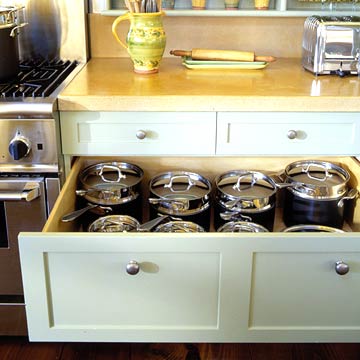
Image Source: www.livesimplybyannie.com
Why Drawer Depth Matters
The depth of a kitchen drawer is a crucial design element. It dictates what can be stored within it, how easily it can be accessed, and ultimately, how functional your kitchen will be. A drawer that’s too shallow might not fit common kitchen items, while one that’s too deep can lead to lost items at the back, making things hard to find. Getting the standard kitchen drawer height right for each type of drawer is key to a well-functioning kitchen.
Fathoming the Functional Depths
Different kitchen tasks require different drawer depths. Understanding the purpose of each drawer helps in selecting the most effective drawer depth dimensions.
Utensil Drawer Depth: The Everyday Essentials
When we talk about the utensil drawer depth, we’re usually referring to the shallower drawers, often found in the top banks of cabinets. These are the go-to spots for your everyday cutlery, cooking spoons, spatulas, and whisks.
- Typical Depth: For most utensil drawers, a depth of 4 to 6 inches is considered ideal.
- Why this depth? This range allows for most standard cutlery sets to lie flat without being too cramped. It also provides enough clearance for longer cooking utensils like ladles and whisks to stand upright or lie comfortably without hitting the drawer’s lid.
- Maximizing Drawer Storage: Even in these shallower drawers, dividers are your best friend. They prevent items from shifting and jumbling together, making it easy to grab what you need without a rummage. Adjustable dividers are particularly useful as they can be customized to fit different utensil sizes.
Pots and Pans Drawer Depth: Handling the Heavyweights
Now, let’s consider the pots and pans drawer depth. These are typically the larger, lower drawers designed to handle heavier and bulkier items. Their greater depth is essential for accommodating cookware efficiently.
- Typical Depth: For pots and pans, drawers often range from 8 inches to 15 inches or even deeper.
- Why this depth? A deeper drawer allows you to stack pots and pans, or store them upright, which is often more space-efficient. It also provides the necessary clearance so lids can be stored alongside their respective pots without protruding. For large stockpots or Dutch ovens, a deep drawer capacity of 12 inches or more is often necessary.
- Maximizing Drawer Storage: In these deep drawers, drawer inserts or dividers are crucial for preventing stacks from toppling. Vertical dividers are excellent for keeping pot lids, baking sheets, and cutting boards upright and accessible. Consider pull-out shelves or specialized drawer organizers designed for cookware to further enhance usability.
Standard Kitchen Drawer Height: A General Overview
While there’s no single answer to “What is the standard kitchen drawer height?” as it depends on cabinet construction and design, we can look at general guidelines.
- Upper Cabinet Drawers: These are typically shallower, often in the 4 to 6-inch range in terms of interior height.
- Base Cabinet Drawers: These are usually deeper. The top drawer might be 4-6 inches, the middle drawer 6-8 inches, and the bottom drawer can be anywhere from 8 inches up to 15 inches or more.
Table 1: Typical Kitchen Drawer Depths by Function
| Drawer Type | Recommended Interior Depth | Common Uses | Maximizing Storage Tips |
|---|---|---|---|
| Utensil Drawer | 4 – 6 inches | Cutlery, small gadgets, cooking utensils | Dividers, trays, tiered organizers |
| All-Purpose Drawer | 6 – 8 inches | Bowls, plates, mixing bowls, smaller appliances | Drawer dividers, stackable organizers, adjustable dividers |
| Deep Drawers | 8 – 15+ inches | Pots, pans, lids, large serving dishes, small appliances | Vertical dividers, pull-out shelves, specialized cookware inserts |
| Shallow Drawer | 2 – 4 inches | Spices, small condiment bottles, tea bags, paper goods | Spice racks, tiered organizers, small bins |
Deciphering Drawer Depth Dimensions: What Affects Them?
The drawer depth dimensions aren’t arbitrary. Several factors influence the chosen depth:
Cabinet Box Construction
The actual depth of your kitchen cabinets plays a significant role. Most standard kitchen cabinets have a depth of 24 inches. The drawer box itself will be constructed to fit within this space, leaving room for the drawer slides and the cabinet front.
- Exterior Cabinet Depth: Generally 24 inches.
- Interior Cabinet Space: This will be slightly less than the exterior depth due to the thickness of the cabinet sides.
- Drawer Box Depth: This is typically about 1-2 inches less than the interior cabinet depth to accommodate the drawer slides. So, if your cabinet interior is 23 inches deep, your drawer box might be around 21-22 inches deep. This exterior measurement is what determines the maximum potential interior depth of the drawer itself.
Drawer Slides
The type of drawer slides used impacts the usable cabinet drawer interior space.
- Full-Extension Slides: These allow the drawer to be pulled out almost completely, maximizing access to the entire depth of the drawer. This is highly recommended for deeper drawers.
- Partial-Extension Slides: These only allow about 75% of the drawer to be pulled out, meaning the back portion is harder to reach. They are often found on shallower drawers.
- Side-Mount vs. Undermount Slides: Both can offer excellent functionality, but undermount slides are often concealed and can sometimes offer a slightly larger interior drawer width.
Drawer Fronts and Hardware
The thickness of the drawer front and the hardware (like handles and knobs) don’t directly affect the interior depth, but they are considerations when planning the overall cabinet design and ensuring the drawer can open and close smoothly.
Maximizing Drawer Storage: Beyond Just Depth
It’s not just about how deep the drawers are; it’s about how effectively you use that space. Maximizing drawer storage involves smart organization and choosing the right accessories.
The Role of Dividers and Organizers
- Adjustable Dividers: These are fantastic for customizing space within drawers of any depth. They can separate cutlery, create compartments for gadgets, or keep pot lids from sliding around.
- Tiered Organizers: Especially useful for utensil drawers, tiered organizers allow you to store more items in the same footprint by utilizing vertical space.
- Drawer Inserts: These are pre-made inserts designed for specific items like silverware, knives, or spices. They fit neatly into the drawer and keep things tidy.
- Vertical Storage: For deep drawers holding pots, pans, and lids, vertical dividers are a game-changer. They allow you to store items like baking sheets, cutting boards, and pot lids on their sides, making them easy to see and retrieve.
Utilizing the Full Drawer Capacity
Even with the right organizers, it’s important to think about how you arrange items.
- Grouping Like Items: Keep all your baking tools together, all your cooking utensils together, and so on. This not only makes finding things easier but also allows for more efficient use of space.
- Storing Items Vertically: Where possible, store items like lids, cutting boards, and baking sheets upright. This saves space and makes them more accessible than if they were stacked flat.
- Considering Item Size: Be realistic about what fits. A drawer with a 10-inch depth is perfect for most saucepans, but trying to cram a large stockpot into a 6-inch drawer will be frustrating.
What Are Shallow Drawer Uses?
Not all drawers need to be deep. Shallow drawer uses are plentiful and vital for keeping small items organized.
- Spice Drawers: Often the shallowest of all, typically 2 to 4 inches deep, spice drawers are designed to hold spice jars. Specialty spice drawer inserts or tiered risers are perfect for this. The shallow depth ensures you can see the labels easily without them being obscured by taller items.
- Cutlery and Silverware: As mentioned, the 4-6 inch depth is ideal for standard cutlery. However, specialized flatware organizers can also fit well into slightly shallower drawers, sometimes even as shallow as 3.5 inches if the cutlery is placed in specific slots.
- Small Gadgets and Tools: Think about graters, peelers, can openers, measuring spoons, and other small kitchen tools. A shallow drawer with dividers can keep these items neatly sorted.
- Paper Goods and Small Appliances: Some very shallow drawers might be used for things like oven mitts, placemats, or even a compact toaster or coffee maker if the drawer is wide and long enough, though this is less common for very shallow depths.
What is the Ideal Drawer Depth for Kitchen Storage?
The ideal drawer depth for kitchen is a question with many answers, as it’s dictated by the items you intend to store.
- For Utensils and Cutlery: 4 to 6 inches.
- For General Storage (plates, bowls): 6 to 8 inches.
- For Pots, Pans, and Larger Items: 8 inches to 15+ inches.
- For Spices and Small Items: 2 to 4 inches.
It’s about having a variety of depths to suit different needs. A well-designed kitchen will incorporate a mix of these to maximize deep drawer capacity where needed and utility in shallower spaces.
Comprehending Cabinet Drawer Interior Space
When you are measuring kitchen drawer size, remember you are looking for the interior dimensions. This means measuring the inside width, depth, and height of the drawer box itself, not including the drawer front.
- Width: Measure from the inside of one cabinet side to the inside of the other.
- Depth: Measure from the back of the drawer box to the inside of the drawer front.
- Height: Measure the interior height of the drawer box.
Knowing these precise cabinet drawer interior space measurements is crucial for ordering custom drawer organizers or ensuring that new appliances or storage solutions will fit correctly.
How Deep Are Kitchen Drawers for Specific Items?
Let’s break down some common kitchen items and the drawer depths that best accommodate them:
- Standard Cutlery: 4-5 inches.
- Cooking Spoons, Spatulas, Whisks: 4-6 inches.
- Mixing Bowls: 6-8 inches.
- Dinner Plates: 6-8 inches.
- Saucepans: 8-10 inches.
- Frying Pans: 8-10 inches.
- Pot Lids: 4-8 inches (depending on the size of your pots and how you store them – vertically or stacked).
- Baking Sheets: 8-12 inches (stored vertically).
- Large Serving Platters: 6-10 inches.
- Small Appliances (e.g., hand mixer, food processor attachment): 8-12+ inches.
Customizing Drawer Depths for Your Kitchen
While standard sizes are common, don’t be afraid to consider custom depths if your kitchen layout or storage needs demand it. This is especially true for unique cabinet sizes or if you have very specific items you need to store.
- Consider Your Needs First: Before deciding on depths, make a detailed inventory of what you store in your kitchen and how you prefer to organize it.
- Consult with Designers: Kitchen designers can offer valuable insights into optimal drawer depths for various purposes and cabinet styles.
Frequently Asked Questions (FAQ)
Q1: Can I change the depth of my existing kitchen drawers?
A1: While you can’t easily change the exterior depth of your drawers without altering the cabinet box, you can significantly improve the usability and perceived depth by using organizers and dividers. For very shallow drawers, adding drawer slides that allow for full extension can make them feel deeper by improving access to the entire space.
Q2: What is the standard depth for a cabinet drawer box?
A2: The standard exterior depth for a cabinet drawer box typically ranges from 18 to 24 inches. The interior depth will be less, influenced by the drawer slides and front thickness, generally falling between 16 and 22 inches.
Q3: What is the best way to organize a deep pot and pan drawer?
A3: Use vertical dividers for pot lids and baking sheets. Consider pull-out shelves to make accessing items at the back easier. Specialized cookware organizers can also help stack pots and pans more efficiently and safely.
Q4: What are the benefits of having varied drawer depths?
A4: Varied drawer depths allow for more efficient storage of a wider range of kitchen items. Shallow drawers are perfect for small, easily accessible items like cutlery and spices, while deeper drawers provide the necessary capacity for bulky cookware, making your kitchen more organized and functional.
Q5: How do I measure my kitchen drawer size accurately?
A5: To measure your kitchen drawer size accurately, you need to find the interior dimensions. Measure the inside width from side to side, the interior depth from the back of the drawer box to the inside face of the drawer front, and the interior height from the bottom of the drawer box to the top edge.
In conclusion, the question of “How deep are kitchen drawers?” is answered by understanding their purpose. From the utensil drawer depth of around 4-6 inches to the substantial deep drawer capacity of 8-15 inches for pots and pans, each dimension plays a vital role in maximizing drawer storage. By paying attention to drawer depth dimensions, selecting the right organizers, and considering your specific storage needs, you can transform your kitchen drawers into highly functional and organized spaces.