
What is the typical depth of kitchen cabinets? Typically, base kitchen cabinets are 24 inches deep, and upper kitchen cabinets are 12 inches deep. This article dives deep into cabinet depth, exploring standard measurements, variations, and how these dimensions impact your kitchen layout and functionality.
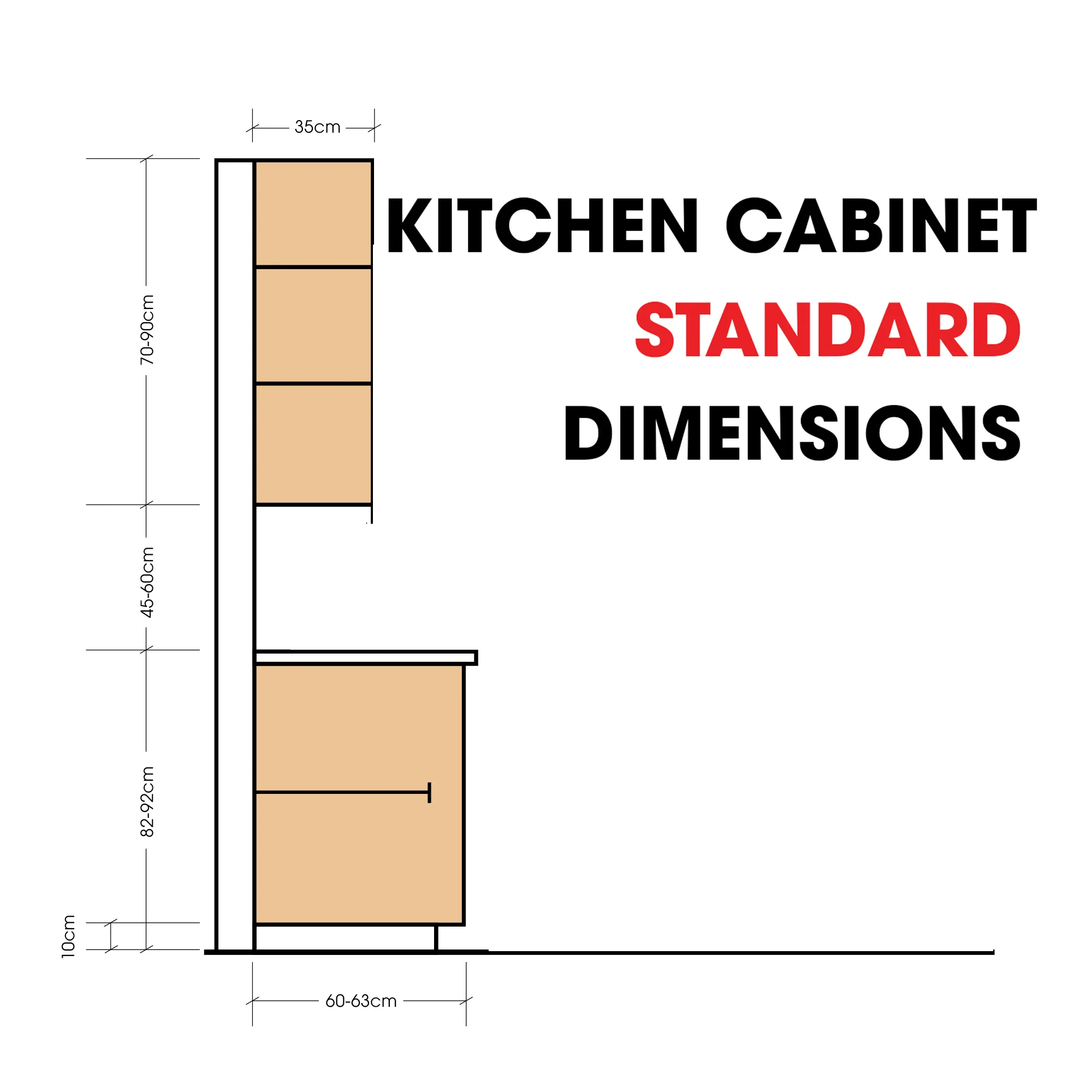
Image Source: guilincabinets.com
Deciphering Standard Cabinet Measurements
When planning a kitchen renovation or simply seeking to understand your current space, knowing the standard cabinet dimensions is crucial. These measurements aren’t arbitrary; they are carefully considered to balance storage capacity, accessibility, and the overall flow of your kitchen.
Base Cabinet Depth
The workhorse of your kitchen storage, base cabinets sit on the floor and support your countertops.
- Standard Depth: Most base cabinets have a standard depth of 24 inches. This measurement typically includes the cabinet box and the door or drawer front.
- Cabinet Box Depth: The actual cabinet box, without the door or drawer, is usually around 23.25 inches deep. This accounts for the space needed for the door overlay and the slight pull-out of knobs or pulls.
- Why 24 Inches? This depth is ideal for several reasons:
- Countertop Support: It provides ample support for standard countertop depths, which are usually 25 inches, allowing for a 1-inch overhang at the front for usability and aesthetics.
- Storage Capacity: The 24-inch depth maximizes storage space for everyday kitchen items, from pots and pans to small appliances.
- Appliance Fit: It accommodates most standard kitchen appliances, such as dishwashers and ranges, which are often designed to align with a 24-inch base cabinet depth.
Upper Cabinet Depth
Upper cabinets, also known as wall cabinets, are mounted on the wall above your countertops.
- Standard Depth: The standard upper cabinet depth is 12 inches. Like base cabinets, this measurement includes the door or drawer front.
- Cabinet Box Depth: The actual cabinet box for upper cabinets is usually around 11.25 to 11.75 inches deep.
- Why 12 Inches?
- Accessibility: This depth allows you to work comfortably at the countertop without feeling cramped by cabinets hanging overhead.
- Storage for Dishes and Glasses: It’s sufficient for storing most dinnerware, glasses, and pantry items.
- Clearance: The 12-inch depth, combined with standard backsplash heights, ensures adequate clearance for safe movement and use of the counter space below.
Countertop Depth
The countertop depth is directly influenced by the base cabinet depth and the desired overhang.
- Standard Countertop Depth: Typically, countertops are 25 inches deep.
- Overhang: This 25-inch depth, when paired with a 24-inch deep base cabinet, creates a 1-inch overhang at the front. This overhang provides a finished look and prevents spills from running down the front of the cabinets. It also offers a comfortable edge to lean against while working.
- Variations: Some kitchens might opt for deeper countertops for extra workspace or to accommodate specific appliance styles, but 25 inches is the most common cabinet depth recommendation for a balanced design.
Exploring Cabinet Dimensions and Their Impact
Understanding cabinet dimensions goes beyond just depth. Height and width also play critical roles in kitchen design and functionality.
Cabinet Height
- Base Cabinets: Standard base cabinet heights are typically 34.5 inches. When combined with a 1.5-inch thick countertop, this brings the total counter height to a standard 36 inches, which is ergonomic for most adults.
- Upper Cabinets: Upper cabinet heights vary significantly, commonly ranging from 30 inches to 42 inches. The choice depends on ceiling height, desired storage space, and aesthetic preferences. The gap between the countertop and the bottom of the upper cabinets is also a key consideration, usually between 15 and 18 inches.
Cabinet Width
- Base Cabinets: Base cabinets come in a variety of standard widths, typically in 3-inch increments, from 9 inches to 60 inches. Common widths include 12, 15, 18, 21, 24, 27, 30, 33, and 36 inches.
- Upper Cabinets: Similar to base cabinets, upper cabinets also come in various standard widths, often mirroring the base cabinet widths for a cohesive look.
Factors Influencing Cabinet Depth
While 24 inches for base cabinets and 12 inches for upper cabinets are the standards, there are reasons why these cabinet measurements might differ.
Kitchen Layout Considerations
The kitchen layout is a primary driver for cabinet depth choices.
- Galley Kitchens: In narrow galley kitchens, where space is at a premium, a slightly reduced base cabinet depth (e.g., 22 inches) might be considered to increase the walkway width. However, this can impact storage and countertop space.
- Open Concept Kitchens: For kitchens that are part of a larger open living area, deeper base cabinets might be used to maximize storage and create a more substantial visual presence. Sometimes, a decorative end panel can make a deeper cabinet appear intentional and integrated.
- Island Design: Kitchen islands often feature shallower cabinets (e.g., 18-20 inches deep) on the working side if the island is narrower, or they might have standard 24-inch deep cabinets for significant storage. Seating overhangs also influence the required depth.
Storage Needs and Appliance Requirements
Your specific storage needs and the appliances you plan to use can also dictate cabinet depth.
- Deep Drawers: For storing large pots, pans, or even small appliances, deep drawers in base cabinets are highly functional. These drawers are often built within the standard 24-inch cabinet depth, but the internal drawer depth is what matters most for storage capacity.
- Specialty Appliances: Some built-in appliances, like certain wine coolers or beverage refrigerators, might require specific cabinet depths that differ from the standard.
- Pantry Cabinets: Full-height pantry cabinets can vary in depth. While standard base cabinets are 24 inches deep, pantry cabinets might be shallower (e.g., 12-18 inches) if placed in a walkway, or deeper if they are a standalone unit.
Aesthetic and Ergonomic Choices
Beyond practicality, aesthetics and ergonomics play a role.
- Countertop Overhang: A larger countertop overhang (e.g., 1.5 inches or more) might necessitate a slightly deeper base cabinet to maintain structural integrity and a pleasing visual balance.
- Knee Space: For islands or peninsulas designed for seating, sufficient knee space is crucial. This might influence the depth of the cabinets on the seating side.
- Visual Weight: Deeper cabinets can sometimes appear more substantial and provide a greater visual anchor in a large kitchen.
Beyond the Standard: Customization and Variations
While standard cabinet dimensions offer a predictable and functional framework, customization allows for tailored solutions.
Custom Cabinet Depths
- Shallower Base Cabinets: In situations where walkway space is a constraint, or for specific functional areas like a beverage station, shallower base cabinets (e.g., 18 or 20 inches) can be used. This reduces storage but improves circulation.
- Deeper Base Cabinets: For maximum storage, especially in larger kitchens, custom deeper base cabinets (e.g., 27, 30, or even 36 inches) are an option. However, this requires careful planning to ensure accessibility and avoid creating unusable deep recesses. It also impacts the cabinet depth recommendations for the overall kitchen.
Custom Upper Cabinet Depths
- Deeper Upper Cabinets: Some homeowners opt for deeper upper cabinets (e.g., 15-18 inches) for increased storage. This can be particularly useful for storing larger serving dishes or small appliances that might otherwise clutter the countertops. However, it’s essential to ensure these deeper cabinets don’t impede workflow or create a claustrophobic feel.
- Shallower Upper Cabinets: In some designs, shallower upper cabinets (e.g., 6-10 inches) are used for decorative purposes or to store lighter items like spices or glassware, especially in transitional spaces or above appliance garages.
Cabinet Construction and its Relation to Depth
The way cabinets are built also influences their effective depth and usability.
Framed vs. Frameless Cabinets
- Framed Cabinets: These have a solid wood frame around the front opening of the cabinet box. The doors and drawers attach to this frame. The effective internal depth might be slightly reduced due to the frame’s thickness.
- Frameless Cabinets (European Style): These cabinets do not have a face frame. Doors and drawers attach directly to the sides of the cabinet box. This design typically offers slightly more internal storage space for the same external cabinet depth.
Drawer Slides and Hardware
The type of drawer slides used can affect the usable depth of drawers within a cabinet.
- Full-Extension Slides: These allow the drawer to be pulled out almost entirely, maximizing accessibility to the contents, regardless of the cabinet’s external depth.
- Partial-Extension Slides: These pull out only a portion of the drawer’s length, making it harder to reach items at the back, especially in deeper cabinets.
Cabinet Depth Recommendations for Efficiency
When deciding on cabinet depth recommendations, consider the following:
- Standard 24-inch base cabinets are generally the most efficient for most kitchens, balancing storage, accessibility, and appliance compatibility.
- If you have significant storage needs and ample space, consider custom deeper base cabinets, but ensure you incorporate deep drawers and efficient pull-out solutions.
- For tight spaces, shallower base cabinets (18-22 inches) can improve circulation but will sacrifice storage and countertop workspace.
- Standard 12-inch upper cabinets are usually sufficient. If opting for deeper uppers, ensure they don’t hinder workflow or feel imposing.
The Importance of Accurate Cabinet Measurements
Ensuring precise cabinet measurements is vital throughout the kitchen design and installation process.
- Ordering Cabinets: When ordering custom or semi-custom cabinets, exact dimensions are critical. Miscalculations can lead to significant delays and costs.
- Appliance Integration: Knowing the precise depth of your base cabinets ensures that appliances like dishwashers, ranges, and refrigerators will fit correctly and align aesthetically with the cabinetry.
- Countertop Fabrication: Countertop fabricators rely on accurate cabinet dimensions to create countertops that fit seamlessly, with the correct overhang.
- Plumbing and Electrical: Understanding the cabinet box depth is important for planning the location of plumbing and electrical outlets behind or within the cabinets.
Case Study: Optimizing Cabinet Depth in Different Kitchens
Let’s look at how cabinet depth choices can impact specific kitchen types.
Galley Kitchens: Maximizing Walkway
In a galley kitchen, the primary concern is often the width of the passage between the two runs of cabinets.
- Standard Approach: Using 24-inch deep base cabinets on both sides might result in a narrow walkway (e.g., if the room is 8 feet wide, you might have 24 inches + 48 inches + 24 inches = 96 inches or 8 feet).
- Alternative: Reducing the depth of one run of base cabinets to 20 or 22 inches can increase the walkway width by 2 to 4 inches, significantly improving usability without drastically sacrificing storage on the primary working side. This requires careful consideration of what will be stored in the shallower cabinets.
Large Open-Concept Kitchens: Balancing Form and Function
In expansive kitchens, deeper cabinets can be used strategically.
- Deeper Base Cabinets: A custom depth of 27 or 30 inches for base cabinets on the main work wall can offer substantial storage for larger items. This requires ensuring adequate clearance around the island or seating areas.
- Island Considerations: An island might feature standard 24-inch deep cabinets on one side for storage and a 15-inch deep overhang on the seating side, requiring a total depth of around 39 inches for the island structure.
Frequently Asked Questions About Cabinet Depth
Here are some common questions people have about cabinet depth:
Q1: Can I use shallower base cabinets (e.g., 18 inches deep) in my kitchen?
A1: Yes, you can, especially if you have a very small kitchen or need to create more walkway space. However, be aware that this will significantly reduce your storage capacity and countertop workspace. It’s important to consider what you will store in these shallower cabinets and if standard appliances like dishwashers will fit.
Q2: What is the standard countertop overhang for base cabinets?
A2: The standard countertop overhang for base cabinets is typically 1 inch. This creates a 25-inch total countertop depth when paired with a 24-inch deep base cabinet.
Q3: Why are upper cabinets usually only 12 inches deep?
A3: Upper cabinets are 12 inches deep to provide adequate clearance for working at the countertop below. Deeper upper cabinets could obstruct movement and make the kitchen feel cramped.
Q4: Can I install deeper upper cabinets for more storage?
A4: While possible, installing deeper upper cabinets (more than 12 inches) should be done with caution. Ensure they don’t create a safety hazard or make the kitchen feel claustrophobic. It’s often better to explore other storage solutions like taller cabinets or well-organized pantry units.
Q5: How does cabinet depth affect appliance installation?
A5: Standard appliance dimensions are designed to work with standard cabinet depths. For example, most dishwashers are designed to fit into a 24-inch deep cabinet opening. If you choose non-standard cabinet depths, you may need to source specialized appliances or build custom enclosures.
Q6: What are the cabinet depth recommendations if I have a lot of large pots and pans?
A6: If you have many large pots and pans, consider base cabinets with deep drawers. The standard 24-inch depth is usually sufficient for the cabinet box, but the internal drawer dimensions and the type of drawer slides are key to maximizing storage for these items. Full-extension drawer slides are highly recommended.
By carefully considering these cabinet dimensions and cabinet depth recommendations, you can create a kitchen that is both beautiful and highly functional. Whether you opt for standard sizes or custom solutions, the depth of your cabinets plays a pivotal role in the overall kitchen layout and your daily experience within it.