
What is the typical depth of an upper kitchen cabinet? The most common upper cabinet depth is 12 inches. This standard measurement is designed to provide ample storage while allowing for comfortable clearance above countertops.
When planning your kitchen renovation or simply organizing your existing space, kitchen cabinet measurements are crucial. You might be wondering about the standard upper kitchen cabinet dimensions, the wall cabinet depth, and how these relate to other kitchen cabinet sizes. This guide will delve into the specifics of overhead cabinet depth, exploring the reasons behind the standard sizes and the variations you might encounter. We’ll also touch upon base cabinet depth for a comprehensive view of your kitchen’s storage capabilities.
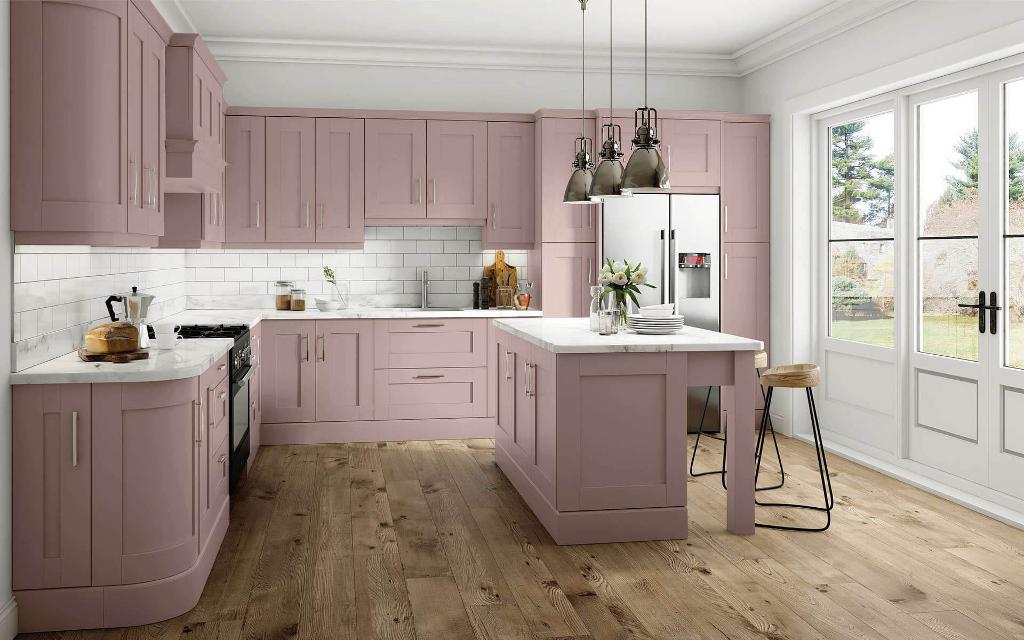
Image Source: www.betterkitchens.co.uk
Fathoming the Standard Upper Cabinet Depth
The cabinet depth standard for upper cabinets is a well-established guideline, but it’s not the only option available. Understanding the reasoning behind these dimensions will help you make informed decisions for your kitchen.
Why 12 Inches? The Logic Behind the Depth
The 12-inch depth for upper cabinets is a carefully considered decision that balances several factors:
- Storage Capacity: A 12-inch depth allows you to store a good number of everyday kitchen items, from plates and bowls to canned goods and small appliances. It offers a practical amount of space without being so deep that items at the back become inaccessible.
- Accessibility: This depth ensures that most items stored within are easily reachable. You won’t have to strain or use special tools to get to what you need.
- Clearance Above Countertops: This is perhaps the most critical factor. The standard kitchen cabinet height above countertops is typically 18 inches. Combining this with a 12-inch deep upper cabinet creates a functional and safe workspace. It allows enough room for prep work, placing appliances like toasters or blenders, and for people to work comfortably without bumping their heads or feeling cramped.
- Aesthetics and Proportion: The 12-inch depth also contributes to the overall visual balance of the kitchen. Deeper cabinets could feel overpowering and make the kitchen seem smaller, while shallower cabinets might not offer enough storage.
Common Kitchen Cabinet Measurements for Upper Cabinets
Beyond depth, other kitchen cabinet measurements are standard for upper cabinets:
- Height: While not our primary focus, common upper cabinet heights include 30 inches, 36 inches, and 42 inches. The height you choose often depends on your ceiling height and how much storage you need.
- Width: Upper cabinets come in a wide range of widths, typically starting from 9 inches and going up to 36 inches or even wider for specialty cabinets. Common widths include 12, 15, 18, 24, 30, and 36 inches. The width is usually dictated by the available wall space and the layout of your kitchen.
Exploring Variations in Upper Cabinet Depth
While 12 inches is the standard, there are situations where you might opt for a different upper cabinet depth. These variations are often driven by specific design needs, storage requirements, or structural limitations.
Shallower Upper Cabinets: When Less Depth is More
Shallow upper cabinets are designed for specific purposes and offer a different set of advantages:
- For Above the Refrigerator: Cabinets placed above a refrigerator are often shallower, typically around 12-15 inches deep. This is because refrigerators themselves have a standard depth, and the cabinet needs to be proportional. Often, these cabinets are used for less frequently accessed items.
- For Smaller Kitchens or Tight Spaces: In very compact kitchens, or where circulation space is limited, shallower upper cabinets can be a practical choice. A 10-inch deep cabinet can still offer useful storage but might feel less intrusive, creating a more open feel.
- Above a Range Hood: While the range hood itself has a certain depth, the cabinets flanking it might be shallower to maintain a cohesive look and to avoid protruding too far into the cooking zone.
- Decorative Purposes: Sometimes, shallower cabinets are chosen for their aesthetic appeal, perhaps to display decorative items or to break up a wall of deeper cabinets.
Table 1: Common Shallow Upper Cabinet Depths and Their Uses
| Cabinet Depth (Inches) | Typical Use Cases | Advantages |
|---|---|---|
| 9-10 | Decorative display, very tight spaces, above microwave | Maximizes walkway space, can create an airy feel |
| 12 | Standard for most upper cabinets, general storage | Good balance of storage and accessibility, common and cost-effective |
| 15 | Above refrigerators, deeper storage needs | Accommodates larger items, can provide more substantial storage |
Deeper Upper Cabinets: Maximizing Storage
While less common, some situations might call for deeper upper cabinets:
- Specialty Storage: If you have a particular need to store larger items like serving platters, large bowls, or small appliances that don’t fit elsewhere, a deeper upper cabinet (e.g., 15 or even 18 inches) might be considered. However, this can impact accessibility and the feeling of space.
- Matching Base Cabinet Depth: In some very specific custom kitchen designs, an attempt might be made to match the base cabinet depth for a unified look. However, this is generally not recommended for upper cabinets due to accessibility and safety concerns.
Important Consideration: When increasing the wall cabinet depth, always consider the impact on accessibility and safety. Items stored in deeper cabinets can be harder to reach, and excessively deep cabinets can feel imposing. It’s also crucial to ensure that the deeper cabinets do not impede the functionality of your countertops or create a safety hazard.
The Relationship Between Upper and Base Cabinet Depths
To fully appreciate upper cabinet depth, it’s helpful to compare it with base cabinet depth.
Standard Base Cabinet Depth
The base cabinet depth is typically 24 inches. This standard depth is also driven by functionality:
- Countertop Support: Standard countertops are usually 25 inches deep, allowing for a 1-inch overhang at the front. The 24-inch deep base cabinet provides solid support for this.
- Storage Capacity: The 24-inch depth allows for generous storage of pots, pans, dishes, and small appliances.
- Appliance Integration: Standard appliances like dishwashers and ovens are designed to fit within or be flush with a 24-inch deep cabinet.
- Ergonomics: This depth provides a comfortable workspace for chopping, preparing, and cooking.
Why the Difference?
The difference in depth between upper (12 inches) and base cabinets (24 inches) is intentional and crucial for kitchen functionality:
- Ergonomics and Workspace: The 18-inch clearance between the countertop and the underside of upper cabinets is a critical ergonomic standard. If upper cabinets were as deep as base cabinets (24 inches), they would significantly reduce the usable workspace above the countertop, making it difficult and potentially dangerous to work.
- Visual Balance: The shallower depth of upper cabinets contributes to a feeling of openness and prevents the kitchen from feeling closed in.
Factors Influencing Your Upper Cabinet Depth Choice
While standards exist, your specific kitchen layout, needs, and aesthetic preferences can influence your final decision on upper cabinet depth.
Measuring Your Kitchen Space Accurately
Before deciding on kitchen cabinet sizes, precise measurements are essential.
- Wall Widths: Measure the total width of the walls where cabinets will be installed.
- Ceiling Height: This will determine the possible heights of your upper cabinets and how much vertical space you have.
- Countertop Depth: Knowing your countertop depth is vital for calculating the appropriate wall cabinet depth to maintain adequate workspace clearance.
- Appliance Placement: Measure the dimensions of any appliances that will be installed near or below upper cabinets, such as microwaves or range hoods.
Considering Your Storage Needs
Think about what you plan to store in your upper cabinets:
- Everyday Dinnerware: Plates, bowls, and glasses usually fit well in standard 12-inch deep cabinets.
- Pantry Items: Canned goods, pasta boxes, and jars are also well-suited for this depth.
- Larger Items: If you frequently store large serving platters, baking dishes, or small appliances like blenders, you might consider slightly deeper cabinets or strategically placed deeper units. However, for accessibility, a 12-inch depth is generally sufficient for most home cooks.
Design and Aesthetics
The depth of your cabinets impacts the overall look and feel of your kitchen:
- Open Concept Kitchens: In open-plan living spaces, shallower upper cabinets can help the kitchen feel more integrated and less visually dominant.
- Traditional vs. Modern Styles: While depth is not the primary style determinant, very deep cabinets might lean towards a more contemporary, minimalist look, whereas shallower cabinets can sometimes offer a more classic or airy feel.
Optimizing Your Kitchen Storage with Different Depths
When designing or renovating your kitchen, you can strategically combine different kitchen cabinet sizes, including varying depths, to optimize functionality and storage.
Creating Zones for Different Storage Needs
- Primary Storage Zone: Most of your everyday items should be housed in standard 12-inch deep cabinets for easy access.
- Occasional Use Zone: Deeper cabinets (if chosen carefully) or cabinets in less trafficked areas can store seldom-used items.
- Display Zone: Shallower cabinets or open shelving can be used to display decorative items, glassware, or cookbooks.
The Importance of Accessibility
No matter the depth you choose, accessibility remains paramount. Consider:
- Reach: Can you comfortably reach items at the front and back of the cabinet?
- Visibility: Are items clearly visible, or do they get lost in the depths?
- Ease of Removal: Can you easily take items out without them catching on other things?
Frequently Asked Questions About Upper Cabinet Depth
Here are some common questions people have about upper cabinet depth:
Q1: What is the standard depth for upper kitchen cabinets?
A1: The most common and standard depth for upper kitchen cabinets is 12 inches.
Q2: Can I have upper cabinets that are deeper than 12 inches?
A2: Yes, you can have upper cabinets that are deeper, such as 15 inches, but it’s less common. You must carefully consider accessibility, workspace clearance, and the overall feel of your kitchen. Deeper cabinets can make the space feel smaller and make it harder to reach items at the back.
Q3: What are shallow upper cabinets used for?
A3: Shallow upper cabinets are typically used in situations where a standard 12-inch depth would be impractical or visually overwhelming. This includes above refrigerators, in very small kitchens, above microwave ovens, or for decorative purposes. They often range from 9 to 10 inches deep.
Q4: How much space should be between the countertop and the upper cabinets?
A4: The standard and recommended clearance between the countertop and the underside of upper cabinets is 18 inches. This provides ample space for working and placing appliances.
Q5: Does the depth of base cabinets affect the depth of upper cabinets?
A5: While they are part of the same kitchen, the base cabinet depth (typically 24 inches) is independent of the upper cabinet depth (typically 12 inches). The crucial factor is maintaining adequate clearance above the countertop, which dictates the maximum practical depth for upper cabinets.
Q6: Are there any regulations regarding kitchen cabinet depths?
A6: While there aren’t strict building codes mandating exact cabinet depths, the 18-inch clearance rule between countertops and upper cabinets is a widely accepted ergonomic and safety standard in kitchen design. Manufacturers produce cabinets in standard sizes that adhere to these practical considerations.
Q7: What is the typical depth for an overhead cabinet in a kitchen?
A7: Similar to other upper cabinets, the typical overhead cabinet depth is 12 inches. This ensures they are proportionate to the wall space and provide functional storage without encroaching on workspace.
Q8: How do I choose the right kitchen cabinet sizes for my kitchen?
A8: Consider your kitchen’s layout, ceiling height, countertop depth, and your specific storage needs. Measure your space accurately and think about what items you’ll be storing. Consulting with a kitchen designer can also be very helpful.
In conclusion, while 12 inches is the go-to upper cabinet depth for most kitchens, understanding the nuances of kitchen cabinet measurements and the reasons behind these standards empowers you to make choices that best suit your home. Whether you’re opting for standard dimensions or considering shallow upper cabinets, prioritizing functionality, accessibility, and aesthetics will lead to a kitchen that is both beautiful and practical.