
Making a Kitchen Kosher: Your Checklist
Can you make a regular kitchen kosher? Yes, a regular kitchen can be made kosher. This process involves a thorough cleaning, the acquisition of new utensils and cookware, and a commitment to adhering to specific Jewish dietary laws, known as kashrut.
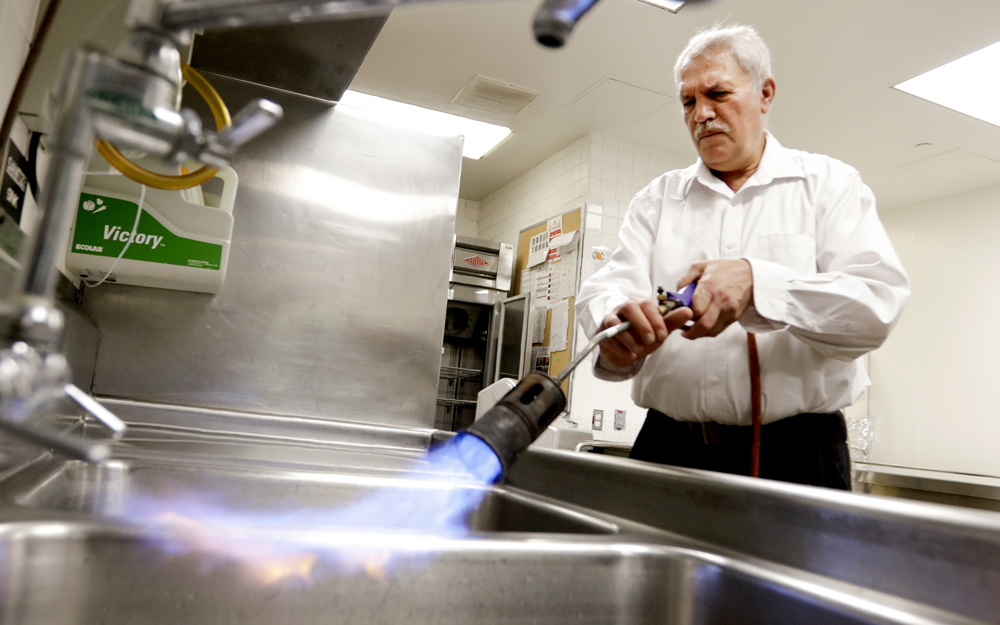
Image Source: www.cedars-sinai.org
What Does Making a Kitchen Kosher Involve?
The journey of making a kitchen kosher is one of intentionality and adherence to ancient laws. It’s about creating a space that honors the principles of kashrut, ensuring that food prepared and consumed within it is permissible according to Jewish tradition. This isn’t just about a deep clean; it’s a transformation, a kosher kitchen conversion, guided by a set of specific kosher kitchen requirements.
The Core Principles of Kashrut in the Kitchen
At its heart, kashrut is about sanctifying the everyday act of eating. The laws are detailed, covering what can be eaten, how food must be prepared, and even how different types of food should be handled to prevent mixing. For a kitchen, this translates into a structured approach to cleanliness, separation, and the use of designated items.
Key Areas of Focus for a Kosher Kitchen Setup
When you embark on making a kitchen kosher, you’re looking at several key areas. These are the pillars that support the integrity of a kosher environment.
- Cleaning and Purifying: A fundamental step is the thorough cleansing of all surfaces and appliances.
- Utensil and Cookware Separation: This is a critical aspect, often involving dedicated sets for dairy and meat.
- Appliance Considerations: Even appliances need to be considered and, in many cases, re-koshered or replaced.
- Food Storage: Proper storage maintains the kosher status of ingredients and prepared foods.
- Ongoing Maintenance: Staying kosher is a continuous practice, not a one-time event.
Step-by-Step: Your Kosher Kitchen Preparation Checklist
Embarking on making a kitchen kosher requires a methodical approach. Here’s a detailed checklist to guide you through the kosher kitchen preparation.
Step 1: Deep Cleaning – The Foundation
Before any new items enter the kitchen, a rigorous cleaning is paramount. This isn’t just about tidiness; it’s about removing any trace of non-kosher food residue.
Thorough Scrubbing of All Surfaces
- Counters: Scrub all counter surfaces thoroughly.
- Walls: Wash down walls, especially around cooking areas.
- Floors: Clean and sanitize the kitchen floor.
- Cabinets and Drawers: Empty and wipe down the insides of all cabinets and drawers.
Re-Koshering Existing Appliances
This is a crucial part of the kosher kitchen conversion. Some items can be made kosher, while others may need replacement.
- Stovetop/Oven:
- Cleaning: A very thorough cleaning is needed. Remove all racks, burners, and grates. Scrub every surface, inside and out.
- Purification (Hagalah/Kashering): For metal or glass surfaces that come into direct contact with food (like oven racks and stovetop grates), a process called “kashering” is required. This typically involves boiling water (libun gamur or libun kal for certain items) or immersing the item in boiling water. This process purifies the item from its previous non-kosher use. For oven interiors, self-cleaning cycles can sometimes suffice after thorough cleaning, but consult a knowledgeable rabbi for specifics.
- Microwave:
- Cleaning: Clean the interior thoroughly, including the turntable and door.
- Kashering: The turntable can often be kashered by immersing it in boiling water. The interior walls can be kashered by heating water in a bowl until it steams profusely, then turning off the microwave and allowing the steam to condense for a period. Again, rabbi consultation is key.
- Dishwasher:
- Cleaning: Run a cleaning cycle with a kosher cleaning agent. Ensure the interior, racks, and filter are clean.
- Kashering: Running a hot cycle with a kosher cleaning agent can often kasher the interior.
- Refrigerator/Freezer:
- Cleaning: Empty and clean all shelves, drawers, and the interior thoroughly.
- Kashering: While direct food contact is minimal, a thorough cleaning is usually sufficient. However, if any non-kosher food came into direct contact with a shelf, that shelf might need specific attention, potentially requiring removal and thorough cleaning.
Sink and Drains
- Cleaning: Scrub the sink and drains thoroughly.
- Kashering: Metal sinks can often be kashered by pouring boiling water over them. For double sinks, ensure each basin can be treated independently.
Step 2: Acquiring Kosher Kitchen Utensils and Cookware
This is where dedicated kosher kitchen utensils become essential. To maintain the separation of meat and dairy, and to ensure all items are free from non-kosher contact, separate sets are needed.
The Importance of Separation
The prohibition of mixing meat and dairy is a cornerstone of kashrut. This means having distinct sets of utensils for each.
- Meat Utensils: Used for meat and pareve (neutral) foods.
- Dairy Utensils: Used for dairy and pareve foods.
- Pareve Utensils: Used for foods that are neither meat nor dairy, and can be used with either meat or dairy, but not simultaneously with both.
What to Look For When Purchasing
When buying new items for your kosher kitchen, look for items that are easy to clean and maintain.
- Material: Stainless steel, glass, and enamel are generally preferred. Avoid porous materials like unsealed wood or certain plastics that can absorb flavors.
- Dedicated Sets: Purchase entirely separate sets of pots, pans, knives, cutting boards, bowls, plates, and silverware for meat and dairy.
- Kosher Certification Marks: For pre-packaged kosher foods, always look for a reliable kosher certification symbol (hechsher) from a reputable organization.
Essential Kosher Kitchen Utensils
- Cutting Boards: Separate boards for meat and dairy (often color-coded).
- Knives: Separate knives for meat and dairy.
- Pots and Pans: At least one set for meat and one for dairy. Consider a separate set for pareve.
- Colanders and Strainers: Separate for meat and dairy.
- Spoons and Spatulas: Separate sets.
- Measuring Cups and Spoons: Separate sets are ideal.
- Mixing Bowls: Separate sets.
- Plates, Bowls, and Cutlery: Separate sets for meat and dairy meals.
Step 3: Establishing a Kosher Kitchen Setup
The layout and organization of your kitchen play a vital role in maintaining its kosher status.
Sink and Dishwashing
- Double Sink: Ideally, a kosher kitchen has two sinks – one for meat and one for dairy. If this isn’t feasible, a single sink can be used, but strict protocols must be followed. This might involve kashering the sink between meat and dairy use or using a wash basin insert.
- Dish Racks: Separate dish racks for meat and dairy items.
- Dish Soap and Sponges: Use separate sponges and perhaps even separate bottles of dish soap or designated wash basins.
Countertops and Preparation Areas
- Designated Zones: Allocate specific areas for meat preparation and dairy preparation.
- Surface Protection: Use mats or trays when preparing meat near dairy areas or vice-versa.
Refrigerator and Freezer Organization
- Shelving: Dedicate specific shelves for meat and dairy products. Consider using separate bins or containers.
- Freezer: Similar organization is recommended for frozen goods.
Oven and Stovetop Usage
- Dedicated Racks: If possible, designate specific racks in the oven for meat and dairy.
- Stovetop Burners: Be mindful of splatter and cross-contamination between meat and dairy cooking.
Step 4: Understanding Kosher Kitchen Rules and Laws
Adhering to kosher kitchen laws is an ongoing commitment. These are the guiding principles that ensure the kitchen remains kosher.
Key Prohibitions and Requirements
- “Lo Basar B’Chalav” (Not Meat in Milk): This is the fundamental rule prohibiting the cooking or eating of meat and dairy together.
- Waiting Periods: There are specific waiting periods required between consuming meat and dairy products (e.g., waiting a set amount of time after eating meat before eating dairy, and vice versa). The exact duration can vary based on custom.
- Utensil Kashering: As mentioned, any utensil that comes into contact with non-kosher food, or mixes meat and dairy, must be properly kashered.
- “Tevilah” (Immersion): Certain new metal or glass utensils must be immersed in a ritual bath (mikvah) before use. This can be done by individuals or through authorized services.
The Role of Pareve
Pareve foods are neutral and can be eaten with either meat or dairy. Examples include fruits, vegetables, grains, and fish (excluding shellfish). However, if a pareve item is processed or cooked with meat or dairy, it can acquire the status of that food category.
Step 5: Kosher Kitchen Certification and Verification
While not always required for home kitchens, understanding kosher kitchen certification is beneficial.
When is Certification Needed?
- Commercial Kitchens: Restaurants, catering halls, and food manufacturers require kosher certification for their operations to be officially recognized as kosher.
- Special Events: If hosting a large event where kosher observance is critical for guests, you might seek guidance from a kosher certifying agency.
What Does Certification Entail?
Kosher kitchen certification involves inspection by a kosher certifying agency or a qualified rabbi. They ensure that all ingredients, equipment, and procedures comply with kosher law. This often includes:
- Ingredient Verification: Checking that all food products used have reliable kosher certification.
- Appliance and Utensil Review: Ensuring proper kashering and separation of equipment.
- Process Oversight: Monitoring preparation methods to ensure no prohibited activities occur.
Maintaining Your Kosher Kitchen
Making a kitchen kosher is a significant undertaking, but maintaining it requires consistent vigilance and adherence to the established rules.
Daily Practices
- Cleanliness: Keep surfaces clean and free from crumbs and spills.
- Dishwashing: Wash meat and dairy dishes separately. Use designated sponges and dish soap.
- Food Storage: Ensure all food is stored appropriately to prevent cross-contamination.
Periodic Checks
- Reviewing Ingredients: Regularly check that all food items in your pantry and refrigerator have reliable kosher certification.
- Utensil Integrity: Periodically inspect your utensils for any damage or signs of wear that might compromise their kosher status.
When in Doubt, Ask!
The world of kashrut can be complex. Never hesitate to consult with a knowledgeable rabbi or a kosher expert if you have questions about specific situations or items. They are invaluable resources for navigating the nuances of kosher kitchen laws.
Common Misconceptions About Kosher Kitchens
Several myths surround the process of making a kitchen kosher.
- Myth: You need to buy all new appliances.
- Fact: Many appliances can be kashered. The key is thorough cleaning and the proper purification process.
- Myth: A kosher kitchen is extremely difficult to maintain.
- Fact: While it requires diligence, with clear rules and good organization, maintaining a kosher kitchen becomes a natural part of daily life.
- Myth: Only Jewish people need kosher kitchens.
- Fact: Many people observe kosher dietary laws for various reasons, including health, ethical, and spiritual motivations.
Frequently Asked Questions (FAQ)
Here are some common questions people have when considering making their kitchen kosher.
Q1: Do I need a separate sink for meat and dairy?
While having two sinks is ideal, it’s not always mandatory. If you have a single sink, you can use it for both by following strict procedures, such as kashering it between uses or using separate wash basins.
Q2: Can I use my existing pots and pans?
Yes, many existing metal and glass pots and pans can be made kosher through a process called “kashering.” This involves thorough cleaning followed by specific purification methods like boiling water immersion or steaming. However, some materials or heavily damaged items may not be suitable for kashering.
Q3: What about wooden cutting boards?
Wooden cutting boards can be problematic because they absorb flavors. If you wish to use them in a kosher kitchen, they typically need to be dedicated solely to either meat or dairy and ideally replaced if they become deeply scored or stained. Many opt for separate plastic or composite cutting boards for meat and dairy.
Q4: How long do I need to wait between eating meat and dairy?
The traditional waiting period between eating meat and dairy varies among different Jewish customs. A common practice is to wait six hours after eating meat before consuming dairy. After dairy, it’s usually sufficient to rinse one’s mouth and eat a neutral food (like bread or fruit) before eating meat. Always consult your rabbi or community’s custom for specific guidance.
Q5: What if I have a gas stove with removable grates?
Removable metal grates can usually be kashered by immersing them in boiling water. The stovetop itself will need a thorough cleaning, and if gas burners are removable, they can also undergo a kashering process.
Q6: Is it okay to have a shared dishwasher?
If you have only one dishwasher, you can kasher it by running it with a kosher cleaning agent on its hottest cycle. However, it’s crucial to ensure that no non-kosher food residue remains inside and that you don’t wash meat and dairy dishes simultaneously in the same load. Some people choose to wash dairy dishes and then kasher the dishwasher before washing meat dishes, or vice versa.
Q7: What are some common kosher certification symbols?
Some of the most widely recognized kosher certification symbols include the OU (Orthodox Union), OK (OK Kosher Certification), Star-K, and Kof-K. There are many other reputable agencies as well. Always look for a symbol you trust from a reliable source.
Making your kitchen kosher is a meaningful journey. By following this checklist and embracing the principles of kashrut, you can create a sacred space for your family’s nourishment.