
What is the standard kitchen countertop height? The standard kitchen countertop height in the United States is 36 inches from the finished floor to the top of the counter. This measurement is a widely accepted norm designed for comfortable and efficient kitchen work.
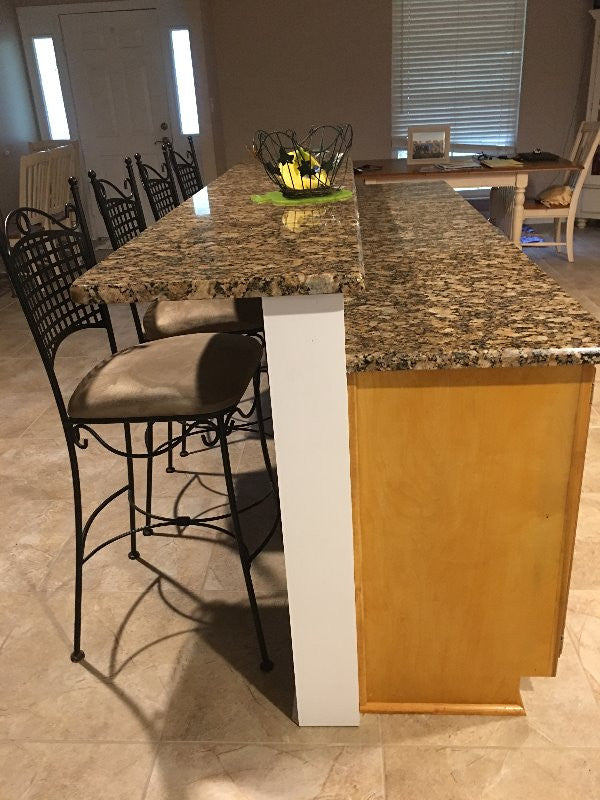
Image Source: originalgranitebracket.com
Deciphering Kitchen Countertop Dimensions
The height of your kitchen countertops is a crucial element in the overall functionality and comfort of your kitchen. While 36 inches is the standard, there’s a world of factors that influence this kitchen counter height. From the average height of individuals to specific tasks performed, counter height dimensions can be surprisingly flexible. Let’s delve into what makes a particular height “standard” and why deviations might be beneficial.
The Genesis of the Standard Countertop Height
The 36-inch standard for standard countertop height wasn’t plucked from thin air. It evolved over time, influenced by ergonomic principles and the changing roles of kitchens in homes. Historically, kitchens were primarily functional spaces for food preparation, often with lower surfaces. However, as kitchens became more integrated into living spaces and cooking became a more recreational activity, the need for a more comfortable and adaptable workspace emerged.
The 36-inch mark generally aligns well with the average height of adults, allowing for comfortable chopping, mixing, and general food preparation without excessive bending or reaching. This height facilitates a relaxed posture, reducing strain on the back and shoulders during extended periods in the kitchen. It’s a height that most people can adapt to reasonably well, making it a safe bet for a wide range of homeowners.
Exploring Average Kitchen Counter Height Variations
While 36 inches is the benchmark, it’s important to note that the average kitchen counter height can see slight variations depending on the manufacturer, the type of cabinetry used, and the materials chosen for the countertop itself. For instance, the thickness of the countertop material (like granite, quartz, or laminate) will add to the overall height from the cabinet base.
Cabinetry as the Foundation
The base cabinets are the literal foundation for your countertops. Standard base cabinets are typically 34.5 inches tall. When a countertop material, often around 1.5 inches thick, is added, it brings the total kitchen counter height to the familiar 36 inches.
- Cabinet Box Height: 34.5 inches
- Countertop Thickness: Typically 1.5 inches
- Total Standard Height: 36 inches
These dimensions create a consistent and predictable workspace that has become the industry standard.
Beyond the Standard: Customizing Your Workspace Height
While the standard is prevalent, it’s far from a one-size-fits-all solution. Many factors can influence the ideal workspace height for your kitchen.
Ergonomic Kitchen Design: A Personal Touch
Ergonomic kitchen design focuses on optimizing the workspace for the user’s comfort and efficiency. This means considering the heights of individuals who will use the kitchen most frequently.
- For Taller Individuals: If the primary cook or cooks are significantly taller than average, raising the countertop height can prevent back strain. A common recommendation is to add 2-3 inches for every 6 inches over 5’8″. For example, someone 6’2″ might find a 37-38 inch countertop more comfortable.
- For Shorter Individuals: Conversely, shorter individuals may benefit from lower countertops. However, significant reductions can make the workspace less ideal for taller visitors or future homeowners. A compromise might be to use thicker countertops on standard base cabinets or to incorporate adjustable elements.
Specific Tasks and Their Impact on Height
Different kitchen tasks can also influence the preferred workspace height.
- Baking: For tasks like kneading dough, a slightly lower surface can be more comfortable, allowing the user to put more body weight into the action.
- Chopping and Prep Work: The standard 36 inches generally works well for most prep tasks.
- Appliance Use: The height of built-in appliances, like ranges with their own countertop-like surfaces, should also be considered to ensure a cohesive and functional workflow.
Countertop Depth: Another Crucial Dimension
It’s not just the height that matters; countertop depth plays a significant role in kitchen usability.
- Standard Depth: The standard countertop depth is typically 25 inches for base cabinets. This allows for adequate clearance in front of appliances and provides a generous work surface.
- Overhang: Most countertops have an overhang, usually 1.5 inches, extending beyond the cabinet face. This overhang makes it easier to open cabinet doors and drawers.
- Clearance: The recommended clearance between countertops on opposing sides of a kitchen work aisle is generally at least 42 inches to allow for comfortable movement, especially when two people are working in the kitchen.
Kitchen Island Height: A Versatile Feature
Kitchen islands often serve multiple purposes, from food preparation to casual dining. This means their kitchen island height can be a point of customization.
- Standard Island Height: Most kitchen islands are built to match the standard countertop height of 36 inches. This ensures a consistent work surface and allows for easy integration with other kitchen elements.
- Multi-Level Islands: Some islands feature multiple levels, incorporating a lower section for food prep and a higher section, perhaps with a bar overhang, for seating. The seating section might be 42 inches high to accommodate standard bar stools.
- Consideration for Seating: If your island will be used for seating, think about the height of the chairs or stools. Standard counter-height stools are designed for 36-inch counters, while bar-height stools are for 40-42 inch surfaces.
Accessibility Countertop Height: Designing for Everyone
Accessibility countertop height is a critical consideration for inclusive design. The Americans with Disabilities Act (ADA) provides guidelines to ensure that kitchens are usable by people with disabilities.
Counter Height ADA Guidelines
The ADA sets specific standards for accessible countertops to accommodate individuals using wheelchairs or with other mobility impairments.
- Minimum Clear Knee Space: There must be a minimum of 27 inches of clear knee space from the floor to the underside of the counter.
- Maximum Countertop Height: The maximum countertop height for an accessible counter is 34 inches. This lower height allows a wheelchair user to comfortably reach and work at the surface.
- Forward Reach: The clear floor space in front of the counter should allow a wheelchair user to approach and maneuver. The reachable surface should be within a comfortable forward or side reach.
- Knee Space Depth: The knee space should be at least 19 inches deep.
These guidelines are not just for public spaces but can be incorporated into residential design to create a truly inclusive home. Implementing accessibility countertop height in a portion of your kitchen, such as a dedicated prep area or a section of the island, can greatly enhance usability for a wider range of people.
Material Matters: How Countertop Thickness Affects Height
The material you choose for your countertops can subtly influence the final kitchen counter height.
| Countertop Material | Typical Thickness (inches) |
|---|---|
| Laminate | 0.75 – 1.5 |
| Solid Surface | 0.5 – 1.5 |
| Quartz | 0.75 – 1.25 |
| Granite | 0.75 – 1.25 |
| Marble | 0.75 – 1.25 |
| Butcher Block | 1.5 – 3 |
| Concrete | 1.5 – 4 |
As you can see, while many materials are around 1.25 to 1.5 inches thick, thicker options like butcher block or concrete can add an extra inch or more to the overall height. If you have your heart set on a thicker material, you may need to adjust the base cabinet height to maintain your desired standard countertop height.
Navigating Customization and Renovation
When embarking on a kitchen renovation or building a new home, paying attention to counter height dimensions is paramount.
Planning for Your Perfect Workspace
- Measure Yourself and Your Household: Stand at your current kitchen counter and assess your comfort level. If you find yourself constantly bending or reaching too high, it’s a clear indicator that a custom height might be beneficial.
- Consider Future Needs: Think about who might use the kitchen in the future. Will children be growing up in this home? Are there elderly relatives who might spend extended periods there?
- Consult with Professionals: Kitchen designers and contractors can provide invaluable insights into ergonomic design and help you plan for custom heights. They can advise on cabinet modifications and ensure that appliances and other fixtures will integrate seamlessly.
Common Mistakes to Avoid
- Ignoring Ergonomics: Sticking to the standard without considering personal comfort can lead to a less enjoyable and potentially less safe kitchen experience.
- Disregarding Appliance Heights: Ensure that your chosen countertop height aligns with the heights of your built-in appliances, such as ovens and dishwashers, for a smooth and level work surface.
- Forgetting Accessibility: If accessibility is a concern, it’s best to integrate ADA guidelines from the outset rather than trying to retrofit later.
The Psychological Impact of Counter Height
Beyond the physical, the perceived height of your kitchen counter height can also influence the feel of your kitchen.
- Higher Counters: Can sometimes make a space feel more formal or sophisticated. They can also contribute to a sense of spaciousness by drawing the eye upward.
- Lower Counters: Might create a more intimate or casual atmosphere. They can also make the kitchen feel more grounded and accessible.
Future Trends in Kitchen Design and Counter Heights
As our lifestyles evolve, so too do kitchen design trends.
- Multifunctional Spaces: Kitchens are increasingly becoming hubs for work, socializing, and entertainment. This trend may lead to more varied and adaptable counter height dimensions, with different zones designed for specific activities.
- Smart Kitchens: Integrated technology might influence how we interact with our countertops, though the fundamental ergonomic needs will likely remain.
- Focus on Wellness: Greater emphasis on health and well-being could further drive interest in ergonomic kitchen design, encouraging personalized workspace height solutions.
Making the Right Choice for Your Kitchen
Ultimately, the “right” kitchen counter height is the one that best suits your needs and preferences. While the 36-inch standard is a reliable starting point, don’t be afraid to explore customization options.
- Test Drive Heights: If possible, try out kitchens with different countertop heights. Visit showrooms and experiment with how it feels to chop, prepare food, and stand at various levels.
- Prioritize Comfort and Safety: Your kitchen should be a place of joy, not discomfort or strain. Making informed decisions about counter height dimensions contributes significantly to this.
By carefully considering the average kitchen counter height, the principles of ergonomic kitchen design, accessibility countertop height guidelines, and your personal requirements, you can create a kitchen that is both beautiful and supremely functional for years to come. The countertop depth and kitchen island height are also key components of this functional puzzle, all contributing to a well-designed and inviting culinary space.
Frequently Asked Questions (FAQ)
Q1: Can I change my existing countertop height?
Yes, you can change your existing kitchen counter height, but it usually involves more than just swapping out the countertop. You’ll likely need to adjust or replace the base cabinets to achieve a different height. Alternatively, you can add a thicker countertop material to slightly increase the height, or consider adding a thick decorative edge to existing countertops.
Q2: What is the standard height for a kitchen island?
The standard kitchen island height is typically 36 inches, matching the main kitchen countertops. However, islands can also be designed with varying heights to accommodate different functions, such as a raised section for bar seating at 42 inches.
Q3: Is 36 inches the only standard countertop height?
In the United States, 36 inches is the most common standard countertop height. However, other countries may have different standards. It’s also important to remember that “standard” refers to the most common, not necessarily the ideal for everyone.
Q4: How do I determine the best workspace height for me?
To determine the best workspace height, stand in front of your current counter. Your elbow should be bent at roughly a 90-degree angle when your hand is resting on the surface. If you’re consistently bending over or reaching too high, you may need to adjust the height. Consider the heights of everyone who will regularly use the kitchen.
Q5: What are the counter height dimensions for ADA compliance?
For ADA compliance, the maximum countertop height is 34 inches, with a minimum of 27 inches of clear knee space from the floor to the underside of the counter. This is designed to accommodate wheelchair users.
Q6: Does countertop depth affect usability?
Yes, countertop depth significantly impacts usability. A standard depth of 25 inches for base cabinets with a 1.5-inch overhang provides a good work surface and adequate clearance. Too little depth can make it difficult to place appliances or have enough room to work.
Q7: How does ergonomic kitchen design relate to countertop height?
Ergonomic kitchen design prioritizes comfort and efficiency. Countertop height is a key element, as the correct height minimizes strain on the back, shoulders, and arms during cooking and food preparation.
Q8: What is counter height ADA?
Counter height ADA refers to the specific requirements set by the Americans with Disabilities Act for countertop heights to ensure accessibility for people with disabilities, particularly those using wheelchairs. This includes maximum height limitations and requirements for knee space.