
So, you’re thinking about giving your kitchen cabinets a fresh new look with a coat of paint? A fantastic idea! But before you dive in, you’re probably asking: How long does it take to paint kitchen cabinets? The answer is it can vary quite a bit, but generally, you can expect anywhere from 4 to 10 days for a DIY project, and often a bit quicker with professional help. This timeframe includes prep, painting, and drying, which are all crucial steps for a lasting finish.
Let’s break down the factors that influence the cabinet painting time and explore what you can expect for your own cabinet makeover time. Whether you’re a seasoned DIYer or considering hiring a professional, knowing the kitchen cabinet refinishing duration will help you plan and manage expectations. We’ll also touch on the professional cabinet painting cost to give you a full picture.
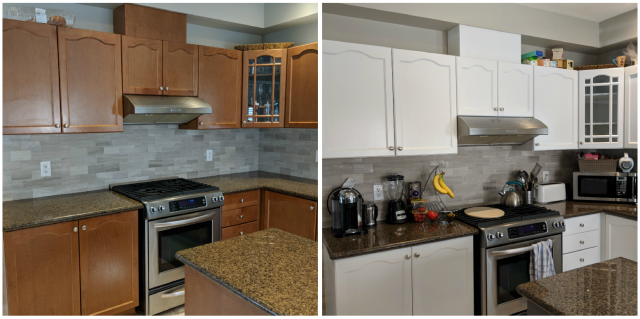
Image Source: www.paintmycabinets.ca
Fathoming the Kitchen Cabinet Refinishing Duration: What’s Involved?
Painting kitchen cabinets is not a weekend warrior’s quick fix. It’s a multi-step process that requires patience and precision. Each stage contributes to the final, beautiful outcome. The time to paint kitchen cabinets is directly related to the thoroughness of each step.
Here’s a look at the key phases that add to the overall cabinet painting time:
1. Preparation: The Foundation of a Great Finish
This is arguably the most time-consuming, yet most important, part of the entire process. Skipping or rushing prep work is a surefire way to end up with a less-than-perfect paint job.
- Removing Cabinet Doors and Hardware: This seems straightforward, but it can take time. You need to carefully remove each door, drawer front, and all the hardware (hinges, knobs, pulls). For a standard-sized kitchen, this could easily take 2-4 hours.
- Cleaning: Cabinets are prone to grease and grime, especially in a kitchen. A thorough cleaning is essential to remove any residues that could prevent paint from adhering. This involves using a degreaser and wiping down every surface. Allow 2-4 hours for this.
- Sanding: Sanding creates a smooth surface for the primer and paint to adhere to. You’ll need to sand all surfaces you plan to paint. For a smooth finish, many recommend sanding with a fine-grit sandpaper (around 120-220 grit). Don’t forget to sand the edges and corners! This step can add 4-8 hours to your cabinet makeover time.
- Repairing Imperfections: Fill any holes, dents, or gouges with wood filler. Once dry, you’ll need to sand these areas smooth. This adds another 1-2 hours.
- Masking and Protecting: This is where you protect areas you don’t want painted. This includes countertops, walls, floors, appliances, and anything else in your kitchen. Using painter’s tape and plastic sheeting is vital. Proper masking can take 3-6 hours.
Total Estimated Prep Time: 12 – 20 hours
2. Priming: The Crucial First Layer
Primer is essential for good adhesion and provides a uniform base for your paint color. It also helps block stains and imperfections.
- Application: You’ll typically apply one or two coats of primer. Use a high-quality bonding primer, especially if you’re painting over laminate or a slick surface.
- Drying Time: Each coat of primer needs adequate drying time. Check the product’s label, but generally, allow 4-8 hours between coats, and at least 12-24 hours before applying the first coat of paint.
Total Estimated Priming Time (including drying): 8 – 24 hours
3. Painting: The Color Transformation
This is where your cabinets start to look brand new! The painting cabinet doors time is a significant part of the process, especially if you’re aiming for a smooth, professional finish.
- Application: You’ll likely apply two to three thin, even coats of paint. Using a high-quality cabinet paint (like an enamel or acrylic latex) is recommended. You can use a brush for corners and edges, and a foam roller or sprayer for the larger surfaces of the doors and drawer fronts. Spraying can be faster but requires significant setup and practice.
- Drying Time Between Coats: Just like primer, each coat of paint needs to dry before applying the next. This usually means waiting 4-8 hours between coats.
- Curing Time: This is often overlooked but crucial for durability. While paint feels dry to the touch relatively quickly, it takes days, or even weeks, for paint to fully cure and harden. Avoid heavy use of the cabinets during this time.
Total Estimated Painting Time (including drying between coats, excluding full cure): 12 – 36 hours
4. Reassembly: Bringing It All Back Together
Once the paint is dry enough to handle, it’s time to reattach the doors, drawers, and hardware.
- Reattaching Hardware: Screwing in knobs and pulls.
- Rehanging Doors and Drawer Fronts: This requires aligning hinges and ensuring drawers slide smoothly. This can take 2-4 hours.
Total Estimated Reassembly Time: 2 – 4 hours
Calculating the Total Cabinet Painting Time: DIY vs. Professional
Let’s put it all together to get a clearer picture of the cabinet painting time.
| Task | Estimated Time (DIY) | Notes |
|---|---|---|
| Removal & Hardware | 2-4 hours | Careful handling prevents damage. |
| Cleaning | 2-4 hours | Degreaser is your best friend. |
| Sanding | 4-8 hours | Essential for adhesion. |
| Repairs | 1-2 hours | Filling and sanding. |
| Masking & Protection | 3-6 hours | Protect your kitchen! |
| Priming (Application) | 2-4 hours | One or two coats. |
| Priming (Drying) | 4-8 hours | Crucial to wait for proper drying. |
| Painting (Application) | 4-8 hours | Two to three thin coats. |
| Painting (Drying Between) | 8-16 hours | Waiting for touch-dry between coats. |
| Reassembly | 2-4 hours | Reattaching everything. |
| Total Estimated DIY Time | 32 – 54 hours | This is active working time, not including the longer drying/curing periods. |
When you factor in drying and curing times, especially overnight drying between coats, a realistic DIY cabinet painting timeline for a standard kitchen can easily stretch across 4 to 10 days, assuming you dedicate significant time each day. If you work on it part-time, it could be spread over 2-3 weeks.
Professional Cabinet Painting Cost and Time
Professional cabinet painters have the experience, tools, and techniques to complete the job efficiently and to a high standard. While you pay for their expertise, it can save you significant time and ensure a superior finish.
- Time Savings: Professionals can often complete a cabinet painting job in 2 to 5 days. They may work on multiple steps simultaneously (e.g., spraying doors off-site while prepping cabinets in place) and have access to faster-drying, professional-grade products.
- Professional Cabinet Painting Cost: The professional cabinet painting cost can range from $3,000 to $7,000 or more for a standard kitchen. This includes labor, materials, and the expertise to achieve a durable, factory-like finish. The cost is influenced by kitchen size, cabinet complexity, paint quality, and the chosen finish.
Factors Affecting Cabinet Painting Time
Several variables can significantly alter the time estimate for cabinet repaint. It’s not just about the size of your kitchen; it’s about the details.
Kitchen Size and Number of Cabinets
- More Cabinets = More Time: A larger kitchen with more cabinets, drawers, and decorative elements will naturally take longer to paint. The painting cabinet doors time increases proportionally.
- Layout Complexity: Kitchens with intricate layouts, island cabinets, or tall pantry units will add to the cabinet painting time.
Cabinet Material and Current Finish
- Wood vs. Laminate: Natural wood cabinets often require less intensive prep than laminate or thermofoil cabinets, which can be trickier to get paint to adhere to properly. Laminate cabinets may need specialized primers or more thorough sanding, increasing the kitchen cabinet refinishing duration.
- Existing Finish: If cabinets are already painted, the quality of that paint job matters. If the old paint is chipping or peeling, more extensive scraping and sanding will be needed, extending your DIY cabinet painting timeline.
Desired Finish and Paint Type
- Number of Coats: Achieving a deep, rich color or a smooth, high-gloss finish might require more coats of paint than a lighter color or a matte finish. This directly impacts cabinet painting time.
- Paint Quality: Higher-quality paints often provide better coverage, meaning fewer coats may be needed. However, they might also have longer drying and curing times.
- Spraying vs. Rolling/Brushing: Spraying is generally faster for application, but the prep for spraying (masking, ventilation) can be extensive. Rolling and brushing offer more control but can be slower, especially for achieving a smooth finish.
DIY Skill Level and Tools
- Experience: If you’re new to painting, especially fine furniture or cabinets, you’ll likely work slower as you learn.
- Tools: Having the right tools, like a good quality paint sprayer, can significantly speed up the process. However, mastering a sprayer takes practice and can initially slow you down if you’re not experienced.
Drying and Curing Times
- Environmental Factors: Humidity and temperature can affect drying times. In humid or cold conditions, paint may take longer to dry between coats.
- Patience: Rushing the drying process between coats can lead to an uneven finish, drips, and adhesion problems. This is where cabinet painting time can extend due to the need for patience.
A Realistic Time Estimate for Cabinet Repaint: Breaking It Down
Let’s look at a typical time estimate for cabinet repaint for a moderately sized kitchen (around 15-20 doors and drawer fronts) with a DIY approach.
- Day 1: Preparation
- Morning: Remove all doors, drawers, and hardware.
- Afternoon: Clean all cabinet surfaces thoroughly.
- Evening: Begin sanding doors and drawer fronts.
- Day 2: More Prep and Priming
- Morning: Finish sanding cabinet frames and touch up any repairs.
- Afternoon: Apply the first coat of primer to cabinet frames.
- Evening: Apply the first coat of primer to doors and drawer fronts.
- Day 3: Priming and Light Sanding
- Morning: Allow primer to dry completely. Lightly sand primed surfaces for smoothness.
- Afternoon: Apply the second coat of primer to doors and drawer fronts.
- Evening: Apply the second coat of primer to cabinet frames.
- Day 4: Painting – First Coats
- Morning: Allow primer to dry. Lightly sand again if needed.
- Afternoon: Apply the first coat of paint to cabinet frames.
- Evening: Apply the first coat of paint to doors and drawer fronts.
- Day 5: Painting – Second Coats
- Morning: Allow paint to dry. Lightly sand if needed (very fine grit).
- Afternoon: Apply the second coat of paint to cabinet frames.
- Evening: Apply the second coat of paint to doors and drawer fronts.
- Day 6: Painting – Third Coats (if needed) and Drying
- Morning: Allow paint to dry. Lightly sand if needed.
- Afternoon: Apply a third coat of paint if desired for better coverage or finish.
- Evening: Allow everything to dry thoroughly.
- Day 7: Reassembly
- Morning: Reattach hardware to doors and drawer fronts.
- Afternoon: Carefully rehang doors and reinsert drawer fronts.
- Evening: Clean up the work area.
This schedule assumes you are dedicating several hours each day to the project and that drying times are as expected. If you have a larger kitchen, intricate cabinet designs, or encounter unexpected issues, this DIY cabinet painting timeline can easily extend.
Making an Informed Decision: DIY vs. Professional
When considering the time to paint kitchen cabinets, it’s also important to weigh the pros and cons of tackling it yourself versus hiring a professional.
DIY Cabinet Painting: Pros and Cons
Pros:
- Cost Savings: The primary advantage is saving money compared to professional services.
- Personal Satisfaction: The pride of accomplishment in transforming your own kitchen.
- Control: You dictate the pace and can make adjustments as you go.
Cons:
- Time Commitment: It’s a significant time investment, often more than initially anticipated.
- Labor Intensive: The process is physically demanding, involving sanding, painting, and lifting.
- Risk of Mistakes: Inexperience can lead to errors that are difficult to fix and affect the final appearance.
- Potential for Lower Quality Finish: Achieving a smooth, durable, factory-like finish is challenging for beginners.
Professional Cabinet Painting: Pros and Cons
Pros:
- Time Efficiency: Significantly faster completion of the project.
- Professional Quality Finish: Experts ensure a smooth, durable, and flawless result.
- Convenience: They handle all the prep, painting, and cleanup.
- Expertise: They know the best products and techniques for different cabinet types.
Cons:
- Higher Cost: The professional cabinet painting cost is considerably more than DIY materials.
- Less Control: You have less direct involvement in the day-to-day process.
- Scheduling: You need to coordinate with the professional’s availability.
Frequently Asked Questions (FAQ)
Q1: How long does it actually take to paint kitchen cabinets yourself?
For a DIY project, expect the entire process, including prep, painting, and reassembly, to take anywhere from 4 to 10 days of active work, spread out over a few weeks to allow for drying. The total active working hours can be between 30-50 hours.
Q2: Can I paint my kitchen cabinets in just a weekend?
It’s highly unlikely to achieve a quality, durable paint job in a single weekend. The extensive prep work, multiple coats of primer and paint, and crucial drying times between each step make it a multi-day project.
Q3: How long should I wait between coats of paint on cabinets?
Generally, you should wait 4 to 8 hours between coats of paint. Always check the specific product’s instructions, as some paints may require longer or shorter drying times. Waiting too little can cause issues with adhesion and finish.
Q4: What is the longest part of painting kitchen cabinets?
The longest part is often the preparation stage, which includes cleaning, sanding, repairing, and masking. It’s tedious but absolutely vital for a good outcome. The drying times between multiple coats of primer and paint also contribute significantly to the overall cabinet painting time.
Q5: Is professional cabinet painting worth the cost?
If you value your time, want a flawless finish, and are concerned about achieving professional results yourself, then professional cabinet painting is often worth the professional cabinet painting cost. They have the skills and equipment to deliver a durable, high-quality result that can last for years.
Q6: How long does it take to paint just the cabinet doors?
Painting cabinet doors time is a significant portion of the overall project. For a standard kitchen with 15-20 doors, you might spend 10-20 hours just on prepping, priming, and painting the doors and drawer fronts, depending on your chosen method (brushing/rolling vs. spraying).
Q7: How long until I can use my kitchen cabinets normally after painting?
While cabinets might feel dry to the touch after 24-48 hours, the paint needs to fully cure for maximum durability. It’s best to wait at least 7 days (and ideally up to 30 days) before heavily using or cleaning the cabinets to prevent chipping or damage. During this kitchen cabinet update duration, be extra gentle.
Conclusion: Planning for Your Cabinet Makeover Time
Deciding to paint your kitchen cabinets is a significant project that can dramatically refresh your space. By thoroughly understanding the cabinet painting time, the essential steps involved, and the factors that influence the duration, you can set realistic expectations. Whether you choose the DIY route or opt for professional services, patience and attention to detail are key to achieving a beautiful and lasting result for your kitchen cabinet update duration. The time estimate for cabinet repaint will always be an approximation, but by following best practices, you’ll be well on your way to enjoying your newly painted kitchen.