
Figuring out how many kitchen cabinets you need involves looking at your kitchen’s size, how much stuff you have, and what you plan to do in your kitchen. Generally, for a standard-sized kitchen, most people will need a mix of base and wall cabinets.
Planning your kitchen remodel cabinets requires a thoughtful approach to kitchen cabinet quantity. It’s not just about filling empty spaces; it’s about creating functional zones and maximizing kitchen storage solutions. This guide will help you navigate the process of determining cabinet needs, ensuring you get the right cabinet space calculation for your dream kitchen. We’ll delve into how much cabinet space is truly necessary and provide practical steps for estimating kitchen cabinets.
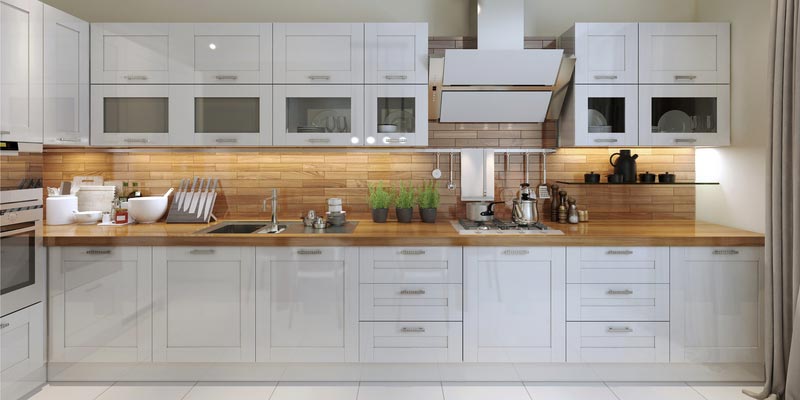
Image Source: topscabinet.net
Fathoming Your Kitchen’s Storage Needs
The first step in estimating kitchen cabinets is to assess your current situation. What are you storing? How much of it is there? Are there items you’d like to store that you currently can’t?
What You Store Matters
Think about all the categories of items that live in your kitchen:
- Cookware: Pots, pans, lids, baking sheets.
- Dishware: Plates, bowls, mugs, glasses.
- Utensils: Cooking utensils, cutlery, serving spoons.
- Small Appliances: Toaster, blender, mixer, coffee maker.
- Food Storage: Canned goods, dry goods, spices, pantry staples.
- Linens: Dish towels, oven mitts, placemats.
- Cleaning Supplies: Dish soap, sponges, trash bags.
- Specialty Items: Serving platters, rarely used gadgets.
Consider the volume of each category. Do you have a large family and therefore a lot of dishes? Are you a baker with many specialty ingredients and tools? Your answers will directly influence your cabinet requirements.
Assessing Your Current Storage
Take stock of your existing cabinets. What’s working well? What’s missing?
- Too little space: Are items overflowing onto countertops? Is your pantry a disaster zone?
- Inefficient space: Do you have deep cabinets where smaller items get lost? Are drawers more useful than deep shelves?
- Poor organization: Are you constantly digging for what you need?
This assessment helps you identify not just the quantity of cabinets, but also the type of cabinets that will best serve your needs. For example, if you have many small appliances, you might prioritize cabinets with pull-out shelves or deeper drawers.
Measuring Your Kitchen Space
Once you know what you need to store, you need to understand the physical constraints of your kitchen. Accurate measurements are crucial for effective cabinet layout planning.
Basic Kitchen Dimensions
You’ll need to measure:
- Wall lengths: Measure the length of each wall where cabinets will be installed.
- Ceiling height: This is important for determining the height of wall cabinets.
- Window and Door openings: Note their exact dimensions and locations. These will dictate where cabinets cannot go.
- Appliance locations: Measure the space for your refrigerator, range, dishwasher, and any other built-in appliances. You’ll need specific clearances around these.
- Obstructions: Note any radiators, vents, pipes, or electrical outlets that might affect cabinet placement.
Creating a Floor Plan
A simple floor plan is invaluable. You can draw this by hand or use free online tools.
- Draw the room: Sketch the outline of your kitchen, marking doors and windows.
- Mark appliances: Place your existing or planned appliances on the plan.
- Consider workflow: Think about the “kitchen work triangle” (sink, stove, refrigerator). Cabinets should support this flow, not hinder it.
- Identify zones: Designate areas for cooking, prep, cleaning, and storage.
This visual representation helps you see how much wall space is available for cabinets and where they logically fit. This is a critical part of cabinet layout planning.
Standard Kitchen Cabinet Sizes and Types
Knowing standard kitchen cabinet sizes is essential when planning your cabinet layout planning. This helps you visualize how different cabinet configurations will fit into your measured space and meet your cabinet requirements.
Base Cabinets
These sit on the floor and support countertops. They typically range from 24 to 36 inches in height (excluding the countertop) and 12 to 42 inches in width. Depth is usually around 24 inches.
- Standard Widths: 12″, 15″, 18″, 21″, 24″, 27″, 30″, 33″, 36″, 42″
- Common Depths: 24″ (standard), 12″ or 15″ (shallow base)
- Standard Heights: 34.5″ (to fit under a standard 36″ countertop)
Common Base Cabinet Types:
- Sink Base Cabinets: These are specifically designed to accommodate a sink and plumbing. They are usually wider (e.g., 30″, 33″, 36″).
- Drawer Base Cabinets: Feature drawers for easy access to utensils, linens, and small items.
- Door and Drawer Base Cabinets: A common configuration with a door on top and drawers below.
- Corner Base Cabinets: Designed to maximize space in corners, often with rotating shelves or pull-out mechanisms.
Wall Cabinets (Upper Cabinets)
These hang on the wall above the base cabinets. Standard depths are usually 12 to 15 inches.
- Standard Widths: 12″, 15″, 18″, 21″, 24″, 27″, 30″, 33″, 36″
- Common Depths: 12″ or 15″
- Standard Heights: 30″, 36″, 42″ (height can vary based on ceiling height and desired clearance above the countertop). The typical distance between base cabinets and wall cabinets is 18 inches.
Common Wall Cabinet Types:
- Standard Wall Cabinets: Simple cabinets with doors.
- Easy-Access Corner Cabinets: Similar to base corner cabinets, designed for corner spaces.
- Vented Wall Cabinets: Designed to house range hoods.
- Appliance Garage Cabinets: Shorter cabinets designed to hide appliances.
- Open Shelving: For display or easy access.
Specialty Cabinets and Accessories
Beyond standard units, consider these to enhance your kitchen storage solutions:
- Pantry Cabinets: Tall, deep cabinets for storing food items. These are crucial for maximizing how much cabinet space you have for groceries.
- Pull-out Shelves/Drawers: Can be installed in base cabinets to make them more accessible.
- Spice Racks: Narrow pull-out units for spices.
- Trash/Recycling Pull-outs: Integrated bins within a base cabinet.
- Corner Lazy Susans or Pull-outs: To make corner cabinets functional.
Calculating Your Kitchen Cabinet Quantity: Step-by-Step
Now let’s put it all together to get an idea of your kitchen cabinet quantity. This is a process of cabinet space calculation.
Step 1: Map Out Your Layout
Using your floor plan and measurements, start sketching where you envision cabinets.
-
Base Cabinets:
- Run base cabinets along all available wall space, leaving room for the stove, refrigerator, and dishwasher.
- Account for sink base cabinets.
- Include corner base cabinets if needed.
- If you have an island, plan the base cabinets for it.
-
Wall Cabinets:
- Place wall cabinets above base cabinets, leaving the standard 18-inch clearance for the backsplash.
- Consider the height you want for your wall cabinets. If you have high ceilings, 42-inch cabinets can maximize vertical space. If you prefer a more open feel, you might opt for shorter cabinets or more shelving.
- Plan for vent hood placement.
Step 2: List Cabinet Types and Sizes
Start creating a list of the specific cabinet types and their standard sizes that you’ll need.
Example Calculation:
Let’s say you have a kitchen with these features:
- One wall is 10 feet (120 inches) long. You want base cabinets along this entire wall, except for a 30-inch gap for a range.
- This leaves 120″ – 30″ = 90 inches for base cabinets.
- You could use a 36″ base cabinet, a 30″ base cabinet, and an 24″ base cabinet (36 + 30 + 24 = 90).
- You’ll need a 30-inch space for your range, which doesn’t require a cabinet.
- You’ll also need a 24-inch dishwasher space.
- If you have a 36-inch sink, you’ll need a 36-inch sink base cabinet.
- You have a corner. A common corner solution uses a 36″ x 36″ corner base cabinet (which actually covers 36″ of wall space on each adjacent wall).
- You want wall cabinets above the base cabinets. For the 90 inches of base cabinets, you might use a 36″ wall cabinet, a 30″ wall cabinet, and a 24″ wall cabinet.
Here’s a sample list for a hypothetical kitchen:
| Cabinet Type | Width (inches) | Height (inches) | Depth (inches) | Quantity | Notes |
|---|---|---|---|---|---|
| Base Cabinet | 36 | 34.5 | 24 | 1 | Standard base |
| Base Cabinet | 30 | 34.5 | 24 | 1 | Standard base |
| Base Cabinet | 24 | 34.5 | 24 | 1 | Standard base |
| Sink Base Cabinet | 36 | 34.5 | 24 | 1 | For a 36″ sink |
| Corner Base Cabinet | 36 x 36 | 34.5 | 24 | 1 | Covers 36″ on each adjoining wall |
| Wall Cabinet | 36 | 36 | 12 | 1 | Above standard base |
| Wall Cabinet | 30 | 36 | 12 | 1 | Above standard base |
| Wall Cabinet | 24 | 36 | 12 | 1 | Above standard base |
| Corner Wall Cabinet | 30 x 30 | 36 | 12 | 1 | For corner space |
| Pantry Cabinet | 18 | 84 | 24 | 2 | For pantry storage, use full height |
| Appliance Garage | 24 | 24 | 15 | 1 | Countertop appliance storage |
| Drawer Base Cabinet | 30 | 34.5 | 24 | 1 | For utensils and smaller items |
This is just an example. Your specific needs will determine the exact quantities and sizes.
Step 3: Consider Storage Efficiency and Special Features
Don’t just count boxes. Think about how each cabinet will be used.
- Drawers vs. Doors: For base cabinets, drawers are often more efficient for storing pots, pans, and dishes, as they allow full access.
- Pull-out Shelves: If you opt for cabinets with fixed shelves, consider adding pull-out shelves to improve accessibility, especially for deeper cabinets.
- Corner Solutions: Lazy Susans, pull-out shelves, or specialized corner cabinets significantly improve how much cabinet space is usable.
- Pantry Space: If you have a lot of food items, a dedicated pantry cabinet or a bank of deep drawers can make a huge difference in your kitchen storage solutions.
- Appliance Storage: Where will your microwave, mixer, or toaster live? Dedicated cabinets can keep countertops clear.
When you’re determining cabinet needs, think about the functionality of each piece. A well-designed cabinet, even if slightly smaller, can be more useful than a large, awkward one.
Refinement and Professional Help
Once you have a preliminary count and layout, it’s time to refine.
Reviewing Your Needs
Look at your list:
- Is it enough? Do you still anticipate needing more storage than your current estimate?
- Is it too much? Are there areas where you could have open shelving or a different storage solution to avoid an overly cabinet-heavy kitchen?
- Does it fit? Double-check your measurements and how standard cabinet sizes will fit into your available space. Remember that filler strips are often used to make cabinets fit perfectly between walls or appliances.
Working with Cabinet Professionals
For kitchen remodel cabinets, consulting with a kitchen designer or cabinet supplier is highly recommended. They can:
- Verify measurements: Ensure accuracy.
- Suggest efficient layouts: Help you optimize cabinet layout planning.
- Recommend cabinet types: Guide you on the best kitchen storage solutions for your needs.
- Create detailed drawings: Visualize the final look and functionality.
- Provide quotes: Offer pricing based on your cabinet requirements.
They are experts in cabinet space calculation and can help you avoid costly mistakes. They also know the intricacies of standard kitchen cabinet sizes and how they can be combined to create a cohesive and practical kitchen.
Factors Influencing Cabinet Quantity
Several factors can sway your final kitchen cabinet quantity.
Kitchen Size and Layout
- Small Kitchens: Focus on maximizing every inch. Consider taller wall cabinets, efficient drawer bases, and multi-functional cabinets. Corner solutions are paramount.
- Large Kitchens: You have more flexibility. You might dedicate a wall to pantry cabinets or include a large island with extensive storage. You can also incorporate more open shelving.
- Galley Kitchens: Often require cabinets along both walls, demanding careful planning to avoid feeling cramped.
- L-Shaped or U-Shaped Kitchens: These naturally lend themselves to more cabinet placement.
Your Lifestyle and Cooking Habits
- Home Chef: You’ll need ample space for cookware, spices, and specialty ingredients. Think deep drawers, pull-out pantries, and accessible spice racks.
- Minimalist: You might need less cabinet space if you prioritize a clean, uncluttered look and only keep essential items.
- Family Kitchen: Consider storage for kids’ dishes, snacks, and baking supplies. Easy-access drawers can be very helpful.
Budget
The more cabinets you have, the higher the cost. It’s important to balance your storage needs with your budget when estimating kitchen cabinets. Sometimes, opting for a few key storage solutions like pull-out shelves can be more cost-effective than adding entire cabinet units.
Common Pitfalls to Avoid
When determining cabinet needs, be aware of these common mistakes:
- Not Measuring Accurately: This is the most critical error. Incorrect measurements lead to cabinets that don’t fit.
- Underestimating Storage Needs: It’s better to have a little extra cabinet space than not enough. You can always optimize existing space, but adding cabinets later is expensive and disruptive.
- Ignoring Workflow: Placing cabinets in a way that interrupts the natural movement between the sink, stove, and refrigerator.
- Forgetting About Backsplash Space: Ensure you leave enough room for your backsplash material between base and wall cabinets.
- Not Planning for Accessories: Forgetting to account for specialized cabinets like trash pull-outs or specific appliance storage can lead to inefficiencies later.
FAQs About Kitchen Cabinet Quantity
Q1: How do I calculate the linear feet of cabinets I need?
To calculate the linear feet, measure the length of each wall where you plan to install cabinets. Add up these measurements. Remember to subtract any openings for appliances, windows, or doors. This gives you a rough idea of the total cabinet run length.
Q2: Can I use fewer cabinets and more open shelving?
Yes, you can. Open shelving can be a great way to display items or store frequently used dishes, potentially reducing the number of enclosed cabinets needed. However, it also requires more tidiness and can accumulate dust. Balance enclosed cabinets with open shelving to meet your cabinet requirements.
Q3: What is the standard spacing between base and wall cabinets?
The standard spacing between the countertop of base cabinets and the bottom of wall cabinets is typically 18 inches. This provides adequate working space and room for a backsplash.
Q4: How much cabinet space is considered “enough”?
“Enough” is subjective and depends on your lifestyle, the size of your household, and your cooking and entertaining habits. A good starting point is to assess what you currently own and need to store, and then add a buffer for future needs or a desire for better organization. A professional can help you gauge appropriate cabinet space calculation.
Q5: Should I prioritize drawers or shelves in my base cabinets?
For most people, drawers in base cabinets offer superior accessibility and organization. They allow you to see and reach everything easily. While shelves can be cheaper, they often lead to lost space and items being hard to find. Consider using drawers for frequently accessed items.
Q6: How do I account for corner cabinets in my calculation?
Corner cabinets are tricky. Standard corner base cabinets often measure 36″x36″ or 42″x42″, meaning they take up that much wall space on each adjoining wall. Specialty corner cabinet mechanisms, like lazy Susans or pull-out shelves, also occupy specific dimensions within the corner. Always check the manufacturer’s specifications for exact measurements. This is part of careful cabinet layout planning.
Q7: What are the most common kitchen cabinet sizes?
Common base cabinet widths are 12″, 15″, 18″, 21″, 24″, 27″, 30″, 33″, and 36″. Common wall cabinet widths are similar. Heights for wall cabinets typically range from 30″ to 42″, and base cabinet heights are usually 34.5″ to fit under a standard 36″ countertop. These standard kitchen cabinet sizes are a starting point for cabinet space calculation.
Q8: Do I need a cabinet for my dishwasher?
Yes, a dishwasher requires a dedicated cabinet space, typically 24 inches wide and 24 inches deep, with a standard height to fit beneath the countertop. This space needs to be plumbed and wired for the appliance.
By following these steps and considering your unique needs, you can confidently approach the task of estimating kitchen cabinets and ensure your kitchen remodel cabinets provide the functionality and aesthetic you desire. Accurate cabinet space calculation and thoughtful cabinet layout planning are key to achieving efficient kitchen storage solutions and meeting your cabinet requirements.