
Deciding on the kitchen island lighting quantity is crucial for both function and style. Generally, for most kitchen islands, two or three pendant lights are the most common and aesthetically pleasing choices. However, the exact number of pendant lights for island setups depends on several factors, including the island’s size, the style of the fixtures, and the overall kitchen design. This guide will help you navigate the decisions to achieve the ideal number of kitchen island lights.
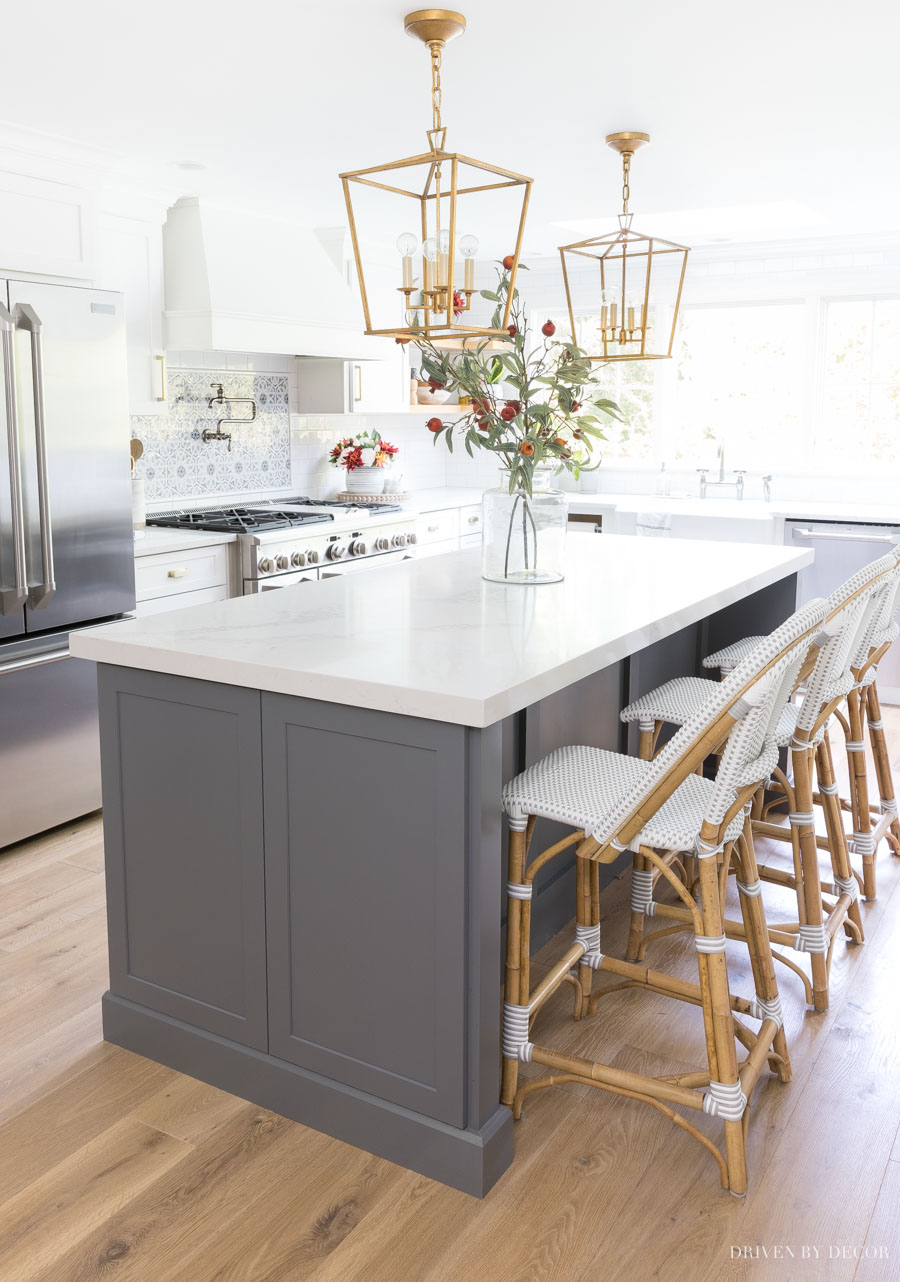
Image Source: www.drivenbydecor.com
The Basics of Kitchen Island Lighting
Lighting your kitchen island is about more than just illumination; it’s about creating ambiance, enhancing functionality, and tying together your kitchen’s design. When you’re figuring out the kitchen island fixture count, think about what you’ll be doing at the island. Will it be a place for meal prep, casual dining, or both?
Functionality First: Illuminating Your Workspace
Your kitchen island often serves as a primary workspace. For tasks like chopping vegetables, kneading dough, or plating meals, you need bright, focused light. This is where the quantity and type of lights play a significant role.
- Task Lighting: This is the most important type of lighting for your island. It needs to be bright enough to see clearly. Pendant lights are excellent for task lighting because they hang directly over the work surface, providing concentrated illumination.
- Ambient Lighting: This is the general, softer light that fills the room. While not solely for the island, it contributes to the overall atmosphere. Recessed lights in the ceiling or wall sconces can provide ambient light.
- Accent Lighting: This type of lighting highlights specific features, like decorative bowls or artwork on the island. It adds depth and visual interest.
When considering how many lights above counter areas, you’re primarily focusing on task lighting. The goal is to ensure there are no dark spots where you’re working.
Determining Your Kitchen Island Light Numbers
The key to finding the best number of overhead kitchen island lights lies in balancing aesthetics with practical needs. It’s not a one-size-fits-all answer. Let’s break down the factors that influence the ideal count.
Size of the Island Matters
The length of your kitchen island is a primary determinant of kitchen island light spacing. A longer island will naturally accommodate more lights.
- Small Islands (3-4 feet): Typically, one central pendant or a cluster of two smaller pendants works well.
- Medium Islands (5-6 feet): Two well-spaced pendant lights are usually the sweet spot. This provides ample coverage without looking crowded.
- Large Islands (7+ feet): Three or even four pendants can be appropriate, especially if they are smaller in scale. This ensures even illumination across a larger surface.
Fixture Scale and Design
The size and style of the pendant lights themselves are just as important as their number.
- Large, Statement Pendants: If you opt for one or two large, dramatic pendants, you might not need as many. Too many large fixtures can overwhelm the space.
- Small, Clustered Pendants: Multiple smaller pendants hung in a row or cluster can create a visually appealing effect and provide excellent light distribution. The optimal pendant placement kitchen island often involves staggering smaller lights.
- Shade Type: Open shades cast light both up and down, while enclosed shades direct light downwards. Consider how the light will be diffused.
Visualizing the Layout: Island Lighting Layout Principles
A good island lighting layout creates balance and symmetry. Think about how the lights will look from different angles in the kitchen.
The 30-36 Inch Rule
A common guideline for kitchen island light spacing is to place pendants at least 30 to 36 inches apart. This prevents them from looking too close together and ensures each light effectively illuminates its designated area without overlapping too much.
- Calculation Example: For a 6-foot (72-inch) island, if you’re using two pendants, you’d center them. The first pendant might be 24 inches from one end, and the second 24 inches from the other end, leaving 24 inches between them. If you’re using three, you’d divide the island into thirds for spacing.
Overhead Clearance
Consider the height of your ceiling and the island. Pendant lights should hang at a height that provides sufficient task lighting without obstructing views or becoming a hazard.
- General Rule: Hang pendants about 30 to 36 inches above the countertop. For islands used for dining, you might hang them slightly higher (36-42 inches) to allow for comfortable conversation.
- Low Ceilings: If you have a lower ceiling, consider flush-mount fixtures or shorter pendant cords to avoid feeling cramped.
- High Ceilings: Longer cords or chain-hung pendants can make a dramatic statement and ensure the lights are at an appropriate working height.
Determining Kitchen Island Light Numbers: A Step-by-Step Approach
To help you in determining kitchen island light numbers, follow these steps:
- Measure Your Island: Get the exact length and width of your island.
- Consider Your Intended Use: Will it be for cooking, dining, or both? This impacts the brightness and spread of light needed.
- Visualize Your Fixtures: Look at different pendant styles and sizes. Imagine how they’ll look on your island.
- Apply Spacing Guidelines: Use the 30-36 inch rule as a starting point for spacing.
- Factor in Ceiling Height: Ensure your chosen fixtures hang at a practical and aesthetically pleasing height.
- Don’t Forget Balance: The number of lights should create a visually balanced and harmonious look with the rest of your kitchen.
Common Kitchen Island Lighting Scenarios
Let’s explore some typical scenarios for how many lights over kitchen island setups, categorized by island size.
Scenario 1: The Petite Island (Under 4 Feet)
For smaller islands, often found in apartments or more compact kitchens, simplicity is key.
- Option A: Single Statement Pendant: A single, moderately sized pendant can provide adequate light and serve as a focal point. Ensure it’s centered over the island.
- Option B: Small Cluster of Two: Two very small, delicate pendants hung at slightly different heights can add a touch of elegance without overwhelming the space. The kitchen island fixture count here is low, but the impact can be significant.
Table 1: Lighting for Petite Islands
| Island Length | Recommended Fixtures | Spacing Consideration |
|---|---|---|
| 3 feet | 1 pendant | Centered |
| 3.5 feet | 1-2 pendants | Centered or 18″ apart |
| 4 feet | 2 pendants | 24″ apart |
Scenario 2: The Standard Kitchen Island (4-6 Feet)
This is the most common island size, and the number of pendant lights for island setups here is usually two.
- Option A: Two Medium Pendants: Two evenly spaced pendants of medium size are the most popular choice. They offer excellent task lighting and create a balanced look. This is often considered the ideal number of kitchen island lights.
- Option B: Three Smaller Pendants: If your island is around 5-6 feet, you might consider three smaller pendants. This provides more even light distribution. The kitchen island light spacing will be crucial here, likely around 20-24 inches between fixtures.
Table 2: Lighting for Standard Islands
| Island Length | Recommended Fixtures | Spacing Consideration |
|---|---|---|
| 5 feet | 2 pendants | 25″ apart |
| 5.5 feet | 2-3 pendants | 22-27.5″ apart |
| 6 feet | 2 pendants | 30″ apart |
Scenario 3: The Grand Kitchen Island (7+ Feet)
For larger islands, you have more flexibility, but it’s important to maintain balance and avoid overcrowding.
- Option A: Three Medium Pendants: Three pendants spaced evenly across the length of the island provide excellent illumination and visual appeal. The ideal number of kitchen island lights for many large islands is three.
- Option B: Four Smaller Pendants: If you have a very long island or prefer a more intricate look, four smaller pendants can be a great option. This requires careful attention to island lighting layout and spacing (around 20-24 inches).
- Option C: Asymmetrical Cluster: For a modern look, consider an asymmetrical cluster of three or four pendants of varying sizes or heights. This adds a dynamic element.
Table 3: Lighting for Grand Islands
| Island Length | Recommended Fixtures | Spacing Consideration |
|---|---|---|
| 7 feet | 3 pendants | 28″ apart |
| 8 feet | 3 pendants | 32″ apart |
| 9 feet | 3-4 pendants | 27-36″ apart |
Key Considerations for Optimal Pendant Placement Kitchen Island
Achieving the optimal pendant placement kitchen island involves more than just spacing. Here are some critical factors to consider:
Visual Balance and Symmetry
- Center Alignment: For two pendants, ensure they are centered between the island’s length and the pendant’s width. Imagine a line down the middle of your island; the center of your pendant arrangement should align with it.
- Rule of Thirds: For three pendants, you can often divide your island into three equal sections and place a pendant in the center of each.
- End Spacing: Leave adequate space from the ends of the island to the first pendant. Typically, this is about 6-12 inches from the island’s edge to the outer edge of the pendant’s widest point.
Height and Drop Length
The height at which you hang your pendants significantly impacts both aesthetics and functionality.
- Countertop Clearance: As mentioned, 30-36 inches above the countertop is standard for task lighting.
- Visual Flow: Ensure the pendants don’t block the view into the kitchen or create an imposing barrier.
- Ceiling Height Factor: Always consider your ceiling height. A high ceiling can accommodate longer drops, making a statement. A lower ceiling requires shorter drops to maintain comfortable head clearance and visual balance.
Fixture Type and Size
The visual weight and size of your fixtures are crucial to determining kitchen island light numbers.
- Bulky vs. Delicate: A single, large, bulky fixture might be all you need for a smaller island, whereas multiple delicate fixtures can be used on a larger island without making it feel cluttered.
- Shade Diameter: A common rule of thumb is that the diameter of the pendant shade should be roughly 1/3 the width of the island. For example, on a 3-foot wide island, pendants with shades around 12 inches in diameter are often a good choice.
Electrical Limitations
Before you get too far into planning your island lighting layout, check your electrical capabilities.
- Existing Wiring: Does your ceiling have pre-existing junction boxes? If so, their placement might dictate your fixture placement.
- New Wiring: If you’re remodeling or building, you have more freedom to place junction boxes exactly where you want them. Consult with an electrician to ensure your plan is feasible and safe.
Beyond Pendants: Other Island Lighting Options
While pendants are the most popular choice for kitchen island lighting, other options can complement or even replace them.
Track Lighting
Track lighting can offer flexibility, allowing you to adjust the direction and intensity of lights.
- Pros: Highly adjustable, can direct light precisely where needed.
- Cons: Can sometimes appear more utilitarian and less decorative than pendants.
- Best Use: Good for kitchens that prioritize function and flexibility. You might use it in conjunction with other lighting types to achieve the desired kitchen island lighting quantity.
Recessed Lighting
Recessed lights, or can lights, are installed directly into the ceiling.
- Pros: Provide clean, unobtrusive ambient and task lighting.
- Cons: Don’t offer the same decorative impact as pendants and might require more fixtures for sufficient task lighting on the island.
- Best Use: Excellent as ambient lighting in the overall kitchen, and can supplement task lighting over the island, especially in kitchens with lower ceilings or where a minimalist look is desired. You’ll need to carefully plan the kitchen island light spacing if relying on recessed lights.
Caged or Basket Fixtures
These offer a different aesthetic, often leaning towards industrial or rustic styles.
- Pros: Can be very stylish, provide diffused light.
- Cons: Light diffusion might be less direct for intense task lighting.
- Best Use: For kitchens with a specific design theme. The number of pendant lights for island setups using these might follow similar spacing rules as traditional pendants.
Linear Chandeliers
A linear chandelier can be a great single fixture option for longer islands.
- Pros: Provides broad illumination, acts as a strong design element.
- Cons: Can be very heavy visually, might not be suitable for all island sizes.
- Best Use: Excellent for long islands where a single, impactful fixture is desired. This simplifies the kitchen island fixture count to just one.
Making the Final Decision: Bringing it All Together
The journey to determining kitchen island light numbers is an exciting part of kitchen design. It’s where functionality meets personal style.
Consider the Visual Weight
Think about the overall look you want. Do you want the lighting to be a subtle accent, or a bold statement piece? The best number of overhead kitchen island lights should contribute to the desired visual weight and balance.
Layer Your Lighting
The most effective kitchens use layered lighting. Don’t rely solely on island pendants. Combine them with ambient lighting (like ceiling fixtures) and perhaps task lighting under cabinets. This ensures your kitchen is well-lit for every occasion.
Mock it Up if Possible
Before committing, use masking tape on the ceiling to mark out where your lights will hang. This helps you visualize the spacing and scale. You can also use balloons to represent the size of your fixtures. This practical step aids in grasping the island lighting layout.
Consult a Professional
If you’re unsure, a lighting designer or an experienced interior designer can provide invaluable guidance in determining kitchen island light numbers and ensuring your island lighting layout is perfect.
Ultimately, the goal is to create a kitchen that is both beautiful and functional. By carefully considering your island’s size, your fixture choices, and the principles of good kitchen island light spacing, you can achieve the perfect lighting for your space. Whether you’re wondering how many lights above counter areas or the ideal number of kitchen island lights, these guidelines will help you illuminate your kitchen island with confidence.
Frequently Asked Questions (FAQ)
Q1: Can I put just one light over my kitchen island?
Yes, you absolutely can! If your kitchen island is small (around 3-4 feet long), a single, well-placed pendant light can provide sufficient illumination and act as a beautiful focal point. For larger islands, one large fixture like a linear chandelier might also work, though it’s less common for task-focused lighting.
Q2: How far apart should pendant lights be over an island?
A general rule of thumb for kitchen island light spacing is to place pendant lights 30 to 36 inches apart from the center of one fixture to the center of the next. You should also leave about 6-12 inches of space from the ends of the island to the center of the outer pendants. This helps ensure even light distribution and avoids a crowded look.
Q3: What is the best height to hang pendant lights over a kitchen island?
For most kitchen islands used for prep and general tasks, hanging pendant lights about 30 to 36 inches above the countertop is ideal. If your island also serves as a dining area, you might hang them slightly higher, around 36 to 42 inches, to allow for comfortable conversation without them being in the way. Always consider your ceiling height and the size of the fixtures.
Q4: How do I choose the right size pendant lights for my island?
The size of your pendant lights should be in proportion to your island. A common guideline suggests that the diameter of your pendant shades should be about one-third the width of your island. For instance, on a 3-foot wide island, pendants with shades around 12 inches in diameter often look best. Avoid fixtures that are too large or too small, as they can throw off the visual balance.
Q5: Should all my kitchen island lights be the same?
Not necessarily. While matching pendants create a cohesive and symmetrical look, mixing and matching can also be very stylish. You might use three pendants of varying sizes and heights, or pair a central, larger fixture with two smaller ones on either side. The key is to ensure the collection of lights feels intentional and complements your overall kitchen design. This is part of a well-thought-out island lighting layout.