
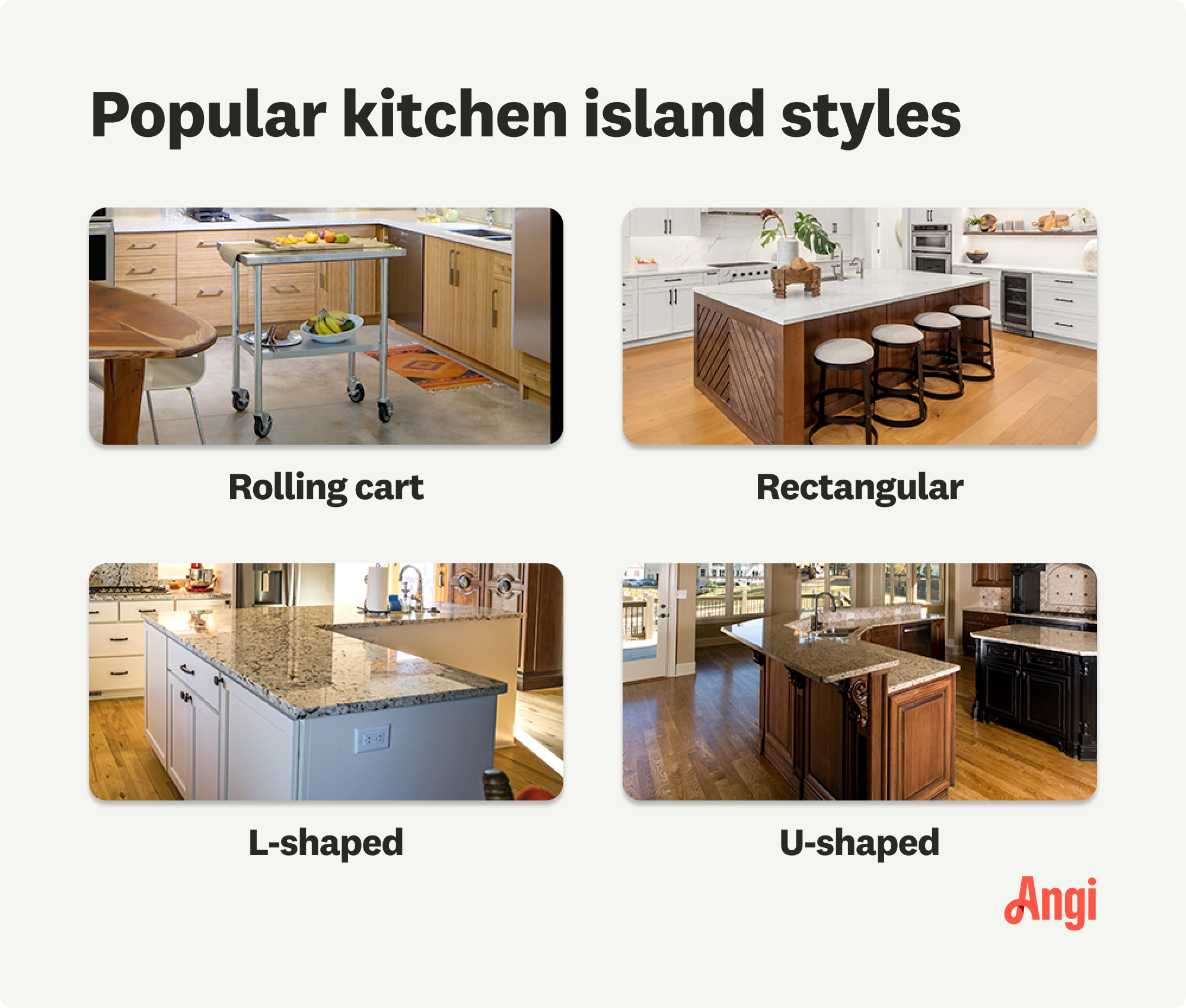
Image Source: media.angi.com
How Much Does It Cost To Build A Kitchen Island?
The cost to build a kitchen island can range from a few hundred dollars for a simple DIY project to tens of thousands for a high-end, custom-built feature. The average kitchen island price typically falls between $3,000 and $5,000, but this figure can vary significantly based on materials, size, complexity, and whether you hire professionals or tackle it yourself.
Building a kitchen island is an exciting prospect for many homeowners looking to enhance their kitchen’s functionality and aesthetics. It offers extra prep space, storage, and can even serve as a casual dining area. However, before you embark on this project, it’s crucial to understand the financial investment involved. This comprehensive guide will break down all the factors that contribute to the overall cost, helping you plan your budget effectively.
Deciphering the Factors Influencing Kitchen Island Costs
Several key elements dictate the final price tag of your kitchen island. Let’s explore each one in detail.
1. Size and Design Complexity
The sheer dimensions of your island play a direct role in its cost. A larger island will naturally require more materials and potentially more labor to construct. Beyond size, the complexity of the design is a significant cost driver.
- Simple, Rectangular Designs: These are generally the most budget-friendly. They require less intricate woodworking and fewer specialized cuts.
- Curved or Angled Designs: Incorporating curves or angles adds complexity. This means more custom cutting, potentially specialized tools, and a higher skill level required from the builder, all of which increase labor costs.
- Multi-Level Designs: Islands with different countertop heights or integrated seating areas with varying levels will also cost more due to the added construction steps and material requirements.
- Features like Drawers, Cabinets, and Open Shelving: The more storage you integrate, the higher the cost. Each drawer requires hardware, slides, and precise construction. Cabinets involve doors, hinges, and interior shelving. Open shelving is generally less expensive but still adds to the material cost.
2. Kitchen Island Materials Cost
The materials you choose for your island’s base, countertop, and any integrated features are arguably the most significant determinant of the overall price.
Kitchen Island Cabinetry Cost
The base of your kitchen island is often constructed from cabinetry, similar to your existing kitchen units. The cost here can vary wildly based on:
- Stock vs. Semi-Custom vs. Custom Cabinets:
- Stock Cabinets: These are pre-manufactured in standard sizes and styles. They are the most affordable option, offering a good balance of price and quality for budget kitchen island ideas. You might find basic stock cabinets starting around $50-$100 per linear foot.
- Semi-Custom Cabinets: These offer more design flexibility with a wider range of sizes, styles, and finishes. They bridge the gap between stock and custom, typically costing $150-$300 per linear foot.
- Custom Cabinets: Built to your exact specifications, these offer the ultimate in design and material choice. Expect to pay anywhere from $300 to $1,000+ per linear foot for custom cabinetry.
- Wood Type:
- Plywood and MDF: These are common and cost-effective materials for cabinet boxes.
- Solid Hardwoods (e.g., Maple, Oak, Cherry, Walnut): These are more durable and aesthetically pleasing but also significantly more expensive. Walnut and cherry are typically at the higher end of the price spectrum.
- Door and Drawer Styles: Simple flat-panel doors are less expensive than raised-panel or decorative styles. Soft-close drawer slides and premium hardware also add to the cost.
- Finishes: Custom paint colors or stained finishes can sometimes incur additional charges.
Kitchen Island Countertop Cost
The countertop is the “crown jewel” of your island, and its material choice has a substantial impact on the total price.
- Laminate: The most budget-friendly option, laminate countertops can mimic the look of more expensive materials like granite or quartz. They are durable for everyday use but can be susceptible to scratches and heat damage. Expect to pay $20-$50 per square foot installed.
- Butcher Block: Warm and inviting, butcher block countertops made from hardwoods like maple or oak are a popular choice. They require regular maintenance (oiling and sealing) to prevent staining and warping. Costs range from $40-$100 per square foot installed.
- Solid Surface (e.g., Corian): This non-porous material is seamless, easy to clean, and comes in a wide array of colors and patterns. It’s a good mid-range option, typically costing $50-$100 per square foot installed.
- Granite: A natural stone known for its beauty, durability, and heat resistance. Prices vary greatly depending on the type of granite and its rarity, typically ranging from $50-$200+ per square foot installed.
- Quartz: Engineered stone that is very durable, non-porous, and resistant to stains, scratches, and heat. It offers a consistent look and is often preferred for its low maintenance. Quartz countertops usually range from $60-$150+ per square foot installed.
- Marble: A luxurious and beautiful natural stone, but it is softer and more porous than granite or quartz. It can stain and etch easily, requiring careful maintenance. Marble countertops are typically the most expensive, often ranging from $75-$250+ per square foot installed.
- Concrete: A modern and customizable option that can be dyed and shaped. It requires sealing to prevent staining. Concrete countertops can cost $70-$150+ per square foot installed.
- Stainless Steel: Popular in professional kitchens for its durability, hygiene, and modern look. It can be prone to scratches and fingerprints. Stainless steel countertops usually range from $60-$120+ per square foot installed.
Table 1: Estimated Kitchen Island Countertop Costs per Square Foot (Installed)
| Material | Low End | High End |
|---|---|---|
| Laminate | $20 | $50 |
| Butcher Block | $40 | $100 |
| Solid Surface | $50 | $100 |
| Granite | $50 | $200+ |
| Quartz | $60 | $150+ |
| Concrete | $70 | $150+ |
| Stainless Steel | $60 | $120+ |
| Marble | $75 | $250+ |
3. Additional Features and Appliances
The more functionality you build into your island, the higher the cost. Consider these additions:
- Sink and Faucet: Installing a sink in your island requires plumbing work and the cost of the sink and faucet itself. Sink costs can range from $100 for a basic stainless steel drop-in to over $1,000 for a decorative farmhouse sink.
- Cooktop or Range: Integrating a cooktop or a small range into your island adds significant cost due to the appliance itself, electrical work, and ventilation requirements.
- Dishwasher: A compact dishwasher can be incorporated into an island, but this adds to the appliance cost, cabinetry modifications, and plumbing.
- Microwave Drawer: A convenient but often costly addition, microwave drawers can be several hundred dollars more than a standard countertop microwave.
- Wine Fridge or Beverage Cooler: These specialized appliances add a touch of luxury but also a considerable price tag.
- Electrical Outlets and USB Ports: Essential for modern kitchens, these require electrical work and the cost of the outlets themselves.
- Lighting: Pendant lights or under-cabinet lighting can enhance the island’s functionality and aesthetics but add to the electrical and fixture costs.
4. Labor Cost for Kitchen Island Installation
This is a significant portion of the kitchen island installation cost, especially if you’re not a seasoned DIYer. The labor involved includes:
- Cabinetry Assembly and Installation: This requires skilled carpenters or cabinet installers to ensure everything is level, plumb, and securely fastened.
- Countertop Fabrication and Installation: This is a specialized trade, particularly for stone or quartz. Fabricators measure, cut, polish, and install the countertop, often requiring specialized equipment.
- Plumbing and Electrical Work: If you’re adding a sink, dishwasher, or electrical outlets, you’ll need licensed plumbers and electricians, which adds to the labor cost.
- Demolition (if replacing existing features): If you’re removing an old island or modifying existing cabinetry, there will be labor costs associated with demolition and debris removal.
Factors affecting labor costs:
- Geographic Location: Labor rates vary significantly by region.
- Contractor’s Experience and Reputation: Highly sought-after contractors often command higher rates.
- Project Complexity: As mentioned earlier, intricate designs take longer and thus cost more in labor.
- Time of Year: Some contractors might have higher demand during certain seasons.
5. DIY Kitchen Island Cost vs. Professional Installation
The decision to DIY or hire professionals will have a profound impact on your budget.
- DIY Kitchen Island Cost: If you’re handy and have the necessary tools and skills, you can save significantly on labor.
- Pros: Substantial cost savings, personal satisfaction, complete control over the process.
- Cons: Requires time, skill, and patience. Mistakes can be costly to fix. You might need to rent specialized tools. The DIY kitchen island cost can be estimated by adding up the material costs and any tool rentals. For a very basic DIY island using stock cabinets and laminate countertops, you might be looking at $500-$1,500.
- Professional Installation: Hiring a general contractor, cabinet maker, and countertop fabricator will increase the overall cost but ensures a high-quality finish and saves you time and potential headaches.
- Pros: Professional results, saves time, less stress, often comes with warranties.
- Cons: Significantly higher cost due to labor charges.
The cost to build custom kitchen island will almost always be higher when using professionals compared to a DIY approach with basic materials.
6. Kitchen Island Remodeling Cost Considerations
If your kitchen island is part of a larger kitchen remodel, the costs can be integrated, but it’s important to consider how the island project fits into the overall budget.
- Structural Changes: If the island requires moving plumbing or electrical lines, or if it impacts the kitchen’s overall layout, these structural changes will add to the cost.
- Flooring: If the island’s placement requires flooring modifications, this needs to be factored in.
- Matching Existing Finishes: To ensure a cohesive look, you might need to invest in higher-quality materials or custom finishes for your island to match your existing cabinetry and countertops, increasing the kitchen island remodeling cost.
Budget Kitchen Island Ideas
For those on a tighter budget, there are still ways to achieve a functional and attractive kitchen island:
- Repurpose Existing Furniture: An old dresser or a sturdy table can be transformed into a charming kitchen island with a new countertop and a fresh coat of paint.
- Use Stock Cabinets Creatively: Combine several stock base cabinets to create a larger island. You can then add a custom countertop for a more high-end look.
- Open Shelving: Opt for open shelving instead of doors and drawers for a more minimalist and cost-effective storage solution.
- DIY Countertop: Consider DIYing your countertop using butcher block or even painting and sealing plywood for a unique, budget-friendly option.
- Smaller Size: A smaller, more compact island will naturally cost less in materials and labor.
- Focus on Functionality: Prioritize the features that are most important to you (e.g., extra prep space) and forgo more expensive additions.
Calculating Your Kitchen Island Budget
To effectively budget for your kitchen island, follow these steps:
- Define Your Needs and Wants: What do you primarily want your island to do? (e.g., extra workspace, seating, storage). What features are essential, and what are nice-to-haves?
- Measure Your Space: Accurately measure the area where the island will be placed. This will help determine the size and how much material you’ll need.
- Research Material Costs: Get quotes for cabinetry, countertops, and any desired appliances or features based on your preferred materials.
- Get Labor Quotes: If hiring professionals, obtain detailed quotes from multiple contractors. Ensure they include all aspects of the installation.
- Factor in Contingency: It’s always wise to add a 10-20% contingency to your budget for unexpected costs or changes you might decide on during the project.
Example Budget Breakdown (Mid-Range Island):
Let’s consider a hypothetical 8-foot long island with a quartz countertop, custom-built cabinets, and a few drawers:
- Cabinetry (Semi-custom, hardwood fronts, 8 linear feet): $2,000 – $4,000
- Quartz Countertop (8 ft x 3 ft = 24 sq ft @ $75/sq ft): $1,800
- Sink and Faucet: $300 – $700
- Electrical Outlet Installation: $200 – $400
- Labor (Installation of cabinets and countertop): $1,500 – $3,000
- Plumbing (if sink is added): $300 – $600
- Contingency (15%): $800 – $1,500
Total Estimated Cost: $7,000 – $11,000+
This is a broad estimate, and individual project costs can vary significantly.
Frequently Asked Questions About Kitchen Island Costs
- What is the cheapest way to get a kitchen island?
The cheapest way is often a DIY approach using repurposed furniture or basic stock cabinets and laminate countertops. - Can I install a kitchen island myself?
Yes, if you have carpentry skills and the right tools. However, installing countertops, especially stone, is best left to professionals. Plumbing and electrical work also require licensed professionals. - How much does it cost to add plumbing to a kitchen island?
Adding plumbing for a sink or dishwasher can add $300 to $1,000 or more to your project, depending on the complexity of running new lines. - Does the size of the island greatly affect the cost?
Yes, larger islands require more materials and often more labor, directly increasing the cost. - What are the most expensive materials for a kitchen island?
High-end natural stones like marble, exotic granites, and custom wood finishes are typically the most expensive countertop and cabinetry materials. Integrated appliances like wine fridges also add significant cost.
By carefully considering all these factors and doing thorough research, you can confidently plan and budget for your dream kitchen island, ensuring it becomes a beautiful and functional centerpiece in your home.