
So, you’re wondering about the kitchen counter replacement cost? The average cost to replace kitchen counters can range from $500 to $6,000 or more, depending heavily on the material, size of your kitchen, and whether you hire professionals for countertop installation price. This guide will break down everything you need to know to budget for your kitchen counter upgrade.
Your kitchen counters are a focal point of your home. They’re where you prepare meals, gather with family, and often serve as a makeshift office or homework station. When they start showing wear and tear, or when you simply crave a fresh look, replacing them can dramatically transform your kitchen. But what’s the damage to your wallet? Let’s dive into the factors that influence the cost of new kitchen countertops and explore popular material options.
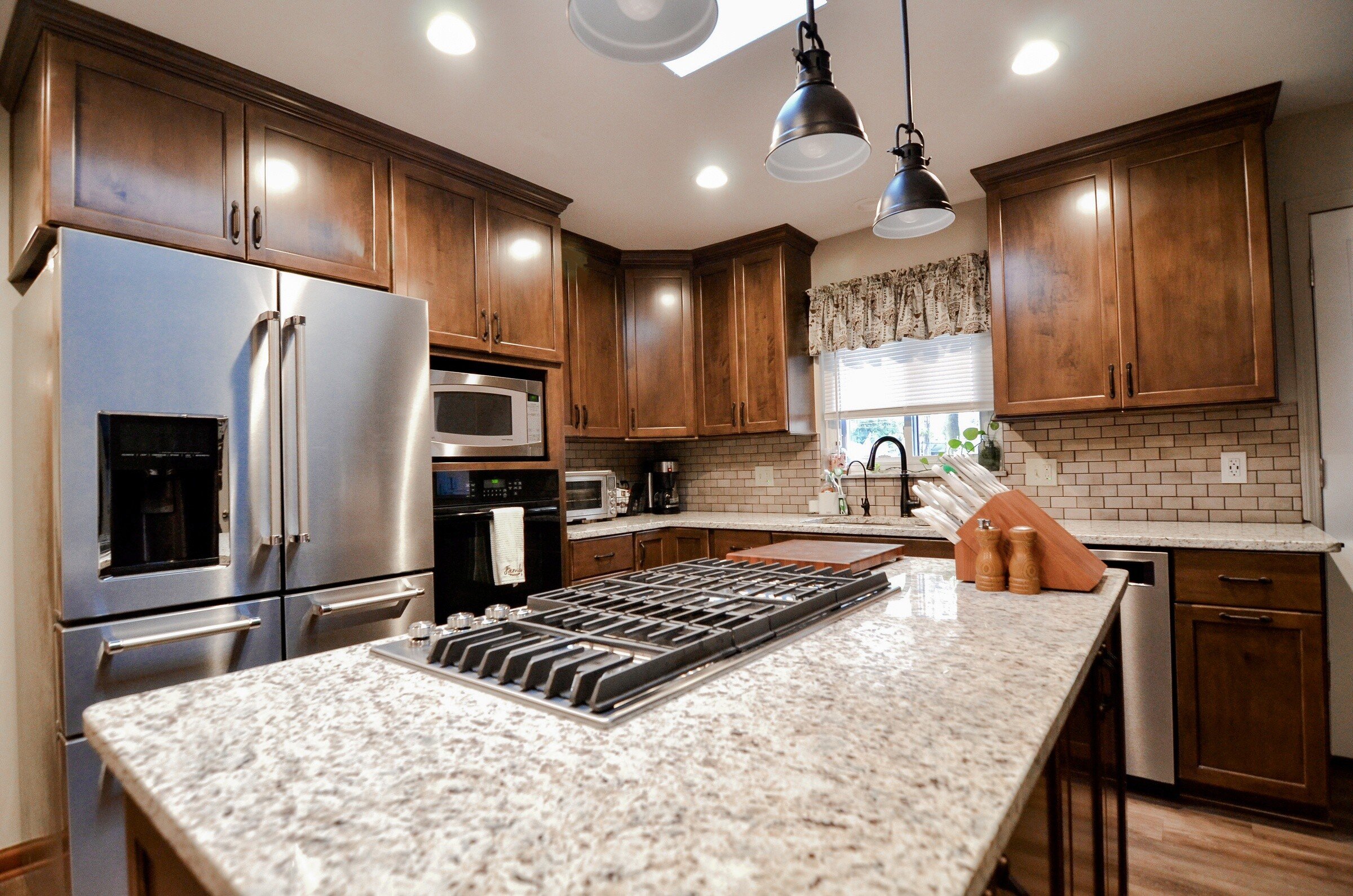
Image Source: www.jsbhomesolutions.com
Deciphering the Price Tags: Factors Affecting Countertop Costs
Several key elements contribute to the overall kitchen counter replacement cost. Knowing these will help you get accurate quotes and avoid surprises.
Material Choice: The Biggest Price Driver
This is by far the most significant factor. The material you choose for your new countertops dictates a large portion of the final price. From budget-friendly laminates to luxurious natural stones, the range is vast.
Size and Square Footage
The larger your kitchen, the more countertop material you’ll need. Measure the length and width of all your countertop sections. It’s a good idea to add a small percentage (5-10%) to account for cuts, waste, and potential mistakes during installation.
Edge Profiles and Cutouts
Simple, straight edges are the most cost-effective. More elaborate edge profiles, like bullnose, ogee, or beveled edges, add to the labor and material costs. The number and complexity of cutouts for sinks, stovetops, and faucets also increase the price due to the precision and time required for cutting and finishing.
Fabrication and Installation Labor
The countertop installation price can be a substantial part of the total. This includes templating (measuring your existing counters or cabinets precisely), fabrication (cutting the material to size and shape), and installation (fitting and securing the new counters). Some materials are easier to work with than others, impacting labor costs.
Removal of Old Counters
If you’re having old countertops removed and disposed of, factor in this service fee. Some installers include this, while others charge separately.
Sink and Faucet Plumbing
Depending on your new counter and sink setup, you might need to adjust plumbing. This can add a small additional cost if a plumber is required.
Sink Type and Installation
Undermount sinks, which are installed beneath the countertop, generally cost more to install than drop-in sinks, which sit on top. The complexity of fitting the sink and faucet also plays a role.
Popular Countertop Materials: Pricing and Features
Let’s explore the most common countertop materials and their associated costs. Keep in mind that these are average prices per square foot for the material itself, before fabrication and installation.
Laminate Countertops: The Budget-Friendly Choice
Laminate countertops are a popular choice for those on a tight budget. They are made from layers of particleboard or fiberboard covered with a decorative laminate sheet.
- Average Material Cost: $20 – $60 per square foot
- Pros: Very affordable, wide range of colors and patterns, easy to clean, lightweight.
- Cons: Not very durable, prone to scratches, chips, and heat damage; seams can be visible.
- Overall Kitchen Counter Replacement Cost: For a typical 40-square-foot kitchen, expect to pay between $800 and $2,400 for laminate countertops, including professional installation. This makes laminate countertop replacement cost one of the lowest options.
Butcher Block Countertops: Warmth and Natural Beauty
Butcher block counters are made from solid wood, often maple, oak, or walnut. They offer a warm, natural aesthetic and are great for a rustic or farmhouse look.
- Average Material Cost: $50 – $150 per square foot
- Pros: Beautiful natural look, can be sanded and refinished, relatively affordable for natural materials, durable if maintained.
- Cons: Requires regular sealing and maintenance to prevent staining and water damage, prone to scratches and dents, can be sensitive to heat.
- Butcher block counter cost: For a 40-square-foot kitchen, you’re looking at a range of $2,000 to $6,000 for installation. This includes the cost of the wood, fabrication, and professional fitting.
Tile Countertops: Versatility and DIY Potential
Tile countertops are made from ceramic, porcelain, or natural stone tiles set in grout. They offer immense design flexibility.
- Average Material Cost: $30 – $100 per square foot (includes tiles, grout, and adhesive)
- Pros: Highly customizable, durable, heat resistant, can be a DIY-friendly project.
- Cons: Grout lines can be difficult to clean and can stain, tiles can chip or crack if heavy objects are dropped on them, requires sealing of grout.
- Tile countertop replacement cost: Expect a total installed cost of roughly $1,200 to $4,000 for a 40-square-foot kitchen. The price varies greatly depending on the tile choice.
Solid Surface Countertops: Seamless and Stain-Resistant
Solid surface countertops, like Corian, are made from acrylic or polyester resins and mineral fillers. They are known for their seamless appearance and non-porous nature.
- Average Material Cost: $40 – $80 per square foot
- Pros: Seamless appearance, non-porous and hygienic, resistant to stains, can be repaired if scratched or damaged.
- Cons: Can be scratched or damaged by heat, color options can be more limited than stone.
- Total Installed Cost: For a 40-square-foot kitchen, expect to spend between $1,600 and $3,200.
Granite Countertops: Natural Elegance and Durability
Granite is a popular natural stone known for its beauty, durability, and heat resistance. Each slab is unique.
- Average Material Cost: $50 – $200 per square foot (varies by color and rarity)
- Pros: Extremely durable, heat resistant, scratch resistant, adds significant value to a home, unique patterns.
- Cons: Requires sealing periodically, can be prone to staining if not sealed properly, heavy material.
- Cost to install granite counters: For a 40-square-foot kitchen, the total kitchen counter replacement cost can range from $2,000 to $8,000 or more. The granite vs quartz counter cost comparison is often debated, with granite sometimes being slightly more affordable for common varieties.
Quartz Countertops: Engineered for Performance
Quartz countertops are engineered by combining natural quartz crystals with resins and pigments. They offer a consistent look and superior durability.
- Average Material Cost: $60 – $220 per square foot
- Pros: Non-porous and highly stain-resistant, extremely durable, scratch and heat resistant, low maintenance, wide range of colors and patterns.
- Cons: Can be more expensive than granite, can be damaged by extreme heat (use trivets), seams can be visible depending on the pattern.
- Cost to install quartz counters: For a 40-square-foot kitchen, the total installed price typically falls between $2,400 and $8,800. Granite vs quartz counter cost often favors quartz for its consistency and lower maintenance, though premium granite can be pricier.
Marble Countertops: Timeless Luxury
Marble is a classic choice, offering unparalleled beauty and a luxurious feel.
- Average Material Cost: $70 – $250 per square foot
- Pros: Stunning natural beauty, very hard and durable.
- Cons: Porous and prone to staining, etching from acids (like lemon juice or vinegar), requires regular sealing and careful maintenance.
- Total Installed Cost: For a 40-square-foot kitchen, you’re looking at $2,800 to $10,000+.
Other Materials and Considerations
- Concrete Countertops: Can range from $75 to $200+ per square foot, offering a modern, industrial look. They are highly customizable but require sealing and can stain or etch.
- Stainless Steel Countertops: Often used in professional kitchens, they cost between $70 and $150+ per square foot. They are durable and hygienic but prone to scratches and fingerprints.
- Recycled Glass Countertops: These eco-friendly options can cost $100 to $200+ per square foot, featuring unique patterns and good durability.
Average Kitchen Counter Cost Breakdown
To give you a clearer picture, let’s look at an average kitchen counter cost for a moderately sized kitchen (around 40 square feet) with mid-range materials and professional installation.
| Material | Material Cost (per sq ft) | Fabrication & Installation (per sq ft) | Total Installed Cost (per sq ft) | Estimated Total Cost (40 sq ft) |
|---|---|---|---|---|
| Laminate | $20 – $60 | $20 – $40 | $40 – $100 | $1,600 – $4,000 |
| Butcher Block | $50 – $150 | $30 – $70 | $80 – $220 | $3,200 – $8,800 |
| Tile | $30 – $100 | $20 – $60 | $50 – $160 | $2,000 – $6,400 |
| Solid Surface | $40 – $80 | $30 – $70 | $70 – $150 | $2,800 – $6,000 |
| Granite | $50 – $200 | $40 – $100 | $90 – $300 | $3,600 – $12,000 |
| Quartz | $60 – $220 | $40 – $100 | $100 – $320 | $4,000 – $12,800 |
| Marble | $70 – $250 | $50 – $120 | $120 – $370 | $4,800 – $14,800 |
Note: These are estimates and can vary significantly based on your location, the specific supplier, and the complexity of the job.
DIY vs. Professional Installation: Saving Money
The countertop installation price can often be reduced by opting for a DIY approach, especially for simpler materials like laminate or tile. However, for materials like granite, quartz, or marble, professional installation is highly recommended due to the weight, precision required for cutting, and the need for specialized tools.
DIY Considerations:
- Tools and Skill: Do you have the necessary tools (saws, routers, polishers) and the skills to use them accurately?
- Time Commitment: DIY projects often take longer than anticipated.
- Mistakes: If you make a mistake with expensive materials, it can be very costly.
- Warranty: Many manufacturers and installers offer warranties that may be voided by DIY installation.
Professional Installation Advantages:
- Expertise: Professionals ensure precise measurements, cuts, and a perfect fit.
- Efficiency: They can complete the job much faster.
- Warranty: Installation is typically guaranteed.
- Less Stress: You don’t have to worry about the heavy lifting or complex fabrication.
Budgeting for Your Kitchen Countertop Project
To effectively manage your budget for kitchen counter replacement cost, consider these steps:
- Measure Your Space: Accurately measure all countertop areas and add a buffer for waste.
- Research Materials: Decide on a few material options that fit your budget and aesthetic preferences. Get samples to see how they look in your kitchen lighting.
- Get Multiple Quotes: Contact at least three different reputable countertop suppliers and installers in your area. Ensure quotes include:
- Material cost
- Fabrication costs (edge profiles, cutouts)
- Installation labor
- Removal and disposal of old countertops
- Templating
- Any necessary plumbing adjustments
- Compare Apples to Apples: Make sure each quote is for the same scope of work and material quality.
- Factor in Unexpected Costs: Always have a contingency fund (10-20% of your budget) for unforeseen issues.
- Consider Timing: Sometimes, waiting for sales or promotions from suppliers can help save money.
Frequently Asked Questions (FAQ)
Q1: What is the cheapest way to replace kitchen countertops?
A1: The cheapest way to replace kitchen countertops is typically with laminate, which has the lowest material cost and is often easier for DIY installation, further reducing labor expenses.
Q2: Can I save money by installing countertops myself?
A2: Yes, you can save money on the countertop installation price by doing it yourself, especially with materials like laminate or tile. However, for heavier or more delicate materials like granite or quartz, professional installation is recommended to avoid costly mistakes.
Q3: How much does it cost to install granite counters versus quartz counters?
A3: Generally, the cost to install granite counters and cost to install quartz counters is comparable, with both ranging from $90 to $300+ per square foot installed. Quartz can sometimes be slightly more expensive than common granite varieties, but premium granites can exceed quartz pricing. The final price depends heavily on the specific slab chosen.
Q4: What is the average kitchen counter cost for a 50 sq ft kitchen?
A4: For a 50 sq ft kitchen, the average kitchen counter cost will depend on the material. Using our previous per-square-foot estimates, you might expect to pay:
* Laminate: $2,000 – $5,000
* Granite: $4,500 – $15,000
* Quartz: $5,000 – $16,000
Q5: Is butcher block counter cost worth it?
A5: The butcher block counter cost can range from $3,200 to $8,800 for a typical kitchen. Whether it’s “worth it” depends on your priorities. If you value natural beauty, a warm aesthetic, and are willing to commit to regular maintenance (sealing, oiling), then it can be a rewarding choice. If you prefer a low-maintenance, highly durable surface, other materials might be a better fit.
Q6: How does laminate countertop replacement cost compare to other materials?
A6: Laminate countertop replacement cost is significantly lower than most other materials. For a typical kitchen, you might spend $1,600-$4,000 installed, whereas granite or quartz could cost $3,600-$12,800 or more.
Q7: What should I look for when getting quotes for countertop installation?
A7: When getting quotes for countertop installation price, ensure they are detailed and include material, fabrication, installation labor, removal of old counters, and any potential extra charges. Ask about warranty and the company’s experience.
Investing in new kitchen countertops is a significant home improvement project. By carefully researching materials, getting detailed quotes, and planning your budget, you can achieve a beautiful and functional kitchen that you’ll enjoy for years to come.