
So, how much overhang for a kitchen island is just right? Generally, you’ll want between 10 to 12 inches of overhang for comfortable seating at your kitchen island. But the exact amount depends on what you plan to use your island for. This guide will explore all the factors to help you decide.
Building or renovating a kitchen often brings up many questions. One of the most common, yet crucial, is about the kitchen island overhang. This seemingly small detail can make a big difference in the functionality, comfort, and overall aesthetic of your kitchen. Getting the kitchen island overhang depth right is key to creating a space that is both beautiful and practical. Whether you envision a casual breakfast nook, a gourmet prep area, or a central hub for entertaining, the overhang plays a starring role.
This comprehensive guide will delve into everything you need to know about countertop overhang for kitchen island, from the standard kitchen island overhang to more specific needs like island seating overhang and bar height island overhang. We’ll also explore countertop overhang guidelines, the elements that contribute to a comfortable kitchen island overhang, the considerations for a dining overhang for kitchen island, the maximum kitchen island overhang, and the importance of knee space for island overhang.
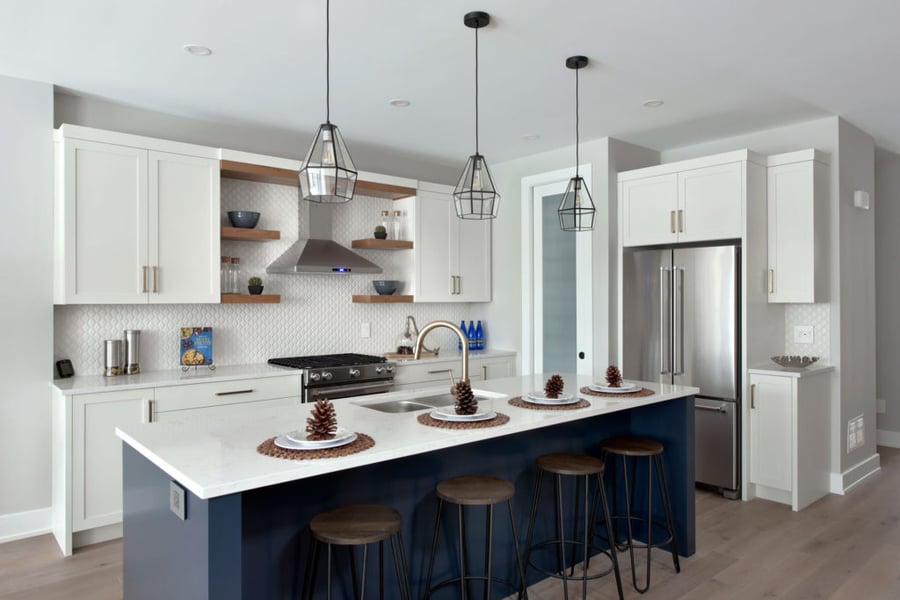
Image Source: www.deslaurier.com
Deciphering the Ideal Kitchen Island Overhang
The purpose of a kitchen island overhang is multifaceted. Primarily, it provides knee space for island overhang, allowing people to sit comfortably at the island without their knees hitting the cabinet base. Secondly, it offers a landing spot for plates, drinks, or decorative items when the island is used for dining or serving. The kitchen island overhang depth is a critical design element that impacts usability.
Standard Kitchen Island Overhang: A Baseline
When people ask about the standard kitchen island overhang, they are usually looking for a general guideline that works for most situations.
- For Seating: The most common recommendation for an overhang intended for seating is between 10 to 12 inches. This depth allows diners to sit comfortably with enough legroom.
- For Serving/Decor: If the overhang is primarily for serving food or placing decorative items, and not for seating, a smaller overhang of 4 to 6 inches is often sufficient.
It’s important to note that these are guidelines, and your specific needs might dictate a deviation. The material of your countertop also plays a role, which we will discuss later.
Island Seating Overhang: Comfort is Key
Creating a functional and inviting seating area at your kitchen island requires careful consideration of the overhang. This is where the island seating overhang becomes paramount.
How Much Overhang for Island Seating?
The goal of an island seating overhang is to provide adequate knee space for island overhang.
- 10-12 Inches: This is the sweet spot for most standard seating. It allows enough room for your legs and a comfortable dining or working position.
- 15 Inches: For those who like to sit further back or want extra elbow room, 15 inches can be very comfortable. This is particularly good for longer meals.
- 18 Inches: This is often considered the maximum comfortable overhang for seating without requiring additional support. It provides ample space for dining.
When planning for seating, remember to consider the height of the seating.
Counter Stools vs. Bar Stools
The type of seating you choose directly impacts the required overhang depth.
- Counter Height Stools (30-36 inches): These stools typically pair with a standard 36-inch high island. An overhang of 10-12 inches is usually perfect.
- Bar Height Stools (40-42 inches): These stools are designed for higher islands (around 40-42 inches). For a bar height island, you might need a slightly deeper overhang, potentially up to 12-15 inches, to accommodate the seating height and provide comfortable legroom. This is the bar height island overhang.
Creating a Dining Overhang for Kitchen Island
If your island is meant to double as a dining table, the overhang becomes even more critical. A dining overhang for kitchen island needs to accommodate plates, glasses, and comfortable seating.
- 12-15 Inches: This range is excellent for a primary dining spot. It allows enough space for place settings and comfortable eating.
- 15-18 Inches: If you frequently host sit-down meals at your island, aiming for 15-18 inches will provide a truly dining-table-like experience.
Consider the width of your island. A wider island can more easily accommodate a deeper overhang without making the workspace feel cramped.
Interpreting Countertop Overhang Guidelines
Following established countertop overhang guidelines ensures both safety and functionality. These guidelines are based on structural integrity and usability.
How Much Countertop Overhang is Safe?
The amount of overhang you can have without additional support depends heavily on the countertop material and the thickness of the slab.
- Granite, Quartz, Marble: These natural stones and engineered quartz are strong.
- Up to 12 inches: Generally safe with no additional support for a 3cm (1.25 inch) thick slab.
- 12-15 inches: May require support, especially if the material is prone to chipping or is a softer stone like marble.
- 15-18 inches: Almost always requires support.
- Laminate: Laminate countertops are less durable and can sag over time with significant overhangs.
- Up to 12 inches: Generally acceptable.
- Over 12 inches: Support is highly recommended.
- Butcher Block/Wood: Wood is strong but can also be prone to bowing if not properly supported.
- Up to 12 inches: Usually fine.
- Over 12 inches: Support is advisable.
- Concrete: Concrete can be very strong but also very heavy. Overhangs need careful engineering.
- Up to 12 inches: Typically fine.
- Over 12 inches: Professional assessment and support are crucial.
Maximum Kitchen Island Overhang: Structural Considerations
The maximum kitchen island overhang is not just about comfort; it’s also about engineering. Exceeding recommended overhangs without proper support can lead to cracking, sagging, or even the countertop breaking.
- Without Support: Many sources suggest that a 10-12 inch overhang on a 1.25-inch thick stone slab is typically the maximum without requiring additional support. However, this can vary based on the specific slab’s quality and the manufacturer’s recommendations.
- With Support: With the right structural support, such as steel brackets, a thicker countertop slab, or a properly designed base, overhangs can be extended. Some designs might push for 15-18 inches, but this is where professional advice is essential.
Support Systems for Overhangs
When you need to achieve a deeper overhang, especially for seating or dining, support is non-negotiable.
- Knee Braces/Corbels: These are decorative or plain brackets that attach to the cabinet base and extend to support the underside of the overhang. They are a popular choice for a more traditional or craftsman look.
- Steel Support Brackets: These are often hidden beneath the countertop, providing robust support. They come in various designs, including L-brackets, flat bars, and custom-fabricated pieces. They are ideal for a cleaner, more modern look.
- Waterfall Edge: In a waterfall design, the countertop material extends vertically down the side of the island to the floor. This provides inherent support to the countertop edge without the need for visible brackets, allowing for generous overhangs on the perpendicular sides.
- Thicker Countertop Material: Using a thicker slab (e.g., 2 inches instead of 1.25 inches) can increase the allowable overhang without support, but it also significantly increases the weight and cost.
Fathoming Knee Space for Island Overhang
Adequate knee space for island overhang is the primary reason for having an overhang that extends beyond the cabinet base. Without it, sitting at the island becomes an uncomfortable, cramped experience.
How Much Knee Space is Enough?
The standard recommendation for comfortable seating is:
- 10-12 inches of clear knee space: This is the generally accepted minimum for comfortable dining or working at a counter or bar height. This measurement is from the edge of the overhang to the front of the cabinet or island base.
- 15 inches of clear knee space: This provides even more generous legroom, making longer periods of sitting more enjoyable. This is especially beneficial for adults or those who like to stretch out a bit.
Factors Affecting Knee Space
- Cabinet Depth: Standard base cabinets are typically 24 inches deep. When you add a countertop that might be 25-27 inches deep, the overhang is measured from that edge. The cabinet structure itself is what you need knee space from.
- Island Design: Some island designs incorporate seating areas that are intentionally set back from the main cabinet structure, creating built-in knee space. Others might have cabinets that wrap around the seating area, reducing the usable knee space.
- Appliance Placement: Ensure that any appliances integrated into the island (like dishwashers or ovens) do not impede the knee space for seated guests.
Ensuring a Comfortable Kitchen Island Overhang
Creating a comfortable kitchen island overhang involves balancing aesthetics, functionality, and structural integrity. It’s about making your island a welcoming place to gather.
Visualizing the Overhang
- Proportion: The overhang should look balanced with the overall size and design of your island. Too small an overhang can look unfinished, while too large an overhang without adequate support can look precarious.
- Material Choice: Heavier materials like thick granite or concrete might suggest a more modest overhang for visual balance, unless robust support is incorporated. Lighter materials like laminate or thinner stone might be visually acceptable with slightly larger overhangs if properly supported.
Practical Use Cases and Overhang Depth
- Baking Station: If your island is your primary baking zone, you might prioritize workspace over seating. A minimal overhang (4-6 inches) for placing ingredients might suffice.
- Casual Dining: For quick breakfasts or snacks, 10-12 inches of overhang is usually ideal.
- Formal Dining/Work Area: For longer meals or as a workspace, 12-15 inches or more, with proper support, will enhance comfort.
The Many Roles of the Countertop Overhang for Kitchen Island
The countertop overhang for kitchen island serves multiple purposes beyond just aesthetics and seating. It influences how you use your kitchen and can even impact the perceived size and openness of the space.
Spillover Zone
An overhang provides a natural area for items to sit without cluttering the main workspace. This includes:
- Serving platters: Great for entertaining.
- Recipe books or tablets: Handy for cooks.
- Decorative elements: Vases, fruit bowls.
- Temporary resting spots: For drinks or snacks while someone is working at the island.
Balancing Workspace and Seating
The overhang is a critical tool for balancing the dual roles of a kitchen island: a workspace and a gathering spot.
- Workspace: The area behind the overhang needs to be clear for food preparation.
- Seating: The overhang provides the necessary legroom for those seated.
The depth of the overhang directly dictates how much seating can be comfortably accommodated without encroaching on the workspace.
Frequently Asked Questions About Kitchen Island Overhangs
Q1: What is the standard kitchen island overhang?
A1: The standard kitchen island overhang for seating is typically 10-12 inches, providing adequate knee space. For decorative or serving purposes without seating, 4-6 inches is common.
Q2: Can I have a 15-inch overhang on my kitchen island?
A2: Yes, a 15-inch overhang is possible, especially for dining or comfortable seating. However, for most countertop materials, particularly stone, you will likely need additional support like steel brackets or corbels to ensure structural integrity.
Q3: How much overhang is too much for a kitchen island?
A3: Generally, exceeding a 15-18 inch overhang without professional structural support is considered too much for most standard countertop materials and island constructions. This can lead to sagging or breakage.
Q4: What is the minimum overhang for island seating?
A4: The minimum overhang for comfortable island seating is generally considered to be 10 inches. Anything less than 9 inches can feel cramped for most adults.
Q5: How do I calculate the overhang for my kitchen island?
A5: Measure the depth of your island’s base cabinets. Add the desired overhang (e.g., 12 inches) to this measurement. Ensure the total countertop depth (cabinet depth + overhang) doesn’t exceed structural limits or create an awkward proportion. Always consider the intended use – seating requires more overhang than simple display.
Q6: Does the countertop material affect the overhang?
A6: Absolutely. Stronger materials like granite or quartz can support slightly larger overhangs without support compared to softer stones like marble or materials like laminate. Always check the manufacturer’s recommendations for specific materials.
Q7: What kind of support do I need for a kitchen island overhang?
A7: Depending on the depth of the overhang and the countertop material, you might need steel support brackets, decorative corbels, or a reinforced island base. For significant overhangs, especially those intended for seating, professional advice on structural support is recommended.
Q8: How much overhang should I have for a bar height island overhang?
A8: For a bar height island (around 40-42 inches high), a 12-15 inch overhang is ideal to provide sufficient knee and elbow room for comfortable seating on bar stools.
Q9: What is the best overhang for a dining overhang for kitchen island?
A9: For a dining overhang, aim for 12-18 inches. 12 inches is good for casual dining, while 15-18 inches offers a more spacious and comfortable dining experience, similar to a dedicated dining table.
Q10: What are the countertop overhang guidelines for stability?
A10: Guidelines vary by material and thickness, but generally, for a 1.25-inch thick stone slab, up to 10-12 inches of overhang might be permissible without support. Beyond that, support is crucial. Consult with your fabricator for specific guidelines.
Final Thoughts on Your Kitchen Island Overhang
Choosing the right kitchen island overhang depth is a critical step in designing a kitchen that is both beautiful and highly functional. By considering the intended use, the type of seating, the countertop material, and the necessary structural support, you can ensure your kitchen island becomes the heart of your home, a place for gathering, dining, and creating memories. Whether you opt for a modest overhang for workspace or a generous dining overhang for kitchen island, careful planning will lead to a comfortable and stylish result. Always consult with your kitchen designer or countertop fabricator to confirm specific load-bearing capacities and support requirements for your chosen materials and design.