
The most common and comfortable overhang for kitchen island seating is 12 inches. This provides enough space for guests to sit comfortably without their knees bumping the island.
Creating the perfect kitchen island involves balancing aesthetics and functionality. A key aspect of this balance is determining the correct amount of overhang. Too little overhang can lead to cramped seating and a lack of usable counter space, while too much can compromise structural integrity and create tripping hazards. This guide will delve into the specifics of kitchen island overhangs, covering everything from standard measurements to considerations for different uses and styles.
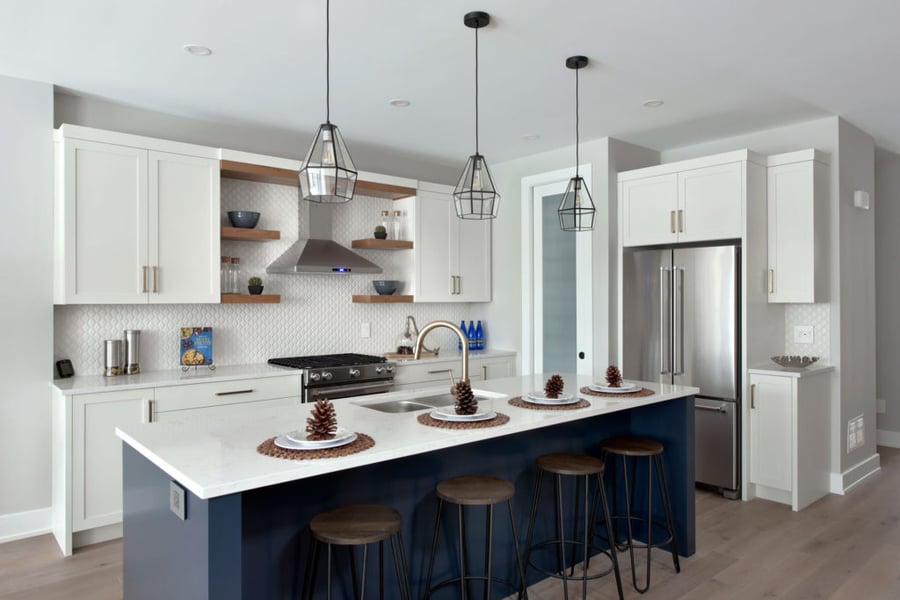
Image Source: www.deslaurier.com
Deciphering Counter Overhang Dimensions
When we talk about counter overhang, we’re referring to the portion of the countertop that extends beyond the base cabinets or support structure of your kitchen island. This overhang serves several crucial purposes:
- Seating: It allows people to comfortably tuck their legs under the island while dining or socializing.
- Aesthetics: A well-proportioned overhang can make the island look more balanced and inviting.
- Workspace: It can provide additional prep space or a place to set down items without them being directly over the island’s base.
The counter overhang dimensions are critical for both comfort and safety. They dictate how usable the island is for various activities.
Standard Kitchen Island Overhang
The standard kitchen island overhang for seating is typically between 10 to 15 inches. This range is considered the sweet spot for most people.
- 10 inches: This is the minimum overhang generally recommended for comfortable seating. It allows for a moderate depth for knees, but might feel a bit snug for those who prefer more legroom.
- 12 inches: This is the most popular and widely recommended overhang for kitchen island seating depth. It offers ample space for most adults to sit comfortably with chairs.
- 15 inches: This provides generous legroom and can accommodate deeper seating arrangements or allow for more substantial dining settings.
It’s important to distinguish between overhang for seating and overhang for a functional workspace or decorative element.
Gaining Insight into Dining Overhang for Kitchen Island
If your kitchen island is intended to be a primary dining spot, the dining overhang for kitchen island becomes a paramount consideration. You’ll want to ensure ample space for each diner.
- Seating Depth: When thinking about kitchen island seating depth, consider the type of seating. Stools designed for bar height will naturally require a different overhang than those for counter height.
- Chair Clearance: Allow enough space for chairs to be pulled out and for people to get in and out easily. This often means adding a few extra inches beyond the basic minimum overhang for seating.
- Elbow Room: For dining, consider how much space each person needs for their elbows. A 12-inch overhang generally works well, but if you often host sit-down meals, you might lean towards 15 inches.
Bar Seating Overhang Size
When installing a bar top extension or creating a dedicated bar area on your island, the bar seating overhang size needs careful thought.
- Height Matters: The height of your bar (typically 40-42 inches) influences the overhang needed. Bar stools are generally taller than counter stools.
- Comfortable Depth: For bar seating, an overhang of 12 to 15 inches is ideal. This allows for comfortable seating at a higher surface.
Interpreting Waterfall Island Overhang
Waterfall island overhang refers to the portion of the countertop that extends vertically down the sides of the island, creating a seamless, flowing look.
- Aesthetic Choice: Waterfall edges are a stylistic choice. The overhang here is primarily about visual continuity.
- Structural Support: The extent of the waterfall island overhang needs to be supported. Often, this involves extending the stone slab down to the floor, which inherently provides support. However, if the waterfall edge doesn’t reach the floor, internal bracing becomes crucial.
- Thickness Consideration: The thickness of your countertop material will influence how the waterfall edge appears. Thicker materials can create a more dramatic waterfall effect.
Cantilevered Island Overhang
A cantilevered island overhang describes a countertop that is supported only on one side, creating a dramatic, floating effect.
- Engineering is Key: This type of overhang requires robust structural support, often built into the island’s base or the floor. This is where understanding island leg support overhang becomes vital, even if there are no visible legs.
- Load Bearing: The material and thickness of the countertop, combined with the type of support system, will determine how much weight the cantilevered section can bear.
- Maximum Extension: There are limits to how far a countertop can cantilever before it becomes unstable. Consult with your fabricator or designer to ensure safety and structural integrity.
Comprehending Minimum Overhang for Seating
As mentioned, the minimum overhang for seating is crucial for comfort.
- Knee Clearance: The primary goal is to provide enough space for knees to fit comfortably underneath the countertop without hitting the island’s base.
- Stool Backs: Consider the height and bulk of the chair or stool backs. Taller or more substantial backs may require a slightly larger overhang for easier access.
Fathoming Island Leg Support Overhang
When your island design incorporates legs, understanding island leg support overhang is essential for stability and aesthetics.
- Placement: The position of the legs relative to the countertop edge directly impacts how much overhang the legs can adequately support.
- Leg Strength: The strength and design of the legs themselves will determine the maximum allowable overhang. Heavier materials and wider stances generally support more overhang.
- Load Distribution: Ensure the legs are positioned to distribute the weight of the countertop and anything placed on it evenly.
The Role of a Kitchen Island Overhang Calculator
For precise planning, many homeowners utilize a kitchen island overhang calculator. These tools can help visualize and determine the appropriate overhang based on your island’s dimensions and intended use.
- Input Variables: A typical calculator will ask for the island’s length and width, the desired seating arrangement (e.g., one side, two sides), and the type of seating (counter height, bar height).
- Output: The calculator will suggest optimal overhang depths and may even provide recommendations for support structures if the overhang exceeds standard allowances.
Factors Influencing Your Overhang Decision
Beyond the general guidelines, several factors will influence the ideal overhang for your specific kitchen island:
1. Intended Use of the Island
- Seating for Dining: If the island serves as a primary dining area, prioritize comfort. A 12-inch overhang is a good starting point, but 15 inches provides a more luxurious feel for leisurely meals.
- Casual Seating/Snack Bar: For a quick breakfast or casual bites, a 10-12 inch overhang is usually sufficient.
- Workspace Only: If the island is purely for food preparation and won’t be used for seating, a minimal overhang (perhaps 1-2 inches for a slight lip) might suffice, or even none at all if you prefer a flush design.
- Appliance Integration: If you plan to install appliances like a cooktop or sink into the island, the overhang around these features needs careful consideration to ensure ease of use and safety. For cooktops, overhang is typically minimal to avoid accidental activation. For sinks, an overhang can allow for easier cleaning and access to the faucet.
2. Countertop Material and Thickness
The material you choose for your countertop plays a significant role in how much overhang it can safely support.
- Granite and Quartz: These are strong and durable materials that can typically support larger overhangs than softer stones. For a 12-inch overhang with standard 3cm thickness, they often don’t require additional support. However, for overhangs exceeding 15 inches, support becomes more critical.
- Marble: While beautiful, marble is softer and more prone to chipping and scratching. It generally supports smaller overhangs compared to granite or quartz.
- Laminate: Laminate countertops are generally more flexible and can sag with excessive overhang. They often require more substantial support, especially for longer spans.
- Wood/Butcher Block: Wood can be quite strong but can also be susceptible to warping or bowing over time if not properly supported, especially with larger overhangs.
- Solid Surface (e.g., Corian): These materials can be quite forgiving and can often handle moderate overhangs without significant issues.
- Thickness: Thicker slabs of stone (e.g., 3cm or 2cm with a laminated edge to appear thicker) will be stronger and can support more overhang than thinner slabs. Always check the manufacturer’s recommendations for their specific material.
3. Support Structures
The type of support you use beneath the overhang is critical for structural integrity.
- Knee Braces/Corbels: These are angled supports that attach to the island’s base and the underside of the countertop. They are a common and effective way to support overhangs. The size and number of corbels depend on the length of the overhang and the countertop material.
- Considerations: Choose corbels that complement your island’s style. Ensure they are securely fastened to both the island base and the countertop.
- Waterfall Edges: As discussed, a waterfall edge that extends to the floor can provide substantial support to the overhang.
- Hidden Steel Support: For significant overhangs, especially in cantilevered designs, a steel support beam or frame can be integrated into the island’s structure. This is often the strongest and most invisible form of support.
- Legs: If your island has legs, their placement and strength are key to supporting the overhang.
4. Island Size and Shape
The overall dimensions of your island will influence how much overhang feels proportionate.
- Long Islands: On very long islands, you might have different overhang depths for different sections. For example, a deeper overhang on one side for dining and a shallower overhang on another for a decorative element.
- Shaped Islands: For curved or irregularly shaped islands, calculating and supporting the overhang can be more complex. It’s often best to work with a professional designer or fabricator for these designs.
5. Ergonomics and Comfort
- Standing Height: For casual standing use (like a buffet surface), a minimal overhang is usually sufficient.
- Seated Comfort: For dining or working at the island while seated, the kitchen island seating depth is paramount. Ensure there’s enough room to move freely and comfortably.
Practical Tips for Planning Your Overhang
When you’re ready to finalize your kitchen island design, keep these practical tips in mind:
- Mock it Up: Before committing to a final decision, use painter’s tape or cardboard to mark out the proposed overhang on your existing island or a piece of furniture. This helps you visualize the space and test comfort levels.
- Consider Your Seating: Measure the depth of your chosen chairs or stools, including the backrest. This will help you determine the minimum overhang for seating required for a comfortable fit.
- Consult Professionals: Work closely with your kitchen designer, cabinet maker, and countertop fabricator. They have the expertise to advise on the best overhang for your specific materials and design, ensuring both beauty and structural integrity. They can also recommend the appropriate support systems.
- Use a Kitchen Island Overhang Calculator: As mentioned, these online tools can be invaluable for getting an estimated overhang based on your island’s dimensions.
- Think About Traffic Flow: Ensure that the overhang, especially when combined with seating, doesn’t impede movement around the island or create a hazard for people walking by.
Common Overhang Scenarios and Recommendations
Let’s break down some common scenarios to illustrate how these principles apply:
| Intended Use | Recommended Overhang (Seating Side) | Recommended Overhang (Non-Seating Side) | Support Considerations |
|---|---|---|---|
| Primary Dining Area | 12-15 inches | 1-2 inches (optional drip edge) | Knee braces or hidden steel support for 15 inches. 12 inches may be manageable with strong material. |
| Casual Seating/Snack Bar | 10-12 inches | 1-2 inches | Standard countertop strength may suffice for 10-12 inches depending on material. |
| Food Prep (No Seating) | Not applicable | 1-2 inches | Minimal support needed. |
| Appliance Integration (Sink) | 10-12 inches (if seating provided) | Varies based on sink/faucet placement | Ensure adequate support around sink opening. |
| Appliance Integration (Cooktop) | Minimal (flush or <1 inch) | Minimal (<1 inch) | Focus on safety and ease of cleaning. |
| Waterfall Edge (Floor to Floor) | Varies (aesthetic) | Varies (aesthetic) | The continuous slab to the floor provides inherent support. |
| Cantilevered Design | 12-24+ inches | Minimal | Requires significant hidden steel support engineered for the load. Consult professionals. |
Dispelling Myths About Overhangs
- Myth: You can have any amount of overhang without issues.
- Reality: Overhangs beyond certain limits require proper structural support to prevent sagging, cracking, or breaking. Always consider your countertop material’s strength and recommended overhang limits.
- Myth: All countertop materials support the same amount of overhang.
- Reality: Materials vary significantly in strength. A granite overhang might be fine where a laminate overhang would fail.
- Myth: Overhang is purely an aesthetic choice.
- Reality: While aesthetics are important, functionality and safety are paramount. The kitchen island seating depth and overall usability are directly tied to the overhang.
Frequently Asked Questions (FAQ)
Q1: What is the minimum overhang for a kitchen island with seating?
A1: The minimum overhang generally recommended for comfortable seating is 10 inches. However, 12 inches is considered ideal for most situations to provide ample knee clearance.
Q2: Can I have a 15-inch overhang on my kitchen island without any support?
A2: It depends heavily on your countertop material and thickness. While some very strong and thick materials might handle a 15-inch overhang on shorter spans, it is generally recommended to use support like knee braces or a hidden steel support for overhangs of 15 inches or more to ensure long-term stability and prevent sagging.
Q3: How much overhang do I need for bar seating?
A3: For bar seating (typically at a 40-42 inch high counter), an overhang of 12 to 15 inches is recommended to allow guests to sit comfortably.
Q4: What is the standard overhang for a kitchen island that doesn’t have seating?
A4: If the island is not intended for seating, a minimal overhang of 1-2 inches is common for a slight edge, allowing for a drip edge or a subtle visual break from the base. Some designs opt for no overhang at all for a flush look.
Q5: How does countertop material affect the required overhang?
A5: Denser and stronger materials like granite and quartz can typically support larger overhangs than softer stones like marble or materials like laminate, which may require more support for the same overhang depth. Always check with your fabricator about the specific material’s capabilities.
Q6: What is a waterfall island overhang?
A6: A waterfall island overhang is when the countertop material extends vertically down the sides of the island, creating a continuous, flowing look from the top to the floor. The overhang here is primarily an aesthetic choice, but the design of the waterfall itself often provides structural support.
Q7: How do I calculate the overhang for my island?
A7: You can use a kitchen island overhang calculator online, or more practically, consult with your kitchen designer or fabricator. They will help you determine the correct overhang based on your island’s dimensions, desired use, countertop material, and the necessary support structures.
Q8: What is a cantilevered island overhang?
A8: A cantilevered island overhang is a section of countertop that extends beyond its support base, appearing to float. This design requires significant engineering and hidden support, such as steel beams, to ensure safety and stability.
By carefully considering these factors and consulting with professionals, you can ensure your kitchen island has the perfect overhang, blending style, comfort, and lasting functionality into the heart of your home.