
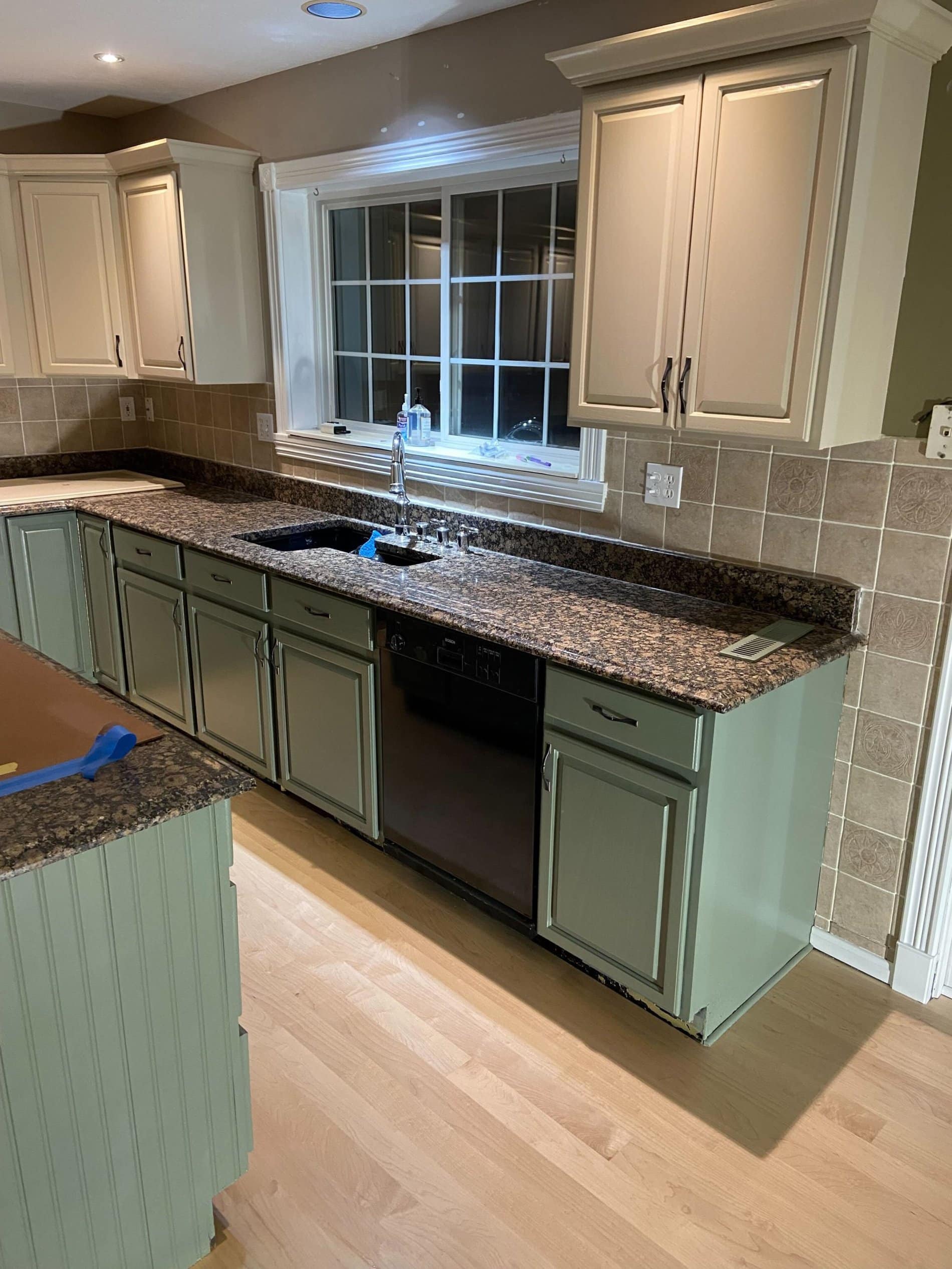
Image Source: thepickypainters.com
How Much To Change Kitchen Cabinets? Budget Guide & Price Factors
How much does it cost to change kitchen cabinets? The cost to change kitchen cabinets varies greatly, from a few hundred dollars for a DIY refacing job to upwards of $50,000 or more for entirely custom, high-end replacements. Several factors influence the overall cabinet replacement cost, including the size of your kitchen, the materials chosen for the cabinets, the type of finish, and whether you hire professionals for installation.
Embarking on a kitchen remodel can feel overwhelming, especially when it comes to the cost of cabinets. They are often the largest single expense in a kitchen renovation. This guide will break down the typical kitchen cabinet remodel expenses, explore the various options available, and help you build a realistic budget for kitchen cabinets.
Deciphering Cabinet Costs: New vs. Refacing vs. Refinishing
When you decide to “change” your kitchen cabinets, you typically have three main avenues:
- Full Cabinet Replacement: This is the most extensive option, involving the removal of your existing cabinets and installing brand new ones. This allows for a complete overhaul of your kitchen’s layout and style.
- Cabinet Refacing: This process keeps your existing cabinet boxes (the frames) intact. You then replace the cabinet doors and drawer fronts with new ones, and often apply a new veneer or laminate to the visible parts of the cabinet boxes.
- Cabinet Refinishing/Repainting: This is the most budget-friendly option. It involves cleaning, sanding, and repainting or staining your existing cabinet doors, drawer fronts, and cabinet boxes.
Each of these methods has a vastly different impact on your wallet and the final look of your kitchen.
Cabinet Replacement Cost: A Deep Dive
Replacing your kitchen cabinets means you’re starting from scratch. This gives you the most freedom in terms of style, material, and layout.
Factors Influencing New Cabinet Prices
Several key elements contribute to the new kitchen cabinet prices:
-
Cabinet Construction Type:
- Stock Cabinets: These are pre-made in standard sizes and styles, offering the lowest price point. They are readily available at big box stores and are a great option for those on a tighter budget for kitchen cabinets.
- Semi-Custom Cabinets: These offer more flexibility than stock cabinets. You can choose from a wider range of sizes, styles, finishes, and door types. They offer a good balance between cost and customization.
- Custom Cabinets: These are built to your exact specifications, allowing for unique designs, specialized storage solutions, and premium materials. This is the most expensive option, significantly impacting your cabinetry project cost. The custom kitchen cabinet cost can be substantial, but it offers unparalleled personalization.
-
Materials: The wood species and construction materials used will greatly affect the price.
- Particleboard/MDF (Medium-Density Fiberboard): Often used for cabinet boxes and sometimes doors in stock or budget semi-custom options. It’s affordable but less durable than solid wood.
- Plywood: A stronger and more durable option for cabinet boxes, often found in better quality stock and semi-custom cabinets.
- Solid Wood (e.g., Maple, Oak, Cherry, Birch): Used for cabinet doors, drawer fronts, and sometimes frames. Hardwoods like cherry and maple are more expensive than softer woods like pine. The average kitchen cabinet prices will rise with the use of premium solid woods.
- Laminates and Melamine: These are vinyl or plastic-based coatings applied over particleboard or MDF. They are durable and come in many colors and patterns but can be susceptible to chipping.
-
Door Style and Construction:
- Flat-panel (Slab): The simplest and often most affordable door style.
- Shaker: A very popular style with a recessed center panel and a flat frame. Moderately priced.
- Raised-panel: Features a center panel that is raised, adding dimension and elegance. Usually more expensive.
- Mullion/Glass-front: Doors with glass inserts or decorative grilles. These add visual interest but also increase the cost.
-
Finish:
- Paint: Can be applied to various materials. Quality of paint and application process affects price.
- Stain: Enhances the natural grain of wood. Different stains have varying costs.
- Glazes and Specialty Finishes: Applied over paint or stain to create antique, distressed, or textured looks. These are typically more expensive.
-
Hardware: Hinges, drawer slides, and knobs/pulls are crucial. Soft-close hinges and full-extension drawer slides are premium features that add to the kitchen cabinet upgrade cost.
-
Cabinet Features and Accessories:
- Dovetail Drawer Construction: A sign of quality craftsmanship, adding to the price.
- Full-extension Drawer Slides: Allow drawers to open completely, providing better access.
- Soft-close Hinges and Drawer Slides: Prevent doors and drawers from slamming shut.
- Internal Organizers: Pull-out shelves, spice racks, trash pull-outs, lazy Susans, and dividers. These add convenience but also cost.
-
Labor Costs: Cabinet installation prices are a significant part of the overall cabinet replacement cost. These vary based on your location, the complexity of the installation, and whether you hire a general contractor or just cabinet installers.
Price Ranges for New Cabinets (Estimate)
| Cabinet Type | Estimated Cost Range (per linear foot) | Estimated Total Cost (for a 10×10 kitchen) |
|---|---|---|
| Stock | $100 – $250 | $3,000 – $7,500 |
| Semi-Custom | $250 – $750 | $7,500 – $22,500 |
| Custom | $750 – $1,500+ | $22,500 – $45,000+ |
Note: These are rough estimates and can fluctuate significantly.
The cabinetry project cost for full replacement includes not only the cabinets themselves but also demolition of the old ones, potential wall modifications, new hardware, and installation labor.
Cost to Reface Kitchen Cabinets: A Smart Compromise
Cabinet refacing offers a way to give your kitchen a fresh look without the high cost of complete replacement. The cost to reface kitchen cabinets is typically between 50% and 70% of the cost of new cabinets.
How Refacing Works
Refacing involves:
- Preparation: Existing cabinets are cleaned and lightly sanded.
- Door and Drawer Front Replacement: All visible doors and drawer fronts are removed and replaced with new ones made of your chosen material (wood, laminate, thermofoil).
- Veneering/Laminating Cabinet Boxes: The visible surfaces of the cabinet boxes (the frames) are covered with a thin layer of wood veneer, laminate, or matching material to create a seamless look.
- New Hardware: New knobs, pulls, and often new hinges are installed.
Factors Influencing Refacing Costs
- Material of New Doors and Drawer Fronts: Solid wood doors will be more expensive than laminate or thermofoil.
- Type of Veneer/Laminate for Cabinet Boxes: Real wood veneer is more costly than vinyl or laminate.
- Number of Doors and Drawers: More doors and drawers mean more material and labor.
- Complexity of Existing Cabinet Boxes: Unusual shapes or existing damage can increase complexity.
- Brand and Quality of Materials: Higher-end materials will naturally cost more.
- Labor Costs: Professional refacing services charge for their expertise.
Price Ranges for Cabinet Refacing (Estimate)
| Refacing Aspect | Estimated Cost Range (for a 10×10 kitchen) |
|---|---|
| Doors & Drawer Fronts | $2,000 – $8,000 |
| Veneering/Laminating | $1,000 – $3,000 |
| Hardware | $200 – $1,000 |
| Professional Labor | $1,500 – $5,000 |
| Total Refacing Cost | $4,700 – $17,000 |
Note: This estimate assumes you are refacing all accessible cabinet fronts and boxes.
Refacing is a great option if your current cabinet boxes are in good structural condition and you are happy with your kitchen’s current layout. It can significantly improve the aesthetics of your kitchen for a fraction of the cost of new cabinets.
Cabinet Refinishing/Repainting: The Budget-Friendly Solution
If your cabinets are structurally sound and you love their layout, but they’re just looking a bit tired, refinishing or repainting is the most economical way to update them.
DIY vs. Professional Refinishing
- DIY Refinishing: This can save you a considerable amount on labor costs. However, it requires a significant investment of your time and effort. You’ll need to purchase paint, primer, brushes, rollers, sandpaper, and potentially a sprayer.
- Professional Refinishing: Hiring professionals ensures a high-quality, durable finish. They have the proper tools, techniques, and often a spray booth for a flawless result. This will add to the overall cabinetry project cost but can be worth it for the time saved and superior outcome.
Factors Influencing Refinishing Costs
- Size of the Kitchen: More cabinets mean more surface area to cover.
- Condition of Existing Cabinets: Cabinets with heavy damage, peeling finishes, or extensive repairs needed will cost more to prep.
- Type of Finish: Oil-based paints, lacquers, or specialty finishes can be more expensive than standard latex paints.
- Preparation Required: The more sanding, stripping, or repairs needed, the higher the cost.
- Labor Costs (if hiring professionals): This is the primary driver of cost for professional refinishing.
Price Ranges for Cabinet Refinishing (Estimate)
| Refinishing Method | Estimated Cost Range (for a 10×10 kitchen) |
|---|---|
| DIY | $300 – $1,000 |
| Professional | $2,000 – $6,000 |
Note: These figures are for the cabinets only and do not include other kitchen remodel expenses.
While the average kitchen cabinet prices for new cabinets can be high, refinishing offers a way to achieve a dramatic transformation on a much smaller budget. It’s a great kitchen cabinet upgrade cost solution for budget-conscious homeowners.
Comprehending Cabinet Quality and Its Impact on Price
The perceived value and longevity of your cabinets are directly tied to their quality. Quality is reflected in materials, construction methods, and finishes.
Material Matters: Plywood vs. Particleboard vs. Solid Wood
- Plywood: Often considered the standard for good quality cabinet boxes. It’s strong, resistant to moisture, and less prone to sagging than particleboard.
- Particleboard: The most affordable option, made from wood particles compressed with resin. It’s susceptible to moisture damage and can sag over time, especially under the weight of heavy items.
- Solid Wood: The premium choice for doors, drawer fronts, and sometimes frames. Different wood species offer varying durability, grain patterns, and price points. Maple and cherry are durable and beautiful but costly. Oak is strong and has a distinctive grain. Pine is softer and less expensive but can dent more easily.
Construction Techniques: Dovetail vs. Dowel/Glue
- Dovetail Joints: A strong, interlocking joint commonly used for drawer construction. This is a hallmark of high-quality cabinetry and adds to the custom kitchen cabinet cost.
- Dowel and Glue: A more economical method of joining cabinet parts, often seen in stock cabinets. While functional, it may not be as durable as dovetail joints over the long term.
Finish Quality: Durability and Aesthetics
A high-quality finish not only makes cabinets look good but also protects them from moisture, stains, and wear.
- Lacquers and Varnishes: Offer good protection but can be prone to chipping or scratching if not applied properly.
- Paints: Modern cabinet paints are durable and come in a wide array of colors. The application process (sprayed vs. brushed/rolled) significantly impacts the final appearance and cost.
- Thermofoil: A vinyl film applied to MDF. It’s durable and easy to clean but can peel or delaminate over time, especially in high-heat areas like near ovens.
Planning Your Kitchen Cabinet Budget
Creating a realistic budget for kitchen cabinets is crucial for a successful renovation. Here’s a breakdown of how to approach it:
Step 1: Assess Your Needs and Wants
- Layout: Do you need to change the layout, or are you happy with the current arrangement? A new layout often means more cabinetry.
- Storage Solutions: What specific storage features do you require (e.g., pull-out drawers, pantry cabinets, spice racks)?
- Aesthetics: What style, color, and finish are you envisioning?
- Durability: How long do you expect your cabinets to last? This influences material choices.
Step 2: Get Quotes from Multiple Sources
- Cabinet Manufacturers/Showrooms: For new cabinets, visit different showrooms to see options and get quotes.
- Refacing Companies: Contact several refacing specialists for estimates.
- Cabinet Installers/Contractors: For installation labor, get quotes from multiple professionals.
Step 3: Factor in All Associated Costs
When budgeting for cabinet replacement cost, don’t forget these:
- Demolition and Disposal: If you’re removing old cabinets.
- Delivery Fees: For new cabinets.
- Hardware: Knobs, pulls, hinges, drawer slides.
- Countertop Installation: Cabinets need to be installed before countertops.
- Backsplash Installation: Often done after countertops.
- Appliances: Consider if you need new appliances to fit your new cabinet layout.
- Contingency Fund: Always set aside 10-20% of your total budget for unexpected expenses.
Step 4: Prioritize and Make Trade-offs
If your desired options exceed your budget, you’ll need to make choices. Perhaps you opt for semi-custom cabinets instead of fully custom, or choose a more budget-friendly door style. Sometimes, a slightly higher kitchen cabinet upgrade cost for better quality materials can save you money in the long run due to increased durability.
Average Kitchen Cabinet Prices: A Quick Snapshot
To give you a clearer picture, let’s look at some ballpark figures:
- Average Cost for Stock Cabinets: $3,000 – $10,000 for a standard kitchen.
- Average Cost for Semi-Custom Cabinets: $8,000 – $25,000 for a standard kitchen.
- Average Cost for Custom Cabinets: $15,000 – $50,000+, sometimes significantly more for high-end designs and materials.
- Average Cost for Cabinet Refacing: $5,000 – $15,000 for a standard kitchen.
- Average Cost for Professional Cabinet Painting: $2,000 – $6,000 for a standard kitchen.
These figures highlight the vast range in average kitchen cabinet prices and how different approaches impact your overall cabinetry project cost.
Hiring Professionals: Cabinet Installation Prices and More
The cabinet installation prices can be a significant portion of your cabinet replacement cost. The complexity of the installation, the type of cabinets, and your location all play a role.
Who Should Install Your Cabinets?
- Cabinet Installers: Specialized professionals who focus solely on cabinet installation.
- General Contractors: If you’re undertaking a larger kitchen remodel, a general contractor can manage the entire project, including cabinet installation.
- DIY: For the very handy and time-conscious, DIY installation is an option, but it requires precision and patience.
What to Look for in a Professional
- Experience: Ask about their experience with your specific type of cabinetry.
- Portfolio: Review their past work.
- References: Speak to previous clients.
- Insurance: Ensure they are licensed and insured.
- Detailed Quote: Get a written quote that clearly outlines all costs.
Frequently Asked Questions (FAQ)
Q1: How much does it cost to reface kitchen cabinets versus buying new ones?
Refacing kitchen cabinets typically costs between 50% and 70% of the price of new cabinets. It’s a more budget-friendly option if your existing cabinet boxes are in good condition.
Q2: What is the cheapest way to change kitchen cabinets?
The cheapest way is usually to paint or refinish your existing cabinets. If that’s not an option, then choosing stock cabinets is the most economical route for replacement.
Q3: Can I save money by installing cabinets myself?
Yes, DIY installation can save on labor costs, but it requires significant time, skill, and the right tools. Poor installation can lead to expensive problems down the line.
Q4: What factors most influence the cost of new kitchen cabinets?
The primary cost drivers for new kitchen cabinets are the material of the doors and boxes, the construction type (stock, semi-custom, custom), the complexity of the design, and the finish.
Q5: What is the average kitchen cabinet price for a mid-sized kitchen?
For a mid-sized kitchen (approximately 10×10 feet), the average kitchen cabinet price can range from $3,000 for basic stock cabinets to $25,000+ for semi-custom or custom options.
Q6: How much does cabinet installation cost?
Cabinet installation prices can vary widely, but a general estimate is often between $100 to $300 per cabinet, or a percentage of the total cabinet cost (around 20-30%).
Q7: When should I consider a kitchen cabinet remodel expense versus a full replacement?
If your cabinet boxes are structurally sound, you’re happy with your kitchen’s layout, and you’re looking for an aesthetic update, refacing or refinishing can be a cost-effective remodel expense. If your cabinets are damaged, outdated in style, or you want to change the kitchen’s layout, a full replacement is likely necessary.
By carefully considering these factors and planning diligently, you can navigate the complex world of kitchen cabinetry costs and achieve the kitchen of your dreams within your budget.