
Wondering about the cost to reface kitchen cabinets? The kitchen cabinet refacing cost can range significantly, typically from $4,000 to $12,000 for an average-sized kitchen, but this can vary based on materials, complexity, and labor.
Updating your kitchen can feel like a big undertaking, and the cabinets are often the most prominent feature. If your cabinet boxes are still in good shape but the doors and drawer fronts look dated or worn, cabinet refacing is a fantastic way to breathe new life into your kitchen without the massive expense and disruption of a full gut renovation. This process involves replacing the visible exterior surfaces of your cabinets, giving them a completely new look.
But how much does it actually cost to reface cabinets? Let’s dive deep into the factors that influence the price and what you can expect for your kitchen cabinet update cost.
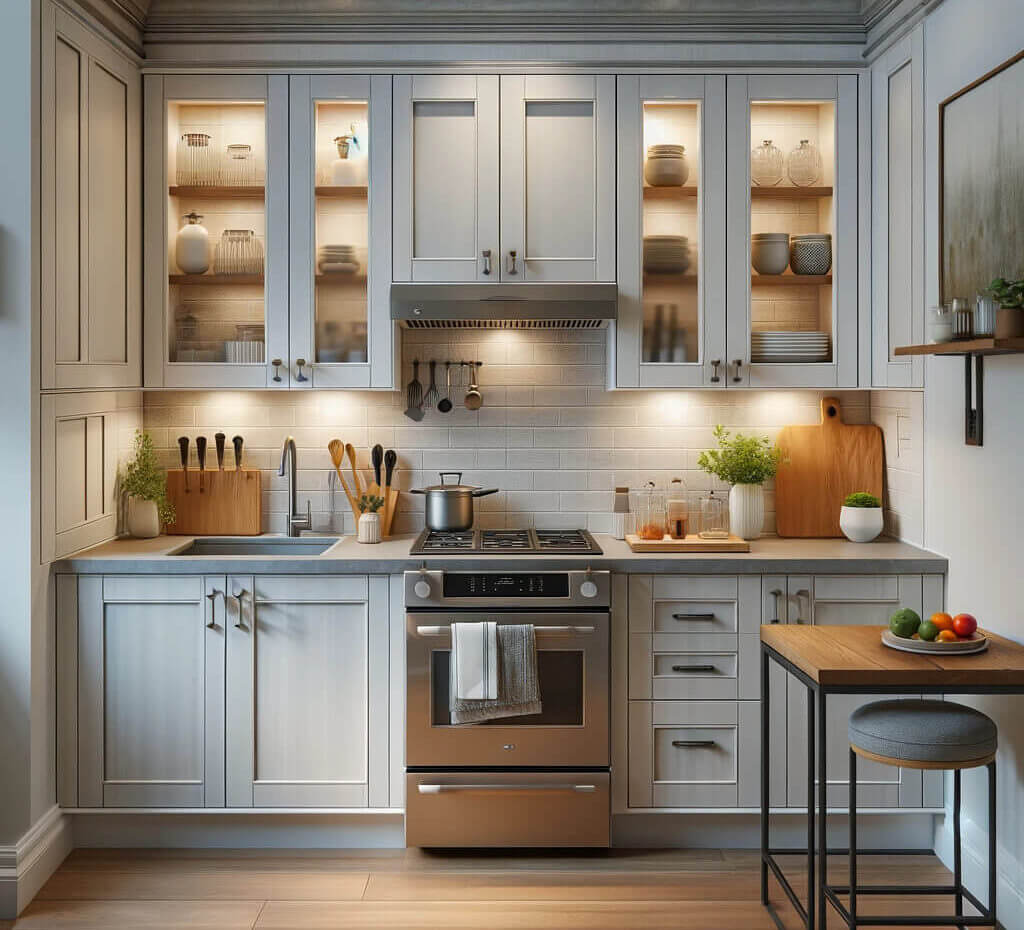
Image Source: modernize.com
What is Cabinet Refacing?
Cabinet refacing is a kitchen remodeling technique where you update the look of your existing kitchen cabinets without replacing the entire unit. Instead of removing and discarding the whole cabinet structure, you keep the existing cabinet boxes (the frames). The process involves:
- Removing old doors and drawer fronts.
- Applying a new veneer or laminate to the visible surfaces of the cabinet boxes (like the sides and face frames).
- Installing new cabinet doors and drawer fronts.
- Adding new hardware (like knobs and pulls).
The result is a kitchen that looks brand new, as if you installed entirely new cabinets, but at a fraction of the cost and with less mess. It’s an excellent option for homeowners looking for a significant aesthetic upgrade while maintaining the structural integrity of their existing cabinetry.
The Benefits of Cabinet Refacing
Before we get into the nitty-gritty of costs, it’s helpful to know why refacing is such a popular choice:
- Cost-Effective: Generally, refacing is about half the cost of replacing all your cabinets.
- Faster Installation: The process is much quicker than a full cabinet replacement, often completed in a week or two.
- Less Disruption: You can often still use your kitchen during the process, as only the doors and drawer fronts are removed and replaced.
- Eco-Friendly: You’re reducing waste by keeping the existing cabinet boxes.
- Customizable: You have a wide range of styles, colors, and materials to choose from for your new doors and drawer fronts.
Fathoming the Costs: What Influences Your Refacing Bill?
Several key elements will impact your final refacing kitchen cabinets estimate. Understanding these can help you budget effectively and make informed decisions.
Material Choices for Doors and Drawer Fronts
This is perhaps the biggest driver of the cabinet door replacement cost. The material you select for your new fronts will significantly affect the price.
Wood Options
- Maple: A popular choice, maple offers a smooth grain and takes stains and paints beautifully. It’s durable and mid-range in price.
- Cherry: Known for its rich color and elegant grain patterns, cherry wood is more expensive than maple but offers a luxurious look.
- Oak: A classic and sturdy option, oak has a prominent grain that can be stained or painted. It’s generally more affordable than maple or cherry.
- Hickory: Strong and durable, hickory has a distinctive, often dramatic grain pattern. Its cost is comparable to maple.
- Birch: Similar to maple in appearance and durability, birch is often a more budget-friendly wood option.
Laminate and Thermofoil
- Laminate: This is a durable, synthetic material applied over particleboard or MDF. It’s excellent for mimicking wood grains or offering solid colors and patterns. Laminate is generally less expensive than solid wood and is resistant to moisture and stains.
- Thermofoil: This is a vinyl film heat-sealed onto an MDF core. It offers a smooth, seamless finish and is easy to clean. Thermofoil is typically one of the most budget-friendly options for new cabinet fronts.
Other Materials
- MDF (Medium-Density Fiberboard): Often used as a core for veneers, laminates, or painted finishes, MDF itself isn’t typically used for visible fronts unless painted. It’s affordable but can be susceptible to moisture damage.
- Veneers: Thin layers of real wood applied over a substrate like MDF or plywood. This offers the look of solid wood at a lower cost.
The Style of Doors and Drawer Fronts
The design you choose also plays a role.
- Shaker Style: Simple, clean lines with a flat center panel and a raised frame. Very popular and generally mid-priced.
- Raised Panel: Features a center panel that is raised or molded, offering a more traditional and elegant look. These often cost more.
- Recessed Panel: Similar to Shaker but may have more decorative edge profiles on the frame.
- Flat Panel (Slab): A simple, modern, and flat surface. These are often the most cost-effective as they are the simplest to manufacture.
- Custom Designs: Intricate details, bevels, or unique profiles will increase the cost of new cabinet fronts.
Finishes and Colors
- Stained Finishes: These highlight the natural beauty of the wood grain. Prices can vary depending on the complexity of the stain (e.g., custom mixes, glazes).
- Painted Finishes: A smooth painted finish, especially in popular colors like white or gray, can be very attractive. The quality of the paint job and the number of coats will affect the price.
- Specialty Finishes: Glazes, distressed looks, or two-tone effects can add to the cabinet makeover cost.
The Size and Number of Cabinets
The average cost to reface cabinets is calculated based on the number of doors and drawer fronts your kitchen has. A larger kitchen with many cabinets will naturally cost more than a smaller one. This includes:
- Upper cabinet doors
- Base cabinet doors
- Drawer fronts
- Any specialty doors (e.g., for appliance panels, glass inserts)
Labor Costs
The kitchen cabinet renovation cost is heavily influenced by labor. This includes:
- Professional Installation: Hiring experienced professionals will ensure a high-quality finish but will add to the overall expense. Rates vary by region.
- DIY vs. Professional: While you can save money by doing some of the work yourself (like removing old fronts and applying veneer), hiring professionals for the entire process is recommended for a polished look.
Additional Components and Services
- Hardware: New knobs, pulls, and hinges can add $5-$25 or more per piece. While not strictly part of the refacing itself, they are usually part of the overall project.
- Cabinet Box Veneer/Laminate: The cost to cover the visible cabinet box frames with matching veneer or laminate is included in refacing. The material and complexity of the cabinet box design (e.g., intricate moldings) will impact this.
- Add-ons: Consider if you want new drawer boxes, glides, or interior organizers, which will increase the total kitchen cabinet update cost.
- Contingency: Always factor in a buffer (10-20%) for unexpected issues or upgrades.
Typical Cost Breakdown for Cabinet Refacing
To give you a clearer picture, let’s look at a typical cost breakdown for refacing an average-sized kitchen.
Average Kitchen Refacing Cost Components
| Component | Estimated Cost Range (for average kitchen) | Notes |
|---|---|---|
| New Doors & Drawer Fronts | $2,500 – $7,000 | Varies greatly by material (wood, laminate, thermofoil) and style. |
| Veneer/Laminate for Cabinet Boxes | $800 – $2,000 | Covers visible frame surfaces. |
| Labor (Removal, Application, Install) | $1,500 – $3,500 | Includes prep, application of veneer, installation of new doors/drawers. |
| Hardware (Knobs/Pulls/Hinges) | $300 – $1,000+ | Depends on quantity and quality of hardware chosen. |
| Total Estimated Cost | $5,100 – $13,500 | This is a broad range; actual costs can be higher or lower. |
Note: These figures are estimates and can fluctuate significantly based on your specific kitchen and choices.
Understanding Cabinet Resurfacing Prices
Cabinet resurfacing prices are often discussed alongside refacing, but it’s important to distinguish them. Resurfacing can sometimes refer to less intensive updates like painting or staining existing doors and drawer fronts. Refacing, as we’ve discussed, involves replacing the doors and drawer fronts and veneering the boxes.
Cost Comparison: Refacing vs. Replacement vs. Painting
| Option | Average Cost (for average kitchen) | Pros | Cons |
|---|---|---|---|
| Cabinet Refacing | $4,000 – $12,000 | Significant aesthetic upgrade, cost-effective vs. replacement, faster. | Not a structural change; cabinet box condition must be good; limited by existing layout. |
| Cabinet Replacement | $10,000 – $30,000+ | Complete design freedom, structural improvements possible, new layout options. | Most expensive, most disruptive, longest installation time. |
| Cabinet Painting | $1,500 – $5,000 | Most budget-friendly for an aesthetic update, can refresh existing look. | Durability can be an issue if not done professionally; limited to existing door styles. |
This comparison highlights why refacing often hits the sweet spot for many homeowners seeking a dramatic kitchen update.
Getting a Refacing Kitchen Cabinets Estimate: What to Expect
When you get a quote for kitchen cabinet refacing cost, a reputable contractor will provide a detailed breakdown. Here’s what you should look for and ask:
What a Good Estimate Includes
- Detailed Measurement: They should measure every door, drawer front, and cabinet box surface to be covered.
- Material Specifications: Clear identification of the materials to be used for doors, drawer fronts, and veneers (e.g., solid maple, laminate, specific brand).
- Style and Finish: The exact style (Shaker, raised panel, etc.) and the chosen finish (paint color, stain code) should be specified.
- Scope of Work: What exactly is included? (e.g., removal of old fronts, application of veneers to exposed frames, installation of new fronts, hardware installation).
- Hardware: If hardware is included, specify the type, brand, and quantity.
- Timeline: An estimated start and completion date.
- Warranty: What kind of warranty is offered on materials and labor?
- Payment Schedule: How much is due upfront, and what are the progress payments?
- Exclusions: What is not included? (e.g., plumbing, electrical, countertop removal/installation).
Factors Affecting Your Estimate’s Accuracy
- Kitchen Layout: L-shaped or U-shaped kitchens with more corners and appliance garages can increase complexity and cost.
- Cabinet Condition: If cabinet boxes have damage (water damage, rot), they may need repair or reinforcement, adding to the cabinet makeover cost.
- Customization: Any unique requests, like matching existing moldings or adding decorative elements, will likely increase the price.
The Cost of Refacing Kitchen Cabinet Doors Specifically
Sometimes, you might only need to replace the doors and drawer fronts without veneering the cabinet boxes. This is essentially cabinet door replacement cost. If your cabinet boxes are in excellent condition and their visible surfaces are already a material you like (e.g., a nice wood that matches your new doors), you might opt for this.
The cost of refacing kitchen cabinet doors typically ranges from $2,000 to $6,000 for an average kitchen. This cost is primarily for the new doors and drawer fronts themselves, plus the hardware. You would then need to factor in your own labor or the cost of a handyman to install them if you’re not veneering the boxes.
DIY vs. Professional Refacing
While the idea of saving money by doing it yourself is appealing, cabinet refacing is a project that requires precision and skill for a professional finish.
DIY Considerations
- Cost Savings: You can save on labor, which is a significant portion of the total kitchen cabinet renovation cost.
- Time Investment: This is not a weekend project. It requires careful measuring, ordering, and installation.
- Skill Level: Applying veneer smoothly, cutting doors to precise measurements, and installing hinges correctly requires some carpentry skill. Errors can be costly.
- Tools: You’ll need specialized tools like a good measuring tape, possibly a router for hinge mortises, and tools for applying veneers.
- Material Sourcing: Finding quality doors and veneers at competitive prices can be challenging for individuals.
Professional Refacing Advantages
- Expertise: Professionals have the experience to handle any surprises and ensure a flawless finish.
- Quality Materials: Reputable companies often have access to better quality materials and a wider selection.
- Time Efficiency: They can complete the project much faster than a DIYer.
- Warranty: Professional installation typically comes with a warranty, protecting your investment.
- Reduced Stress: You can relax knowing experienced hands are transforming your kitchen.
For most homeowners, especially those who want a high-quality, long-lasting result, hiring professionals for refacing is the best route.
Frequently Asked Questions (FAQ)
Q1: Is cabinet refacing worth the cost?
A1: For many homeowners, yes. If your cabinet boxes are structurally sound and you want a significant aesthetic upgrade without the expense and disruption of full replacement, refacing offers excellent value. It can dramatically improve your kitchen’s look and feel for roughly half the cost of new cabinets.
Q2: How long does cabinet refacing take?
A2: Typically, cabinet refacing takes anywhere from 3 to 10 days to complete, depending on the size of your kitchen, the complexity of the cabinet design, and the contractor’s schedule.
Q3: Can you paint over old cabinet veneer?
A3: While technically possible, painting over old cabinet veneer is generally not recommended. The durability and finish quality are often compromised. Refacing with new doors and drawer fronts or a fresh veneer on the boxes will yield much better, longer-lasting results.
Q4: Does refacing include new hinges?
A4: Most professional refacing services include new hinges as part of the package. You can often choose between standard hinges and soft-close hinges, with the latter sometimes incurring an additional cost. Always confirm this when getting your refacing kitchen cabinets estimate.
Q5: Can I reface cabinets with different door styles?
A5: Yes, a major benefit of refacing is that you can choose entirely new door and drawer front styles. This allows you to transition from a traditional look to a modern one, or vice versa, as part of the kitchen cabinet update cost.
Q6: What’s the difference between refacing and refinishing?
A6: Refinishing usually refers to sanding down existing cabinets and applying a new stain or paint. Refacing involves replacing the doors and drawer fronts and applying new veneer to the cabinet boxes, giving a more substantial and modern update than refinishing.
Q7: How do I maintain refaced cabinets?
A7: Maintenance depends on the material of your new doors and drawer fronts. For wood, use a wood cleaner. For laminate or thermofoil, a damp cloth and mild soap are usually sufficient. Avoid abrasive cleaners or excessive moisture, especially around seams.
Conclusion
Revitalizing your kitchen doesn’t always mean a complete overhaul. Cabinet refacing presents a compelling and cost-effective solution for transforming your kitchen’s appearance. By carefully considering material choices, styles, and the scope of work, you can get a clear picture of the kitchen cabinet refacing cost. Whether you opt for the elegance of new wood doors or the practicality of laminate, refacing offers a significant aesthetic upgrade that can boost your home’s value and your enjoyment of your kitchen space. Always get detailed quotes from reputable contractors to ensure you’re getting the best value for your cabinet makeover cost.