
What is the average cost to unclog a kitchen sink? The average cost to unclog a kitchen sink typically ranges from $100 to $250 for a professional plumber, though this can vary significantly based on the severity of the clog, the method used, and your location.
A clogged kitchen sink is a common household problem. Grease, food scraps, and other debris can build up in your pipes, leading to slow drains or complete blockages. When this happens, you’re faced with the question: how much will it cost to fix? The price to get your kitchen sink draining smoothly again can depend on several factors, from whether you tackle it yourself to calling in the pros.
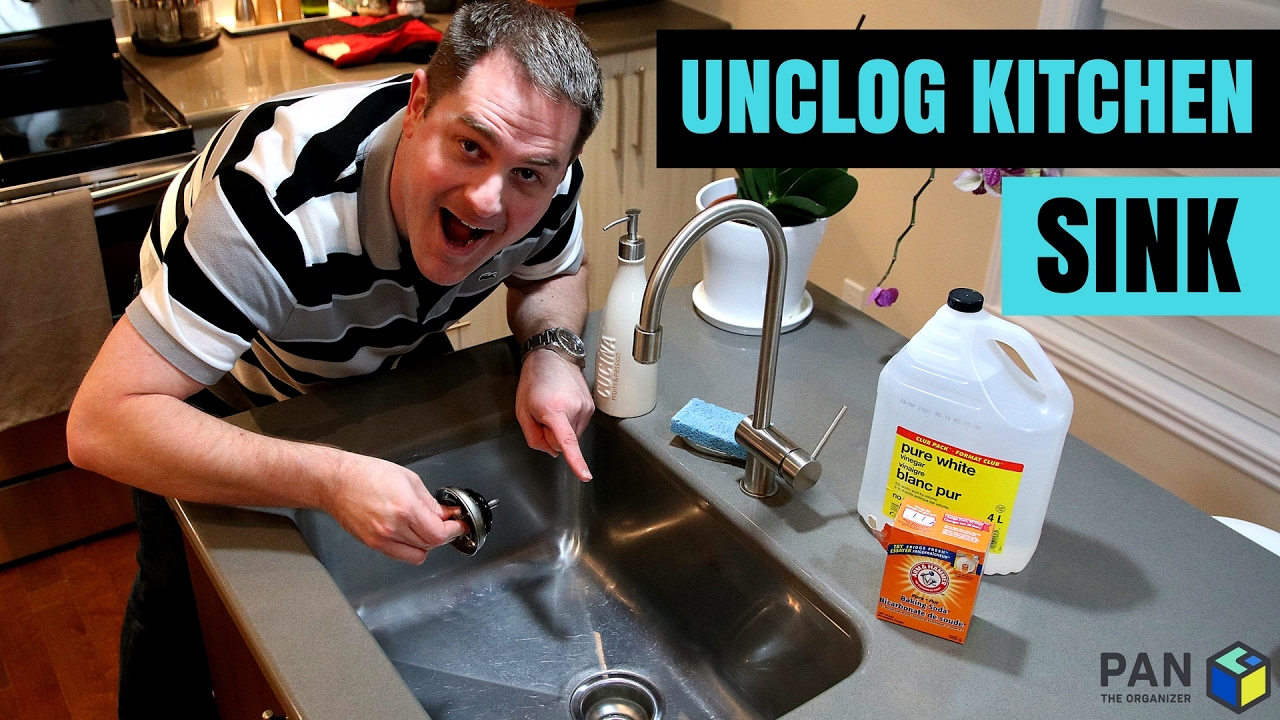
Image Source: i.ytimg.com
Fathoming the Expenses: What Influences the Price?
Several elements play a role in determining the final bill for a clogged kitchen sink. Let’s break them down.
The Severity of the Clog
This is arguably the biggest factor. A minor clog that can be cleared with a simple plunger or a bit of hot water will cost next to nothing. However, a stubborn blockage deep in the pipes, perhaps caused by a significant buildup of grease or even a foreign object, will require more effort and potentially specialized tools, driving up the cost.
Your Location
Where you live can significantly impact prices. Plumbers in major metropolitan areas often charge more than those in rural or suburban regions due to higher operating costs and demand.
The Method of Unclogging
Different approaches have different price points, especially when comparing DIY solutions to professional services.
DIY Sink Unclogging Expenses
You might be tempted to save money by trying to fix the clog yourself. This is often the cheapest route, with the DIY sink unclogging expenses usually limited to the cost of tools or cleaning agents.
Common DIY Solutions and Their Costs:
- Sink Plunger Cost: A basic sink plunger is an essential tool for any household. You can typically buy a good quality one for $5 to $15. It’s often the first line of defense against clogs.
- Hot Water and Baking Soda Cost: This is one of the most budget-friendly methods. A box of baking soda costs around $1 to $3, and you already have hot water. This method is best for minor grease buildup.
- Chemical Drain Cleaner Price: These products can be effective but should be used with caution as they can damage pipes over time. A bottle typically costs between $5 to $15. Always follow the product instructions carefully.
- Enzyme Drain Cleaner Price: These are a more eco-friendly alternative to harsh chemicals. They use natural enzymes to break down organic matter. The enzyme drain cleaner price usually ranges from $10 to $20 per bottle. They work best on organic clogs and may take longer to be effective.
- Drain Snake Cost Kitchen (Manual Auger): For clogs that a plunger can’t dislodge, a drain snake (or plumber’s auger) is the next step. You can buy a basic manual drain snake for your kitchen sink for $15 to $30. These are flexible metal cables that you feed into the drain to break up or pull out the clog.
Professional Plumbing Services: When and How Much?
If DIY methods fail or you suspect a more serious issue, it’s time to call a plumber. The plumber rates for sink clog services can vary, but here’s what you can generally expect.
Factors Affecting Plumber Costs:
- Hourly Rates: Most plumbers charge an hourly rate, typically ranging from $75 to $200 per hour.
- Call-Out Fees/Service Fees: Many plumbing companies have a base fee just for coming to your home, which can be anywhere from $50 to $150. This fee is often deducted from the total cost of the repair if you proceed with their services.
- Emergency Service Surcharges: If your sink clogs at an inconvenient time (nights, weekends, holidays), you might incur an extra charge, which can add 50% or more to the standard rates.
Common Plumbing Methods and Their Associated Costs:
- Plunger Use by a Plumber: While you can use a plunger yourself, a plumber might use a specialized, more powerful plunger. If this is all that’s needed, the cost will likely be their minimum service call fee plus possibly an hour of labor, bringing it to $100 to $200.
- Drain Snake/Auger Service: Plumbers use professional-grade drain augers, which are more robust than the ones you can buy. They can clear clogs further down the pipe and are very effective for grease and hair blockages. The kitchen sink drain cleaning cost using a professional auger typically falls between $100 and $250.
- Hydro-Jetting: For severe grease buildup or clogs that are difficult to dislodge, hydro-jetting is an option. This method uses high-pressure water to blast away blockages. It’s more expensive, usually costing between $200 and $500 for a kitchen sink.
- Camera Inspection: If the plumber can’t identify the source of the clog or suspects pipe damage, they might use a camera to inspect the drain lines. This can add $100 to $300 to the overall bill.
When the Clog Points to Bigger Problems
Sometimes, a persistent kitchen sink clog isn’t just a simple blockage. It could be a sign of a more significant issue with your plumbing system.
Trenchless Drain Repair Cost
If your drain pipes are damaged, corroded, or have tree roots invading them, you might need more extensive repairs. Trenchless drain repair cost is a modern solution that avoids digging up your yard. Instead, it involves inserting a new pipe lining inside the existing one or replacing sections with minimal excavation.
- Pipe Relining Cost Kitchen Sink: For kitchen sink drains, pipe relining can cost anywhere from $80 to $200 per linear foot. A typical kitchen drain line might be 30-50 feet, making the total cost for relining a kitchen sink drain line potentially $2,400 to $10,000 or more, depending on the extent of the damage and the contractor. This is a significant investment but can prevent future costly problems.
Traditional Pipe Replacement
In cases of severe pipe damage, traditional excavation and replacement might be necessary. This is the most expensive option, as it involves digging up your yard to access and replace the pipes. The cost can be significantly higher than trenchless methods.
Deciphering the Process: DIY vs. Professional
Choosing between a DIY approach and hiring a professional depends on your comfort level, the severity of the clog, and your budget.
DIY: Pros and Cons
- Pros:
- Significantly cheaper.
- Immediate access to tools and methods.
- Sense of accomplishment.
- Cons:
- May not solve the problem if the clog is severe or deep.
- Risk of damaging pipes with harsh chemicals or improper tool use.
- Can waste money on ineffective DIY products.
Professional: Pros and Cons
- Pros:
- Expertise to diagnose and fix complex clogs.
- Access to professional-grade tools and technology.
- Guaranteed work, often with a warranty.
- Saves you time and potential frustration.
- Cons:
- More expensive.
- Requires scheduling an appointment.
Tips for Preventing Kitchen Sink Clogs
The best way to deal with a clogged kitchen sink is to prevent it from happening in the first place. Here are some easy tips:
- Scrape Food Scraps: Always scrape food scraps from plates into the trash or compost bin before rinsing them in the sink.
- Avoid Pouring Grease Down the Drain: Grease, oil, and fat solidify in pipes and are a major cause of clogs. Pour them into a disposable container and throw them in the trash.
- Use a Drain Strainer: A mesh drain strainer catches food particles and hair before they can enter the drain. Clean it regularly.
- Run Hot Water: After using the sink, run hot water for a minute to help flush away any residual grease.
- Regular Maintenance: Once a month, pour a mixture of baking soda and vinegar down the drain, followed by hot water, to help keep pipes clear. This is a simple and cheap maintenance step.
Frequently Asked Questions (FAQ)
Here are some common questions people have about unclogging their kitchen sinks:
Q1: How often should I clean my kitchen sink drain?
A1: It’s a good idea to perform a basic cleaning (like the baking soda and vinegar method) about once a month to prevent clogs.
Q2: Can I use bleach to unclog my kitchen sink?
A2: While bleach can kill bacteria and may help with minor odor issues, it’s generally not effective for grease or food particle clogs. It can also be harsh on pipes and dangerous if mixed with other chemicals like ammonia or vinegar.
Q3: My garbage disposal is clogged, what should I do?
A3: First, TURN OFF THE POWER to the disposal at the breaker box. Then, try using the Allen wrench that came with the unit to manually turn the motor shaft from underneath. If that doesn’t work, you may need to call a plumber. Never put your hand inside a garbage disposal.
Q4: How long does it take for a plumber to unclog a kitchen sink?
A4: A simple clog cleared with a drain snake usually takes about 30 minutes to 1 hour. More complex issues or situations requiring camera inspection could take longer.
Q5: What is the most common cause of kitchen sink clogs?
A5: The most common culprits are grease, oil, fat, coffee grounds, eggshells, and food debris that are not properly disposed of.
By weighing the costs, understanding the methods, and practicing preventative care, you can effectively manage your kitchen sink’s plumbing and keep it running smoothly. Whether you opt for a quick DIY fix or call in the professionals, knowing the potential expenses involved will help you make the best decision for your home.