
Thinking about giving your kitchen a fresh look without a full renovation? Refacing kitchen cabinets is a popular choice. The cost to reface kitchen cabinets can range anywhere from $2,000 to $10,000 or more, depending on the materials, size of your kitchen, and whether you do it yourself or hire professionals. This guide will help you understand all the factors that go into the cabinet refacing cost and what you can expect for your kitchen cabinet refinishing price. We’ll explore the cost to resurface cabinets, look at cabinet resurfacing estimates, and break down the overall kitchen cabinet makeover cost.
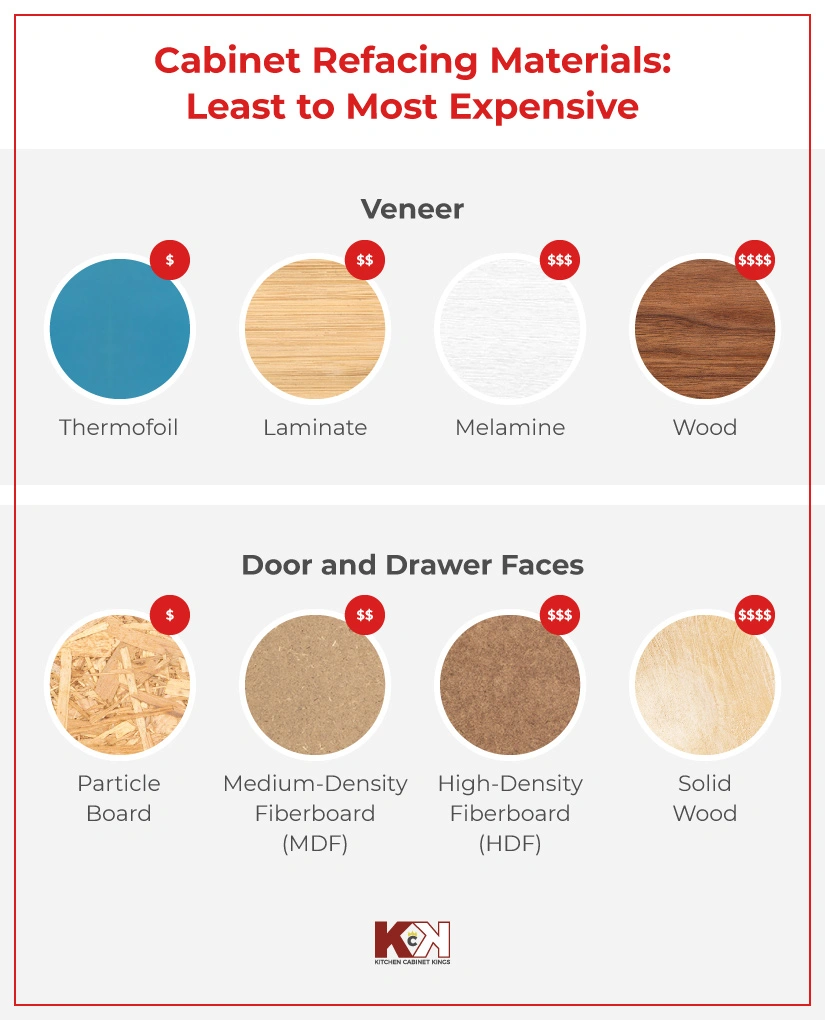
Image Source: cdn.kitchencabinetkings.com
Why Reface Instead of Replace?
Many homeowners face the dilemma: replace their old kitchen cabinets or reface them? Refacing is a fantastic option for kitchens where the cabinet boxes are still in good condition. It’s a budget-friendly way to achieve a brand-new look.
Benefits of Cabinet Refacing:
- Cost-Effective: Generally less expensive than a full cabinet replacement.
- Faster Project: Usually takes less time than a complete gut and remodel.
- Less Mess: Significantly less disruption and dust compared to demolition.
- Good for Sturdy Boxes: Ideal if your cabinet frames are solid and well-built.
- Customization: You can choose new doors, drawer fronts, hardware, and finishes.
What Does Cabinet Refacing Actually Involve?
Cabinet refacing is a process that updates the visible parts of your existing cabinets. It’s not just a simple paint job. Here’s what typically happens:
- Preparation: Existing doors and drawer fronts are removed. The cabinet frames (boxes) are cleaned and sometimes sanded.
- Veneering: Thin, high-quality wood veneers or laminate materials are applied to the exposed cabinet frames. This covers the old finish and gives the cabinets a consistent, new look.
- New Doors and Drawer Fronts: Brand new doors and drawer fronts are installed. These are the most visible parts of your cabinets and allow you to completely change the style and color.
- New Hardware: New hinges, handles, and knobs are typically added, further enhancing the updated appearance.
- Finishing Touches: Any necessary touch-ups or adjustments are made.
Factors Influencing Cabinet Refacing Costs
The average kitchen cabinet refacing cost isn’t a one-size-fits-all number. Several elements play a crucial role in determining the final price.
Kitchen Size and Number of Cabinets
The most significant factor is the size of your kitchen and the total number of cabinet doors and drawer fronts you have.
- More Cabinets = Higher Cost: Naturally, a larger kitchen with more cabinets will require more materials and labor, increasing the overall price.
- Standard Kitchen: A typical kitchen might have 10-15 base cabinets and 10-15 upper cabinets, plus drawer fronts.
- Large Kitchens: Larger kitchens can easily have 20+ doors and drawer fronts, driving up costs.
Materials Used for Doors and Drawer Fronts
The choice of materials for your new doors and drawer fronts has a major impact on the cabinet refacing cost.
- Veneers:
- Wood Veneers (Oak, Maple, Cherry): These offer a natural wood look and can be stained to match your desired color. They are generally mid-range in price.
- Laminate: Durable and easy to clean, laminate is often more budget-friendly. It can mimic the look of wood or come in solid colors and patterns.
- Thermofoil: A vinyl film applied over MDF, thermofoil is very affordable. However, it can be prone to peeling or damage from heat over time.
- Solid Wood: While technically you can get solid wood doors for refacing, it’s less common as it adds significantly to the cost and might be more comparable to full replacement. However, if you opt for higher-end wood veneers or custom finishes, the price will reflect that.
Style of Doors and Drawer Fronts
The design and construction of your new doors and drawer fronts also affect the price.
- Shaker Style: Simple, clean lines, usually one of the more affordable options.
- Raised Panel: Features a raised center panel, adding depth and a more traditional look. This is typically more expensive.
- Recessed Panel: Similar to Shaker but with a slightly different profile.
- Mullion Doors: Doors with glass inserts and decorative framing can increase costs.
- Custom Designs: Bespoke or intricate designs will command a higher price.
Type of Refacing Service
You have two main options for how the refacing is done, each with different cost implications:
- DIY Refacing: If you’re handy and have the time, you can purchase kits and materials to do it yourself. This will significantly lower the labor cost but requires skill and patience. The cabinet drawer front replacement cost and cabinet door replacement cost will be for materials only.
- Professional Refacing: Hiring a company to do the work is more convenient and often yields professional results. This includes labor and expertise, making it more expensive.
Refinishing and Finishing
Beyond just new doors, the cost can increase if you opt for:
- Staining: Applying a stain to new wood veneers to achieve a specific color.
- Painting: Painting cabinet boxes and/or new doors and drawer fronts. This can be done by the refacing company or yourself.
- Glazing or Antiquing: Special finishes to create an aged or distressed look.
Cabinet Hardware Replacement Cost
While often included in quotes, the cabinet hardware replacement cost can be a separate consideration.
- Knobs and Pulls: Prices vary widely, from a few dollars each for basic options to $20+ for designer pieces.
- Hinges: Soft-close hinges or specialized styles can add to the cost.
Additional Services
Some companies might include or offer additional services that can affect the total kitchen cabinet makeover cost:
- Cabinet Box Repair: If some cabinet boxes are damaged, repairs will add to the cost.
- New Drawer Boxes: If your existing drawer boxes are worn out, you might need to replace them entirely.
- Under-cabinet Lighting: Installing new lighting can enhance the kitchen’s look and functionality.
- New Countertops: Sometimes homeowners bundle countertop upgrades with refacing.
Estimating Your Cabinet Refacing Project
To get a realistic idea of your cabinet resurfacing estimates, it’s helpful to break down costs by the type of work.
Cost Breakdown: What You’re Paying For
- Materials: This includes the veneers, new doors and drawer fronts, and hardware. This is often the largest portion of the cost.
- Labor: The skilled work of removing old doors, applying veneers, installing new doors, and fitting hardware.
- Overhead/Profit: For professional services, this covers business expenses and company profit.
Average Kitchen Cabinet Refacing Cost Ranges
Based on national averages, here’s a general idea of what you might expect:
- Small Kitchen (10-15 doors/drawer fronts): $2,000 – $4,000
- Medium Kitchen (15-25 doors/drawer fronts): $4,000 – $7,000
- Large Kitchen (25+ doors/drawer fronts): $7,000 – $10,000+
Table 1: Estimated Cost Range for Cabinet Refacing
| Kitchen Size | Number of Doors/Drawer Fronts | Estimated Cost Range |
|---|---|---|
| Small | 10-15 | $2,000 – $4,000 |
| Medium | 15-25 | $4,000 – $7,000 |
| Large | 25+ | $7,000 – $10,000+ |
Note: These are estimates. Actual costs can vary based on the specific factors mentioned above.
Cabinet Door Replacement Cost and Drawer Fronts
The cabinet door replacement cost and cabinet drawer front replacement cost are significant components of the overall refacing budget. These are the pieces you see most often, so investing in quality here can make a big difference.
Material Pricing for Doors and Drawer Fronts:
- Laminate/Thermofoil:
- Doors: $15 – $30 per door
- Drawer Fronts: $10 – $20 per drawer front
- Wood Veneer (Mid-grade like Maple or Oak):
- Doors: $30 – $70 per door
- Drawer Fronts: $20 – $40 per drawer front
- High-End Wood Veneer or Painted MDF:
- Doors: $60 – $150+ per door
- Drawer Fronts: $40 – $80+ per drawer front
Example Calculation for a Medium Kitchen (20 Doors, 10 Drawer Fronts):
Let’s say you choose mid-grade wood veneer doors and drawer fronts.
- Doors: 20 doors * $50/door = $1,000
- Drawer Fronts: 10 drawer fronts * $30/drawer front = $300
- Total for Doors & Drawer Fronts: $1,300
This is just for the doors and fronts. You still need to factor in the veneering of the cabinet boxes and labor.
Refacing vs. Replacing: Weighing the Costs
It’s important to compare the cost of cabinet refacing vs replacing.
Cabinet Refacing:
- Pros: Less expensive, faster, less disruptive, keeps existing cabinet box structure.
- Cons: You are limited by the existing cabinet box layout and size. If boxes are damaged or warped, refacing may not be a good option.
Full Cabinet Replacement:
- Pros: Complete customization of layout and style, ability to add new features (pull-out shelves, organizers), addresses any underlying structural issues.
- Cons: Significantly more expensive, more time-consuming, greater disruption and mess.
Cost Comparison:
| Project Type | Estimated Cost Range (Medium Kitchen) |
|---|---|
| Cabinet Refacing | $4,000 – $7,000 |
| New Cabinet Replacement | $8,000 – $20,000+ |
As you can see, refacing can offer substantial savings, often around 50% or more compared to full replacement.
The DIY vs. Professional Debate
Deciding whether to tackle refacing yourself or hiring professionals is a major cost decision.
DIY Cabinet Refacing:
- Cost Savings: You’ll save on labor, which can be a significant portion of the professional quote.
- Materials Cost: You’ll only pay for the veneer, doors, drawer fronts, hardware, adhesives, and finishing supplies.
- Time Commitment: This is not a weekend project. It requires meticulous attention to detail and patience. Applying veneers smoothly without bubbles or wrinkles takes practice.
- Skill Level: Basic carpentry skills, steady hands, and careful measurement are essential.
- Tools: You’ll need specialized tools like a sharp utility knife, veneer edge banding trimmer, contact cement or appropriate adhesive, rollers, and possibly a good quality saw if you’re cutting your own veneer.
- Risk: If done incorrectly, you could damage materials or end up with a less-than-professional finish.
DIY Cost Considerations:
- Veneer Rolls: $50 – $200 depending on material and quantity.
- New Doors & Drawer Fronts: $300 – $1,500+ (depending on material and style).
- Hardware: $50 – $300+
- Adhesives & Supplies: $50 – $150
- Total DIY Materials: ~$450 – $2,150+
This highlights how much you can save on labor by doing it yourself, but it requires a significant investment of your time and effort.
Professional Cabinet Refacing:
- Convenience: Professionals handle all the work, from measuring and ordering to installation.
- Expertise: They have the experience and tools to ensure a high-quality finish.
- Warranty: Most reputable companies offer warranties on their work and materials.
- Time Efficiency: They can often complete the project much faster than a DIYer.
- Higher Cost: The price includes their expertise, labor, insurance, and profit.
Professional Cost Considerations:
- Materials: The cost of veneers, doors, drawer fronts, and hardware as quoted by the company.
- Labor: This is the cost for their skilled team to perform the work.
- Design Consultation: Some companies offer design help.
- Cleanup: Professional services usually include cleanup.
Deciphering Cabinet Refinishing Price and Other Services
Sometimes, homeowners think of “refinishing” as just painting or staining existing doors. While that’s a possibility, true cabinet refacing involves new doors and veneers.
Cabinet Refinishing Price (Painting or Staining Existing Doors):
If your cabinet boxes are in good shape and you simply want to change the color of your existing doors and drawer fronts without replacing them, this is a different service.
- DIY Painting/Staining: Cost of paint/stain, brushes, rollers, sandpaper ($100 – $300). Requires extensive prep work and multiple coats for a professional look.
- Professional Painting/Staining: This can cost anywhere from $2,000 to $6,000+ for a whole kitchen, depending on the condition of the cabinets and the finish desired. This involves thorough cleaning, sanding, priming, and multiple coats of paint or stain.
This is often less expensive than full refacing but doesn’t offer the opportunity to change door styles.
Cabinet Hardware Replacement Cost
As mentioned earlier, upgrading your hardware is a great way to refresh your cabinets.
- Basic Knobs/Pulls: $2 – $5 each
- Mid-Range Knobs/Pulls: $5 – $15 each
- Designer Knobs/Pulls: $15 – $50+ each
- Soft-Close Hinges: $5 – $10 per hinge (you’ll need two per door)
For a kitchen with 20 doors and 10 drawers, if you choose mid-range pulls ($10 each), that’s $200 for drawer pulls. If each door needs two hinges at $7 each, that’s $140 for hinges. The cabinet hardware replacement cost can add a few hundred dollars, but it’s a relatively small part of the overall kitchen cabinet makeover cost.
Getting Accurate Cabinet Resurfacing Estimates
To get the most accurate cabinet resurfacing estimates, follow these steps:
- Inventory Your Cabinets: Count the number of doors and drawer fronts. Note their sizes and any special features (e.g., glass inserts, corner cabinets).
- Decide on Materials and Style: Research different veneer types, door styles, and finishes to narrow down your preferences.
- Get Multiple Quotes: Contact at least three reputable cabinet refacing companies in your area.
- Ask Detailed Questions:
- What materials are included for doors and drawer fronts?
- What type of veneer is used on the cabinet boxes?
- What is the warranty on materials and labor?
- What is the estimated timeline for the project?
- Are there any hidden fees?
- Can they provide references or show you examples of their work?
- Compare Apples to Apples: Ensure each quote includes the same scope of work and similar quality materials before making your decision.
Tips for a Successful Cabinet Refacing Project
- Inspect Your Existing Cabinet Boxes: Ensure they are structurally sound, square, and free from significant damage. Refacing is not a fix for rotted wood or warped boxes.
- Choose Quality Materials: Don’t skimp on the doors and drawer fronts. They are the most visible part of your cabinets.
- Consider Your Kitchen’s Style: Select materials and finishes that complement your overall kitchen décor.
- Think About Functionality: If your current layout is awkward, refacing won’t change that. If functionality is a major concern, consider full replacement.
- Plan for the Timeline: Even professional refacing can take a week or two, depending on the complexity.
- Budget for the Unexpected: Always have a small contingency fund for unforeseen issues.
Frequently Asked Questions (FAQ)
Q1: Is cabinet refacing worth the cost?
A1: Yes, cabinet refacing is often worth the cost if your existing cabinet boxes are in good condition and you’re looking to update the appearance of your kitchen without the expense and disruption of a full replacement. It can significantly improve the look of your kitchen for a fraction of the price of new cabinets.
Q2: How long does cabinet refacing typically take?
A2: Professional cabinet refacing usually takes between 3 to 10 working days, depending on the size of your kitchen, the complexity of the job, and the company’s schedule. DIY projects can take much longer.
Q3: Can I reface any type of kitchen cabinet?
A3: Cabinet refacing works best on cabinets with solid, well-constructed boxes. Cabinets made from particleboard or MDF may not be as suitable if they are damaged or deteriorating. Painted cabinets or those with laminate finishes can typically be refaced.
Q4: What is the difference between refacing and refinishing?
A4: Refacing typically involves applying new veneers to the cabinet frames and installing brand new doors and drawer fronts. Refinishing (or painting/staining) usually involves cleaning, sanding, and applying a new finish to your existing cabinet doors and frames. Refacing offers a more dramatic transformation and the ability to change door styles.
Q5: Will refacing my cabinets increase my home’s value?
A5: Yes, a kitchen update like cabinet refacing can increase your home’s appeal and market value. A refreshed, modern kitchen is a major selling point for potential buyers.
Q6: What kind of maintenance is required after refacing?
A6: Maintenance is generally similar to that of new cabinets. Clean surfaces with a damp cloth and mild detergent. Avoid abrasive cleaners or harsh chemicals. For wood veneers, it’s also good practice to avoid excessive moisture.
In conclusion, understanding the various components that contribute to the cabinet refacing cost is key to budgeting effectively for your kitchen update. By carefully considering materials, labor, and the scope of work, you can achieve a beautiful, refreshed kitchen that fits your budget and style.