
Commercial kitchen hoods should be cleaned based on the type and volume of cooking. Generally, filters need cleaning every week, while a more thorough hood and exhaust system cleaning is recommended quarterly, semi-annually, or annually, depending on usage. This essential guide will help you decipher the right cleaning schedule for your establishment, ensuring safety, efficiency, and compliance.
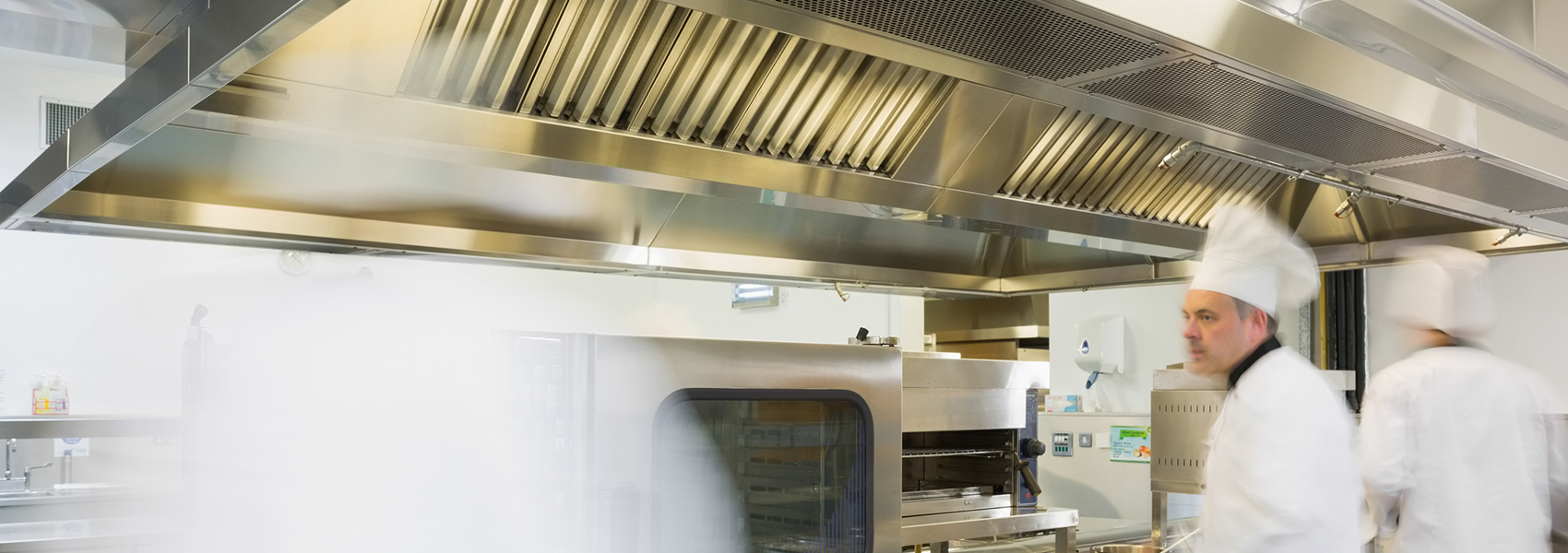
Image Source: www.averusfireservices.com
The Critical Importance of Regular Hood Cleaning
Commercial kitchens are bustling environments where culinary creativity meets the demands of hungry customers. At the heart of this operation lies the ventilation system, particularly the commercial kitchen hood. This unsung hero works tirelessly to draw out smoke, grease, steam, and heat, maintaining a safer and more comfortable working environment. However, this crucial function comes with a significant byproduct: the accumulation of flammable grease and other residues within the hood and exhaust system. Neglecting the cleaning of these vital components is not just a matter of aesthetics; it’s a serious safety hazard and a potential drain on operational efficiency.
Why Regular Cleaning is Non-Negotiable
The buildup of grease within a commercial kitchen hood is a primary contributor to commercial kitchen fire prevention failures. Grease is highly combustible, and even a small spark from a stovetop can ignite this accumulated residue, leading to a devastating kitchen fire. These fires can cause extensive damage to the property, lead to business interruption, and, most importantly, pose a severe risk to the health and safety of staff and customers.
Beyond fire safety, a dirty hood and exhaust system can significantly impact the kitchen’s performance. Grease buildup can impede airflow, making the ventilation system less effective. This results in increased heat and smoke in the kitchen, creating an uncomfortable and potentially hazardous working environment for chefs and kitchen staff. Poor ventilation can also lead to the buildup of carbon monoxide, a colorless and odorless gas that is deadly in high concentrations.
Furthermore, a poorly maintained hood system can attract pests like rodents and insects, which are drawn to the grease and food debris. This can lead to unsanitary conditions and potential health code violations.
Deciphering the Commercial Kitchen Hood Cleaning Frequency
Determining the correct commercial kitchen hood cleaning frequency is not a one-size-fits-all answer. It depends on several key factors that are unique to each establishment. These factors include the type of cooking, the volume of food preparation, and the type of cooking appliances used.
Factors Influencing Cleaning Schedules
- Type of Cooking: Different cooking methods produce varying amounts of grease.
- High-Volume Grease-Producing Cooking: Restaurants that specialize in deep-frying, grilling, broiling, and stir-frying will accumulate grease at a much faster rate than establishments that focus on steaming or baking. For these operations, more frequent cleaning is paramount.
- Low-Volume Grease-Producing Cooking: Establishments like cafes, bakeries, or those primarily serving salads and sandwiches will experience slower grease buildup.
- Volume of Operation: A busy restaurant serving hundreds of customers daily will naturally generate more grease and steam than a small catering business or a casual dining spot with lower foot traffic. The more the kitchen is used, the more frequently cleaning is required.
- Cooking Appliance Usage: The specific appliances used in your kitchen play a significant role.
- Charbroilers and Grills: These appliances produce substantial amounts of smoke and grease.
- Deep Fryers: Continuous use of deep fryers is a major contributor to grease accumulation.
- Woks and Griddles: High-heat cooking on woks and griddles also generates considerable grease.
- Ovens and Steaming Equipment: While they produce some steam and residue, they are generally less prone to heavy grease buildup compared to open-flame or high-heat cooking methods.
- Exhaust Fan Performance: A well-functioning exhaust fan that is adequately sized for the kitchen’s needs can help mitigate some of the grease buildup. However, even the most efficient fans cannot prevent the need for regular cleaning.
A Practical Restaurant Hood Cleaning Schedule
Based on the influencing factors, here’s a breakdown of a recommended restaurant hood cleaning schedule:
1. Hood Filters: The First Line of Defense
Hood filters are the most exposed and actively involved components in capturing grease. They require the most frequent attention.
- Daily/Weekly Cleaning:
- Check and Clean: Depending on the intensity of cooking, filters should be inspected daily and cleaned at least weekly.
- Methods: Filters can often be washed in a commercial dishwasher or soaked in hot, soapy water. For heavily soiled filters, a degreasing solution may be necessary.
- Replacement: If filters are damaged or beyond cleaning, they should be replaced.
A meticulous hood filter cleaning schedule is the easiest way to manage grease buildup at its source.
2. Hood Interior and Exterior Surfaces
The internal surfaces of the hood, including the plenum, baffles, and exposed ductwork within the hood assembly, accumulate grease over time.
- Monthly to Quarterly Cleaning:
- Inspection: Regularly inspect the interior surfaces for visible grease buildup.
- Wiping Down: Use degreasing solutions and appropriate cloths or scrubbers to wipe down accessible surfaces.
- Professional Cleaning: For a more thorough cleaning, especially in hard-to-reach areas, professional vent hood cleaning services are recommended.
3. Exhaust Fan and Ductwork: The Core of the System
The exhaust fan and the ductwork leading from the hood to the rooftop exhaust are critical for effective ventilation. This is where grease can accumulate most dangerously, creating fire hazards.
- Quarterly to Semi-Annually:
- High-Volume Grease Producers: Establishments with heavy grease-producing cooking operations (e.g., fast food, grills, fryers) should aim for commercial kitchen exhaust cleaning every three months (quarterly).
- Moderate Grease Producers: Restaurants with moderate cooking activity might require cleaning every six months (semi-annually).
- Low Grease Producers: Establishments with very light cooking could potentially stretch this to annually, but regular inspections are still crucial.
Recommended Cleaning Intervals Based on Cooking Type:
| Cooking Type Category | Example Appliances | Recommended Cleaning Frequency (Exhaust System) |
|---|---|---|
| Heavy Grease Production | Deep fryers, charbroilers, griddles, woks, high-heat | Quarterly (Every 3 Months) |
| Moderate Grease Production | Roasting ovens, standard grills, sauté stations | Semi-Annually (Every 6 Months) |
| Light Grease Production | Steaming, baking, sandwich preparation | Annually (Every 12 Months), with frequent filter checks |
This table provides a general guideline. Always err on the side of caution and consult with a professional if unsure.
Professional Kitchen Hood Maintenance: Beyond the Basics
While basic cleaning of filters can be done in-house, a comprehensive professional kitchen hood maintenance plan is essential for the safety and longevity of your entire ventilation system. Professional services offer specialized equipment and expertise to tackle the most stubborn grease buildup in areas that are inaccessible to regular staff.
What Professional Services Typically Include:
- Complete Hood System Cleaning: This includes degreasing and scrubbing the hood canopy, plenum, ductwork, and exhaust fan blades.
- Access Panel Installation: Professionals can install access panels in the ductwork, allowing for easier and more thorough future cleaning.
- Fan Cleaning and Servicing: Ensuring the exhaust fan is clean and functioning optimally is critical.
- Filter Cleaning and Replacement: While you might handle daily cleaning, professionals can ensure deep cleaning and advise on replacement needs.
- Compliance Checks: Professional cleaning services are often knowledgeable about local fire codes and regulations, helping ensure your establishment is compliant.
Why Invest in Professional Vent Hood Cleaning Services?
- Fire Safety: This is the primary reason. Professionals remove hazardous grease buildup, significantly reducing fire risks.
- Improved Air Quality: A clean system means better airflow, reducing smoke and heat in the kitchen.
- Increased System Efficiency: Clean ducts and fans allow the system to work more efficiently, potentially saving on energy costs.
- Extended Equipment Lifespan: Regular maintenance prevents premature wear and tear on the ventilation system components.
- Compliance with Regulations: Many local fire departments and health departments mandate regular professional cleaning. Failure to comply can result in fines or closure.
Beyond the Hood: Related Cleaning Tasks
The focus on the hood is crucial, but a comprehensive approach to restaurant kitchen deep cleaning should also consider related components.
Grease Trap Cleaning Frequency
While not directly part of the hood system, grease traps are essential for managing grease and food waste from sinks and dishwashers. Neglecting them can lead to clogs, foul odors, and pest problems.
- Regular Inspections: Grease traps should be inspected regularly, typically monthly.
- Cleaning Schedule: The cleaning frequency depends on the volume of wastewater and the trap’s size. It can range from monthly to quarterly. Overflows can cause significant plumbing issues and environmental problems.
Commercial Kitchen Ventilation Cleaning
This term encompasses the entire system, including the hood, ductwork, exhaust fan, and sometimes even the makeup air system.
- Holistic Approach: When you schedule professional cleaning, ensure they are addressing the entire commercial kitchen ventilation cleaning system. This integrated approach ensures no critical area is overlooked.
Ensuring Commercial Kitchen Fire Prevention
The connection between hood cleaning and fire prevention cannot be overstated. A proactive approach to cleaning is a cornerstone of commercial kitchen fire prevention.
- Develop a Comprehensive Maintenance Plan: This plan should detail the cleaning frequency for all components, assign responsibilities, and include a record-keeping system.
- Train Staff: Ensure all kitchen staff are educated on the importance of cleaning hood filters and reporting any unusual issues with the ventilation system.
- Schedule Professional Cleanings: Mark these on your calendar and treat them as non-negotiable operational necessities.
- Regular Inspections: Even with a schedule, conduct visual inspections of the hood and filters regularly.
Maintaining a Clean Hood: Best Practices
Beyond scheduled professional cleanings and daily filter checks, implementing good practices can help manage grease buildup.
Daily Habits for a Cleaner Kitchen:
- Wipe Down Surfaces: Regularly wipe down the interior and exterior of the hood canopy and surrounding areas with appropriate degreasers.
- Prompt Spill Cleanup: Clean up any grease or food spills immediately to prevent them from adhering to surfaces.
- Proper Filter Handling: Ensure filters are properly cleaned and dried before being reinstalled.
What to Look For Between Professional Cleanings:
- Visible Grease Accumulation: Check the hood interior, baffles, and fan blades.
- Reduced Airflow: If you notice less suction from the hood, it’s a sign of blockages.
- Unusual Noises: Strange sounds from the exhaust fan could indicate buildup or operational issues.
- Odors: Lingering cooking odors in non-cooking areas can suggest ventilation problems.
Frequently Asked Questions (FAQ)
Q1: How often should I clean the grease filters in my commercial kitchen hood?
A1: Grease filters are the most frequently fouled components. Depending on your cooking volume and type, they should be cleaned at least weekly, and often more frequently. Some high-volume kitchens may need to clean them daily.
Q2: Can I clean my commercial kitchen exhaust system myself?
A2: While you can clean the hood filters and accessible surfaces, cleaning the entire exhaust ductwork and fan is a complex and potentially dangerous task that requires specialized equipment and expertise. It is highly recommended to hire professional vent hood cleaning services for the complete system.
Q3: What happens if I don’t clean my commercial kitchen hood regularly?
A3: Not cleaning your hood regularly poses significant risks, including a high chance of a grease fire, reduced ventilation efficiency leading to poor air quality and heat buildup, potential pest infestations, and failure to comply with fire safety regulations, which can lead to fines or business closure.
Q4: Are there regulations regarding commercial kitchen hood cleaning frequency?
A4: Yes, many local fire codes and health departments have specific regulations regarding the frequency of commercial kitchen exhaust cleaning. These regulations are in place to ensure public safety and commercial kitchen fire prevention. It’s crucial to be aware of and adhere to your local requirements.
Q5: What is the difference between hood cleaning and exhaust cleaning?
A5: Hood cleaning typically refers to the visible canopy, filters, and immediate accessible areas. Exhaust cleaning is a more comprehensive service that includes the hood, the entire length of the ductwork, and the exhaust fan. Both are vital parts of professional kitchen hood maintenance.
Q6: How does the type of cooking affect cleaning frequency?
A6: High-grease cooking methods like deep-frying, grilling, and broiling generate significantly more grease buildup than methods like steaming or baking. Therefore, kitchens employing these high-grease methods require more frequent cleaning of their hood and exhaust systems to maintain commercial kitchen fire prevention.
Q7: What is a “restaurant kitchen deep cleaning” in relation to hoods?
A7: A restaurant kitchen deep cleaning typically includes a thorough cleaning of all kitchen equipment, surfaces, and the ventilation system. For hoods, it would mean a professional cleaning of the entire hood and exhaust system, not just a wipe-down.
Q8: How often should grease traps be cleaned?
A8: The grease trap cleaning frequency varies depending on the size of the trap and the volume of grease and wastewater generated. Inspections should occur monthly, with cleaning typically needed between monthly and quarterly intervals to prevent clogs and odors.
Q9: What should I look for when hiring a vent hood cleaning service?
A9: Look for services that are certified, insured, and experienced in commercial kitchen exhaust cleaning. They should be able to provide details about their cleaning process, including the chemicals used and how they handle grease disposal. They should also be familiar with NFPA 96 standards, which are the industry benchmarks for kitchen exhaust system cleaning.
Q10: Can a clean hood improve my kitchen’s performance?
A10: Absolutely. A clean and clear exhaust system improves airflow, which helps to remove heat, smoke, and steam more effectively. This creates a more comfortable working environment, reduces the risk of overheating equipment, and can even contribute to energy efficiency by allowing fans to operate at optimal levels.
By adhering to a rigorous cleaning schedule and investing in professional maintenance, you are not only ensuring the safety of your establishment and its occupants but also optimizing the performance and longevity of your critical kitchen equipment. Prioritize your hood’s cleanliness – it’s a vital investment in your restaurant’s success and safety.