
The standard upper cabinet height in most kitchens is 30 inches, 36 inches, or 42 inches. However, other heights are available to suit specific needs and design preferences.
Determining the right height for your upper kitchen cabinets is a crucial step in kitchen design. It impacts both the functionality and the overall aesthetic of your cooking space. When people ask, “How tall are upper kitchen cabinets?”, they are usually looking for the most common sizes and the factors that influence those choices. Let’s dive deep into the world of kitchen cabinet dimensions, specifically focusing on the vertical aspect of your wall cabinets.
Image Source: images.squarespace-cdn.com
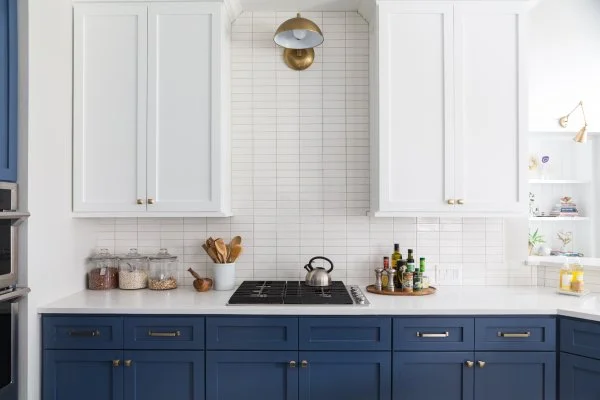
Deciphering Standard Upper Cabinet Heights
The vast majority of kitchens feature a consistent counter to cabinet height, which is a primary consideration when selecting your upper cabinets. This spacing is not arbitrary; it’s designed for optimal usability and to prevent you from bumping your head while working at the counter.
The 18-Inch Rule: A Common Guideline
The most widely accepted kitchen cabinet installation height dictates that there should be a 15 to 18-inch gap between the countertop and the bottom of the upper cabinets. This spacing is considered the “sweet spot” for most homeowners. It allows enough room to work comfortably at the counter, even when using taller appliances like stand mixers or blenders, without feeling cramped.
- Why 18 inches? This measurement accommodates the average user’s height and arm reach. It provides ample space for prepping food, using small appliances, and even for some decorative items on the countertop.
- Variations in Spacing: While 18 inches is standard, some prefer a slightly larger gap (e.g., 20-24 inches) for a more open feel or to accommodate larger appliances. Conversely, a slightly smaller gap (15 inches) might be chosen for specific design reasons or in kitchens with lower ceilings.
Common Upper Cabinet Heights Explained
When you purchase upper kitchen cabinets, you’ll find they come in a variety of standard heights. The most common are:
- 30 inches: This is a very popular height, especially in kitchens with standard 8-foot ceilings. When mounted 18 inches above the counter, a 30-inch cabinet will reach a total height of 48 inches from the floor. This leaves 48 inches of wall space above the cabinet, which can be useful for decorative elements or simply a cleaner look.
- 36 inches: This is another frequently used height, particularly for kitchens with 9-foot ceilings or when a more expansive look is desired. With the standard 18-inch clearance, a 36-inch cabinet will reach 54 inches from the floor. This leaves 30 inches of wall space above, which is still sufficient for many design choices.
- 42 inches: These taller cabinets are ideal for kitchens with 10-foot ceilings or higher. Mounted 18 inches above the counter, a 42-inch cabinet will extend 60 inches from the floor. This leaves 36 inches of wall space above, offering a grander visual impact and maximizing storage.
These heights are generally designed to work within typical ceiling heights when the standard counter to cabinet height is maintained.
Factors Influencing Your Upper Cabinet Height Choice
While there are common standards, the ideal wall cabinet height for your kitchen can be influenced by several factors. Choosing the right height ensures both practicality and a pleasing visual balance.
Ceiling Height: The Primary Determinant
The height of your ceiling is arguably the most significant factor in determining the maximum kitchen cabinet height you can comfortably install.
- Standard Ceilings (8 feet): For an 8-foot ceiling, 30-inch or 36-inch upper cabinets are typically the best choices. Installing 42-inch cabinets might make the kitchen feel too enclosed or require a very small gap above the cabinets, compromising the aesthetic.
- Higher Ceilings (9-10 feet): With 9 or 10-foot ceilings, 36-inch or 42-inch upper cabinets become excellent options. They help fill the vertical space, providing more storage and a more proportionate look to the room.
- Very High Ceilings (10+ feet): For ceilings exceeding 10 feet, 42-inch cabinets are usually the minimum, and custom heights or stacked cabinets might be considered to utilize the full vertical expanse.
Table 1: Common Cabinet Heights and Corresponding Ceiling Clearance
| Upper Cabinet Height (Inches) | Standard Counter to Cabinet Height (Inches) | Total Height from Floor (Inches) | Remaining Wall Space Above Cabinets (Inches) | Ideal Ceiling Height (Feet) |
|---|---|---|---|---|
| 30 | 18 | 48 | 48 | 8 |
| 36 | 18 | 54 | 42 | 8-9 |
| 42 | 18 | 60 | 36 | 9-10 |
Note: These are typical scenarios and can be adjusted based on personal preference and specific kitchen layouts.
Your Own Height and Reach
While less of a factor for standard cabinet heights, if you or the primary users of the kitchen are significantly taller or shorter than average, you might consider adjusting the counter to cabinet height.
- Taller Individuals: A slightly larger gap (e.g., 20 inches) might be more comfortable for taller people, allowing for more freedom of movement when working at the counter.
- Shorter Individuals: Some shorter individuals opt for a slightly smaller gap (e.g., 15 inches) to make accessing the upper cabinets easier. However, this is less common for standard cabinet heights and more often considered with custom solutions.
Desired Storage Capacity
The amount of storage you need will also play a role in your kitchen cabinet dimensions. Taller cabinets offer more shelf space and thus greater storage capacity.
- Maximizing Storage: If storage is a top priority, opting for the tallest cabinets that fit your ceiling height (with appropriate clearance) is a smart move. This can reduce the need for additional storage solutions elsewhere in the kitchen.
- Aesthetic Balance: Sometimes, extremely tall cabinets can make a kitchen feel top-heavy. Designers often balance cabinet height with other elements like appliance placement and open shelving to achieve a harmonious look.
Kitchen Design Style and Aesthetics
The visual impact of your upper cabinets is crucial. The chosen kitchen cabinet height contributes significantly to the overall style of your kitchen.
- Traditional Kitchens: Often feature 30-inch or 36-inch cabinets, providing ample wall space above for decorative elements, lighting, or a classic backsplash.
- Modern Kitchens: Frequently utilize taller, sleeker cabinets (36-inch or 42-inch), sometimes extending to the ceiling for a minimalist and integrated look. This can create a sense of height and spaciousness.
- Transitional Kitchens: Blend elements of both, and cabinet height choices will often be a compromise or a carefully considered design decision.
Examining Typical Upper Cabinet Depth
Beyond height, the depth of your upper cabinets is another important kitchen cabinet dimension to consider. The typical upper cabinet depth is standardized to ensure it doesn’t intrude too much into the workspace while still offering practical storage.
Standard Depth: 12 Inches
The most common depth for upper kitchen cabinets is 12 inches. This measurement is taken from the front face of the cabinet to the back.
- Why 12 Inches? This depth strikes a balance between storage capacity and not overwhelming the countertop space. It’s deep enough to store most dishes, glasses, and pantry staples effectively.
- Ergonomics: A 12-inch depth, combined with the standard 18-inch counter to cabinet height, means the bottom of the cabinet is typically 6 inches away from the back wall. This provides a comfortable reach into the cabinet and ample space for your backsplash.
Variations in Depth
While 12 inches is the norm, you might encounter or choose other depths:
- Shallower Cabinets (e.g., 9-10 inches): These can be useful in smaller kitchens or narrow spaces where a full 12-inch depth might feel too intrusive. They offer less storage but can improve the sense of space.
- Deeper Cabinets (e.g., 15-18 inches): These are less common for standard upper cabinets and are typically used in specialized situations, such as housing larger appliances or for specific storage needs. They can make the kitchen feel more enclosed and may require adjustments to the counter to cabinet height for ergonomic reasons.
Table 2: Common Upper Cabinet Depths and Their Implications
| Typical Upper Cabinet Depth (Inches) | Pros | Cons |
|---|---|---|
| 12 | Standard, good balance of storage and workspace, fits most backsplashes | May not be sufficient for very large items |
| 9-10 | Creates more perceived space, good for narrow kitchens | Limited storage capacity, less versatile for dishware |
| 15-18 | Significantly more storage | Can feel intrusive on countertops, may require modified kitchen cabinet installation height, can limit backsplash design |
Comprehending Kitchen Cabinet Spacing
The kitchen cabinet spacing refers to the clearance between cabinets and other elements in the kitchen. This is crucial for both function and safety.
Counter to Cabinet Spacing
As discussed, the counter to cabinet height is the most critical spacing measurement. The standard 15-18 inches ensures comfortable workability.
Wall Cabinet to Wall Cabinet Spacing
When you have corner cabinets or cabinets meeting on adjacent walls, the kitchen cabinet spacing between them is usually dictated by the cabinet construction and design. They are typically installed flush against each other for a seamless look.
Cabinet to Ceiling Spacing
The amount of space left between the top of your upper cabinets and the ceiling is a design choice.
- No Gap: Cabinets that extend all the way to the ceiling create a modern, streamlined look and maximize storage. They also eliminate the need to clean dust from the top of the cabinets.
- Small Gap (e.g., 1-3 inches): This can be achieved with taller cabinets and still provides a clean look, with minimal space for dust accumulation.
- Larger Gap (e.g., 6-12 inches or more): This is more common with shorter cabinets and standard ceilings. This space can be used for decorative lighting (like crown molding lighting), small decorative items, or simply left open. The larger the gap, the more it can look like unfinished space if not intentionally designed.
Installation Considerations for Upper Kitchen Cabinets
The correct kitchen cabinet installation height is paramount for a functional and safe kitchen. Here are some key points to keep in mind:
The Importance of Leveling
Cabinets must be perfectly level, both horizontally and vertically. Out-of-level cabinets can lead to doors that don’t close properly, drawers that stick, and an unprofessional appearance. Using a spirit level during installation is essential.
Securing to Wall Studs
Upper cabinets bear significant weight, especially when loaded with dishes and food items. They must be securely fastened to wall studs. Locating studs using a stud finder is a critical step in the kitchen cabinet installation height process. Lag bolts or heavy-duty screws are typically used for this purpose.
Considering Electrical and Plumbing
Before drilling into walls for mounting, it’s vital to know where existing electrical wiring and plumbing lines are located. This can prevent costly and dangerous accidents.
Backsplash Integration
The counter to cabinet height directly influences the backsplash. If you plan a decorative tile backsplash, ensure the kitchen cabinet spacing allows enough room for the tiles and any grout lines without encroaching on the cabinet base.
Customizing Your Kitchen Cabinet Heights
For those who don’t fit the standard mold or have unique kitchen layouts, custom cabinet heights are an excellent option.
When to Consider Custom Heights
- Unusual Ceiling Heights: If your ceilings are exceptionally low or high, custom heights ensure a perfect fit and visual balance.
- Specific Appliance Needs: If you have unusually tall appliances that you want to tuck away or have visible above the counter, custom cabinet heights can accommodate them.
- Unique Design Vision: For a truly bespoke kitchen, custom cabinet heights allow you to achieve a specific aesthetic that standard sizes might not permit.
- Accessibility Requirements: For individuals with mobility issues, adjusting the counter to cabinet height and even the overall cabinet height can significantly improve usability.
Benefits of Customization
Custom cabinets offer unparalleled flexibility in achieving your desired kitchen cabinet dimensions. They can be made to fit any space precisely, maximizing storage and enhancing the overall design. However, custom options generally come at a higher cost and may involve a longer lead time compared to standard sizes.
Frequently Asked Questions About Upper Kitchen Cabinet Heights
Here are some common questions people ask about the height of upper kitchen cabinets:
Q1: What is the standard distance between the countertop and upper cabinets?
A1: The standard distance, often referred to as counter to cabinet height, is typically between 15 and 18 inches. This provides comfortable working space above the countertop.
Q2: Can I install upper cabinets higher than 18 inches from the counter?
A2: Yes, you can install upper cabinets higher than 18 inches from the counter, but it’s not the standard. If you choose a greater kitchen cabinet spacing, ensure it still allows for comfortable reach into the cabinets and doesn’t make the upper portion of the wall feel too empty or disconnected. Very tall individuals or specific design choices might warrant this.
Q3: What is the typical upper cabinet depth?
A3: The typical upper cabinet depth is 12 inches. This is the most common dimension for standard upper cabinets.
Q4: How do I determine the best kitchen cabinet installation height for my kitchen?
A4: Consider your ceiling height, your own height and reach, your storage needs, and the overall kitchen design aesthetic. Always maintain the recommended counter to cabinet height for ergonomic reasons.
Q5: Are there different wall cabinet height options available?
A5: Yes, common wall cabinet height options include 30 inches, 36 inches, and 42 inches, with other sizes available from many manufacturers.
Q6: What are kitchen cabinet dimensions that I should be aware of?
A6: Key kitchen cabinet dimensions include height, width, and depth. For upper cabinets, standard heights are often 30″, 36″, and 42″, depths are typically 12″, and widths vary widely (e.g., 12″, 15″, 18″, 24″, 30″, 36″).
Q7: What is average kitchen cabinet height?
A7: The average kitchen cabinet height for upper cabinets is generally considered to be 30 to 36 inches, depending on ceiling height and design preferences.
Q8: What is the recommended kitchen cabinet spacing above the cabinets?
A8: This is a design choice. Some prefer cabinets that go to the ceiling, while others leave a gap of 6-12 inches or more. A smaller gap of 1-3 inches is common for a clean, modern look.
Conclusion
The height of your upper kitchen cabinets is a fundamental aspect of kitchen design that influences usability, storage, and aesthetics. By adhering to standard guidelines, considering your ceiling height, personal needs, and design aspirations, you can select or customize cabinets that perfectly suit your kitchen. Whether you opt for standard sizes or go the custom route, thoughtful planning ensures a beautiful, functional, and enjoyable cooking space.