
A kitchen island’s typical height ranges from 36 to 42 inches. This height is chosen to accommodate various activities, from food preparation to casual dining.
The kitchen island is often the heart of the home, a central hub for cooking, gathering, and connecting. But what makes a kitchen island truly functional and comfortable? A key factor is its height. Getting the kitchen island height right can transform how you use your kitchen. Many homeowners wonder, how high should a kitchen island be? The answer isn’t a single number; it depends on how you plan to use it.
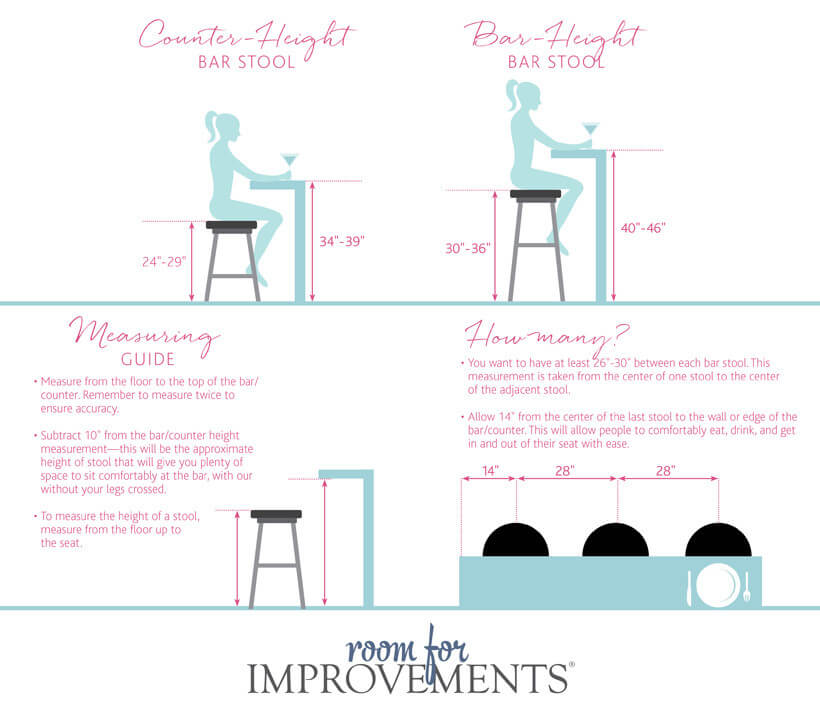
Image Source: www.signaturekab.com
Deciphering Standard Kitchen Island Dimensions
When planning your kitchen, understanding standard kitchen island dimensions is crucial. These dimensions ensure your island fits well within your space and serves its intended purposes efficiently.
The Importance of Island Height
The height of your kitchen island directly impacts its usability. An island that’s too low can lead to back strain during food prep. Conversely, an island that’s too high can make casual dining uncomfortable. The island countertop height needs to be just right.
Counter Height Islands: The Workhorse
Counter height island designs are the most common. They typically measure 36 inches from the floor to the countertop surface. This height is in line with standard kitchen counter heights, making them seamless extensions of your existing workspace.
- Purpose: Primarily for food preparation, chopping, mixing, and general kitchen tasks.
- Ergonomics: This height is comfortable for most adults to stand and work at for extended periods, reducing strain on the back and shoulders.
- Integration: They blend easily with standard cabinet heights, creating a cohesive look and feel in your kitchen.
- Seating: While not ideal for comfortable, long dining sessions, stools with a 24-inch seat height can be used for quick meals or a place for kids to do homework.
Bar Height Islands: The Social Hub
Bar height island styles are taller, usually measuring around 42 inches from the floor to the countertop. This height is similar to a bar or pub table.
- Purpose: Excellent for casual dining, entertaining, and creating a social gathering spot.
- Ergonomics: They accommodate bar stools with a 30-inch seat height, offering comfortable seating for meals or drinks.
- Visual Appeal: The increased height can create a more dramatic visual statement and help define zones within an open-plan kitchen.
- Considerations: Might be too high for extensive food preparation for some individuals, potentially causing discomfort.
Table Height Islands: The Hybrid Option
Less common, but still an option, is a table height island. These typically sit around 30 inches high, similar to a dining table.
- Purpose: Can serve as both a workspace and a dining area.
- Ergonomics: Comfortable for sitting at with standard dining chairs for meals or longer periods of work.
- Considerations: Might be too low for comfortable standing food preparation for many people, potentially leading to bending over.
Fathoming the Ideal Kitchen Island Height
So, how high should a kitchen island be? The best height depends on its primary use.
For Food Preparation: Prioritize Comfort
If your island will primarily be a food prep station, aim for the standard counter height of 36 inches. This allows you to chop, stir, and mix without hunching over. The island workspace height is key for a comfortable cooking experience.
For Casual Dining and Entertaining: Go Taller
If you envision your island as a place for quick breakfasts, snacks, or hosting guests, a bar height island (around 42 inches) is ideal. This height encourages guests to lean and chat comfortably.
For Multi-Functional Islands: The Compromise
Many kitchens feature islands that serve multiple purposes. In these cases, designers often opt for a split-level design.
- One Level: A single-level island at 36 inches can still accommodate bar stools with lower seat heights (around 24-26 inches) for a more casual feel.
- Two Levels: A common solution is to have a workspace at 36 inches and an extended countertop at the back or side at 42 inches, creating a breakfast bar. This offers the best of both worlds.
Factors Influencing Island Height Decisions
Beyond primary use, several other factors should guide your kitchen island height choice.
User Height and Ergonomics
The average height of the people who will use the kitchen most is a significant consideration.
- Tall Individuals: Might find a standard 36-inch height a bit low for prolonged prep work. A slightly higher counter, perhaps 37 or 38 inches, might be more comfortable.
- Shorter Individuals: Could find a 36-inch counter perfectly manageable, but a 42-inch bar height might be too tall for comfortable prep.
The kitchen island leg height is adjustable during custom builds, allowing for fine-tuning to specific user needs.
Stool and Chair Compatibility
The height of your seating is directly tied to the island’s height.
- Counter Height Islands (36 inches): Best paired with stools that have a seat height of 24 to 26 inches. There should be about 10-12 inches of legroom between the seat and the countertop.
- Bar Height Islands (42 inches): Require bar stools with a seat height of 29 to 30 inches. Again, aim for 10-12 inches of legroom.
- Table Height Islands (30 inches): Use standard dining chairs.
It’s crucial to measure your chosen stools or chairs before finalizing the island countertop height.
Appliance Integration
If your island will house appliances like a cooktop, dishwasher, or microwave drawer, their standard heights must be factored in.
- Cooktops: Often sit within a standard 36-inch counter height, with specific cutout dimensions provided by the manufacturer.
- Dishwashers: Are designed to fit under standard 36-inch counters.
- Microwave Drawers: Also typically designed for integration into 36-inch high cabinetry.
Workflow and Layout
Consider how the island fits into your overall kitchen workflow.
- Placement: Is it a freestanding piece, or does it integrate with existing cabinetry?
- Traffic Flow: Ensure adequate clearance around the island, typically 36-42 inches on all sides, especially between the island and other kitchen elements like cabinets, appliances, and walls.
- Visual Balance: The height should also contribute to the overall visual balance of the kitchen. A very tall island in a small kitchen can feel overwhelming.
Standard Kitchen Island Dimensions: Beyond Height
While height is paramount, other standard kitchen island dimensions are equally important for functionality and fit.
Width and Depth
- Width: Can vary significantly, from a narrow 24-inch prep island to a substantial 8-foot or longer centerpiece. Common widths range from 36 to 48 inches. The width should accommodate your intended use and the available space.
- Depth: Standard counter depth is 25 inches for base cabinets. For islands, a standard counter depth of 36 inches is common, offering more workspace. If seating is incorporated on one side, the depth might need to be increased to 42 inches or more to comfortably accommodate stools and legroom.
Seating Overhang
If you plan for seating, the overhang is crucial for comfort.
- Counter Height (36-inch island): A 10-12 inch overhang is generally recommended for comfortable seating with 24-26 inch stools.
- Bar Height (42-inch island): A 10-12 inch overhang is also suitable for 29-30 inch bar stools.
- Table Height (30-inch island): A 12-15 inch overhang is comfortable for dining chairs.
Kitchen Island Leg Height Considerations
When designing a custom island, the kitchen island leg height can be adjusted. If you’re using pre-made components, ensure the legs are compatible with your chosen countertop thickness. Remember that the final height is measured from the floor to the top of the countertop.
Material Matters: How Countertop Thickness Affects Height
The thickness of your chosen countertop material can subtly influence the final island countertop height.
| Countertop Material | Typical Thickness (inches) | Impact on Final Height (if adjusting base) |
|---|---|---|
| Laminate | 0.75 – 1.5 | Minimal |
| Butcher Block | 1.5 – 3 | Moderate |
| Granite | 0.75 – 1.25 | Minimal |
| Quartz | 0.75 – 1.25 | Minimal |
| Marble | 0.75 – 1.25 | Minimal |
| Concrete | 1.5 – 2 | Noticeable |
| Solid Surface | 0.5 – 1 | Minimal |
| Sintered Stone | 0.5 – 0.75 | Minimal |
If your base cabinet height is pre-set at 34.5 inches (a common cabinet height), and you opt for a 1.5-inch thick butcher block countertop, your total island countertop height will be 36 inches. However, if you choose a thinner 0.75-inch granite slab, your island will be 35.25 inches high, potentially requiring a taller base or thicker countertop support. Always factor in countertop thickness when planning your kitchen island height.
Visualizing Your Island’s Height
It can be challenging to visualize how different heights will look and feel in your kitchen.
- Mock-ups: Use painter’s tape on the floor to outline your island’s footprint. Place boxes or chairs at different heights within the outline to get a sense of the scale and comfortable working/sitting heights.
- Online Planners: Many kitchen design software tools allow you to visualize your island with different height options.
- Showrooms: Visiting kitchen showrooms can give you a tangible experience of different island heights and seating arrangements.
Common Mistakes to Avoid
When selecting your kitchen island height, be aware of these common pitfalls.
- Ignoring Seating Needs: Designing an island for prep without considering seating can lead to an uncomfortable dining experience.
- Forgetting Countertop Thickness: Not accounting for the countertop material’s thickness can result in an island that’s too high or too low.
- Insufficient Clearance: Failing to leave enough space around the island can make your kitchen feel cramped and difficult to navigate.
- Not Considering User Height: A single standard height might not be ideal for everyone in the household.
Conclusion: Finding Your Perfect Kitchen Island Height
Ultimately, the ideal kitchen island height is a personal choice dictated by your lifestyle, how you use your kitchen, and the people who inhabit it. Whether you opt for a classic counter height island for seamless prep or a social bar height island, prioritizing ergonomics and functionality will ensure your island becomes a beloved and efficient part of your home. Measure twice, plan carefully, and enjoy the heart of your kitchen!
Frequently Asked Questions (FAQ)
Q1: What is the most common kitchen island height?
A1: The most common kitchen island height is 36 inches, which matches standard counter height.
Q2: Can I have a kitchen island with different heights?
A2: Yes, you can have a multi-level island with different heights, such as a 36-inch prep area and a 42-inch bar seating area.
Q3: How much legroom do I need for kitchen island seating?
A3: You should aim for 10-12 inches of legroom between the seat of your stool or chair and the underside of the countertop overhang.
Q4: What is the standard counter depth for a kitchen island?
A4: While standard base cabinets have a depth of 24 inches, kitchen islands often have a standard counter depth of 36 inches to provide more workspace and accommodate seating overhangs.
Q5: How high should a kitchen island be if I want to eat at it?
A5: For comfortable dining, a counter height island (36 inches) with 24-26 inch stools or a bar height island (42 inches) with 29-30 inch stools are both good options. The choice depends on the style of dining you prefer.
Q6: Does countertop thickness affect the final kitchen island height?
A6: Yes, the thickness of your countertop material will add to the height of your island base. If your base cabinets are a specific height, a thicker countertop will result in a higher overall island.
Q7: What is the ideal island workspace height?
A7: The ideal island workspace height for most people is 36 inches, aligning with standard counter heights, as it allows for comfortable food preparation without excessive bending.
Q8: How do I determine the right kitchen island leg height for my project?
A8: The kitchen island leg height needs to be chosen in conjunction with your countertop thickness and desired final island height. You’ll typically subtract the countertop thickness from your target island height to determine the required base or leg height. For standard 36-inch islands with 1.5-inch thick countertops, the base height would be 34.5 inches.