
What is the standard kitchen table height? The standard kitchen table height is typically between 28 and 30 inches. This range provides a comfortable surface for dining and food preparation, and it pairs well with most standard dining chairs. However, the “perfect” height can vary depending on your needs and preferences, leading us to explore the different types and considerations when choosing the ideal kitchen table height.
Deciding on the right kitchen table height is more than just a design choice; it’s about creating a functional and comfortable space. Whether you’re enjoying a quick breakfast, hosting a dinner party, or prepping ingredients, the height of your table plays a crucial role. This guide will help you navigate the world of kitchen table measurements, from standard kitchen table size to specialized heights, ensuring you find the perfect fit for your home and lifestyle.
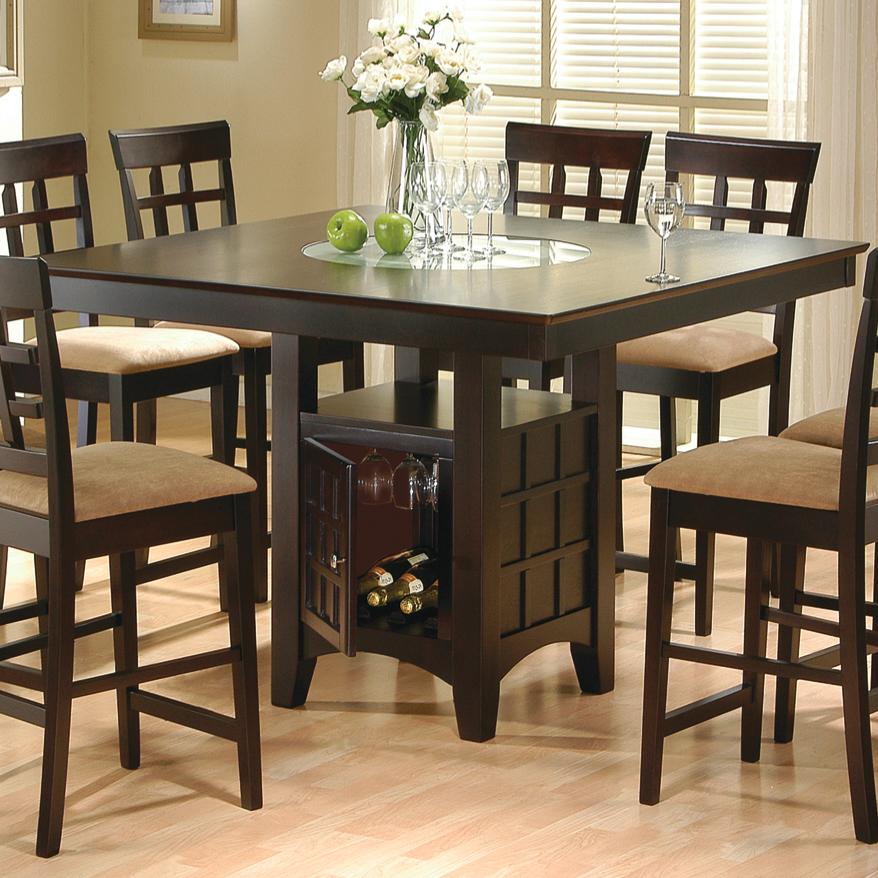
Image Source: images.furnituredealer.net
Exploring Different Kitchen Table Heights
Kitchen tables come in various heights, each designed to serve a specific purpose and complement different seating arrangements. Let’s delve into the most common categories to help you pinpoint what works best for you.
Standard Dining Table Height
The most familiar type is the dining table height, which generally falls between 28 and 30 inches. This is the classic height you’ll find in most dining rooms and many kitchens.
- Comfortable Dining Height: This height is calibrated for comfortable dining with standard dining chairs. When seated, your elbows should rest at a comfortable angle on the table surface, allowing for relaxed eating and conversation.
- Chair Compatibility: Most dining chairs are designed with a seat height of around 17 to 19 inches. This gap ensures there’s enough legroom and that your knees don’t hit the underside of the table.
- Versatility: A standard dining table is incredibly versatile. It can be used for family meals, homework, crafting, or even as a central workspace.
Table: Standard Dining Table Dimensions
| Feature | Typical Range (inches) | Typical Range (cm) | Notes |
|---|---|---|---|
| Table Height | 28 – 30 | 71 – 76 | Ideal for most dining chairs; offers comfortable dining and prep space. |
| Chair Seat Height | 17 – 19 | 43 – 48 | Designed to fit comfortably under standard dining tables. |
| Knee Clearance | 10 – 12 | 25 – 30 | Space between the chair seat and the tabletop for comfortable seating. |
Counter Height Tables
Counter height tables, also known as gathering height tables or pub tables, are taller than standard dining tables. They typically measure between 34 and 36 inches high.
- Purpose: These tables are designed to be used with counter-height stools, which usually have a seat height of 24 to 26 inches.
- Atmosphere: They create a more casual, social atmosphere, often seen in open-plan kitchens or as islands. They’re great for casual meals, drinks, and entertaining.
- Space Saving: In smaller kitchens, a counter height table can sometimes serve a dual purpose as a kitchen island and a dining area, saving valuable space.
- Legroom Considerations: Ensure there’s adequate space under the table for the stools, typically an 8 to 12-inch gap between the stool seat and the tabletop.
Table: Counter Height Table Dimensions
| Feature | Typical Range (inches) | Typical Range (cm) | Notes |
|---|---|---|---|
| Table Height | 34 – 36 | 86 – 91 | Pairs with counter-height stools; creates a casual, social dining area. |
| Stool Seat Height | 24 – 26 | 61 – 66 | Designed to fit comfortably under counter height tables. |
| Knee Clearance | 8 – 12 | 20 – 30 | Space between the stool seat and the tabletop for comfortable seating. |
Bar Height Tables
The tallest of the group, bar height tables (also called spectator height tables) stand between 40 and 42 inches high.
- Seating: These tables are meant to be used with bar stools, which typically have a seat height of 28 to 30 inches.
- Ambiance: They evoke a bar or lounge feel, perfect for creating a sophisticated or relaxed gathering spot. They are excellent for casual entertaining and creating a distinct zone within a larger space.
- Usage: Often used in kitchens with higher ceilings or as a separation element between kitchen and living areas.
- Clearance: Aim for a 10 to 12-inch gap between the stool seat and the tabletop for comfortable seating.
Table: Bar Height Table Dimensions
| Feature | Typical Range (inches) | Typical Range (cm) | Notes |
|---|---|---|---|
| Table Height | 40 – 42 | 102 – 107 | Pairs with bar stools; creates a bar-like atmosphere for socializing. |
| Stool Seat Height | 28 – 30 | 71 – 76 | Designed to fit comfortably under bar height tables. |
| Knee Clearance | 10 – 12 | 25 – 30 | Space between the stool seat and the tabletop for comfortable seating. |
Factors Influencing Your Kitchen Table Height Choice
Choosing the ideal kitchen table height involves more than just knowing the different types. Several practical factors should guide your decision to ensure your table is both beautiful and functional.
Your Seating
The most critical factor in determining your table height is the seating you plan to use.
- Dining Chairs: If you already have or prefer standard dining chairs, a standard kitchen table size (28-30 inches) is your clear choice. The goal is to have about a 10-12 inch difference between the chair seat and the tabletop for comfortable dining.
- Counter Stools: If you’re drawn to the casual vibe of counter-height seating, then a counter height table (34-36 inches) is the way to go. Ensure your counter stools have a seat height of 24-26 inches.
- Bar Stools: For a true bar experience, you’ll need bar stools (28-30 inch seat height) to pair with a bar height table (40-42 inches).
It’s crucial to measure your chosen seating and then select a table height that provides the appropriate clearance for comfortable legroom.
Your Kitchen’s Layout and Purpose
The intended use and the physical space of your kitchen play a significant role.
- Primary Dining Area: If your kitchen table serves as your main dining spot, a standard dining table height might be the most practical choice for everyday family meals.
- Secondary or Social Space: If the table is more of a supplemental area for quick breakfasts, coffee, or a place for guests to gather while you cook, a counter height or even bar height table can add a unique, social element.
- Kitchen Size and Ceiling Height: Taller tables like counter or bar height tables can sometimes make a smaller kitchen feel more cramped, especially if ceilings are low. Conversely, in a large, open-plan kitchen with high ceilings, a taller table can help define different zones and add visual interest.
- Traffic Flow: Consider how people will move around the table. Taller tables with stools can sometimes be more of an obstruction than a standard table with chairs that can be tucked neatly underneath.
Personal Comfort and Ergonomics
What feels comfortable is subjective and depends on individual heights and preferences.
- Height of Household Members: If you have particularly tall or short individuals in your household, you might lean towards slightly adjusting the table height to accommodate them. However, sticking to standard heights usually works for most people.
- Activity at the Table: Will you be doing a lot of food prep directly on the table? A slightly lower standard height might be more comfortable for extensive chopping or rolling dough. If it’s primarily for eating and casual use, any height can work.
- Ease of Access: Taller tables with stools can be easier for some people to get in and out of, especially those with mobility issues.
Aesthetics and Style
The height of your table contributes significantly to the overall look and feel of your kitchen.
- Modern and Sleek: Counter height and bar height tables often lend a more modern, contemporary, or industrial aesthetic.
- Traditional and Classic: Standard dining height tables tend to align with more traditional or classic decor styles.
- Visual Balance: Consider the scale of your table in relation to other furniture and the room itself. A very tall table in a room with low ceilings can look out of place.
Common Kitchen Table Dimensions and Measurements
Beyond height, other kitchen table dimensions are important for ensuring a good fit and function.
Shape
The shape of your table influences seating capacity and how it fits within your space.
- Round: Great for conversation and can often fit more people in a smaller footprint. They don’t have sharp corners, making them safer in high-traffic areas.
- Square: Similar to round tables, they encourage conversation but can be less efficient in very small spaces compared to a round table of similar diameter.
- Rectangular: The most common shape, offering good surface area and fitting well against walls or in longer rooms.
- Oval: Combines the seating capacity of a rectangular table with the softer edges of a round table.
Size (Length and Width/Diameter)
The size dictates how many people can comfortably sit and the amount of surface space available.
-
For Standard Dining Height Tables:
- Seats 2-3: Round tables, 30-36 inches in diameter. Rectangular tables, 30-40 inches long and 30-36 inches wide.
- Seats 4: Round tables, 40-48 inches in diameter. Rectangular tables, 48-60 inches long and 36-40 inches wide.
- Seats 6: Round tables, 54-60 inches in diameter. Rectangular tables, 60-78 inches long and 36-42 inches wide.
- Seats 8: Rectangular tables, 78-96 inches long and 40-44 inches wide.
-
For Counter Height Tables:
- The overall dimensions (length/width or diameter) will be similar to standard dining tables, but the height is increased. Ensure the dimensions accommodate the larger footprint of counter stools.
-
For Bar Height Tables:
- Similar to counter height tables, the shape and surface area dimensions are akin to dining tables, but the increased height creates a different dining experience.
Legroom and Clearance
Proper clearance is key for comfortable dining height and overall usability.
- Tabletop to Knee Clearance: As mentioned, aim for 10-12 inches for standard dining, 8-12 inches for counter height, and 10-12 inches for bar height. This ensures people can sit comfortably without their knees bumping the table.
- Space Between Chairs/Stools: When people are seated, ensure they have enough elbow room. For a rectangular table, allow about 24-26 inches of width per person. For round tables, this spacing is more about a comfortable distance to those across from you.
- Circulation Space: Make sure there’s enough room to walk around the table and chairs/stools. A minimum of 36 inches is recommended for walkways, and ideally 48-60 inches for areas where people need to pull out chairs and sit down.
Frequently Asked Questions About Kitchen Table Height
Here are some common questions people ask when choosing a kitchen table:
Q1: What is the most common kitchen table height?
A1: The most common kitchen table height is between 28 and 30 inches. This is considered the standard dining table height and is designed to be used with standard dining chairs.
Q2: Can I use counter height stools with a standard dining table?
A2: No, it is generally not recommended. Counter height stools (seat height 24-26 inches) are too tall for a standard dining table (height 28-30 inches), leaving insufficient legroom and an uncomfortable dining experience. Similarly, bar stools are too tall for counter height tables.
Q3: How much space do I need between my table and chairs/stools?
A3: For comfortable seating, you need adequate knee clearance. Aim for approximately 10-12 inches between the seat of your chair or stool and the underside of the tabletop. This allows for comfortable leg positioning and easy entry/exit from the seating.
Q4: My kitchen island is 36 inches tall. What height stools should I get?
A4: If your kitchen island or counter height table is 36 inches tall, you should look for counter-height stools with a seat height of approximately 24 to 26 inches. This will provide the recommended 10-12 inch clearance for comfortable seating.
Q5: How do I know if my kitchen table height is right for me?
A5: The best way to know is to test it. Sit at the table with your chosen seating. Your feet should rest comfortably on the floor, and your elbows should be able to rest at a comfortable angle on the table surface when you are sitting upright. You should have enough legroom to move freely without bumping the table.
Q6: What are normal kitchen table dimensions besides height?
A6: Besides height, normal kitchen table dimensions refer to the length, width, or diameter of the tabletop, and the shape. These vary widely depending on the number of people you want to seat and the shape of your room. For example, a 4-seater rectangular table might be 48-60 inches long and 36-40 inches wide.
Q7: Is a counter height table better than a standard dining table?
A7: Neither is inherently “better”; it depends on your lifestyle and kitchen design. Counter height tables offer a more casual, social atmosphere and can be great for quick meals or entertaining. Standard dining tables are more traditional and provide a classic dining experience, often with more formal seating.
By carefully considering these aspects and understanding the different types of tables and their associated dining table dimensions, you can confidently select a kitchen table that perfectly suits your space, style, and needs. Happy dining!