
The ideal kitchen island height for comfort and style depends on its intended use, with counter height (around 36 inches) being the most common for general prep and casual dining, while bar height (around 42 inches) is best for dedicated seating and dining.
Choosing the right height for your kitchen island is a crucial decision that impacts both its functionality and the overall aesthetic of your kitchen. It’s not just about a number; it’s about creating a space that feels natural, comfortable, and visually appealing. This guide will delve into the various aspects of kitchen island height, from practical considerations to design principles, ensuring you make the best choice for your home.
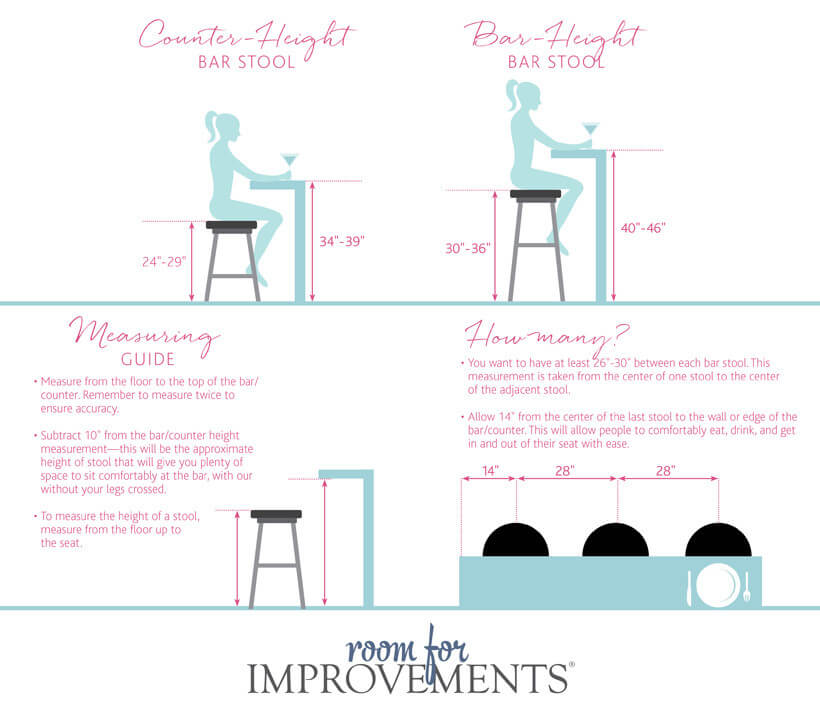
Image Source: www.signaturekab.com
Deciphering Kitchen Island Height Requirements
When planning your kitchen island, several factors influence the kitchen island height requirements. These include the primary activities the island will facilitate, the type of seating (if any) you plan to incorporate, and the existing proportions of your kitchen.
Standard Kitchen Island Height
The standard kitchen island height is generally around 36 inches (91.4 cm). This measurement aligns with typical countertop heights in most kitchens, making it a versatile option.
- Functionality: At this height, a standard island serves well for food preparation, baking, and as a general workspace. It allows for comfortable standing while chopping vegetables, kneading dough, or plating meals.
- Ergonomics: For most adults, a 36-inch high surface is ergonomically sound for most kitchen tasks, reducing strain on the back and shoulders.
- Integration: It seamlessly integrates with existing base cabinets and countertops, creating a cohesive look.
Counter Height Kitchen Island
A counter height kitchen island typically measures between 34 to 36 inches (86.4 to 91.4 cm) from the floor to the top of the countertop. This is the most popular choice for a reason.
- Versatility: It offers the best of both worlds: a functional workspace for cooking and prep, and a comfortable spot for casual dining or conversation.
- Seating: Standard counter stools with a seat height of around 24-26 inches are perfectly suited for a 36-inch counter height island. This allows for comfortable legroom and easy interaction.
- Accessibility: It’s accessible for most family members, including children (with supervision), making it a central hub for family activities.
Bar Height Kitchen Island
A bar height kitchen island is typically around 40 to 42 inches (101.6 to 106.7 cm) from the floor to the top of the countertop. This height is designed for a more elevated seating experience.
- Dedicated Seating: If your primary goal for the island is to serve as a bar or a dedicated dining spot, bar height is ideal. It creates a distinct dining area and offers a more social atmosphere.
- Seating: Bar stools with a seat height of around 28-30 inches are appropriate for this height. This provides adequate legroom and a comfortable perching position.
- Visual Interest: A bar height island can add a dynamic element to your kitchen’s design, making it feel more like a separate zone.
- Considerations: It might be too high for extensive food preparation, and younger children may need specialized chairs or supervision.
Dining Height Kitchen Island
A dining height kitchen island is often around 28 to 30 inches (71.1 to 76.2 cm) from the floor to the top of the countertop. This is essentially the height of a standard dining table.
- Formal Dining: If you envision your island functioning primarily as a dining table where people sit for extended meals, this height is optimal.
- Seating: Standard dining chairs with a seat height of 18 inches are the perfect match for this island height.
- Comfort: It provides the most comfortable seating for long periods, mimicking the experience of sitting at a dining table.
- Practicality: While comfortable for dining, it can be too low for efficient food preparation for many adults, potentially leading to back strain.
Fathoming the Ideal Kitchen Island Height
The ideal kitchen island height is a blend of practicality and personal preference. It’s about creating a space that works seamlessly with your lifestyle.
The Role of Kitchen Island Countertop Height
The kitchen island countertop height is the cornerstone of its usability. It dictates what activities can be performed comfortably and what type of seating will work.
- Prep Work: For those who spend a lot of time chopping, mixing, and cooking, a slightly lower height (like 36 inches) can be more comfortable for extended periods.
- Eating: If the island is a primary dining spot, the height should accommodate comfortable dining chairs or stools.
- Multi-functionality: Many homeowners opt for a multi-level island to cater to different needs. This could involve a lower section for prep and a higher section for seating.
Achieving a Comfortable Kitchen Island Height
A comfortable kitchen island height is one that allows you to work or sit without strain.
- Standing Comfort: When standing at the island for prep work, your elbows should be at a relaxed angle, roughly 90 degrees, when your hands are on the countertop. This usually means the countertop should be about 4-6 inches below your elbow height.
- Seating Comfort: For seating, ensure there’s adequate knee clearance under the island. Typically, 12-15 inches of clearance is recommended between the seat of the stool and the underside of the overhang.
Kitchen Island Base Cabinet Height
The kitchen island base cabinet height is the starting point for determining the overall island height. Standard base cabinets are usually 34.5 inches tall. When you add a countertop (typically 1.5 to 2 inches thick), you arrive at the common 36-inch overall height.
- Customization: Custom base cabinets can be manufactured to different heights to achieve specific island heights.
- Stacked Cabinets: Sometimes, base cabinets are stacked with an additional raised support or a thicker countertop to reach bar height.
Kitchen Island Seating Height Considerations
The kitchen island seating height directly relates to the island’s countertop height. The goal is to create a harmonious relationship between the seating and the surface.
| Island Countertop Height | Recommended Stool/Chair Seat Height | Clearance (Seat to Countertop) | Typical Use |
|---|---|---|---|
| 30 inches (Table Height) | 18 inches | 12 inches | Formal dining, extended meals |
| 36 inches (Counter Height) | 24-26 inches | 12-15 inches | Prep work, casual dining, socializing |
| 42 inches (Bar Height) | 28-30 inches | 12-15 inches | Bar seating, high-top dining, quick meals |
- Knee Room: Ensure there’s enough space for people’s legs. If the island has a seating overhang, make sure it’s deep enough to accommodate diners comfortably. A 12-15 inch overhang is generally sufficient for counter and bar heights.
- Aesthetics: The style of the stools or chairs should complement the island and the overall kitchen design.
Design Strategies for Island Height
Beyond pure function, the height of your island contributes significantly to the visual balance and flow of your kitchen.
Creating Zones with Height Variations
If your island serves multiple purposes, consider a tiered design.
- Dual-Level Islands: A common approach is to have a lower section (around 36 inches) for food preparation and a higher section (around 42 inches) for seating. This visually separates the work area from the social area.
- Benefits: This design is particularly effective in open-plan kitchens, helping to delineate different functional zones without building walls. It also allows for a more comfortable preparation surface while providing an elevated bar-style seating area.
The Impact of Overall Kitchen Proportions
The height of your island should also be considered in relation to the other elements in your kitchen.
- Ceiling Height: In kitchens with very high ceilings, a taller island (like bar height) can help fill the vertical space and create a more grounded feel. Conversely, in a kitchen with standard or lower ceilings, a standard counter height island might feel more appropriate and less imposing.
- Cabinetry: The height of your perimeter cabinets and wall units can influence the perceived height of the island. Consistency in height or a deliberate contrast can both be used effectively.
Practical Considerations for Your Kitchen Island Height
Before committing to a height, think about who will be using the island and how often.
Who Will Use the Island Most?
- Families with Young Children: A standard counter height (36 inches) is generally the most practical. While it’s still high for very young children, it’s manageable with supervision and appropriate seating. Avoid bar height if children will be frequently using the island for homework or meals without adult supervision.
- Entertainers: If you frequently host gatherings, an island that facilitates interaction is key. Bar height can create a more social, bar-like atmosphere, while counter height allows for more casual mingling during food prep.
- Individuals with Mobility Issues: Consider whether anyone in the household has mobility concerns. A height that is easily accessible and comfortable for them should be a priority. Perhaps a custom height or a multi-level design would be beneficial.
Seating Integration and Legroom
This is a crucial aspect of achieving a comfortable kitchen island height.
- Overhang Depth: For comfortable seating, ensure there’s enough overhang on the island.
- Counter Height (36 inches): A 12-inch overhang is generally recommended for casual dining. If you plan to eat full meals here, aim for 15 inches.
- Bar Height (42 inches): A 12-inch overhang is typically sufficient for this height, as people tend to perch rather than sit back fully.
- Stool/Chair Design: The style and thickness of the stool or chair legs can also impact legroom. Consider stools with a slim profile or those that can tuck fully under the island.
ADA Compliance and Ergonomics
While not always a strict requirement in residential kitchens, considering ADA (Americans with Disabilities Act) guidelines can lead to more universally accessible and comfortable designs.
- Accessible Counter Height: ADA guidelines suggest a primary counter height of 34 inches with a knee clearance of at least 27 inches from the floor.
- Knee Clearance: This provides a comfortable space for someone seated at the island, whether they are using a wheelchair or simply prefer to sit closer. Even if ADA compliance isn’t a direct goal, incorporating generous knee clearance makes any seating area more comfortable.
Common Kitchen Island Height Scenarios
Let’s look at some popular scenarios and the recommended heights:
Scenario 1: The All-Purpose Island
- Primary Use: Food preparation, casual dining, gathering space.
- Recommended Height: Counter height kitchen island at 36 inches.
- Seating: Accommodates counter stools (24-26 inch seat height).
- Why it works: It’s the most versatile option, blending functionality for cooks with comfort for diners.
Scenario 2: The Entertainer’s Hub
- Primary Use: Socializing, bar area, quick meals.
- Recommended Height: Bar height kitchen island at 40-42 inches.
- Seating: Accommodates bar stools (28-30 inch seat height).
- Why it works: Creates a distinct social zone, perfect for parties and casual get-togethers. It keeps guests out of the main cooking path.
Scenario 3: The Family Dining Center
- Primary Use: Primarily for family meals, homework, board games.
- Recommended Height: Dining height kitchen island at 28-30 inches.
- Seating: Accommodates dining chairs (18 inch seat height).
- Why it works: Offers the most comfortable seating for extended periods, much like a traditional dining table.
Scenario 4: The Multi-Functional Marvel
- Primary Use: Combines serious prep space with a separate dining or socializing area.
- Recommended Height: Multi-level island with a lower prep area (36 inches) and a higher seating area (42 inches).
- Seating: Counter stools for the lower section, bar stools for the higher section.
- Why it works: Addresses multiple needs within one island, maximizing usability and catering to different activities.
Customization and Creative Solutions
Don’t feel restricted by standard heights. Customization opens up a world of possibilities.
Beyond Standard Heights
- Slight Adjustments: Even a 1-2 inch adjustment can make a difference in comfort. If 36 inches feels a little too high or low for your specific elbow height, don’t hesitate to adjust.
- Unique Materials: The thickness of your countertop material can affect the final height. Thicker materials like butcher block or stone slabs will add more inches than thinner laminate or solid surface options.
- Adjustable Legs: For maximum flexibility, consider islands with adjustable legs, allowing you to fine-tune the height after installation.
Integrating Appliances and Sinks
The height considerations also extend to integrated appliances and sinks.
- Sink Height: If your island features a sink, the rim of the sink should ideally be at the same level as the countertop for seamlessness and ease of cleaning.
- Appliance Height: Built-in cooktops or ovens will also influence the overall height and design of the island’s base.
Final Thoughts on Kitchen Island Height
Selecting the right kitchen island height is a decision that balances aesthetics with ergonomics. Whether you’re aiming for a counter height kitchen island for everyday prep and casual meals, a bar height kitchen island for socializing, or a dining height kitchen island for family dinners, the ideal kitchen island height is one that enhances your kitchen’s functionality and your enjoyment of the space.
Consider your daily routines, who will be using the island, and what activities will take place there. By carefully evaluating kitchen island height requirements and thinking about kitchen island seating height and kitchen island base cabinet height, you can ensure your island is not just a stylish addition but a truly comfortable kitchen island height that becomes the heart of your home. The kitchen island countertop height is a critical detail that, when chosen wisely, contributes significantly to the overall success of your kitchen design.
Frequently Asked Questions (FAQ)
Q1: What is the most common kitchen island height?
A1: The most common kitchen island height is 36 inches, which is considered standard counter height.
Q2: Can I have different heights on my kitchen island?
A2: Yes, many people opt for multi-level islands with different heights for food preparation and seating to accommodate various activities.
Q3: How much legroom do I need under my kitchen island?
A3: For comfortable seating, aim for at least 12-15 inches of clearance between the seat of the stool or chair and the underside of the island overhang.
Q4: Is a bar height kitchen island good for food preparation?
A4: While possible, a bar height island (around 40-42 inches) is generally considered too high for comfortable, prolonged food preparation for most adults, potentially causing back strain. Counter height (36 inches) is usually preferred for prep work.
Q5: What height stool do I need for a 36-inch kitchen island?
A5: For a 36-inch counter height island, you’ll need counter stools with a seat height of approximately 24 to 26 inches.