
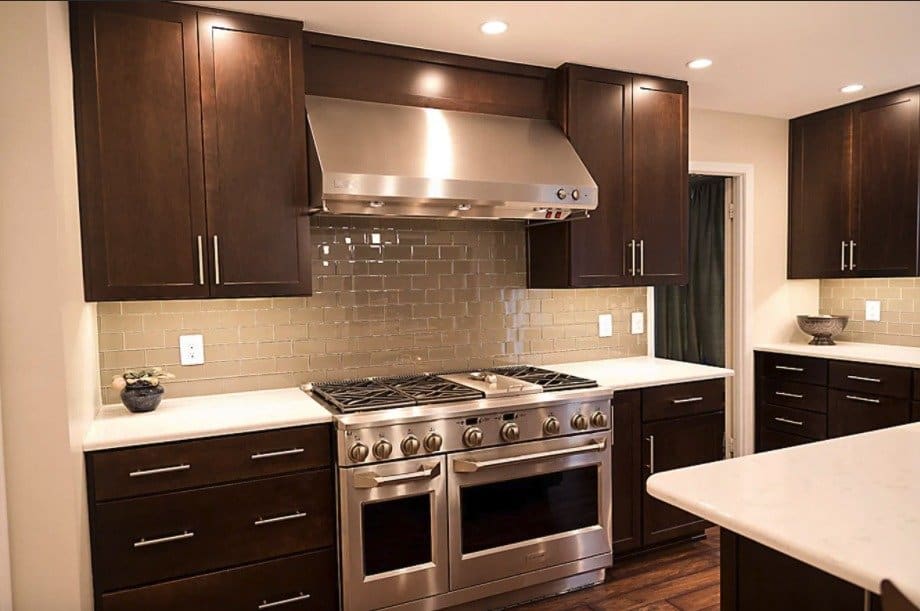
Image Source: ohanlonkitchens.com
How To Brighten Up A Dark Kitchen: Design Ideas
Can you brighten a dark kitchen? Yes, you absolutely can brighten a dark kitchen with a strategic combination of design choices, focusing on light reflection, smart color palettes, and enhanced lighting.
Is your kitchen feeling a bit gloomy? Do you find yourself reaching for the light switch even on a sunny day? A dark kitchen can feel unwelcoming and smaller than it actually is. But don’t despair! There are many effective ways to transform a dim space into a bright, cheerful, and inviting heart of your home. This guide will delve into the best design ideas to banish the shadows and create a truly bright kitchen design.
Maximizing Natural Light in the Kitchen
The most powerful tool you have for brightening your kitchen is natural light kitchen itself. Harnessing the sun’s rays is the first and most crucial step.
Optimizing Window Treatments
The way you dress your windows can make a huge difference. Heavy, dark curtains can absorb light and make a space feel closed off.
- Sheer Curtains: Opt for sheer or semi-sheer fabrics. These allow natural light to filter through while still offering some privacy. Materials like linen, voile, or lightweight cotton work wonderfully.
- Light-Colored Blinds: If you prefer blinds, choose light colors like white, cream, or pale pastels. Venetian blinds or Roman shades in light materials can be adjusted to control light flow.
- Avoid Heavy Drapes: If you must use drapes for insulation or privacy, choose lighter colors and fabrics. Consider a double curtain rod so you can layer sheers with heavier drapes for nighttime.
- Keep Windows Clear: Ensure your windows are clean. Grimy panes can significantly reduce the amount of light entering your kitchen.
Utilizing Reflective Surfaces Kitchen
Mirroring and reflecting light is a fantastic way to spread it throughout your kitchen. Introducing reflective surfaces kitchen strategically can create the illusion of more space and brightness.
- Mirrored Backsplashes: A mirrored backsplash is a bold statement that bounces light around the room. It’s particularly effective behind your stove or sink, areas that often benefit from extra illumination.
- Glossy Finishes: High-gloss cabinet finishes, especially in lighter colors, will reflect light more than matte surfaces. This applies to paint, tiles, and even countertops.
- Polished Metals: Stainless steel appliances, chrome hardware, and brass or copper accents can all contribute to reflecting light. Consider a polished stainless steel backsplash or metallic light fixtures.
- Glass Cabinet Doors: Incorporating glass-fronted cabinets, particularly upper cabinets, allows light to penetrate deeper into the space and reflect off the contents within (if they are organized neatly!).
The Power of Color: Best Paint Colors for a Dark Kitchen
Choosing the right paint colors is fundamental to a bright kitchen design. Light and reflective hues are your best friends when tackling a dark space.
Light and Airy Wall Colors
The walls are the largest canvas in your kitchen, so their color has a significant impact.
- Whites and Off-Whites: Pure white is a classic for a reason. It reflects the most light. Off-whites, cream, and ivory offer a softer, warmer alternative that still maximizes brightness.
- Pale Grays: Light, cool grays can provide a sophisticated backdrop that still reflects light well. Avoid dark or charcoal grays in a dim kitchen.
- Soft Pastels: Gentle blues, greens, or even pale yellows can add a touch of color while maintaining a bright feel. Think sky blue, mint green, or a buttery yellow.
- Avoid Dark Tones: Deep reds, browns, navy blues, and forest greens will absorb light and make your kitchen feel even darker and smaller.
Lightening Dark Cabinets
If your cabinets are a major source of the darkness, consider options for lighten dark cabinets.
- Painting Cabinets: This is often the most impactful change. Light colors like white, cream, light gray, or pale pastels can completely transform the feel of your kitchen.
- Prep is Key: Thoroughly clean and sand your cabinets before painting for the best adhesion and finish.
- Primer: Use a good quality primer, especially if you’re painting over a dark or stained wood finish.
- Paint Type: Opt for a durable, washable paint, such as a satin or semi-gloss enamel, designed for cabinets.
- Replacing Cabinet Doors: If painting isn’t an option or you desire a different style, consider replacing your cabinet doors with lighter-colored or glass-fronted ones.
- Refacing Cabinets: This involves covering your existing cabinet frames with new material, often a light-colored laminate or veneer, and adding new doors.
- Open Shelving: Removing some upper cabinet doors and replacing them with open shelving can create a lighter, more airy feel. Paint the shelves and the wall behind them in a light color.
Ceiling and Trim Colors
Don’t forget these often-overlooked areas.
- Ceiling: Paint your ceiling a crisp white. This will reflect light downwards, making the room feel taller and brighter.
- Trim: White or off-white trim around windows, doors, and baseboards will contrast with any darker elements and bounce light around.
Enhancing Kitchen Lighting Ideas
Beyond natural light, strategic artificial lighting is crucial for a truly bright kitchen design. Good kitchen lighting ideas will ensure your kitchen is functional and inviting at all times.
Layering Your Lighting
A single overhead light is rarely enough for a dark kitchen. Aim for a layered approach.
- Ambient Lighting: This is your general, overall illumination. Recessed ceiling lights or a central pendant light can provide this.
- Dimmers: Install dimmers on your ambient lights. This allows you to control the mood and brightness throughout the day.
- Task Lighting: This is focused light for specific work areas like countertops, the stove, and sink.
- Under-Cabinet Lighting: This is one of the most effective countertop lighting solutions. LED strips or puck lights mounted beneath your upper cabinets provide excellent illumination for food preparation, eliminating shadows. This is a game-changer for natural light kitchen design that might still have darker corners.
- Pendant Lights: Pendants hung over an island or peninsula provide both task and decorative lighting. Choose shades that are open at the bottom to direct light downwards.
- Recessed Lighting: Strategically placed recessed lights can illuminate work zones effectively.
- Accent Lighting: This is used to highlight specific features, such as artwork, decorative shelves, or the inside of glass cabinets. Small spotlights or LED strips can be used here.
Choosing the Right Bulbs
The type of bulb you use significantly impacts the light quality.
- Color Temperature: For a bright, inviting kitchen, opt for bulbs with a color temperature of 3000K (cool white) to 4000K (bright white). Avoid very warm (yellowish) or very cool (bluish) tones, as they can either make the space feel dimmer or artificial.
- Brightness (Lumens): Ensure your bulbs are bright enough for your needs. Check the lumen output on the packaging.
- LEDs: LEDs are highly energy-efficient, long-lasting, and come in a wide range of color temperatures and brightness levels. They are an excellent choice for all types of kitchen lighting.
Strategic Layout and Fixture Choices
The arrangement of your kitchen and the style of your fixtures also play a role in its brightness.
Optimizing Layout for Light Flow
- Avoid Blocking Windows: If possible, arrange your kitchen layout so that tall appliances or cabinets do not obstruct windows.
- Open Concepts: If you’re renovating, consider an open-concept layout that connects your kitchen to other brighter spaces in your home.
Fixture Styles
- Light-Colored Fixtures: Choose light-colored or metallic light fixtures. White, brushed nickel, chrome, or brass can help reflect light.
- Open Shades: Fixtures with open shades or clear glass shades will allow light to escape in all directions, rather than being trapped.
Material Matters: Countertops and Flooring
The materials you choose for your surfaces can either absorb or reflect light.
Countertop Choices
- Light-Colored Countertops: Opt for countertops in white, cream, light gray, or pale marble. These will reflect light and make the workspace feel more open.
- Quartz: Many quartz options come in beautiful light colors and patterns.
- Granite: Lighter granite colors like Bianco Romano or Moon White can be excellent choices.
- Marble: While beautiful, marble can be porous and stain-prone. For a bright kitchen, consider a honed or leathered finish for a more matte appearance.
- Polished Finishes: Similar to cabinets, polished countertops will reflect more light than honed or matte finishes.
Flooring Options
- Light-Colored Flooring: Light-colored tiles, vinyl plank flooring, or laminate can significantly brighten the space.
- Reflective Flooring: Some vinyl or laminate flooring options have a slight sheen that can help reflect light.
- Avoid Dark Flooring: Dark tiles or wood flooring will absorb light and can make a kitchen feel more enclosed.
The Role of Accessories and Decor
Even small decorative touches can contribute to a brighter bright kitchen design.
- Mirrors: Beyond backsplashes, a well-placed mirror on a wall can reflect both natural and artificial light.
- Sleek Hardware: Light-colored or metallic cabinet hardware can make a difference.
- Clear or Light-Colored Decor: Use decorative items in clear glass, white, or light pastels.
- Plants: While not directly reflective, a few vibrant green plants can add a cheerful, lively feel that contributes to overall brightness.
A Table of Quick Wins for Dark Kitchen Solutions
Here’s a quick reference for implementing dark kitchen solutions:
| Area of Focus | Brightening Strategies | Key Benefits |
|---|---|---|
| Walls | Light paint colors (white, cream, pale gray, pastels) | Maximizes light reflection, makes space feel larger. |
| Cabinets | Paint (light colors), replace doors, open shelving | Transforms the dominant visual element, reduces shadow. |
| Countertops | Light colors (white, cream, pale stone), polished finishes | Brightens work surfaces, reflects light. |
| Flooring | Light-colored tiles, vinyl, laminate | Adds overall brightness from the ground up. |
| Lighting | Layered lighting (ambient, task, accent), LED bulbs (3000-4000K), dimmers | Ensures illumination where needed, allows mood control. |
| Windows | Sheer curtains, light blinds, clean glass | Maximizes natural light kitchen entry. |
| Reflective Surfaces | Mirrored backsplash, glossy finishes, polished metal | Bounces light, creates illusion of depth. |
Transforming a Dark Kitchen: A Step-by-Step Approach
Let’s outline a practical plan for tackling your dark kitchen.
Step 1: Assess and Plan
- Identify the Source of Darkness: Are your cabinets too dark? Is there a lack of natural light? Are your current lights insufficient?
- Set a Budget: Decide how much you’re willing to spend on paint, new fixtures, or potential renovations.
- Prioritize Changes: What will make the biggest impact for your budget? Often, painting cabinets and improving lighting yield the most dramatic results.
Step 2: Embrace Light Colors
- Walls First: Start by painting your walls and ceiling in a bright, light hue. This is a relatively inexpensive and high-impact change.
- Consider Cabinet Refresh: If your budget allows, tackle your cabinets. Painting them a light color is a transformative step. If you’re not comfortable DIY-ing, consider hiring a professional painter.
Step 3: Supercharge Your Lighting
- Install Under-Cabinet Lighting: This is often the most cost-effective way to dramatically improve your workspace illumination and is a key element for countertop lighting.
- Upgrade Fixtures: Replace any outdated, dark, or inefficient light fixtures. Ensure you’re using LED bulbs in the appropriate color temperature.
- Add Dimmers: Dimmers provide flexibility and enhance the overall ambiance.
Step 4: Introduce Reflective Elements
- Small Touches: Start with adding a decorative mirror or replacing cabinet hardware with lighter finishes.
- Consider Backsplashes: If renovating, a mirrored or glossy tile backsplash can be a significant light booster.
Step 5: Final Touches
- Update Countertops (If Possible): If your budget allows for a larger renovation, choosing lighter countertops can make a huge difference.
- Accessorize Wisely: Use decor items in light colors to complement your new, brighter space.
Frequently Asked Questions about Brightening a Dark Kitchen
Q1: What is the best paint color for a dark kitchen?
A1: The best paint colors for a dark kitchen are typically shades of white, off-white, cream, pale gray, or very soft pastels. These colors reflect the most light, making the space feel more open and airy.
Q2: Can I lighten dark cabinets without painting them?
A2: While painting is the most effective way to lighten dark cabinets, other options include replacing the cabinet doors entirely with lighter-colored ones, or refacing the cabinets with a new light-colored material. Sometimes, a thorough deep clean and polish can reveal a lighter tone if they are simply dirty or waxed.
Q3: How much does it cost to brighten a dark kitchen?
A3: The cost can vary widely depending on the scope of work. Painting cabinets and walls is relatively inexpensive if you DIY. Upgrading lighting can range from a few hundred dollars for new fixtures and bulbs to a few thousand for a more comprehensive lighting overhaul. Replacing countertops or cabinets would significantly increase the cost.
Q4: What type of lighting is best for a dark kitchen?
A4: A layered lighting approach is best. This includes ambient lighting for overall brightness (like recessed lights), task lighting for work areas (like under-cabinet lights and pendant lights), and accent lighting for features. LED bulbs with a color temperature of 3000K-4000K are recommended for a bright, natural feel.
Q5: Are reflective surfaces really that important in a dark kitchen?
A5: Yes, reflective surfaces kitchen are very important. They bounce light around the room, creating the illusion of more space and significantly enhancing the brightness, especially when combined with good lighting and light paint colors.
By implementing these design ideas, you can transform even the gloomiest kitchen into a bright, welcoming, and functional space. Embrace the power of light colors, strategic lighting, and reflective materials to create the bright kitchen design you’ve always dreamed of.