
Image Source: i.ytimg.com
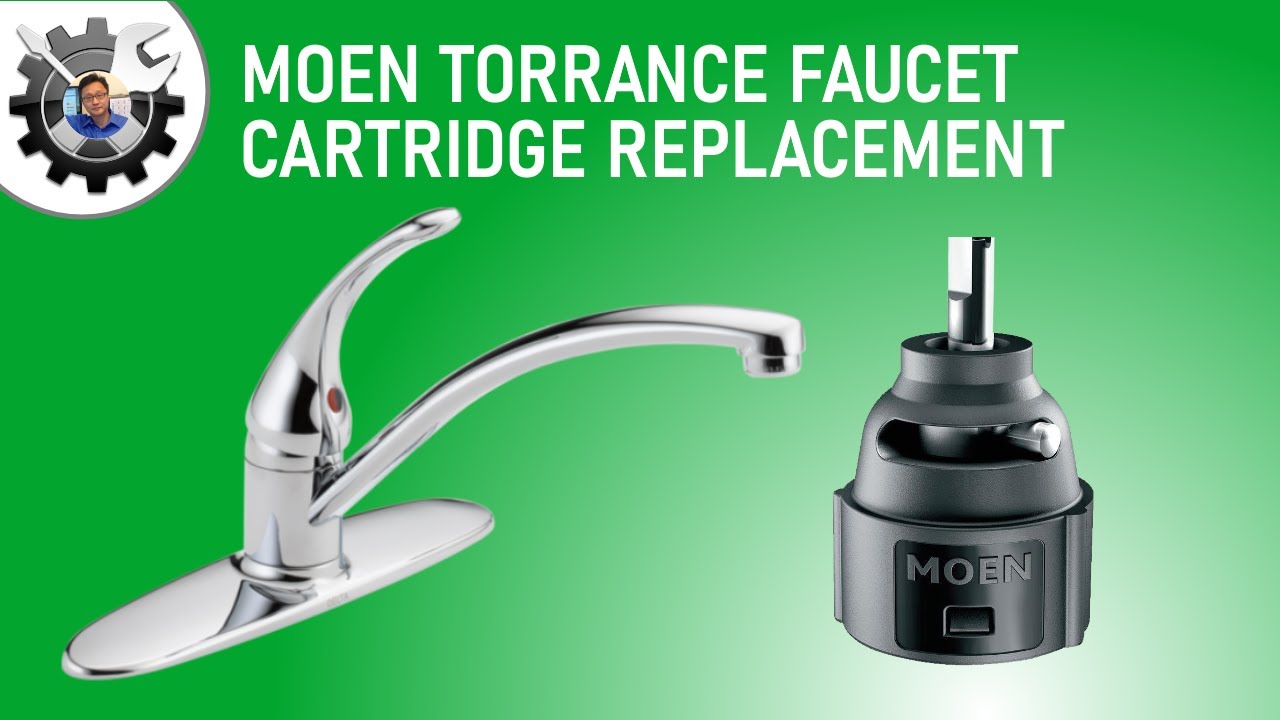
DIY Guide: How To Change A Moen Kitchen Faucet Cartridge
Can I change a Moen kitchen faucet cartridge myself? Yes, you can change a Moen kitchen faucet cartridge yourself with basic tools and a little patience. This guide will walk you through the entire process, from identifying the right cartridge to successfully installing the new one.
A dripping or malfunctioning Moen kitchen faucet can be frustrating, but often the culprit is a worn-out cartridge. Fortunately, Moen faucet repair is a common DIY project, and replacing a Moen cartridge is well within the reach of most homeowners. This detailed guide will equip you with the knowledge and steps needed to fix a leaky Moen faucet by changing its cartridge. We’ll cover everything from gathering your supplies to the final checks, ensuring a smooth and successful Moen cartridge replacement.
Gathering Your Essential Tools and Supplies
Before you begin, having all the necessary tools and Moen faucet parts readily available will make the job much easier and prevent interruptions.
Key Tools for Moen Faucet Repair:
- Adjustable Wrench: This is your primary tool for loosening and tightening various nuts and fittings.
- Phillips Head Screwdriver: You’ll likely need this to remove decorative caps and possibly secure the handle.
- Flathead Screwdriver: Sometimes required for prying off small caps or covers.
- Pliers (Needle-nose and Regular): Useful for gripping small parts, pulling out clips, and holding items steady.
- Allen Wrench Set: Many Moen faucets use a small Allen screw to secure the handle.
- Rag or Towel: To protect your sink and catch any drips.
- Bucket or Bowl: To catch residual water when you disconnect supply lines.
- Plumber’s Grease or Silicone Lubricant: Essential for lubricating the O-rings on the new cartridge to ensure smooth operation and prevent future leaks.
- Penetrating Oil (Optional but recommended): If parts are seized or corroded, penetrating oil can help loosen them.
- Safety Glasses: Always protect your eyes when working with plumbing.
Identifying the Correct Moen Cartridge
This is a crucial step. Moen uses different cartridge types for various faucet models. Using the wrong cartridge will result in continued leaks or improper function.
How to Identify Your Moen Cartridge Type:
- Check the Faucet Model: The easiest way to identify Moen cartridge type is to find the model number of your faucet. This is often printed on a sticker underneath the sink on the faucet body or supply lines.
- Consult Your Faucet Manual: If you still have the owner’s manual that came with your faucet, it will specify the correct cartridge model.
- Visual Inspection and Measurement: If you can’t find a model number, you’ll need to visually compare your existing cartridge to images online or bring the old cartridge to a plumbing supply store. Key identifying features include:
- Color: Many Moen cartridges have a distinct color (e.g., red, yellow, clear).
- Notches and Tabs: The number and placement of notches or tabs on the cartridge body are critical for proper seating and operation.
- Shape and Size: The overall dimensions and shape of the cartridge are unique to its model.
- Use Moen’s Online Resources: Moen has a fantastic online tool on their website where you can upload a picture of your faucet or cartridge, or describe its features, to help you find the exact replacement part. You can also search for your faucet model number directly.
Common Moen Cartridge Types:
| Cartridge Name/Series | Identifying Features | Common Faucet Lines |
|---|---|---|
| 1200 Series | Red plastic housing, four notches on the body | Monticello, Hensley, Brantford |
| 1222 Series | Single handle, clear plastic housing, two notches | Eva, Arbor, Brantford |
| 1225 Series | Single handle, clear plastic housing, three notches | Adler, Milla, Keeley |
| 1234 Series | Single handle, clear plastic housing, flat body | Saltillo, Weymouth, Ashfield |
| PST/M-Pact Cartridge | Often has a specific date stamp, unique mounting system | Newer Moen faucets (various series) |
Note: This table is a general guide. Always confirm the exact cartridge needed for your specific faucet model.
Once you’ve identified the correct cartridge, you can purchase it from a home improvement store, a plumbing supply store, or online. Ensure you are buying a genuine Moen part for optimal performance and longevity.
Step-by-Step: The Moen Cartridge Replacement Process
This section will guide you through each stage of the Moen faucet disassembly and the install new faucet cartridge process.
Step 1: Shutting Off the Water Supply
This is the most important safety step. Never attempt to change a faucet cartridge without shutting off the water supply first.
How to Turn Off Water to Your Faucet:
- Locate the Shut-Off Valves: Look under your sink for two valves, usually attached to the hot and cold water supply lines that connect to the faucet. They typically have a small handle or knob.
- Turn Off the Valves: Turn the handles clockwise until they are firmly closed.
- Test the Water Flow: Turn on the faucet to ensure that the water is completely off. A small trickle of water might come out, but it should stop shortly. This also helps to relieve any remaining pressure in the lines.
- Cover the Drain: Place a rag or drain stopper in the sink drain to prevent any small parts from falling down the drain during the repair.
Step 2: Removing the Faucet Handle
The handle is the most visible part of your faucet and needs to be removed to access the cartridge. The method for removing the handle can vary slightly depending on your faucet model.
Common Ways to Remove a Moen Faucet Handle:
- Decorative Cap: Many Moen handles have a small decorative cap on the front or side that hides a screw.
- Locate the Cap: This cap is usually marked with a blue (cold) or red (hot) indicator.
- Pry Off the Cap: Gently pry off the cap using a flathead screwdriver or a thin putty knife. Be careful not to scratch the faucet finish.
- Remove the Screw: Once the cap is off, you’ll see a Phillips head screw. Unscrew it completely.
- Set Screw (Allen Screw): Some handles are secured with a small set screw, typically located on the underside or back of the handle.
- Locate the Set Screw: Look for a small hole on the handle.
- Insert Allen Wrench: Insert the appropriate size Allen wrench into the hole.
- Loosen the Screw: Turn the Allen wrench counter-clockwise to loosen the set screw. You don’t need to remove the screw entirely, just loosen it enough to allow the handle to slide off.
Once the screw or set screw is loosened, the handle should lift straight up and off the faucet body. If it feels stuck, gently wiggle it side to side while pulling upwards. Avoid excessive force, as you could damage the faucet.
Step 3: Accessing the Cartridge Retaining Clip or Nut
With the handle removed, you’ll see the internal workings of the faucet. The cartridge is usually held in place by either a retaining clip or a retaining nut.
Removing the Retaining Clip:
- Locate the Clip: The retaining clip is often a small, horseshoe-shaped metal piece that fits into a slot on the faucet body, holding the cartridge in place.
- Remove the Clip: Use a pair of needle-nose pliers or a flathead screwdriver to carefully pull the clip straight out. It might require a bit of wiggling. Make sure you pull it straight out, not at an angle, to avoid bending it.
Removing the Retaining Nut:
- Locate the Nut: This is a brass or plastic nut that screws onto the faucet body, securing the cartridge.
- Use an Adjustable Wrench: Place your adjustable wrench onto the retaining nut.
- Loosen the Nut: Turn the nut counter-clockwise to unscrew it. You might need to hold the faucet body steady with your other hand or a second wrench to prevent the entire faucet from turning.
Step 4: Removing the Old Cartridge
Now you’re ready to pull out the old Moen valve stem and its housing, which is the cartridge.
Extracting the Old Cartridge:
- Grasp the Cartridge: Once the clip or nut is removed, the cartridge should be accessible. Some cartridges have a small metal stem or ear that you can grip with pliers.
- Use Pliers or a Cartridge Puller:
- Pliers Method: If your cartridge has a stem, grip it firmly with needle-nose pliers and pull straight up. Wiggling gently might help.
- Cartridge Puller Tool: For stubborn cartridges, Moen recommends a specific cartridge puller tool. These tools are designed to grip the cartridge securely and provide leverage for removal. You can often rent these from home improvement stores or purchase them from plumbing supply stores. Follow the instructions that come with the puller.
- Observe the Orientation: Pay attention to how the old cartridge is oriented before you remove it. This will help you install the new one correctly. Note any markings or tabs.
If the cartridge is extremely difficult to remove, a gentle application of penetrating oil around the housing might help. Let it sit for a few minutes before trying to pull it again.
Step 5: Cleaning the Faucet Body
Before installing the new cartridge, it’s essential to clean the area where the cartridge sits.
Cleaning for Optimal Performance:
- Remove Debris: Use a clean rag and a small brush (like an old toothbrush) to clean out any mineral deposits, sediment, or old grease from the faucet body where the cartridge sits.
- Inspect for Damage: While you’re there, check the inside of the faucet body for any cracks or damage that might be causing leaks.
Step 6: Installing the New Faucet Cartridge
This is where you’ll install new faucet cartridge. Proper installation is key to a successful repair.
Steps for Installing the New Cartridge:
- Lubricate O-Rings: Apply a thin layer of plumber’s grease or silicone lubricant to the rubber O-rings on the new cartridge. This helps it slide in smoothly and creates a good seal.
- Align the Cartridge: Orient the new cartridge exactly as the old one was removed. Look for alignment tabs or notches that will seat into corresponding slots in the faucet body. The side of the cartridge with the supply ports should face the correct direction for hot and cold water.
- Insert the Cartridge: Gently push the new cartridge straight down into the faucet body. It should slide in smoothly if it’s correctly aligned. You might feel a slight click or resistance as it seats.
- Reinstall the Retaining Clip or Nut:
- For Clips: Slide the retaining clip back into its slot, ensuring it is fully seated.
- For Nuts: Screw the retaining nut back onto the faucet body by hand. Then, use your adjustable wrench to tighten it until snug. Do not overtighten, as this can damage the new cartridge or faucet body.
Step 7: Reassembling the Faucet Handle
Now, put the faucet back together.
Reattaching the Handle:
- Place the Handle: Slide the faucet handle back onto the stem of the cartridge. Ensure it’s in the correct orientation.
- Reinsert the Screw/Set Screw:
- For Screws: Insert the Phillips head screw and tighten it securely.
- For Set Screws: Insert the set screw and tighten it using the Allen wrench until the handle is firmly secured.
- Replace Decorative Cap: Snap the decorative cap back into place.
Step 8: Turning the Water Supply Back On and Testing
The moment of truth! It’s time to see if your repair was successful.
Testing Your Work:
- Turn On Water Slowly: Slowly turn the shut-off valves back on, fully opening them clockwise.
- Check for Leaks: While the water is running, carefully inspect around the faucet handle, base, and under the sink for any signs of leaks.
- Test Faucet Operation: Turn the faucet on and off several times. Check that both hot and cold water are working correctly and that the flow is smooth. Ensure there are no drips from the spout when the faucet is turned off.
Troubleshooting Common Issues
Even with the best intentions, sometimes things don’t go perfectly. Here are a few common problems and how to address them.
Common Problems and Solutions:
- Handle Still Loose:
- Cause: The set screw or handle screw may not be tightened enough.
- Solution: Tighten the screw or set screw firmly. Ensure the handle is aligned correctly on the cartridge stem.
- Faucet Still Leaking:
- Cause 1: The new cartridge is incorrect for your faucet model.
- Solution 1: Double-check that you have the right Moen cartridge. You may need to remove it again and compare it to your faucet’s specifications.
- Cause 2: The cartridge was not installed correctly (e.g., not seated properly, misaligned).
- Solution 2: Remove the cartridge, inspect the faucet body and cartridge for any debris, re-lubricate the O-rings, and reinstall carefully, ensuring proper alignment.
- Cause 3: There is damage to the faucet body itself.
- Solution 3: Inspect the inside of the faucet body for cracks or damage. If found, the faucet may need to be replaced.
- Water Flow is Weak or Erratic:
- Cause 1: Aerator is clogged.
- Solution 1: Unscrew the aerator at the tip of the spout and clean it. Rinse out any debris.
- Cause 2: Debris entered the water lines during the repair.
- Solution 2: Ensure shut-off valves were opened slowly. You might need to disconnect supply lines and flush them carefully (while the water is off at the main house supply, if necessary).
- Difficulty Removing the Old Cartridge:
- Cause: Mineral buildup or corrosion.
- Solution: Use a Moen-specific cartridge puller tool. Apply penetrating oil and allow it to soak. Gently tap around the cartridge housing with a rubber mallet (not directly on the cartridge itself).
Frequently Asked Questions (FAQ)
Here are answers to some common questions related to Moen faucet repair.
-
Q1: How often do Moen faucet cartridges need to be replaced?
A1: The lifespan of a Moen faucet cartridge can vary greatly depending on water quality and usage. However, they typically last anywhere from 5 to 10 years. If you notice a persistent drip or difficulty operating the handle, it’s a good indicator that the cartridge may need replacement. -
Q2: Can I use a generic cartridge instead of a genuine Moen cartridge?
A2: While generic cartridges might fit physically, it is strongly recommended to use genuine Moen cartridges. Genuine parts are manufactured to precise specifications, ensuring proper fit, performance, and longevity. Using a generic part could lead to leaks, poor function, and potentially damage to your faucet. -
Q3: What if my Moen faucet doesn’t have a visible screw or cap to remove the handle?
A3: Some newer Moen faucets use a concealed method for handle attachment. You may need to search for a small access hole on the underside or back of the handle, which will require an Allen wrench. Consult your faucet’s manual or Moen’s website for specific instructions if you’re unsure. -
Q4: How do I know if the issue is the cartridge and not something else?
A4: A leaking spout, especially when the faucet is turned off, is a classic sign of a faulty cartridge. Difficulty in moving the handle smoothly, or the handle feeling loose even when tightened, can also indicate cartridge problems. If you’ve checked the supply lines and connections for leaks and they are secure, the cartridge is the most likely culprit. -
Q5: What is the difference between a single handle faucet cartridge and a two-handle faucet cartridge?
A5: A single handle faucet cartridge controls both water flow and temperature with one lever. A two-handle faucet typically uses separate cartridges or valve stems for hot and cold water, each controlling a specific function. This guide focuses on the more common single-handle Moen faucet cartridge replacement.
By following these detailed steps and tips, you can confidently tackle the task of changing your Moen kitchen faucet cartridge. This DIY approach not only saves you money on plumber fees but also empowers you with valuable home maintenance skills. Remember to work patiently, use the right tools, and consult your faucet’s specific manual if you encounter any unique challenges.