
What is a Moen faucet cartridge, and can I replace it myself? Yes, a Moen faucet cartridge is the internal valve that controls water flow and temperature in your Moen faucet. You can absolutely replace it yourself with the right tools and this guide! This in-depth guide will walk you through every step of the Moen cartridge replacement process, helping you tackle Moen faucet repair like a pro and fix that nagging Moen faucet dripping. Whether you’re dealing with a stubborn leak or just want to perform some basic Moen faucet maintenance, knowing how to replace Moen faucet cartridge is an invaluable skill.
Many homeowners experience issues with their Moen faucets, particularly leaks or difficulty with temperature control. Often, the culprit is a worn-out cartridge. Replacing it is a common and effective Moen faucet repair that can save you the cost of a plumber. This Moen faucet repair guide is designed to make the process clear and manageable, even for those new to DIY plumbing. We’ll cover everything from identifying the right parts to testing your new cartridge.
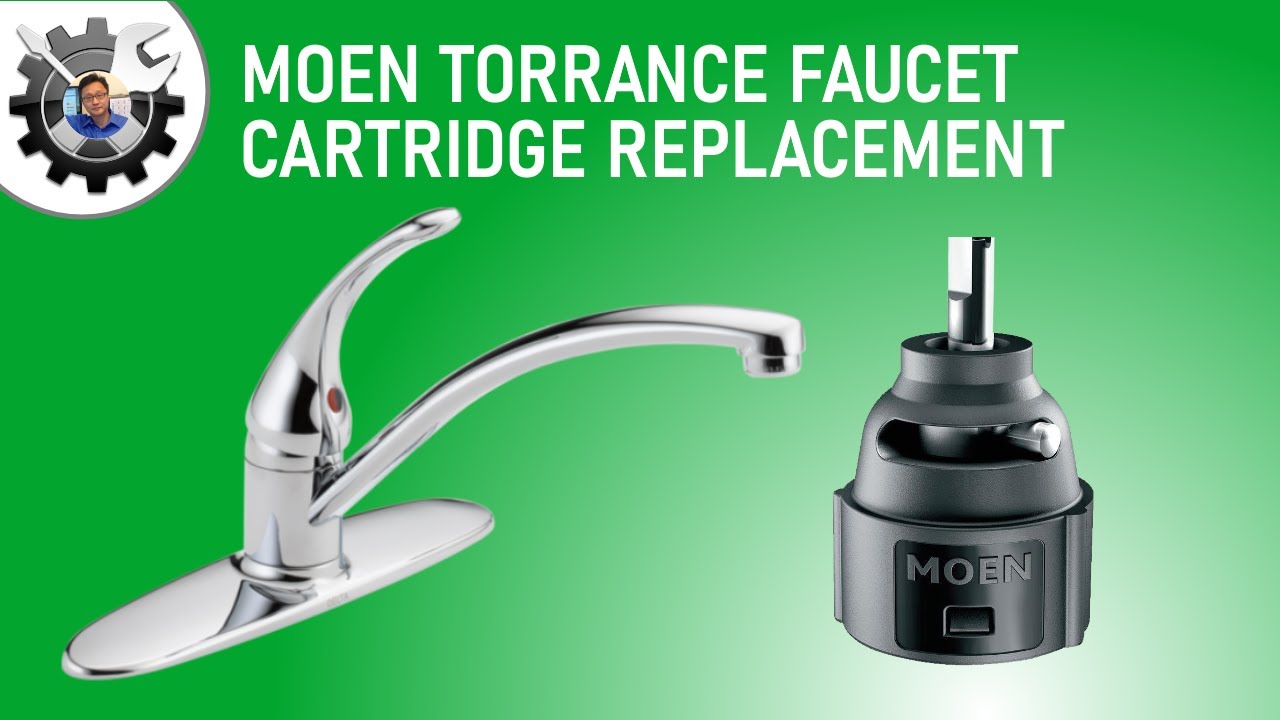
Image Source: i.ytimg.com
Gathering Your Tools and Moen Faucet Parts
Before you begin this Moen faucet repair, it’s essential to have the correct tools and Moen kitchen faucet parts ready. This preparation will make the process smoother and prevent unnecessary trips to the hardware store.
Essential Tools for Cartridge Replacement:
- Phillips Head Screwdriver: For removing decorative caps and handle screws.
- Flathead Screwdriver: Can be useful for prying off caps or gently loosening parts.
- Allen Wrench Set (Hex Keys): Moen often uses Allen screws to secure handles. You’ll likely need a few different sizes.
- Adjustable Wrench (or Basin Wrench): For loosening and tightening nuts that hold the faucet in place or secure the cartridge.
- Pliers (Slip-Joint or Channel-Lock): Helpful for gripping and turning stubborn parts.
- Rag or Towel: To protect surfaces and catch any dripping water.
- Bucket: To catch residual water from the pipes.
- Penetrating Oil (like WD-40): Can be helpful for loosening corroded parts, but use sparingly.
- Replacement Cartridge: This is the most crucial of your Moen kitchen faucet parts.
Identifying Your Moen Faucet Model and Cartridge:
The most important step before purchasing Moen kitchen faucet parts is to correctly identify your Moen faucet model. Moen offers a wide variety of faucets, and each may use a different cartridge.
- Look for a Model Number: Check the back or underside of the faucet body, or look on the original packaging or receipt if you have it.
- Check the Moen Website: Moen’s website has an excellent support section where you can often identify your faucet by uploading a picture or looking through their product lines.
- Bring Your Old Cartridge: If you can remove the old cartridge first, take it to a hardware store. They can often help you find the exact replacement.
Common Moen Cartridge Types:
Moen has used several different types of cartridges over the years. Some of the most common include:
- 1200 Series (e.g., 1225, 1234): Often found in single-handle faucets, these are widely used.
- 1255: Commonly used in newer Moen single-handle faucets.
- 2500 Series: Used in some two-handle faucets.
Knowing your specific cartridge number is key to ensuring you buy the correct Moen faucet valve replacement.
Step-by-Step Guide to Replacing Your Moen Faucet Cartridge
This guide focuses on the common Moen single handle faucet but the principles apply to many Moen faucets. Follow these steps carefully to successfully replace Moen faucet cartridge.
Step 1: Shut Off the Water Supply
This is the most critical step in any Moen faucet repair. You don’t want any water spraying out when you start disassembling the faucet!
- Locate Shut-Off Valves: Look under the sink for two shut-off valves, one for hot water and one for cold water. They usually have small handles or knobs.
- Turn Off Valves: Turn the handles clockwise until they are snug.
- Test: Turn on the faucet to confirm that the water flow has stopped completely. Let any remaining water drain out.
If you cannot find or operate the shut-off valves under the sink, you will need to turn off the main water supply to your house.
Step 2: Remove the Faucet Handle
This is where you start the actual Moen faucet maintenance and repair.
- Find the Handle Screw: Most Moen single-handle faucets have a small screw that secures the handle. This screw is typically hidden under a decorative cap or plug.
- Pry Off the Cap: Gently pry off the decorative cap using a small flathead screwdriver or a utility knife. Be careful not to scratch the faucet finish.
- Unscrew the Handle Screw: Use the appropriate screwdriver (usually Phillips or Allen wrench) to remove the screw holding the handle in place.
- Remove the Handle: Once the screw is out, the handle should lift straight off. Sometimes, corrosion can make it stick. You might need to wiggle it gently. If it’s very stubborn, you can try a bit of penetrating oil, but allow it to sit for a few minutes before trying again. Avoid excessive force, as you could damage the faucet.
Step 3: Remove the Escutcheon Cap and Handle Mechanism
This layer sits beneath the handle and often needs to be removed to access the cartridge.
- Identify Retaining Nut/Collar: Below the handle, you’ll see a metal collar or nut that holds the internal mechanism.
- Loosen the Collar: This collar is usually threaded. You might be able to unscrew it by hand. If not, use pliers or an adjustable wrench. Turn it counter-clockwise.
- Remove the Escutcheon/Bonnet Nut: After loosening the collar, you might need to remove an escutcheon cap or a larger bonnet nut that covers the cartridge. This often unscrews by hand.
Step 4: Remove the Cartridge Retaining Clip (If Applicable)
Some Moen faucets use a small clip to keep the cartridge from being pulled out by water pressure.
- Locate the Clip: Look for a small metal clip or pin that protrudes from the faucet body, often on the side or front, just above the cartridge.
- Remove the Clip: Use pliers or a flathead screwdriver to carefully pull the clip straight out. These clips can be small and easily lost, so be mindful of where you place them.
Step 5: Extract the Old Moen Cartridge
Now you’re ready to pull out the old cartridge. This is often the trickiest part of Moen faucet repair.
- Identify Cartridge Gripping Points: The cartridge usually has flat sides or notches that you can grip.
- Use Moen Cartridge Removal Tool (Recommended): Moen sells specialized cartridge removal tools that fit into the notches on the cartridge and allow you to twist and pull it out more easily. This is highly recommended if you encounter resistance.
- If No Tool: You can try to grip the cartridge with pliers and twist it gently counter-clockwise while pulling upward. Be careful not to damage the faucet body.
- Wiggle and Pull: If the cartridge is still stuck, try wiggling it back and forth as you pull. You can also try gently tapping around the faucet body with the handle of your screwdriver to help loosen it.
- Note the Cartridge Orientation: Pay attention to how the old cartridge is oriented before you remove it completely. This will help you install the new one correctly. The new cartridge typically has specific notches or tabs that align with corresponding slots in the faucet body.
Troubleshooting a Stubborn Cartridge:
- Penetrating Oil: A small amount of penetrating oil around the cartridge can help dissolve mineral deposits. Let it sit for 15-30 minutes.
- Cartridge Puller Tool: If the standard Moen cartridge removal tool isn’t working, there are other aftermarket pullers available.
- Gentle Tapping: Sometimes, gentle tapping with a rubber mallet or the handle of your screwdriver can loosen the grip of mineral buildup.
Step 6: Install the New Moen Cartridge
This is the reverse of the removal process. Ensure you have the correct Moen kitchen faucet parts.
- Prepare the New Cartridge: Compare your new cartridge to the old one to ensure they are identical.
- Lubricate (Optional but Recommended): Apply a thin layer of plumber’s grease or silicone lubricant to the O-rings on the new cartridge. This helps it slide in smoothly and ensures a good seal, aiding in Moen faucet maintenance.
- Insert the New Cartridge: Align the new cartridge with the faucet body, paying attention to any notches or tabs that dictate its correct orientation. Push it firmly into place until it is fully seated. It should slide in without excessive force.
- Reinstall the Retaining Clip (If Applicable): If your faucet had a retaining clip, slide it back into its original position, securing the cartridge.
Step 7: Reassemble the Faucet
Now you’ll put everything back together.
- Replace the Escutcheon/Bonnet Nut: Screw the bonnet nut or escutcheon cap back onto the faucet body, hand-tightening it first.
- Secure the Collar: Screw the retaining collar or nut back on.
- Reattach the Faucet Handle: Place the handle back onto the cartridge stem.
- Insert and Tighten Handle Screw: Reinsert the handle screw and tighten it securely.
- Replace Decorative Cap: Snap the decorative cap back into place.
Step 8: Turn the Water Supply Back On and Test
The moment of truth for your Moen faucet repair!
- Turn On Shut-Off Valves: Slowly turn the hot and cold water shut-off valves back on by turning them counter-clockwise.
- Check for Leaks: Inspect around the handle and base of the faucet for any signs of water leakage.
- Test Faucet Operation: Turn the faucet on to check the water flow. Test both hot and cold water. Operate the handle to ensure smooth movement and proper temperature mixing.
- Address Any Remaining Dripping: If you still experience a Moen faucet dripping, double-check that all components are tightened correctly and that the cartridge is seated properly. Sometimes, a second attempt is needed for perfect sealing.
Common Moen Faucet Issues and Their Solutions
While cartridge replacement is a common fix, other issues can arise. This section touches on other aspects of Moen faucet maintenance and Moen faucet repair.
How to Fix a Leaky Moen Faucet
A leaky Moen faucet, especially a Moen faucet dripping from the spout, is almost always due to a faulty cartridge. The O-rings or seals within the cartridge wear out over time, allowing water to seep through. Replacing the cartridge, as detailed above, is the primary solution.
If the leak is coming from the base of the handle, it could also indicate a worn O-ring on the cartridge or an issue with the bonnet nut not being tightened sufficiently.
Moen Faucet Valve Replacement (Beyond the Cartridge)
While the cartridge is the primary “valve” in many single-handle Moen faucets, some older or different models might have other valve components. However, for the vast majority of modern Moen kitchen faucets, the cartridge is the valve you’ll be replacing. If you suspect a more complex issue or if replacing the cartridge doesn’t solve the problem, it might be time to consult the specific repair manual for your faucet model or consider replacing the entire faucet.
Moen Faucet Maintenance Tips
- Regular Cleaning: Wipe down your faucet regularly with a soft cloth to prevent mineral buildup.
- Avoid Abrasive Cleaners: Harsh chemicals can damage the finish and potentially O-rings.
- Check for Loose Parts: Periodically ensure that the handle and other visible parts are snug.
- Address Small Leaks Promptly: A small drip can worsen over time and indicate a more significant problem.
Frequently Asked Questions (FAQ)
Q1: How often should I replace a Moen faucet cartridge?
A1: There’s no set schedule. Cartridges are designed to last for many years, but their lifespan depends on water quality, usage frequency, and whether you use water softeners. If you notice a leak or temperature control issues, it’s time to replace it, regardless of age.
Q2: What if my new Moen cartridge doesn’t fit?
A2: This usually means you have the wrong replacement cartridge for your faucet model. Double-check the model number of your faucet and the number on the old cartridge. If you’re still unsure, take the old cartridge to a plumbing supply store or hardware store for assistance.
Q3: Can I use a generic cartridge instead of a genuine Moen part?
A3: While some generic cartridges might appear similar, it’s highly recommended to use genuine Moen Moen kitchen faucet parts. Generic parts may not fit perfectly, can be made of lower-quality materials, and might not last as long, potentially leading to future leaks or operational issues. Using genuine Moen parts ensures proper fit and performance.
Q4: My handle is very stiff. What should I do?
A4: A stiff handle can be caused by mineral buildup around the cartridge or a lack of lubrication. After removing the handle, try cleaning the area around the cartridge. If you are replacing the cartridge, ensure the new one is properly lubricated with plumber’s grease before installation.
Q5: I replaced the cartridge, but it’s still leaking from the spout. What now?
A5: Ensure the cartridge is fully seated and the retaining clip (if present) is correctly installed. Also, verify that the bonnet nut or collar is snug. If the leak persists, inspect the faucet body for any cracks or damage, or consider if the spout itself might have a worn O-ring.
Q6: Do all Moen single-handle faucets use the same cartridge?
A6: No. While some cartridges are very common (like the 1225), Moen has produced many different faucet lines over the years, and they use various cartridge types. Identifying your specific faucet model is crucial for purchasing the correct Moen faucet valve replacement.
By following this comprehensive guide, you should be well-equipped to confidently perform a Moen cartridge replacement and keep your Moen faucet in excellent working condition. Happy fixing!