
Choosing a new kitchen faucet can feel overwhelming with so many options available. A kitchen faucet is more than just a tap; it’s a central fixture in your home, used multiple times a day for everything from washing hands and rinsing produce to filling pots and cleaning dishes. This guide will help you select the best kitchen faucet for your needs, covering everything from faucet styles and materials to installation and key features.
What is the best kitchen faucet? The “best” kitchen faucet is subjective and depends on your individual needs, budget, and style preferences, but generally, it refers to a faucet that offers durability, excellent functionality, and a design that complements your kitchen aesthetic.
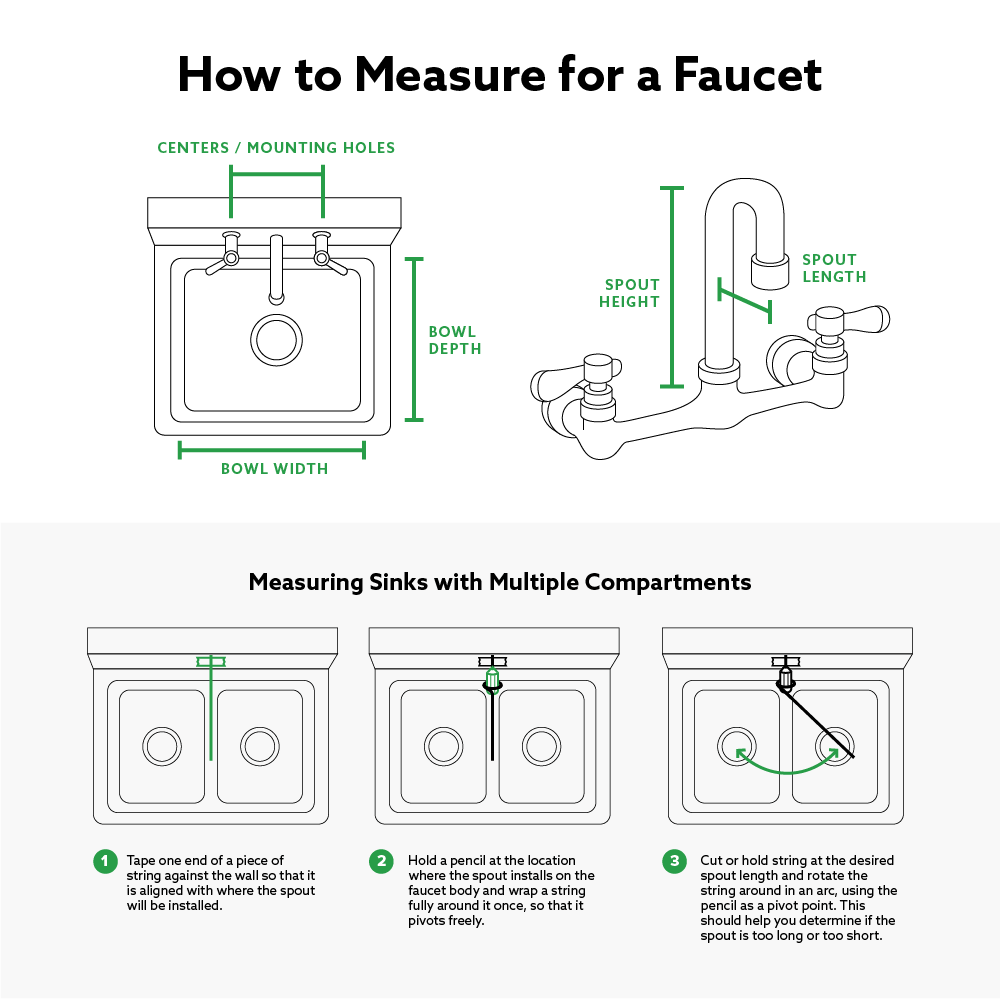
Image Source: lirp.cdn-website.com
Fathoming Your Needs: What to Consider Before You Buy
Before diving into the dazzling array of options, take a moment to assess your current situation and future desires. This thoughtful approach will ensure you pick a faucet that truly enhances your kitchen experience.
Your Kitchen Sink and Countertop Setup
The type of sink and countertop you have significantly influences your faucet choices.
- Number of Holes: Examine your sink or countertop for existing faucet holes. Most sinks have one, two, or three holes. Some have a fourth hole for a side sprayer or soap dispenser. Knowing this is crucial for purchasing the correct base for your faucet.
- Sink Type:
- Undermount Sinks: These offer a sleek look and make cleaning countertops easy. You have more flexibility with faucet placement as there are no rims to obstruct.
- Top-mount (Drop-in) Sinks: These have a rim that rests on the countertop. The faucet mounting location is usually dictated by the holes pre-drilled in the sink.
- Farmhouse Sinks: These can be deep and wide, often made of fireclay or stainless steel. They might have a backsplash that dictates faucet height or mounting.
- Countertop Material: Some countertop materials, like granite or quartz, can be drilled. Others, like laminate, might have pre-existing holes that limit your choices. Always check if your countertop can accommodate new holes if needed.
Your Daily Kitchen Habits
Think about how you use your kitchen daily. This will highlight specific features that will make your life easier.
- Washing Large Pots and Pans: Do you frequently wash bulky items? A high-arc faucet or one with an extended pull-down or pull-out spray will be invaluable.
- Water Usage: Are you conscious of water conservation? Look for faucets with low-flow aerators or WaterSense certification.
- Cooking Style: Do you do a lot of prep work at the sink? A faucet with a precise spray control and easy handle operation can be a game-changer.
- Ease of Cleaning: Do you want a faucet that’s easy to wipe down? Certain finishes and designs are more resistant to fingerprints and water spots.
Your Budget
Kitchen faucets range from under $100 to over $1,000. Establish a realistic budget early on. Remember to factor in the cost of installation if you’re not doing a kitchen faucet replacement yourself.
Deciphering Faucet Styles for Kitchen Use
The aesthetic of your kitchen is important, and your faucet plays a significant role in its overall look. Here are some popular faucet styles:
Modern and Contemporary Styles
Characterized by clean lines, minimalist designs, and often geometric shapes.
- High-Arc (Gooseneck): Features a tall, curved spout that offers ample clearance for filling pots and washing large items.
- Wall-Mounted: Installs directly onto the wall above the sink, offering a unique, streamlined look. This style is less common for kitchen faucet replacement if the sink is already in place.
- Commercial/Professional Style: Often features a tall, spring-loaded spout with a coiled metal housing, resembling those found in restaurant kitchens. They usually have a utilitarian and robust appearance.
Traditional and Classic Styles
Embrace timeless designs with softer curves and more ornate details.
- Bridge Faucets: Feature a distinctive pipe connecting the spout to the handles, creating a classic, vintage look.
- Two-Handle Faucets: Classic design with separate hot and cold water handles. These can be more decorative and offer precise temperature control.
- Wall-Mounted with Spout and Handles: Similar to modern wall-mounts but with a more traditional spout and separate handles, offering a refined look.
Transitional Styles
A blend of modern and traditional elements, offering versatility to fit various kitchen decors. These often feature simple curves and a balanced design.
Exploring Kitchen Sink Faucet Types: Functionality First
Beyond style, the functional type of faucet head and operation is key to usability.
Pull-Down Faucets
These have a spout that pulls down towards the sink basin.
- Pros: Excellent for a wide range of tasks, from rinsing dishes to filling pots. The hose is usually integrated and sleek.
- Cons: The weight of the hose can sometimes be a factor in smooth retraction.
Pull-Out Faucets
Similar to pull-down, but the spray head pulls straight out from the spout.
- Pros: Compact and easy to maneuver, often with a more streamlined profile than pull-downs.
- Cons: The pull-out motion might feel less natural for some users compared to pull-down.
Single-Handle Faucets
One lever controls both water flow and temperature.
- Pros: Extremely convenient and easy to operate, especially with one hand. Ideal for kitchens where hands are often full or messy.
- Cons: Can sometimes be a bit trickier to achieve very precise temperature control compared to two-handle models.
Two-Handle Faucets
Separate handles for hot and cold water.
- Pros: Offers superior control over water temperature and flow. Can be very decorative.
- Cons: Requires two hands to operate, which can be inconvenient when your hands are dirty.
Side Sprayers
A separate spray head that mounts next to the main faucet.
- Pros: Adds extra cleaning power and convenience without altering the main faucet’s profile.
- Cons: Requires an additional hole in the sink or countertop. The hose can sometimes be visible and awkward.
Pot Filler Faucets
These are mounted on the wall near the stovetop, providing convenient access to water for filling pots.
- Pros: Extremely useful for cooks who frequently boil water or cook large meals.
- Cons: Requires dedicated plumbing and installation near the stove. It’s an additional fixture and cost.
Comprehending Faucet Materials: Durability and Aesthetics
The material of your faucet affects its longevity, appearance, and cost.
Brass (Solid Brass)
- Pros: Highly durable, corrosion-resistant, and can last for decades. Often considered the gold standard for quality.
- Cons: Can be more expensive. Needs to be well-sealed to prevent tarnishing depending on the finish.
Stainless Steel
- Pros: Excellent resistance to corrosion and rust. Modern and clean appearance. Durable and long-lasting.
- Cons: Can be susceptible to scratching if not cared for properly. Quality can vary between brands.
Zinc Alloys
- Pros: More affordable than brass or stainless steel.
- Cons: Less durable and more prone to corrosion over time. Often used in lower-end faucets.
Plastic (ABS Plastic)
- Pros: Very inexpensive. Lightweight.
- Cons: Least durable option. Can crack or break easily. Not recommended for high-usage areas or if longevity is a priority.
Ceramic Cartridges
While not the main faucet body, the internal cartridge is crucial for longevity and smooth operation. Most reputable faucets use ceramic disc cartridges, which are very durable and resistant to leaks compared to older compression or ball cartridges.
Interpreting Faucet Finishes for Kitchen Use
The finish protects the faucet and contributes significantly to your kitchen’s style.
| Finish | Description | Pros | Cons |
|---|---|---|---|
| Chrome | A bright, reflective, and classic finish. | Very durable, easy to clean, affordable. Resists corrosion and tarnishing. | Shows water spots and fingerprints easily. |
| Brushed Nickel | A muted, matte finish that mimics the look of brushed metal. | Hides fingerprints and water spots well. Offers a softer, warmer look than chrome. | Can be slightly more expensive than chrome. May require specific cleaning products to maintain luster. |
| Stainless Steel | The actual metal finish, often brushed. | Matches stainless steel appliances perfectly. Durable and resistant to rust. | Can show scratches and fingerprints if not a brushed finish. |
| Matte Black | A modern, bold finish with a non-reflective surface. | Very trendy and striking. Hides fingerprints well. | Can chip or scratch if abrasive cleaners are used. Quality varies significantly by brand. |
| Oil-Rubbed Bronze | A dark, rich finish with reddish-brown undertones, often with highlights. | Creates a warm, vintage look. Hides water spots and fingerprints well. | Can vary in appearance from piece to piece. May lighten or change over time. |
| Polished Brass | A bright, golden finish that can be lacquered to maintain its shine or left to develop a natural patina. | Classic and elegant. Can add a touch of luxury. | Lacquered brass can chip or scratch. Unlacquered brass will tarnish and requires regular maintenance. |
| Brushed Gold/Champagne Gold | A softer, muted gold tone with a brushed texture. | Trendy and luxurious. Hides water spots better than polished gold. | Can be expensive. May not match all gold accents in the kitchen. |
When choosing a finish, consider how it will coordinate with your existing appliances, cabinet hardware, and overall kitchen design. Also, think about how much time you want to spend cleaning and maintaining the faucet.
Fathoming Faucet Features for Kitchen Excellence
Modern faucets come with a host of features designed to enhance convenience and efficiency.
Spray Functions
Most pull-down and pull-out faucets offer multiple spray options.
- Aerated Stream: The standard, everyday stream for filling pots and general rinsing.
- Powerful Spray: A more concentrated, forceful spray for dislodging food debris from dishes.
- Pivoting Sprayer: Some spray heads can pivot on their axis for added maneuverability.
Touch-Activated and Touchless Faucets
These have revolutionized kitchen convenience.
- Touch-Activated (Tap-On/Tap-Off): Simply tap the faucet spout or handle with your wrist or hand to turn the water on and off. The temperature and flow are usually set by a separate lever.
- Pros: Excellent for quick hand washes when your hands are messy. Keeps the faucet cleaner.
- Cons: Requires a power source (usually batteries) and can sometimes be triggered accidentally.
- Touchless (Motion-Activated): The faucet senses motion, turning on when your hands are near and shutting off automatically when you move them away.
- Pros: The ultimate in touch-free convenience and hygiene. Helps conserve water.
- Cons: Most expensive option. Requires a power source. Can be sensitive to movement, sometimes turning on when not intended.
Soap Dispensers
Many faucet sets include a matching soap dispenser that can be mounted in a pre-drilled hole.
- Pros: Keeps your countertop tidy and your soap readily accessible.
- Cons: Requires an extra hole and regular refilling.
Water Filtration Systems
Some faucets can be plumbed to under-sink water filtration systems, delivering filtered water directly from the tap.
- Pros: Convenient access to clean drinking water.
- Cons: Requires additional plumbing and filter replacement.
Magnetic Docking Systems
Common on pull-down and pull-out faucets, these use magnets to ensure the spray head snaps back securely into place.
- Pros: Provides a satisfying click and keeps the spray head neatly docked.
- Cons: The strength of the magnet can vary, and some may not hold as securely over time.
Flow Rate and Aeration
- Flow Rate: Measured in gallons per minute (GPM). Standard faucets are 2.2 GPM. WaterSense labeled faucets are 1.8 GPM or less, saving water without a significant loss in performance.
- Aerator: This is the small screen at the end of the spout that mixes air with water, creating a smooth, splash-free stream.
Top Kitchen Faucet Brands to Consider
When looking for the best kitchen faucets, reputable brands are often a good starting point. They typically offer better quality, longer warranties, and more reliable customer service.
- Delta Faucet: Known for its innovative technologies like Diamond Seal Technology (for durability) and touch-sensitive operations. Offers a wide range of styles and finishes.
- Moen: Another leader in the industry, Moen faucets are recognized for their reliability, sleek designs, and features like MotionSense touchless technology.
- Kohler: Offers a broad selection of high-quality faucets with a focus on design and enduring style. They are known for their durable finishes and robust construction.
- Pfister: Provides a good balance of quality, style, and affordability, making them a popular choice for budget-conscious homeowners.
- Kraus: Often praised for its professional-style faucets and contemporary designs, Kraus faucets are a great option for those seeking a statement piece.
Kitchen Faucet Installation: DIY vs. Professional
Once you’ve chosen your ideal faucet, you’ll need to consider how it will be installed.
DIY Kitchen Faucet Replacement
If your existing faucet is in a standard location and you have basic plumbing knowledge, a kitchen faucet replacement can be a manageable DIY project.
General Steps:
- Turn off the water supply: Locate the shut-off valves under the sink and turn them clockwise until they are completely closed. Turn on the old faucet to drain any remaining water.
- Disconnect water lines: Use a wrench to disconnect the hot and cold water supply lines from the shut-off valves.
- Remove the old faucet: From under the sink, loosen and remove the mounting nuts and washers that hold the old faucet in place. Lift the old faucet out from above.
- Clean the sink surface: Ensure the area around the faucet holes is clean and free of debris or old putty.
- Install the new faucet: Follow the manufacturer’s instructions. This typically involves placing the new faucet in the holes, securing it from underneath with washers and nuts, and connecting the new water supply lines to the shut-off valves.
- Turn on the water supply: Slowly open the shut-off valves and check for leaks at all connections.
- Test the faucet: Turn on the new faucet and check the hot and cold water flow, as well as the spray functions.
Tools You Might Need:
- Adjustable wrench
- Basin wrench (for tight spaces under the sink)
- Plumber’s putty or silicone sealant
- Screwdriver
- Bucket and rags
- Safety glasses
Professional Kitchen Faucet Installation
If you’re not comfortable with DIY plumbing, or if your installation involves new holes or complex plumbing, hiring a professional plumber is recommended.
- Benefits: Ensures a correct, leak-free installation. Saves you time and potential frustration. Professionals have the right tools and expertise for any situation.
- Cost: Professional installation typically ranges from $100 to $300, depending on the complexity of the job and your location.
Frequently Asked Questions About Kitchen Faucets
Q1: How long do kitchen faucets typically last?
A: With proper maintenance, a good quality kitchen faucet can last anywhere from 15 to 20 years, sometimes even longer. The lifespan is highly dependent on the quality of materials, construction, and how well it’s cared for.
Q2: What is the most popular kitchen faucet finish?
A: Brushed nickel and chrome have long been the most popular choices due to their durability, versatility, and ease of maintenance. However, matte black and stainless steel finishes are rapidly gaining popularity.
Q3: Can I install a new faucet if my sink only has two holes?
A: Yes, in many cases. If your new faucet requires three or four holes (e.g., for a side sprayer or soap dispenser) and your sink only has two, you might be able to purchase a base plate or deck plate to cover the unused holes and accommodate the new faucet. Alternatively, if your countertop material allows, you might be able to have a new hole drilled.
Q4: How do I clean and maintain my kitchen faucet?
A: For most finishes, a soft cloth and mild soap or water is sufficient for daily cleaning. Avoid abrasive cleaners, scouring pads, or harsh chemicals, as these can damage the finish. For stubborn water spots, a solution of white vinegar and water can be effective, but always rinse thoroughly afterward. Refer to the manufacturer’s care instructions for specific recommendations for your faucet’s finish.
Q5: What does “WaterSense certified” mean for a faucet?
A: WaterSense is a U.S. Environmental Protection Agency (EPA) program that promotes water efficiency. WaterSense-labeled faucets use at least 20% less water than the standard 2.2 GPM (gallons per minute) without sacrificing performance. They typically have a flow rate of 1.8 GPM or lower.
Choosing the right kitchen faucet is a significant decision that impacts your daily kitchen experience. By carefully considering your needs, exploring the various styles, types, materials, and features available, and consulting reputable kitchen faucet brands, you can find a faucet that combines functionality, durability, and aesthetic appeal for years to come. Whether you’re undertaking a full kitchen remodel or simply performing a kitchen faucet replacement, this guide provides the knowledge to make an informed choice.