
Can you use glass cleaner on black stainless steel? Yes, you can use glass cleaner on black stainless steel, but it’s often best to use a cleaner specifically designed for the appliance or a mild soap and water solution. What is the best way to clean black kitchen appliances? The best way to clean black kitchen appliances is with gentle, non-abrasive cleaners and soft cloths, following the grain of the appliance.
Black kitchen appliances, whether they are sleek matte finishes or glossy stainless steel, can add a modern and sophisticated touch to your kitchen. However, they also have a knack for showing every smudge, fingerprint, and water spot. Keeping them looking pristine requires a different approach than cleaning traditional white or chrome appliances. This guide will delve into the best methods and products for making your black appliances shine like new, offering practical appliance care tips for lasting brilliance.
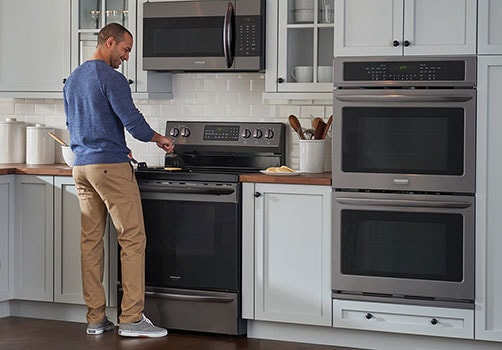
Image Source: support.frigidaire.com
Caring for Your Black Appliances: A Gentle Approach
The key to effective cleaning of black kitchen appliances lies in gentleness. Harsh chemicals, abrasive scrubbers, or rough cloths can easily scratch or dull the finish, leaving you with a worse problem than smudges. Think of it as a spa treatment for your appliances, designed to bring out their natural beauty without causing damage.
The Importance of Microfiber Cloths
When it comes to cleaning black appliances, the tool you use is just as important as the cleaner. Microfiber cloths are your best friends. Their soft, lint-free fibers are excellent at trapping dirt and grime without scratching surfaces. They also help buff the surface to a streak-free shine. Always have a few clean microfiber cloths on hand for drying and polishing.
Spot Cleaning vs. Deep Cleaning
You’ll likely perform both spot cleaning and deep cleaning regularly. Spot cleaning is for those everyday fingerprints and small smudges. Deep cleaning addresses built-up grease, water spots, and a more thorough wipe-down. Knowing when to do which will keep your appliances looking their best with minimal effort.
Tackling Smudges and Fingerprints
The most common culprits for dulling black appliances are fingerprints and smudges. These can appear quickly, especially on high-traffic areas like refrigerator doors and oven handles.
Mild Soap and Water: The Classic Solution
Often, the simplest methods are the most effective. For everyday smudges, a solution of mild dish soap and warm water is a great starting point.
- How to do it:
- Mix a few drops of gentle dish soap with warm water in a bowl.
- Dip a clean microfiber cloth into the soapy water.
- Wring out the cloth thoroughly so it’s damp, not wet. Excess water can leave streaks.
- Wipe down the appliance surface, paying attention to smudged areas.
- Use a second, clean, damp microfiber cloth (rinsed in plain water) to wipe away any soap residue.
- Immediately dry the surface with a third, dry microfiber cloth to prevent water spots and streaks.
This method is safe for most black appliance finishes, including black stainless steel.
Vinegar and Water: A Natural Degreaser
White vinegar is a fantastic natural cleaner and degreaser. Its acidity helps break down grease and grime.
- How to do it:
- Mix equal parts white vinegar and distilled water in a spray bottle. Distilled water is recommended to avoid mineral deposits that can cause water spots.
- Lightly spray the solution onto a microfiber cloth, not directly onto the appliance. This controls the amount of liquid.
- Wipe the appliance surface, following the grain if it’s stainless steel.
- Rinse the cloth with clean water and wipe the appliance again to remove vinegar residue.
- Dry thoroughly with a clean, dry microfiber cloth.
Caution: While vinegar is generally safe, some manufacturers advise against its use on certain finishes. Always check your appliance manual first.
Dedicated Black Appliance Cleaners
There are many commercial cleaners specifically formulated for black stainless steel and other black appliance finishes. These are often a good choice if you’re looking for a specialized solution.
-
What to look for:
- “For Black Stainless Steel” or “Appliance Cleaner.”
- Non-abrasive formulas.
- Often come with a polishing agent.
-
How to use:
- Follow the product instructions carefully.
- Typically, you’ll spray the cleaner onto a microfiber cloth.
- Wipe down the appliance.
- Buff with a dry microfiber cloth.
These cleaners are often designed to leave a protective, smudge-resistant coating.
Removing Fingerprints and Smudge-Proof Stainless Steel
When you have smudge-proof stainless steel, the goal is to maintain that resistance while cleaning. This often means avoiding harsh chemicals that can strip away protective coatings.
Polishing Black Appliances: Achieving a Streak-Free Shine
After cleaning, a good polish can make a world of difference. This step buffs out any remaining marks and can add a protective layer.
- Specialized Appliance Polishes: Many appliance cleaners include a polishing agent. If yours doesn’t, you can purchase a dedicated appliance polish. These are designed to enhance the shine and often repel fingerprints.
- Baby Oil or Mineral Oil: A tiny amount of baby oil or mineral oil can work wonders on black stainless steel for a deep shine.
- Apply a very small amount of oil to a clean microfiber cloth.
- Rub it onto the appliance in the direction of the grain.
- Buff with a separate clean, dry microfiber cloth to remove excess and achieve a brilliant shine.
Important: Use oil sparingly. Too much can attract dust and create a greasy film.
Cleaning Specific Black Appliances
Each appliance in your kitchen has its own unique cleaning needs.
Black Stainless Steel Refrigerators
Refrigerator doors are prime real estate for fingerprints. Regular wiping is essential.
- Best Stainless Steel Cleaner: For black stainless steel, look for cleaners specifically labeled for this material. They often contain ingredients that help prevent future smudges.
- Removing Water Spots: Water spots can be a persistent issue. Ensure you dry the surface completely after cleaning to prevent them. If water spots have already formed, a solution of distilled water and a few drops of dish soap, followed by thorough drying, is usually effective.
Black Stoves and Ovens
Grease and food splatters are common on stovetops and oven doors.
- Stovetop Cleaning:
- For glass or ceramic black stovetops, a glass cleaner or a paste of baking soda and water can be used for tough spots.
- Apply the paste, let it sit for a few minutes, then gently scrub with a non-abrasive sponge. Wipe clean with a damp cloth and dry.
- Oven Door: The glass on oven doors can get quite grimy.
- For baked-on grease, a paste of baking soda and water is very effective. Apply generously, let it sit for at least 30 minutes (or even overnight for tough jobs), and then gently wipe away with a damp cloth or sponge.
- Rinse the cloth and wipe again to remove all baking soda residue.
- Dry thoroughly.
Black Dishwashers
Dishwasher doors, especially control panels, can accumulate fingerprints and soap scum.
- Control Panels: These often have plastic or touch-sensitive surfaces. Use a damp cloth with mild soap or a cleaner specifically designed for electronics if you’re unsure. Avoid spraying directly onto the panel.
- Exterior: Treat the exterior like any other black appliance – mild soap and water or a dedicated cleaner, followed by thorough drying.
Addressing Stubborn Stains and Marks
Sometimes, everyday cleaning isn’t enough. Here’s how to handle tougher issues.
Removing Tough Grease and Grime
For built-up grease, especially around stovetops or oven handles, a stronger approach might be needed.
-
Baking Soda Paste: As mentioned, baking soda mixed with a little water to form a paste is an excellent degreaser and mild abrasive.
- Apply the paste to the greasy area.
- Let it sit for 10-15 minutes.
- Gently scrub with a soft cloth or sponge.
- Wipe clean with a damp cloth.
- Dry immediately.
-
All-Purpose Cleaner: A good quality all-purpose cleaner can also work.
- Ensure it’s safe for appliance surfaces.
- Spray onto a cloth, not directly onto the appliance.
- Wipe the affected area.
- Follow up with a damp cloth to remove residue.
- Dry thoroughly.
Dealing with Scratches
Unfortunately, scratches can happen. While some minor abrasions can be buffed out, deep scratches are often permanent.
- Minor Scratches on Stainless Steel: For black stainless steel, there are special scratch removal kits. These usually involve abrasive pads and polishing compounds designed to blend the scratch into the surrounding finish. Always test in an inconspicuous area first.
- Polishing Black Appliances: If you notice light scuff marks, a good polish can sometimes help to make them less noticeable by restoring the sheen.
Natural Cleaning Solutions for Black Appliances
Many people prefer to use natural cleaning solutions to avoid harsh chemicals.
The Power of Baking Soda
Baking soda is a versatile, natural cleaner that can tackle grease, grime, and even mild odors.
- Uses: Degreasing stovetops, cleaning oven interiors, and gentle scrubbing of tough spots.
- How to use: Typically mixed with water to form a paste or dissolved in water for wiping surfaces.
Vinegar: The Acetic Acid Advantage
White vinegar’s acidity makes it a natural disinfectant and degreaser.
- Uses: Removing fingerprints, light grease, and for disinfecting surfaces.
- How to use: Diluted with water in a spray bottle for most applications.
Lemon Juice for Shine
Lemon juice can add a natural shine and a fresh scent.
- Uses: Adding a final polish to stainless steel or buffing surfaces.
- How to use: A few drops on a cloth, then buffed onto the appliance.
Appliance Care Tips for Longevity
Proper appliance care goes beyond just cleaning.
Regular Wiping
Make it a habit to wipe down your appliances daily or every other day. This prevents the buildup of grime, making deep cleaning less of a chore.
Avoid Abrasive Materials
Never use steel wool, scouring pads, or abrasive cleaners on your black appliances. These will scratch the finish. Stick to microfiber cloths and soft sponges.
Read Your Manual
Your appliance manual is your best resource. It will provide specific cleaning instructions and warnings from the manufacturer, which is crucial for maintaining your warranty and the appliance’s finish.
Test Cleaners First
Before applying any new cleaner to a large area, test it on a small, inconspicuous spot to ensure it doesn’t damage or discolor the finish.
Cleaning Stainless Steel: A Note on Grain
When cleaning stainless steel, whether black or traditional, always wipe in the direction of the grain. This helps to prevent micro-scratches and ensures a more even finish. You can usually see the faint lines of the grain on the appliance.
Frequently Asked Questions About Cleaning Black Appliances
Here are some common questions and their answers to help you maintain your appliances.
Q1: Can I use window cleaner on my black stainless steel appliances?
A1: Yes, but with caution. Some window cleaners contain ammonia or alcohol, which can potentially damage certain coatings over time. It’s often safer to use a dedicated appliance cleaner or a mild soap and water solution. If you do use window cleaner, spray it onto a cloth first, not directly onto the appliance, and wipe it off quickly.
Q2: How do I remove hard water spots from black appliances?
A2: Hard water spots can be removed using a diluted vinegar solution (equal parts white vinegar and distilled water). Apply the solution with a microfiber cloth, gently wipe the spots, rinse with a clean damp cloth, and then dry thoroughly with a separate dry microfiber cloth. Ensuring the surface is dried immediately after any cleaning is the best prevention.
Q3: What is the best stainless steel cleaner for black appliances?
A3: The “best” cleaner can depend on the specific finish, but generally, look for products specifically labeled for black stainless steel or appliances. Many brands offer specialized cleaners that are formulated to remove smudges and provide a streak-free shine without damaging the finish. Natural options like diluted vinegar or mild soap and water are also highly effective.
Q4: How often should I clean my black kitchen appliances?
A4: For everyday smudges and fingerprints, it’s ideal to wipe down your black appliances daily or every other day. A more thorough cleaning can be done weekly or as needed, depending on usage and visible grime. Regular maintenance prevents stubborn buildup.
Q5: My black appliance has a scratch. Can I fix it?
A5: Minor scuffs and very light scratches on black stainless steel can sometimes be buffed out using specialized scratch removal kits or by polishing the area. However, deeper scratches are often permanent. Always test any scratch removal product in an inconspicuous area first. For many black finishes, the best approach is careful cleaning to avoid creating scratches in the first place.
Q6: What are some good natural cleaning solutions for removing grease?
A6: Baking soda paste (baking soda mixed with a little water) is excellent for cutting through tough grease. For lighter grease, a solution of equal parts white vinegar and water works well. Both are natural and effective degreasers.
Q7: How do I get a streak-free finish when polishing black appliances?
A7: The key to a streak-free polish is to use a clean, dry microfiber cloth and to buff gently in the direction of the appliance’s grain. Avoid using too much polish or cleaner, as excess product is harder to buff away completely and can lead to streaks.
Q8: Can I use an all-purpose cleaner on my black stove?
A8: Many all-purpose cleaners are safe for black stove exteriors. However, always check the product label to ensure it’s suitable for appliance surfaces and specifically for black finishes. Avoid abrasive or harsh chemical cleaners, especially on glass or ceramic stovetops.
Q9: What is appliance care tips for preventing smudges on black stainless steel?
A9: To prevent smudges, wipe down your black stainless steel appliances frequently with a dry microfiber cloth. Some specialized cleaners and polishes also leave a protective coating that helps repel fingerprints. Once cleaned, avoid touching the surface unnecessarily.
Q10: Is it safe to use oven cleaner on the exterior of my black oven?
A10: No, never use oven cleaner on the exterior of your black oven, especially on painted or stainless steel finishes. Oven cleaners are very harsh and can strip the finish, causing permanent damage and discoloration. Stick to mild soap and water, or specialized appliance cleaners for the exterior.
By following these detailed steps and appliance care tips, you can effectively clean your black kitchen appliances, remove those stubborn smudges, and keep them shining brightly, enhancing the overall look and feel of your kitchen.