
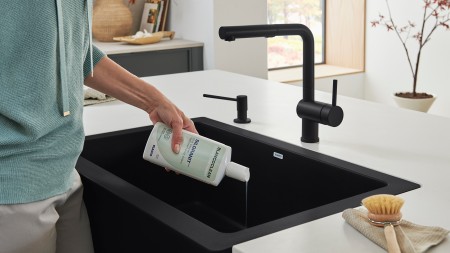
Image Source: cdn.blanco.com
How To Clean Granite Kitchen Sink: Effortless Guide & Stain Removal
Can you use regular dish soap on a granite sink? Yes, you can use mild dish soap for daily cleaning. What is the best way to clean a granite sink? The best way to clean a granite sink is with mild soap and water for regular cleaning, and specific methods for deeper cleaning and stain removal.
Your granite kitchen sink is a beautiful and durable centerpiece of your kitchen. To keep it looking its best, proper cleaning and maintenance are key. This comprehensive guide will walk you through everything you need to know for granite sink cleaning, from daily upkeep to tackling stubborn stains.
Daily Granite Sink Care: Keeping it Sparkling
Consistent, gentle cleaning is the foundation of good granite sink maintenance. By following these simple steps daily, you can prevent buildup and keep your sink looking pristine.
What You’ll Need for Daily Cleaning:
- Mild Dish Soap: A gentle, pH-neutral dish soap is your best friend. Avoid harsh chemicals or abrasive cleaners.
- Soft Cloth or Sponge: Opt for microfiber cloths or non-abrasive sponges.
- Warm Water: Always use warm water for effective cleaning.
- Dry Cloth: A soft, lint-free cloth for drying.
The Daily Cleaning Routine:
- Rinse Thoroughly: After each use, rinse your sink with warm water to wash away any food particles or residue. This is the first and most important step in granite sink care.
- Apply Mild Soap: Squirt a small amount of mild dish soap onto a damp, soft cloth or sponge.
- Gentle Scrubbing: Wipe down the entire sink basin, paying attention to corners and around the faucet. Use gentle, circular motions.
- Rinse Again: Rinse the sink thoroughly with warm water to ensure all soap residue is removed.
- Dry Completely: This is a crucial step for preventing water spots and mineral buildup. Use a clean, soft cloth to dry the sink completely.
Deep Cleaning Your Granite Sink: Restoring its Luster
While daily cleaning keeps your sink fresh, a deep cleaning granite sink routine every week or two can tackle more persistent grime and help maintain its natural shine.
What You’ll Need for Deep Cleaning:
- Mild Dish Soap
- Baking Soda: An excellent, gentle abrasive for cleaning granite sink with baking soda.
- Soft Cloths or Sponges
- Warm Water
- Spray Bottle (Optional)
- Rubbing Alcohol (for disinfecting)
- Water Softener (if you have hard water)
The Deep Cleaning Process:
- Empty the Sink: Remove all dishes, strainers, and any other items from the sink.
- Rinse and Wipe: Give the sink a good rinse with warm water and wipe down any loose debris.
- Baking Soda Paste: For a more effective clean, create a paste using baking soda and water. Apply this paste to the sink surface, focusing on any areas with light discoloration or residue. Let it sit for 5-10 minutes.
- Gentle Scrubbing: Using a soft cloth or sponge, gently scrub the sink with the baking soda paste. The mild abrasive nature of baking soda is perfect for lifting away grime without scratching the granite.
- Rinse Thoroughly: Rinse the sink meticulously with warm water, ensuring no baking soda residue remains.
- Disinfect (Optional): For an extra layer of clean, you can use a solution of equal parts water and rubbing alcohol in a spray bottle. Mist the sink surface and let it sit for a few minutes before rinsing.
- Dry and Polish: As with daily cleaning, dry the sink thoroughly with a soft cloth. For an extra shine, you can gently buff the surface with a dry microfiber cloth.
How to Remove Stains from Granite Sink: Tackling Tough Marks
Even with regular cleaning, stubborn stains can appear in your granite sink. Fortunately, there are effective methods for how to remove stains from granite sink without damaging the material.
Common Granite Sink Stains and Removal Methods:
- Water Spots and Mineral Deposits: These are often caused by hard water.
- Method: Mix equal parts water and white vinegar in a spray bottle. Spray the affected areas and let it sit for 5-10 minutes. Gently scrub with a soft cloth and rinse thoroughly. For tougher spots, you can create a paste of baking soda and vinegar, apply it, let it sit, and then gently scrub.
- Coffee and Tea Stains: These can leave unsightly rings.
- Method: A baking soda paste is often effective here. Apply a thick paste of baking soda and water to the stain, cover with plastic wrap, and let it sit for several hours or overnight. Gently scrub with a soft cloth and rinse.
- Grease Stains: These can build up over time.
- Method: Use a good quality degreasing dish soap. Apply it directly to the stained area, let it sit for a few minutes, then gently scrub with a soft sponge and rinse. For persistent grease, a paste of baking soda and water can also help absorb the grease.
- Oil-Based Stains (e.g., olive oil):
- Method: For fresh oil stains, blot up as much excess oil as possible immediately with a paper towel. Then, apply a poultice made from baking soda and a small amount of water. Apply the paste to the stain, cover with plastic wrap, and tape down the edges. Let it sit for 24-48 hours. The poultice will draw the oil out of the stone. Remove the poultice, rinse the area, and dry.
- Rust Stains: Often from metal cans or utensils left in the sink.
- Method: A poultice is typically the best approach. Mix baking soda with a small amount of hydrogen peroxide to form a paste. Apply the paste to the rust stain, cover with plastic wrap, and let it sit for a few hours. Gently scrub with a soft cloth and rinse. Always test hydrogen peroxide in an inconspicuous area first.
Creating a Poultice for Deep Stain Removal:
A poultice is a paste applied to a stain to draw it out of porous materials like granite.
Ingredients for a Baking Soda Poultice:
- Baking soda
- Water (or hydrogen peroxide for stubborn stains, use with caution)
How to Make and Apply a Poultice:
- Mix: Combine baking soda with just enough water (or hydrogen peroxide) to create a thick paste, similar in consistency to peanut butter.
- Apply: Spread the paste generously over the stain, extending slightly beyond its edges. Aim for a layer about ¼ to ½ inch thick.
- Cover: Cover the poultice with plastic wrap. Tape down the edges to create a seal.
- Wait: Let the poultice dry completely. This can take 24-48 hours. As it dries, it draws the stain out of the granite.
- Remove: Once dry, carefully remove the plastic wrap and gently scrape away the dried poultice with a plastic scraper or old credit card.
- Rinse and Dry: Rinse the area thoroughly with warm water and dry with a soft cloth. Assess the stain; you may need to repeat the process for very stubborn marks.
Natural Granite Sink Cleaner Options: Gentle Yet Effective
Many homeowners prefer to use natural granite sink cleaner options for their kitchens. Fortunately, several readily available household items can effectively clean and care for your granite sink.
DIY Granite Sink Cleaner Recipes:
- Simple Soap and Water: As mentioned, mild dish soap and water is your go-to for daily cleaning.
- Baking Soda and Water Paste: Perfect for gentle scrubbing and stain removal.
- Vinegar and Water Solution: Great for tackling mineral deposits and hard water stains. Remember to dilute vinegar to avoid excessive acidity, especially for regular cleaning.
Using Natural Cleaners Safely:
- pH Neutrality: Granite is sensitive to acidic and alkaline cleaners. Stick to pH-neutral or mildly acidic solutions like diluted vinegar.
- Avoid: Never use ammonia, bleach, or abrasive cleaners, as these can damage the granite’s sealant and surface.
- Testing: Always test any new cleaner or method on an inconspicuous area of the sink first to ensure it doesn’t cause discoloration or damage.
Polishing Your Granite Sink: Bringing Back the Shine
Over time, the natural sheen of your granite sink might diminish. Polishing granite sink surfaces can restore its beauty and protect it from future stains.
What You’ll Need for Polishing:
- Microfiber Cloths
- Granite Sealer: Look for a high-quality sealer specifically designed for natural stone.
- Granite Polish (Optional): These products can enhance shine and provide an extra layer of protection.
The Polishing Process:
- Clean Thoroughly: Ensure your sink is clean and completely dry before polishing. Any dirt or debris can scratch the surface during polishing.
- Apply Granite Sealer: Follow the manufacturer’s instructions for applying the granite sealer. Typically, you apply a thin, even coat with a cloth, let it penetrate for the recommended time, and then wipe off any excess. Sealing is a vital part of granite sink maintenance and helps prevent stains.
- Buff for Shine: Once the sealer has dried, you can use a clean, dry microfiber cloth to buff the surface. Work in circular motions to bring out the natural luster of the granite.
- Granite Polish (Optional): If you want an extra boost of shine, apply a granite polish according to the product’s instructions. These are usually applied with a soft cloth and buffed to a high sheen.
Granite Sink Maintenance: Long-Term Care
Proper granite sink maintenance goes beyond cleaning; it involves protecting the stone and preventing damage.
Sealing Your Granite Sink: A Crucial Step
Granite is a porous material, and sealing it is essential to protect it from stains.
- Frequency: How often you need to seal depends on the type of granite and the quality of the sealer used. A good rule of thumb is to reseal every 1-3 years. You can test if your sink needs resealing by dripping a small amount of water onto the surface. If the water beads up, the seal is intact. If it soaks into the stone and darkens it, it’s time to reseal.
- Application: Always clean and dry the sink thoroughly before sealing. Apply the sealer evenly with a cloth, allow it to penetrate for the time specified by the manufacturer, and then wipe off any excess.
Protecting Your Granite Sink:
- Use Trivets and Mats: Avoid placing hot pots and pans directly into the sink.
- Avoid Heavy Dropping: Don’t drop heavy dishes or utensils into the sink, as this can chip or crack the granite.
- Use Sink Grids: Consider using a sink grid or mat to protect the bottom of the sink from scratches and impact.
- Be Mindful of Harsh Chemicals: Avoid leaving harsh cleaning products or acidic substances (like lemon juice or vinegar for prolonged periods) in the sink.
Frequently Asked Questions About Granite Sink Cleaning
Q1: Can I use a scrubbing brush on my granite sink?
A: It’s best to avoid stiff-bristled scrubbing brushes. Opt for soft cloths, microfiber pads, or non-abrasive sponges to prevent scratching the granite surface.
Q2: How do I get rid of scratches on my granite sink?
A: Minor surface scratches can sometimes be buffed out with a granite polish or by using a very fine-grit sandpaper specifically designed for stone (use with extreme caution and follow manufacturer instructions). For deeper scratches, professional resurfacing might be necessary. Regular sealing can help minimize the appearance of minor surface imperfections.
Q3: Is it safe to use bleach on a granite sink?
A: No, it is strongly advised not to use bleach on your granite sink. Bleach is a harsh chemical that can dull the finish, degrade the sealant, and potentially cause discoloration over time.
Q4: What is the best granite sink cleaner?
A: The best granite sink cleaner for daily use is mild dish soap and water. For deeper cleaning or stain removal, a baking soda paste or a diluted vinegar solution can be very effective. Many commercially available granite cleaners are also safe and effective if they are pH-neutral.
Q5: Can I use my sink as a cutting board?
A: Absolutely not. Granite is hard, but knives can still scratch or dull the blades when used directly on the stone. Always use a separate cutting board.
By following these guidelines for granite sink cleaning, granite sink maintenance, and deep cleaning granite sink, you can ensure your beautiful granite sink remains a stunning and functional part of your kitchen for years to come. Remember, consistent gentle care is always the best approach!