
Can you divide a kitchen from a living room in an open-concept space? Absolutely! Dividing a kitchen from a living room in an open-concept layout is a common design challenge, but one with many stylish and functional solutions. The goal is to create distinct zones without sacrificing the airy, connected feel that makes open-concept living so appealing. This guide explores a variety of smart ideas, from subtle visual cues to more substantial architectural elements, to help you achieve the perfect balance between separation and flow.
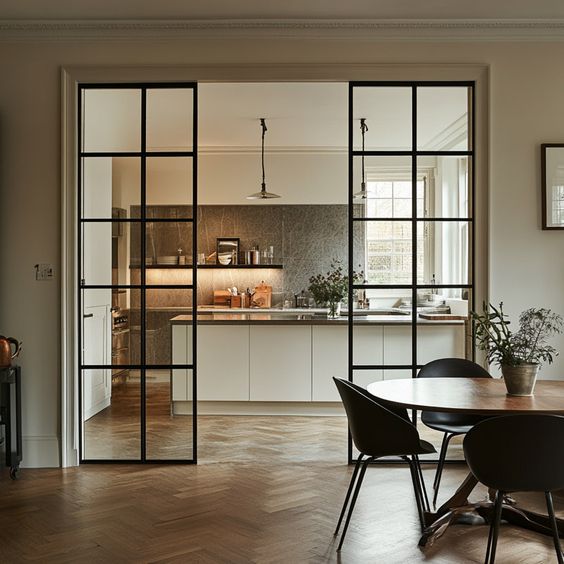
Image Source: andorwillow.com
Why Separate Kitchen and Living Areas?
While open-concept living has its perks, there are several good reasons to consider creating some separation between your kitchen and living room.
Benefits of Defined Zones
- Reduced Clutter Visuals: Kitchens can often be areas of high activity and potential mess. Separating them visually from the living room helps keep the appearance of clutter contained.
- Noise Reduction: Cooking and kitchen activities can be noisy. A division can help dampen sound, allowing for more peaceful enjoyment of the living area.
- Odor Containment: Cooking smells, while sometimes pleasant, can also be overpowering or linger. A barrier can help minimize their spread into the living space.
- Creating Distinct Ambiance: Each space can have its own mood. The kitchen can be functional and lively, while the living room can be a calm retreat.
- Improved Functionality: Clearly defined zones can lead to more organized and efficient use of each area.
Smart Room Divider Ideas
When thinking about room divider ideas for open concept living, it’s important to consider both aesthetics and practicality. The best solutions often combine visual appeal with functional benefits.
Furniture Placement as a Divider
One of the most accessible and versatile ways to divide spaces is through furniture placement. This method offers flexibility and can be easily changed as your needs evolve.
Sofa as a Boundary
- Placement: Position your sofa with its back to the kitchen area. This creates a clear visual break and defines the living room zone.
- Added Benefit: The back of a sofa can act as a natural shelf for decorative items or a place to mount a slim console table.
- Considerations: Ensure there’s enough circulation space around the furniture.
Consoles and Sideboards
- Functionality: Slim console tables or sideboards placed between the kitchen and living room can serve as attractive surfaces for lamps, art, or plants.
- Storage: Many sideboards offer valuable storage for items you might want to keep accessible but out of sight from the living area.
- Openness: Choose pieces that are not too bulky to maintain the open feel.
Bookshelves and Open Storage
- Versatility: Open shelving units or bookshelves are excellent room divider ideas. They provide separation without completely blocking light or views.
- Display: Use them to display books, decorative objects, or plants, adding personality to both spaces.
- Two-Sided Access: Consider units that are accessible from both sides for added practicality.
Creative Room Division with Screens and Panels
Portable screens and panels offer a dynamic way to divide spaces. They are ideal for those who like to change their layout frequently or require temporary separation.
Folding Screens
- Styles: Available in a vast array of materials (wood, fabric, rattan) and designs, folding screens can be a decorative element in themselves.
- Flexibility: Easily fold them up when you want to merge the spaces or need more room.
- Visual Barrier: They provide a good visual separation, often with decorative cutouts or patterns that allow some light to pass through.
Freestanding Panels
- Modern Look: Sleek, modern panels can be a sophisticated way to define areas. These can be made from various materials, including metal, acrylic, or wood.
- Customization: Consider panels with built-in shelving or even integrated lighting for added functionality.
Using Rugs to Define Spaces
Rugs are a simple yet effective tool for defining spaces and creating zones within an open-concept layout.
- Living Room Anchor: Place a large rug under your main seating area in the living room. This clearly marks the living room’s territory.
- Kitchen Accent: A smaller, durable rug or runner can be placed in front of kitchen counters or in the dining area to visually separate it from the living space.
- Color and Texture: Rugs can introduce color, texture, and pattern, enhancing the visual appeal of each zone.
Architectural and Built-in Solutions
For a more permanent and integrated approach, consider architectural elements that can divide your kitchen from your living room. These solutions often add value and can be designed to complement your home’s style.
Half-Walls and Partial Walls
- Subtle Separation: A half-wall or a partial partition wall offers a good compromise between full separation and complete openness.
- Functionality: The top of a half-wall can serve as a counter space, a breakfast bar, or a display area.
- Light Flow: They allow light to flow between the spaces while still providing a sense of division.
Built-in Shelving Units and Cabinets
- Dual Purpose: Integrating shelving or cabinetry between the kitchen and living area provides both division and ample storage.
- Customization: These can be designed to match your existing cabinetry or create a unique focal point.
- Open vs. Closed: Choose open shelving for a lighter feel or closed cabinets for more discreet storage.
Sliding Doors and Pocket Doors
- Ultimate Flexibility: Sliding doors or pocket doors offer the advantage of full separation when needed and complete openness when desired.
- Styles: From barn doors to frosted glass panels, there are many stylish options.
- Space Saving: Pocket doors, in particular, disappear into the wall, saving valuable floor space.
Different Ceiling Treatments
- Visual Cues: Altering ceiling treatments can subtly divide spaces. For example, a dropped ceiling or a different paint color or material in the kitchen area can visually separate it from the living room.
- Lighting Integration: This also provides an opportunity to integrate different lighting schemes for each zone.
Creative Room Division Techniques
Beyond the more traditional methods, there are several creative ways to achieve visual separation and creating zones.
Plants as Natural Room Dividers
- Aesthetic Appeal: Tall potted plants, especially those with lush foliage, can create a beautiful, natural barrier.
- Air Quality: They also contribute to better indoor air quality.
- Considerations: Group plants together to create a more substantial divider. Ensure they receive adequate light.
Statement Lighting
- Focus and Definition: Strategically placed pendant lights or chandeliers can help define specific areas. For instance, a pendant light over a kitchen island or dining table can anchor that zone.
- Atmosphere: Lighting is key to setting the mood for each space.
Flooring Variations
- Clear Boundaries: Using different flooring materials or patterns can create a clear visual distinction between areas.
- Examples: Tile in the kitchen and hardwood in the living room, or a change in rug material.
- Practicality: Consider durability and ease of cleaning for kitchen flooring.
Color Blocking and Accent Walls
- Painting Strategies: Painting the kitchen walls a different color than the living room walls can provide a simple yet effective visual separation.
- Accent Wall: An accent wall in either the kitchen or living room can draw the eye and further delineate the zones.
Separating Living and Dining Areas
Often, in open concept living, you’re not just dividing the kitchen from the living room, but also the dining area. These techniques apply to separating living and dining areas as well.
- Rug Placement: As mentioned, a rug under the dining table anchors that zone.
- Lighting: A chandelier or pendant light above the dining table is a classic way to define the dining space.
- Furniture Arrangement: Position a sideboard or buffet table between the dining and living areas to create a gentle separation.
- Wall Art: Consider hanging different styles or sizes of art in each area.
Furniture Placement for Effective Division
The strategic placement of furniture is one of the most effective and accessible methods for creating zones within an open-concept layout. It allows for flexibility and can be adjusted as your needs change.
The Power of the Sofa Back
- Natural Barrier: Placing a sofa with its back facing the kitchen or dining area creates an immediate visual and physical separation. This is a very popular method for dividing kitchen from living room.
- Console Table Addition: A slim console table placed behind the sofa adds a surface for decor, lamps, or even a narrow plant display, further reinforcing the division.
- Flow: Ensure there’s enough space to walk around the sofa comfortably.
Dining Table as a Transition Piece
- Bridge the Gap: A dining table can act as a natural transition between the kitchen and the living room.
- Placement: Position it so it’s accessible from both areas, serving as a functional divider.
- Lighting: A pendant light or chandelier above the dining table further anchors this zone.
Bookshelves and Open Dividers
- Airy Separation: Freestanding bookshelves or open shelving units provide separation without completely blocking sightlines or light.
- Dual Functionality: They serve as display units for books, plants, and decorative items, while also acting as a room divider.
- Customization: Consider units that are accessible from both sides for added utility.
Ottomans and Coffee Tables
- Centerpiece of the Living Area: A well-placed coffee table or ottoman acts as the central anchor for the living room seating arrangement.
- Defining the Zone: This arrangement naturally draws a boundary around the living space, separating it from the kitchen.
DIY Room Dividers
For those on a budget or who enjoy a hands-on approach, DIY room dividers offer a creative and cost-effective solution.
Repurposed Doors
- Unique Charm: Old doors, whether solid or louvered, can be repurposed into attractive folding screens.
- How-To: Connect them with hinges, and you have an instant, character-filled room divider. Paint or distress them to match your decor.
Pallet Wood Dividers
- Rustic Feel: Pallet wood can be used to construct simple, rustic-looking panels or shelves.
- Versatility: Build a freestanding unit or attach it to existing walls for a more permanent feel.
Fabric and Frame Dividers
- Light and Airy: Build a simple wooden frame and stretch fabric across it. This creates a lightweight and easily movable room divider.
- Customization: Experiment with different fabrics, colors, and patterns.
Plant Walls or Tiered Planters
- Greenery: Create a living wall by mounting planters on a frame or use tiered planters to build a natural, vibrant divider.
- Air Purifying: This adds a touch of nature and improves air quality.
Key Considerations for Choosing a Divider
When selecting or creating a divider, keep these important factors in mind:
Flow and Circulation
- Movement: Ensure your chosen divider doesn’t impede easy movement between the kitchen, dining, and living areas.
- Pathways: Maintain clear pathways for everyday life.
Light and Airflow
- Natural Light: Opt for dividers that allow natural light to penetrate both spaces. Avoid solid, opaque walls unless full separation is desired.
- Ventilation: Good airflow is crucial, especially in the kitchen.
Aesthetics and Style
- Cohesion: The divider should complement the overall style of your home.
- Focal Point: It can either blend seamlessly or act as a decorative focal point.
Functionality and Purpose
- What’s Needed? Consider whether you need storage, a surface for display, or simply a visual break.
- Durability: Choose materials that are suitable for the intended use and location.
Table: Popular Room Divider Options for Open Concept Living
| Divider Type | Pros | Cons | Best For |
|---|---|---|---|
| Furniture Placement | Flexible, cost-effective, dual-purpose | May not offer complete visual or sound separation | Those who like to rearrange, budget-conscious |
| Folding Screens | Portable, decorative, adjustable separation | Can be knocked over, limited soundproofing | Temporary needs, adding decorative flair |
| Open Shelving | Allows light and air, display space, storage options | Less visual separation, can still see some clutter | Displaying items, creating a subtle division |
| Half-Walls | Permanent division, provides counter space | Reduces openness, requires construction | Defined zones with a functional surface |
| Sliding Doors | Full separation when needed, saves space (pocket) | Requires installation, can be costly | Maximum flexibility between open and closed |
| Plants | Natural, aesthetically pleasing, improves air quality | Requires light, can be messy, limited visual barrier | Adding greenery, a softer division |
| Rugs | Simple, defines zones visually | Doesn’t block sight, sound, or odors | Clearly marking floor space for different activities |
Frequently Asked Questions (FAQ)
Q1: What is the best way to divide a kitchen from a living room in an open-concept layout?
The “best” way depends on your specific needs, budget, and style. Popular and effective methods include strategic furniture placement (like a sofa back or console table), open shelving units, half-walls, folding screens, and even different flooring or ceiling treatments. The goal is to achieve visual separation and creating zones without sacrificing the open feel.
Q2: Can I use a large plant or a bookshelf as a room divider?
Yes, absolutely! Tall plants grouped together can create a beautiful, natural room divider, while bookshelves or open shelving units offer both division and display space. These are excellent room divider ideas for maintaining an airy feel.
Q3: How can I separate living and dining areas within an open-concept space?
To separate living and dining areas, consider using a rug under the dining table, a pendant light above it, a sideboard as a buffer, or strategic furniture arrangement. These methods help in separating living and dining areas by defining spaces clearly.
Q4: Are partition walls necessary for dividing spaces?
No, partition walls are not always necessary. Many effective and less permanent solutions exist, such as creative room division with screens, furniture, or even lighting. DIY room dividers can also be a great alternative to full walls.
Q5: How do I maintain the open concept feel while still dividing the spaces?
The key is to use dividers that don’t create solid barriers. Opt for open shelving, screens with cutouts, furniture placement, or glass partitions. These methods provide visual separation and creating zones while allowing light and air to flow, preserving the essence of open concept living.
By thoughtfully applying these ideas, you can transform your open-concept space, creating distinct, functional, and beautiful zones for cooking, dining, and relaxing. Experiment with different options to find the perfect solution for your home.