
Can I get rid of cockroaches in kitchen cabinets quickly? Yes, you can eliminate cockroaches in kitchen cabinets fast by combining thorough cleaning, targeted treatments, and preventative measures.
Cockroaches are unwelcome guests in any home, and the kitchen cabinet area is a prime target. These resilient pests thrive in warm, dark, and food-rich environments, making your cabinets a haven for them. Dealing with a cockroach infestation kitchen can be frustrating, but with the right approach, you can reclaim your kitchen. This guide will walk you through effective strategies to eliminate kitchen cockroaches swiftly and keep them from returning.
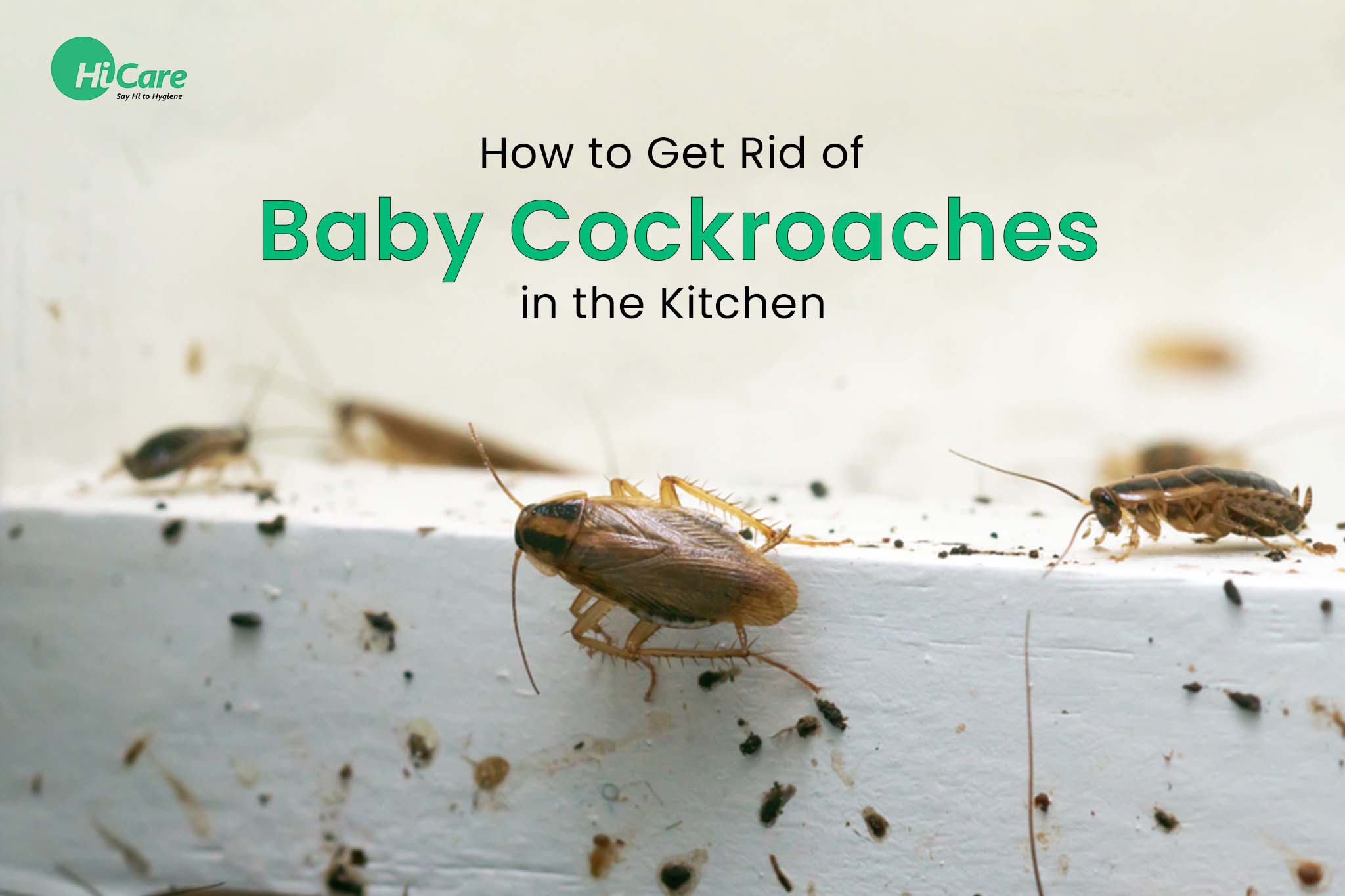
Image Source: hicare.in
Why Cockroaches Love Your Kitchen Cabinets
Your kitchen cabinets offer everything a cockroach needs to survive and multiply:
- Food Sources: Crumbs, spills, grease, and even tiny food particles left behind are a buffet for cockroaches.
- Water Sources: Leaky pipes, condensation from appliances, and spills provide essential moisture.
- Shelter: Dark, cramped spaces within cabinets, especially those with cracks and crevices, offer protection and hiding spots.
- Warmth: Kitchen appliances often generate warmth, making cabinets an attractive place to nest.
Immediate Action: How to Kill Cockroaches in Cabinets Now
When you discover cockroaches in your kitchen cabinets, it’s crucial to act fast. Here’s how to tackle the immediate problem:
Step 1: Identify the Infestation Level
Before you start spraying or baiting, take a moment to assess the situation.
- Light Infestation: You see only a few cockroaches, mostly at night.
- Moderate Infestation: You see cockroaches more frequently, even during the day, and notice droppings or egg cases.
- Severe Infestation: Cockroaches are visible in large numbers, during the day, and you find droppings and egg cases throughout the kitchen.
Your action plan will depend on the severity. For immediate impact, especially in moderate to severe cases, you might need a combination of methods.
Step 2: Clean Out Your Cabinets Thoroughly
This is a critical first step for effective cockroach control kitchen. Remove everything from your cabinets.
- Empty All Contents: Take out all food items, dishes, utensils, appliances, and anything else stored inside.
- Inspect Contents: For food items, check for signs of infestation. Discard any contaminated items in a sealed bag and take them outside immediately. Non-food items can be wiped down.
- Vacuum Thoroughly: Use a vacuum cleaner with a crevice tool to suck up any visible cockroaches, egg cases, droppings, and dust. Pay close attention to corners, cracks, and under shelves. Dispose of the vacuum bag or empty the canister outside immediately after use.
Step 3: Deep Clean Cabinet Surfaces
A clean environment is your first line of defense.
- Wipe Down Surfaces: Use a strong cleaning solution. A mixture of hot water and dish soap is a good start. For tougher grease buildup, a degreaser or a solution of vinegar and water can be effective.
- Scrub Crevices: Use an old toothbrush or a small brush to scrub any tight spaces, corners, and joints where cockroaches might hide.
- Dry Everything: Ensure cabinets are completely dry after cleaning, as moisture attracts pests.
Effective Cockroach Treatments for Kitchen Cabinets
Once your cabinets are clean, it’s time to implement targeted treatments. This is where you’ll focus on how to kill cockroaches in cabinets.
Using Cockroach Bait Kitchen Cabinets
Cockroach bait kitchen cabinets are highly effective because they work by attracting cockroaches to a poisoned food source. They then die, and often other cockroaches will eat their poisoned remains, creating a domino effect.
Types of Baits:
- Gel Baits: These are applied in small dots or lines in areas where you’ve seen cockroaches or suspect they are hiding – along baseboards, behind appliances, and inside cabinets.
- Bait Stations: These are small plastic containers with the bait inside. They are safe to use around children and pets if placed correctly, and they protect the bait from drying out.
Placement Strategy:
- Targeted Application: Place baits in or near cabinets, especially in dark corners, under sinks, behind appliances, and along the back of shelves.
- Avoid Contamination: Do not spray insecticide near bait stations, as this can deter cockroaches from feeding on the bait.
- Regular Replacement: Check bait stations and gel bait placement regularly. Replace them as per the product instructions or when they appear depleted.
Cockroach Spray Kitchen Applications
While baits are often preferred for long-term control and less direct exposure, cockroach spray kitchen products can offer a more immediate knockdown effect.
Types of Sprays:
- Contact Sprays: These kill cockroaches on contact. They are useful for visible roaches but offer little residual effect.
- Residual Sprays: These leave a chemical residue that continues to kill cockroaches for a period after application.
Safe and Effective Spraying Techniques:
- Targeted Application: Spray directly into cracks, crevices, and hiding spots within cabinets, as well as along baseboards and entry points.
- Ventilation is Key: Ensure good ventilation by opening windows and doors while spraying and for some time afterward.
- Read Labels Carefully: Always follow the manufacturer’s instructions regarding application, safety precautions (like keeping children and pets away), and drying times.
- Avoid Food Surfaces: Never spray directly onto food preparation surfaces, dishes, or utensils.
Other Effective Cockroach Treatments Kitchen Options
Beyond baits and sprays, several other effective cockroach treatments kitchen can supplement your efforts.
- Insect Growth Regulators (IGRs): These are not traditional insecticides. IGRs disrupt the cockroach life cycle, preventing nymphs from developing into adults and making adults unable to reproduce. They are excellent for long-term cockroach control kitchen.
- Diatomaceous Earth (Food Grade): This natural powder is made from fossilized aquatic organisms. When cockroaches crawl over it, the sharp edges scratch their exoskeleton, causing them to dehydrate and die. It’s a safe option when used correctly. Apply a thin layer in dry areas, especially in cracks and crevices.
- Boric Acid: Similar to diatomaceous earth, boric acid is a desiccant and stomach poison. It’s best applied as a fine dust in hidden areas where it won’t be disturbed or come into contact with food. Use sparingly, as too much can be repellent.
Natural Cockroach Remedies Kitchen Approaches
For those who prefer to avoid chemical insecticides, there are several natural cockroach remedies kitchen that can be effective, especially for milder infestations or as a complementary strategy.
Essential Oils
Certain essential oils have insecticidal properties that can repel or kill cockroaches.
- Peppermint Oil: Cockroaches dislike the strong scent. Mix 10-15 drops of peppermint oil with water in a spray bottle and spray around cabinet bases and entry points.
- Tea Tree Oil: Known for its antiseptic and insecticidal properties. Mix similarly to peppermint oil.
- Eucalyptus Oil: Another strong scent that repels cockroaches.
Important Note: While natural, essential oils can be potent. Always use them in a well-ventilated area and keep them away from pets and small children, as some can be toxic if ingested or applied directly to skin.
Baking Soda and Sugar Mix
This classic natural cockroach remedy kitchen uses sugar to attract cockroaches and baking soda to kill them.
- Ratio: Mix equal parts sugar and baking soda.
- Placement: Sprinkle the mixture in areas where cockroaches are commonly seen, such as behind appliances, under sinks, and in cabinet corners.
- How it Works: Cockroaches eat the mixture. The sugar attracts them, and the baking soda reacts with their digestive acids, producing gas that ultimately kills them.
Cucumber Peels
Cockroaches are said to be repelled by the smell of cucumber.
- Method: Place fresh cucumber peels in affected cabinet areas.
- Frequency: Replace the peels every few days as they dry out.
Bay Leaves
The strong scent of bay leaves can deter cockroaches.
- Method: Place dried bay leaves in your cabinets, especially in corners and along shelves.
- Effectiveness: This is more of a repellent than a killer, best used for cockroach prevention kitchen.
Kitchen Cabinet Pest Control: Sealing Entry Points
Kitchen cabinet pest control isn’t just about killing the roaches you see; it’s about preventing new ones from entering and nesting. Sealing entry points is crucial for long-term cockroach prevention kitchen.
Sealing Cracks and Crevices
Cockroaches can squeeze through incredibly small openings.
- Caulking: Use silicone caulk to seal any cracks or holes in your cabinets, walls, baseboards, and around pipes or wiring that enter the kitchen.
- Grout: Repair any damaged grout in tile backsplashes or floors.
Secure Food Storage
Proper food storage is paramount for cockroach control kitchen.
- Airtight Containers: Transfer all dry goods like cereals, flour, sugar, and pasta into airtight containers made of glass, metal, or sturdy plastic. Cockroaches can chew through cardboard and thin plastic bags.
- Seal Pantry Items: Even packaged items like pet food should be stored in sealed containers.
Eliminate Moisture Sources
Address any water leaks promptly.
- Fix Leaky Faucets and Pipes: Even small drips can provide enough water for cockroaches.
- Dry Sinks and Counters: Wipe down sinks and countertops at night to remove any standing water.
- Ventilation: Ensure good ventilation in the kitchen to reduce humidity, especially around the sink and dishwasher.
Ongoing Cockroach Prevention Kitchen Strategies
Once you’ve successfully tackled the cockroach infestation kitchen, implementing ongoing cockroach prevention kitchen measures will help keep them away for good.
Regular Cleaning Schedule
Consistency is key.
- Daily: Wipe down counters and stovetops after each meal. Sweep or vacuum the kitchen floor daily.
- Weekly: Deep clean cabinet interiors, paying attention to corners and edges. Clean out pantries. Mop the kitchen floor.
- Monthly: Check for any new cracks or potential entry points and seal them.
Trash Management
Proper trash disposal is essential.
- Sealed Bins: Use trash cans with tight-fitting lids.
- Regular Disposal: Empty trash cans daily, especially kitchen waste, and take them outside to a secure bin.
- Clean Bins: Wash out trash cans regularly to remove any residue.
Monitor for Signs
Stay vigilant.
- Regular Inspections: Periodically check inside cabinets, under the sink, and behind appliances for droppings, egg cases, or live cockroaches.
- Sticky Traps: Place cockroach sticky traps in strategic locations to monitor activity levels. They can help you identify problem areas early.
Cockroach Bait Kitchen Cabinets: A Closer Look
Using cockroach bait kitchen cabinets is a cornerstone of effective cockroach control kitchen. Understanding how they work and how to use them optimally can make a significant difference.
How Cockroach Baits Work
Cockroach baits typically consist of a slow-acting poison mixed with an attractant. The attractant might be a food source, a protein, or a carbohydrate that roaches find irresistible.
- Attraction: Cockroaches are drawn to the bait.
- Consumption: They eat the bait.
- Delay: The poison is slow-acting, allowing the cockroach to return to its harborage area and die.
- Transfer: Other cockroaches may consume the poisoned feces or dead bodies of infected roaches, leading to secondary kill. This is known as the “domino effect.”
Best Practices for Using Baits
- Placement is Crucial: Place baits where cockroaches travel and hide. This includes dark, warm, and humid areas:
- Inside and around cabinets
- Under sinks
- Behind appliances (refrigerator, stove, dishwasher)
- Along baseboards and wall edges
- Near water sources and drains
- Don’t Over-Apply: Too much bait can be less effective and may even deter roaches if they become suspicious. Small, strategically placed dabs of gel bait or a few bait stations are usually sufficient.
- Patience is Required: Baits take time to work. You won’t see immediate results, but over a week or two, you should notice a significant reduction in cockroach activity.
- Avoid Sprays Near Baits: Chemical sprays can create a barrier that prevents roaches from reaching the bait. If you are using both, place baits first, let them work, and then use sprays for immediate knockdown of any remaining visible roaches away from the baiting areas.
- Replace Regularly: Baits can dry out or become less attractive over time. Follow product instructions for replacement schedules.
When to Call a Professional
While DIY methods are effective for many cockroach infestation kitchen situations, there are times when professional help is necessary.
- Severe Infestations: If you have a large, established cockroach infestation kitchen that isn’t responding to your efforts, a professional pest control service can provide more potent treatments and expert advice.
- Persistent Problems: If you’ve tried multiple methods consistently and are still struggling to eliminate kitchen cockroaches, a professional can help identify the root cause and implement a more comprehensive solution.
- Health Concerns: If anyone in your household has allergies or respiratory issues aggravated by pests or pesticides, professionals can use targeted treatments with minimal exposure.
- Difficult Access Areas: Professionals have specialized equipment to treat hard-to-reach areas, such as wall voids or crawl spaces, where cockroaches might be harbored.
Frequently Asked Questions (FAQ)
Q1: How quickly can I expect to see results from cockroach treatments?
A1: With baits and sprays, you can start seeing a reduction in visible cockroaches within a day or two. However, for complete elimination, especially with baits using the domino effect, it can take one to two weeks to see significant results as the entire population is affected.
Q2: Are natural cockroach remedies as effective as chemical treatments?
A2: Natural remedies can be effective for mild infestations or as a preventative measure, and they are generally safer. However, for moderate to severe infestations, chemical treatments like baits and residual sprays are typically more potent and faster-acting. Often, a combination of both can be most effective.
Q3: Can I use cockroach spray directly in my kitchen cabinets?
A3: Yes, you can use cockroach spray directly in kitchen cabinets, but it’s crucial to follow the product instructions carefully. Ensure you remove all food items, dishes, and utensils first. Ventilate the area well after spraying and allow the cabinets to dry completely before returning items. Avoid spraying directly on food contact surfaces.
Q4: What is the most effective way to kill cockroaches in cabinets?
A4: The most effective way to kill cockroaches in cabinets is often a multi-pronged approach. This includes thorough cleaning, using cockroach bait kitchen cabinets, and applying targeted residual sprays in cracks and crevices. Sealing entry points and practicing good sanitation are vital for long-term success.
Q5: How do I prevent cockroaches from returning to my kitchen cabinets?
A5: Cockroach prevention kitchen involves consistent sanitation, eliminating food and water sources, sealing all entry points into your home and cabinets, and regularly inspecting for any signs of activity. Storing food in airtight containers is also a key preventive measure.
By following these detailed steps, you can effectively eliminate kitchen cockroaches from your cabinets and maintain a pest-free kitchen. Remember that persistence and a thorough approach are your best allies in the fight against these unwanted pests.