
Tiny ants on your kitchen counter? You’re not alone! Many homeowners grapple with a kitchen ant infestation, and thankfully, there are effective ways to get rid of them. Can you use vinegar? Yes, diluted vinegar can help disrupt ant trails and deter them.
Seeing those tiny invaders marching across your clean kitchen counter can be frustrating, to say the least. These minuscule intruders, often odorous house ants or pavement ants, are usually on the hunt for food and water. Your kitchen, with its readily available crumbs, spills, and moisture sources, is a prime target. Dealing with a kitchen ant infestation requires a multi-pronged approach, focusing on eliminating the current invaders and preventing future incursions. This guide will equip you with the knowledge and practical steps for effective ant control.
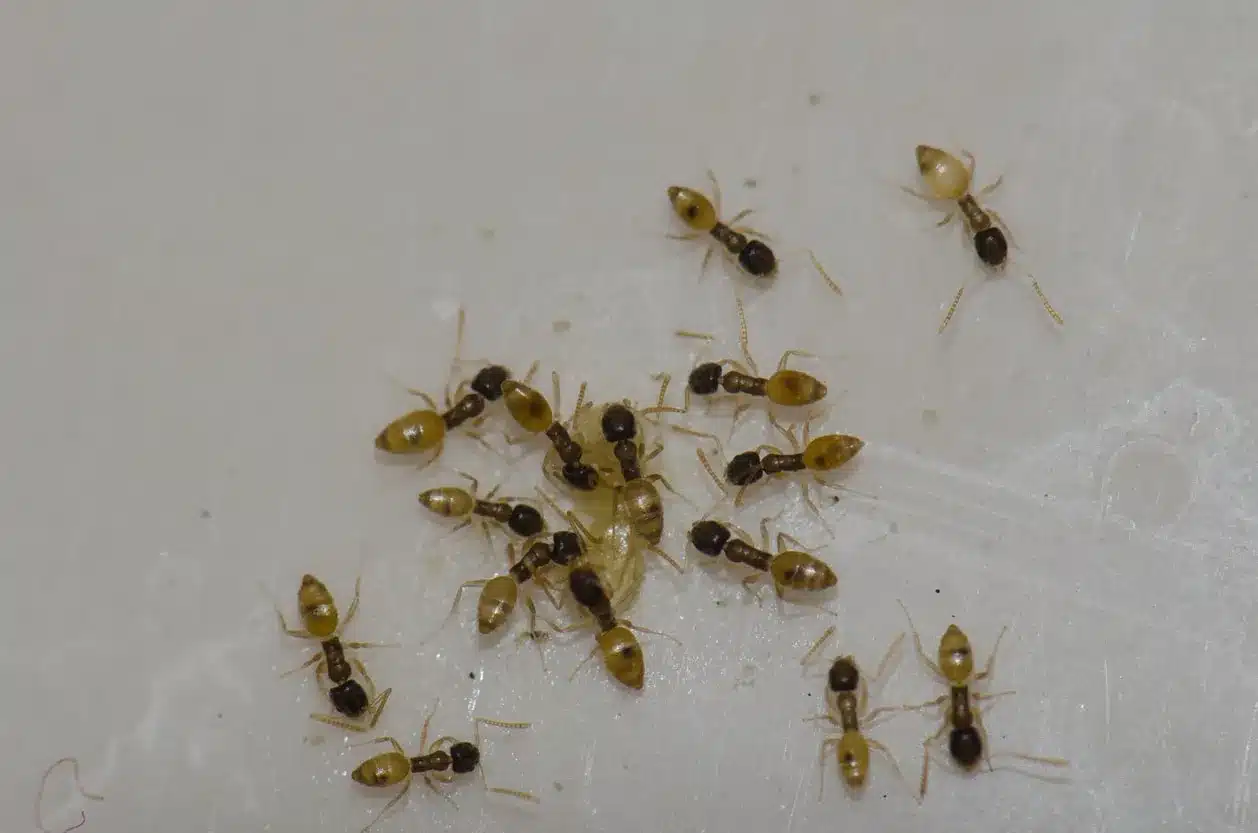
Image Source: cdn.bugs.com
Deciphering the Ant’s Path: Why They Visit Your Kitchen
Before we dive into eliminating them, it helps to know why they are there in the first place. Ants are incredibly efficient scouts, and when one finds a food source, it leaves a chemical trail (a pheromone) for others to follow. This trail is like a tiny ant highway, guiding its colony mates directly to the bounty.
Common attractants include:
- Sweet substances: Sugar, honey, syrup, fruit juice, and even residues from sweet drinks.
- Greasy or oily residues: Leftover food particles, cooking oils, or spills.
- Water sources: Leaky faucets, damp sponges, or standing water in sinks or near pet bowls.
- Pet food: Especially if left out overnight.
- Trash cans: Unsealed or overflowing bins are magnets for ants.
Identifying these attractants is the first crucial step in your ant control strategy.
Immediate Actions: Dealing with the Current Invasion
When you spot ants, you want them gone fast. Here are some immediate steps to tackle the ant invasion:
Cleaning Countertops: The First Line of Defense
A thorough cleaning of your countertops is paramount. This isn’t just about wiping away visible ants; it’s about removing the scent trails they leave behind.
- Wipe down surfaces: Use a damp cloth or sponge.
- Remove all food debris: Ensure no crumbs or sticky spots are left.
- Clean appliances: Pay attention to areas around toasters, coffee makers, and microwaves.
- Wash dishes promptly: Don’t leave dirty dishes in the sink.
This basic step disrupts their communication and makes your kitchen less inviting.
Natural Ant Remedies: Gentle Yet Effective Solutions
For those who prefer to avoid harsh chemicals, several natural ant remedies can be quite effective:
- Vinegar Solution:
- Mix equal parts white vinegar and water in a spray bottle.
- Spray directly on ant trails and the areas where you see ants.
- Wipe clean. The vinegar smell is unpleasant to ants and erases their scent trails.
- Lemon Juice: Similar to vinegar, the acidity of lemon juice can disrupt scent trails. Spray undiluted or diluted lemon juice on ant pathways.
- Peppermint Oil: Ants dislike the strong scent of peppermint.
- Mix 10-15 drops of peppermint essential oil with a cup of water.
- Spray around entry points and on countertops.
- You can also place cotton balls soaked in peppermint oil in problem areas.
- Cinnamon: Sprinkle cinnamon powder around entry points or ant trails. Ants tend to avoid it.
- Coffee Grounds: Used coffee grounds can act as an ant repellent. Scatter them near entry points.
- Cornmeal: While it might sound counterintuitive, some believe ants eat cornmeal and cannot digest it, leading to their demise. Sprinkle it in areas where you see ants.
- Chalk: Drawing a chalk line across an ant’s path can deter it from crossing.
These natural ant remedies are excellent for immediate cleanup and disruption.
Long-Term Ant Control: Eliminating Ants and Preventing Recurrence
While cleaning and natural remedies are good for immediate relief, eliminating ants permanently and preventing a recurring kitchen ant infestation requires a more strategic approach.
Identifying Entry Points
Ants don’t just appear; they come from somewhere. Finding their entry points is key to ant control.
- Inspect windows and doors: Look for cracks or gaps around frames.
- Check wall baseboards: Ants can travel through tiny openings in walls.
- Examine pipes and wires: Gaps where pipes or wires enter your home are common entry points.
- Look for cracks in foundations: Even small cracks can be an invitation.
Sealing these entry points with caulk or sealant will be a significant step in preventing ants.
Targeted Treatments: Ant Baits and Other Strategies
When natural remedies aren’t enough, or you need to address the colony directly, ant baits are highly effective.
How Ant Baits Work
Ant baits contain a slow-acting poison mixed with an attractant that ants find irresistible. Worker ants consume the bait and carry it back to the nest, sharing it with the queen and other ants. This process can take a few days but ultimately targets the entire colony, which is crucial for eliminating ants.
- Types of Ant Baits:
- Gel baits: These are often applied in small dots or lines near ant trails or entry points.
- Liquid baits: Can be placed in bait stations or small dishes.
- Granule baits: Suitable for larger infestations or outdoor use near entry points.
Using Ant Baits Safely and Effectively
- Placement is key: Place baits along ant trails, near nests (if you can locate them), and close to entry points. Avoid placing them directly on food preparation surfaces.
- Don’t spray insecticides near baits: This will deter ants from reaching the bait. The goal is for them to consume the poison, not be killed immediately by a contact spray.
- Be patient: It can take several days to a week to see a significant reduction in ant activity.
- Observe ant behavior: If ants ignore a bait, try a different type or a different placement. Some ants prefer sugary baits, while others are attracted to protein or grease.
- Keep pets and children away: Ensure baits are placed out of reach of children and pets. Read and follow all product instructions carefully.
Other Treatment Options
- Insecticidal Sprays: These offer quick knockdown of visible ants but do not address the colony. Use them judiciously, and ideally, opt for targeted applications rather than broad spraying. Always choose products labeled for indoor use and follow instructions.
- Diatomaceous Earth (Food Grade): This is a natural powder made from fossilized aquatic organisms. When ants walk over it, the sharp particles scratch their exoskeletons, causing them to dehydrate and die. Sprinkle a thin layer in dry areas where ants travel, such as along baseboards, behind appliances, and near entry points.
DIY Ant Solutions for Persistent Problems
Sometimes, combining several methods creates the most effective DIY ant solutions.
- The Cleanliness + Baiting Combo: Maintain rigorous cleaning habits while strategically placing ant baits near problem areas. This tackles immediate issues and targets the root cause.
- Trail Disruption + Sealing: Use vinegar or lemon juice to wipe down existing trails, and then seal up any entry points you’ve identified.
- Natural Repellents + Deterrents: Combine peppermint oil sprays with cinnamon or coffee grounds at entry points for a multi-layered defense.
Preventing Ants: A Long-Term Strategy
The best way to deal with a kitchen ant infestation is to prevent it from happening in the first place. Consistent preventing ants is crucial.
Food Storage and Management
- Seal food tightly: Store all food, especially sugary and sticky items, in airtight containers. This includes sugar, honey, cereals, pet food, and even fruit.
- Wipe up spills immediately: Don’t let even small drops of juice or syrup linger.
- Clean counters and floors regularly: A daily wipe-down can make a huge difference.
- Empty trash cans frequently: Use bins with tight-fitting lids and take the trash out daily, especially if it contains food scraps.
- Rinse recyclables: Ensure no food residue remains in cans or bottles.
Water Management
- Fix leaky faucets and pipes: Even a small drip can attract ants.
- Dry sinks and counters: Don’t leave standing water in your sink or on surfaces.
- Check for condensation: Ensure appliances like refrigerators and dishwashers aren’t creating moist environments.
- Manage pet water bowls: Clean and dry them regularly.
Outdoor Measures
- Trim vegetation: Keep trees and shrubs trimmed away from your house, as they can provide a bridge for ants to reach your home.
- Seal exterior cracks: Inspect the exterior of your home for cracks in the foundation, walls, and around windows and doors, and seal them.
- Address outdoor ant nests: If you spot ant hills near your home, consider treating them with appropriate outdoor insecticides or natural methods.
Common Ant Species and Their Habits
Knowing the type of ant you’re dealing with can sometimes inform your ant control strategy.
| Ant Type | Common Attractants | Typical Nesting Sites | Notes |
|---|---|---|---|
| Odorous House Ant | Sweets, meats, dairy, greasy foods | Inside wall voids, under appliances, damp wood | Known for their unpleasant coconut-like smell when crushed. |
| Pavement Ant | Sweets, grease, insects, pet food | Under sidewalks, patios, driveways, soil | Often enter homes through cracks in foundations or expansion joints. |
| Pharaoh Ant | Sweets, proteins, fats, oils | Wall voids, cabinets, under flooring | Tiny (1/16 inch), pale ants. Can be very persistent and spread rapidly. |
| Carpenter Ant | Sweets, insects, honeydew | Damp or decaying wood, wall voids | Larger ants, often black or dark brown. They don’t eat wood but tunnel through it. |
For most tiny ants on kitchen counters, odorous house ants and pavement ants are the most common culprits.
When to Call a Professional
While many DIY ant solutions are effective, there are times when professional intervention is necessary.
- Persistent infestations: If you’ve tried multiple methods and still can’t get rid of the ants, a professional pest control service can identify the species and implement more potent treatments.
- Carpenter ants: If you suspect carpenter ants, it’s crucial to call a professional. Their tunneling can cause significant structural damage to your home.
- Large-scale infestations: If the ant invasion is extensive and you’re overwhelmed, professional help is warranted.
- Health concerns: If you have allergies or young children and are worried about using certain products, professionals can offer safer alternatives or methods.
A professional can provide comprehensive ant control and help with long-term preventing ants.
Frequently Asked Questions (FAQ)
How fast can I get rid of ants?
You can see an immediate reduction in visible ants by cleaning their trails and using contact sprays. However, for complete eliminating ants and the colony, ant baits are most effective, but they take several days to a week to work fully.
Are tiny ants dangerous?
Most tiny ants commonly found in kitchens are a nuisance rather than dangerous. They don’t typically bite or sting in a way that causes significant harm, though some individuals might have minor reactions. Their main danger is their potential to contaminate food.
Can I use essential oils for ant control?
Yes, essential oils like peppermint, tea tree, and eucalyptus can be effective natural ant remedies and ant repellent agents. Mix them with water and spray them around entry points or use cotton balls soaked in the oil.
How do I stop ants from coming back after I get rid of them?
The key to preventing ants is consistent good hygiene. This includes keeping your kitchen spotless, sealing food containers, promptly cleaning spills, managing moisture, and sealing any cracks or entry points around your home.
What is the best ant bait for a kitchen ant infestation?
The best ant bait depends on the ant species. However, many common kitchen ants are attracted to sweet baits. Brands offering gel or liquid baits are generally effective for indoor use. Always follow product instructions and place baits strategically.
Dealing with tiny ants on your kitchen counter is a common challenge, but with the right knowledge and consistent effort, you can effectively implement ant control, achieve eliminating ants, and enjoy a pest-free kitchen. From thorough cleaning and effective natural ant remedies to strategic use of ant baits and diligent preventing ants practices, you have the tools to win this battle. Remember, a clean kitchen is your best defense against an ant invasion.