
Does your kitchen sink emit a foul odor? Yes, you can get rid of that bad sink smell using simple, everyday items. This post will guide you through several easy fixes for drain cleaning and drain odor removal, turning your kitchen sink into a pleasant-smelling part of your home. We’ll cover everything from natural drain cleaner methods to effective drain maintenance.
The persistent, unpleasant smell emanating from your kitchen sink drain can be more than just an annoyance; it can indicate underlying issues. This odor, often described as rotten eggs, sulfur, or something generally unpleasant, is a common problem many homeowners face. The culprit is usually a buildup of food particles, grease, soap scum, and other organic matter that decomposes within the pipes. This decomposition process creates gases that, when they rise through the drain, release that tell-tale bad sink smell. Let’s dive into how to tackle this issue effectively and restore freshness to your kitchen.
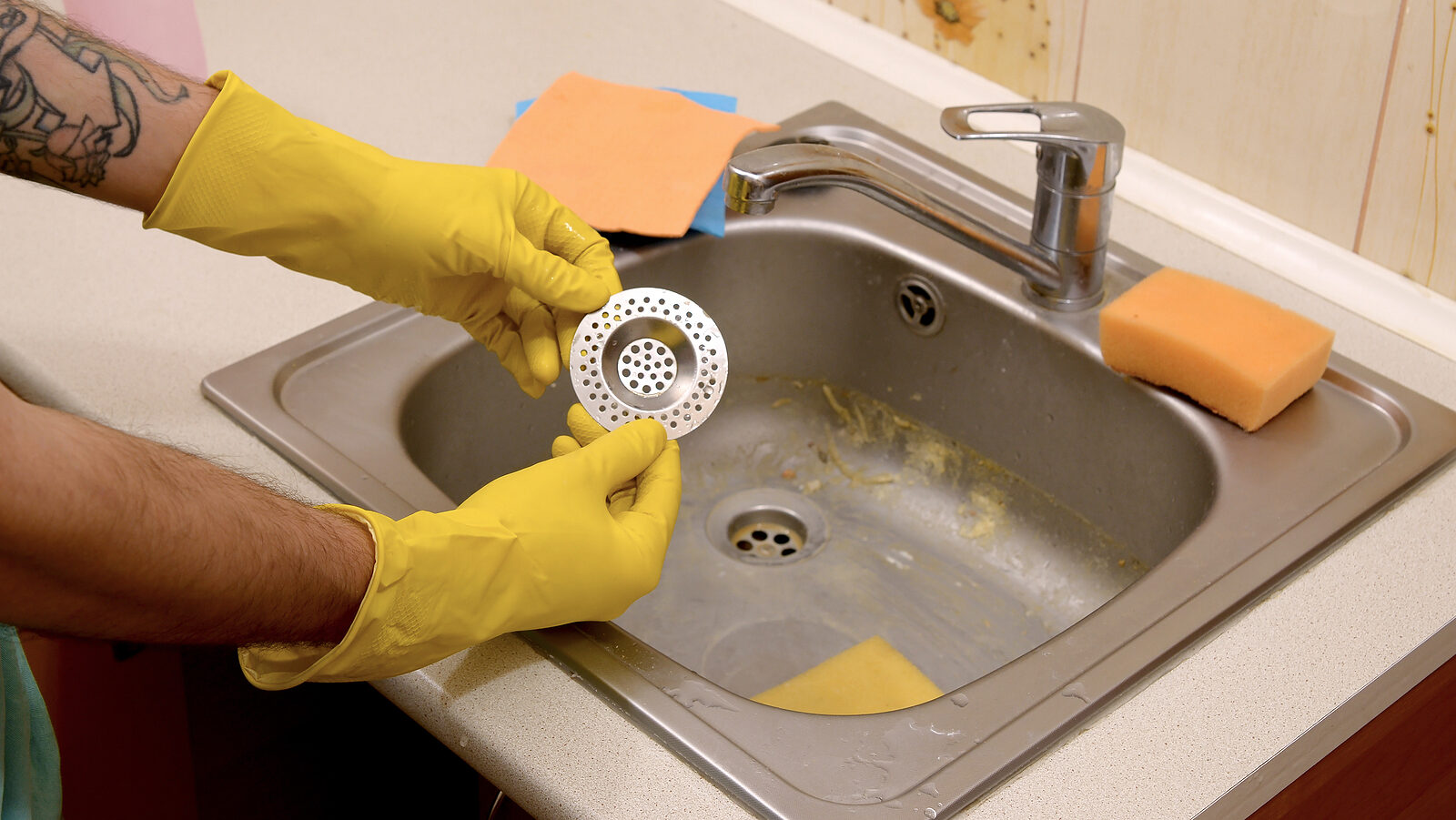
Image Source: blockbusters.co.uk
Why Your Kitchen Sink Smells Bad
Before we tackle the smell, it’s helpful to know why it happens. Food scraps, grease, coffee grounds, and even small bits of soap can get lodged in your sink drain and pipes. Over time, these things combine with water and bacteria to form a slimy layer called a biofilm. This biofilm is a breeding ground for odor-causing bacteria. As this organic material breaks down, it releases gases like hydrogen sulfide, which has that classic rotten-egg smell.
Here are the main reasons for that unpleasant odor:
- Food Debris: Small pieces of food that escape the garbage disposal or get stuck in the drain trap.
- Grease and Fats: When hot grease is poured down the drain, it cools and solidifies, trapping other debris.
- Soap Scum: Residue from dish soap and body soaps can build up over time.
- Biofilm Formation: Bacteria feeding on trapped organic matter create slime inside the pipes.
- Dry P-Trap: If a sink isn’t used often, the water in the P-trap can evaporate, allowing sewer gases to escape into the kitchen.
The P-Trap: A Hidden Culprit
The U-shaped pipe beneath your sink, known as the P-trap, is designed to hold water. This water acts as a barrier, preventing sewer gases from entering your home. If this water seal breaks or is insufficient, those unpleasant smells can easily travel up and out of the drain. This often happens if a sink isn’t used regularly.
Easy Fixes for a Smelly Kitchen Sink Drain
Fortunately, you don’t need harsh chemicals to achieve effective drain cleaning and drain odor removal. Many natural and readily available household items can work wonders. These methods are not only eco-friendly but also safe for your pipes and your family.
1. The Baking Soda and Vinegar Method
This is a classic for a reason! Baking soda (a mild abrasive and deodorizer) and vinegar (an acid) create a fizzing reaction that helps break down grease and loosen gunk.
What you’ll need:
- 1/2 cup baking soda
- 1/2 cup white vinegar
- Hot water
Steps:
- Pour the baking soda directly into the drain.
- Slowly pour the vinegar over the baking soda. You’ll see it fizz and bubble.
- Let it sit for about 15-30 minutes. This allows the reaction to work.
- Flush the drain with a kettle full of boiling or very hot water.
This is a fantastic natural drain cleaner and a great way to maintain your drains regularly.
2. Boiling Water Flush
Sometimes, a simple flush with boiling water is all that’s needed to melt away solidified grease and rinse away loose debris.
What you’ll need:
- A kettle or pot of boiling water
Steps:
- Carefully pour the boiling water directly down the drain.
- Do this slowly, allowing the hot water to work its way down the pipes.
- Repeat if necessary, especially if you suspect grease buildup.
This is a simple yet effective step for drain maintenance. Be cautious when handling boiling water.
3. Salt and Baking Soda Power
Salt, when combined with baking soda and hot water, can add extra abrasive power to help scrub away buildup.
What you’ll need:
- 1/2 cup salt
- 1/2 cup baking soda
- Hot water
Steps:
- Mix the salt and baking soda together.
- Pour the mixture down the drain.
- Let it sit for at least 30 minutes, or even overnight for stubborn smells.
- Flush with hot or boiling water.
This combination acts as a powerful drain deodorizer.
4. Lemon Juice or Citrus Peels
The citric acid in lemon juice can help break down grease, and the natural oils in citrus peels provide a fresh scent.
What you’ll need:
- Lemon juice (from about 1-2 lemons) OR citrus peels (lemon, orange, grapefruit)
- Hot water
Steps (Lemon Juice):
- Squeeze the juice of 1-2 lemons directly into the drain.
- Let it sit for about 15-30 minutes.
- Flush with hot water.
Steps (Citrus Peels):
- Cut citrus peels into small pieces.
- Run them through your garbage disposal with cold water. If you don’t have a disposal, you can boil the peels in water, let it cool slightly, and then pour the scented water down the drain.
This is a great way to create a natural kitchen drain freshener.
5. Using Ice Cubes and Salt
This method is particularly effective if you have a garbage disposal. The ice cubes help to scrape away grime from the disposal blades, while the salt acts as an abrasive.
What you’ll need:
- 1 cup ice cubes
- 1/2 cup coarse salt
- Cold water
Steps:
- Pour the ice cubes into the garbage disposal.
- Add the salt.
- Run the garbage disposal with cold water until the ice and salt are ground up.
- Continue running cold water for another minute.
This helps clean the disposal and the immediate drain pipes, contributing to drain odor removal.
6. Commercial Sink Pipe Cleaner Options
While natural methods are often preferred, there are effective commercial sink pipe cleaner products available. When choosing one, look for enzyme-based cleaners. These use natural enzymes to break down organic waste without the harsh chemicals found in some traditional drain cleaners. Always follow the product instructions carefully.
When to consider commercial cleaners:
- Persistent smells that natural methods don’t resolve.
- When you suspect a more significant buildup or minor clog.
7. The Importance of Regular Drain Maintenance
The best way to prevent that bad sink smell is through consistent drain maintenance. Making these simple habits part of your routine can save you a lot of hassle down the line.
Key drain maintenance practices:
- Scrape Plates: Always scrape food scraps into the trash or compost bin before rinsing dishes.
- Avoid Pouring Grease: Never pour grease, oil, or fats down the drain. Let them cool and solidify, then discard them in the trash.
- Use a Drain Strainer: A simple strainer can catch larger food particles before they enter the drain. Clean it out regularly.
- Run Hot Water: After using the sink, especially after washing greasy dishes, run hot water for about 30 seconds to help flush away any residual grease.
- Monthly Deodorizing: Perform a baking soda and vinegar flush once a month to keep your drains clean and smelling fresh.
Troubleshooting Persistent Smells and Clogs
If these easy fixes don’t completely eliminate the smell, or if you suspect a more serious clog, you might need to investigate further. A clogged drain smell can be more intense and might indicate a blockage further down the pipe.
Identifying a Clogged Drain Smell
A clogged drain smell is often accompanied by slow draining water or complete blockage. The trapped waste has more time to decompose, leading to a stronger, more offensive odor.
What is a Clogged Drain Smell?
A clogged drain smell is the distinct odor produced by decomposing organic matter and the gases it releases when it gets trapped in pipes due to a blockage.
Using a Drain Snake or Auger
For a physical blockage, a drain snake (or auger) is a useful tool. It’s a flexible metal cable that you can feed into the drain to break up or pull out the clog.
How to use a drain snake:
- Feed the snake into the drain opening.
- When you feel resistance (the clog), crank the handle to break up the blockage or hook onto it.
- Slowly pull the snake back out, bringing the debris with it.
- Flush the drain with hot water afterward.
This is a more hands-on approach to drain cleaning.
Checking the Garbage Disposal
If you have a garbage disposal, it’s a common source of odors, especially if food waste isn’t fully ground or flushed.
Tips for a clean garbage disposal:
- Run cold water while using the disposal.
- Don’t overload it.
- Use the ice cube and salt method described earlier.
- Periodically grind citrus peels for freshness.
- Ensure it’s completely clear of any stuck food particles.
Can I Pour Bleach Down My Kitchen Sink Drain?
While bleach can kill bacteria and mask odors temporarily, it’s generally not recommended for regular drain cleaning. Bleach can be harsh on pipes, especially older ones, and it doesn’t break down organic matter effectively. Mixing bleach with other drain cleaners can also create dangerous toxic fumes. Stick to safer, natural alternatives or enzyme-based cleaners for better, safer drain maintenance.
Advanced Drain Cleaning and Odor Removal
When simple methods aren’t enough, you might need to consider more robust solutions.
Enzyme Drain Cleaners
Enzyme drain cleaners are excellent for regular drain maintenance and tackling odors. They contain beneficial bacteria and enzymes that “eat” away at organic waste, grease, and food particles. They are safe for all types of pipes and are environmentally friendly.
How they work:
- The enzymes break down the organic material.
- The bacteria consume the broken-down material.
- This process is slow but effective for preventing clogs and odors.
These are a great alternative to harsh chemical cleaners for ongoing drain odor removal.
Professional Drain Cleaning Services
If you’ve tried multiple methods and the smell persists, or if you suspect a significant blockage or issue within your plumbing system, it’s time to call a professional plumber. They have specialized tools and expertise to diagnose and resolve even the most stubborn drain problems.
When to call a plumber:
- Persistent, foul odors that don’t go away.
- Slow draining in multiple sinks or fixtures.
- Gurgling sounds from drains.
- Water backing up into sinks or showers.
A professional can ensure thorough drain cleaning and identify any underlying pipe issues contributing to the smell.
Frequently Asked Questions About Kitchen Sink Smells
What is the quickest way to get rid of a bad sink smell?
The quickest way is often the boiling water flush followed by the baking soda and vinegar method. Pouring boiling water down the drain first helps melt away immediate grease buildup, and then the baking soda and vinegar reaction tackles trapped debris and neutralizes odors.
How often should I clean my kitchen sink drain?
For regular drain maintenance and to prevent odors, it’s a good idea to do a baking soda and vinegar flush once a month. If you cook a lot or notice any signs of slow draining, you might want to do it more often.
Why does my drain smell like rotten eggs?
The rotten egg smell is typically caused by hydrogen sulfide gas, which is produced when organic matter like food scraps and grease decompose in your pipes, often exacerbated by bacteria.
Can I use coffee grounds to clean my drain?
While some people use coffee grounds as a mild abrasive, they can actually contribute to clogs if not flushed properly. It’s generally better to avoid putting coffee grounds down the drain and opt for methods like baking soda and vinegar or enzyme cleaners.
What are the best natural drain cleaner ingredients?
The most effective natural drain cleaner ingredients are baking soda, white vinegar, salt, and citrus fruits (like lemons and oranges). They are safe, affordable, and tackle common drain issues.
Conclusion
A smelly kitchen sink drain is a common problem, but it’s one that’s easily solved with a few simple and effective methods. From the classic baking soda and vinegar trick to regular drain maintenance and the use of enzyme-based cleaners, you have a range of options to keep your kitchen smelling fresh. Remember to address the issue promptly to prevent the buildup of grime and bacteria. By implementing these easy fixes and adopting good drain maintenance habits, you can say goodbye to that bad sink smell for good. Your kitchen will thank you for it!