
Does your kitchen sink emit an unpleasant odor, making cooking and dishwashing an unwelcome chore? You’re not alone. This common problem, often a bad smell from sink, arises from food particles, grease, and other debris accumulating in the drain and pipes. Luckily, there are effective ways to tackle sink odor removal and achieve a fresh kitchen sink.
What is the quickest way to get rid of a bad smell in a kitchen sink? The quickest way is often to use a combination of baking soda and vinegar, followed by boiling water. This DIY approach is simple, cheap, and usually very effective for immediate odor relief.
Let’s dive into a comprehensive guide on how to conquer that lingering kitchen sink smell and maintain a hygienic, pleasant-smelling kitchen.
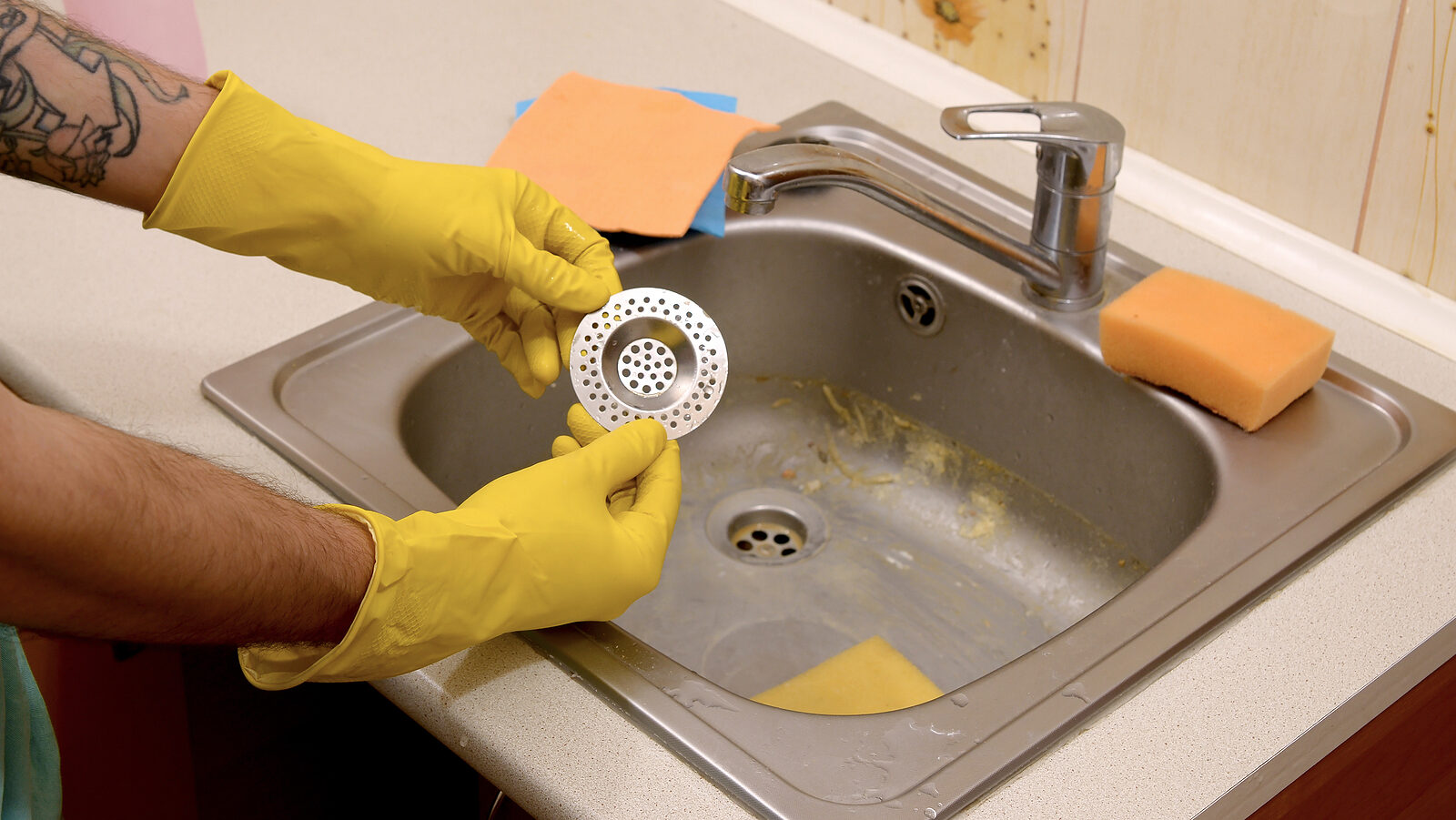
Image Source: blockbusters.co.uk
Deciphering the Source of Sink Smells
Before we tackle the smell, it’s helpful to know where it’s coming from. Typically, a bad smell from sink originates from a few key culprits:
- Food Debris: Small food particles, especially from things like coffee grounds, eggshells, and fibrous vegetables, can get trapped in the drain and garbage disposal. As these particles decompose, they release foul odors.
- Grease and Fat Buildup: Pouring cooking grease, oils, or fatty liquids down the drain might seem convenient, but these substances solidify in your pipes. They create a sticky film that traps food particles and becomes a breeding ground for bacteria, leading to strong smells.
- Slime and Bacteria: Over time, a slimy residue can build up on the inner walls of your pipes. This biofilm is a perfect environment for bacteria and mold to thrive, both of which produce unpleasant odors.
- Trapped Moisture: Stagnant water or moisture that doesn’t drain properly can also contribute to smells, especially if it’s mixed with decaying organic matter.
- Garbage Disposal Issues: If you have a garbage disposal, food waste that isn’t fully ground or flushed can accumulate, causing odors. The blades and chamber can also harbor debris.
- P-Trap Issues: The P-trap, the curved section of pipe under your sink, is designed to hold water. This water creates a seal that prevents sewer gases from rising into your kitchen. If the P-trap is dry or has a blockage, sewer smells can escape.
Simple DIY Solutions for Sink Odor Removal
You don’t always need harsh chemicals to achieve a fresh kitchen sink. Many effective sink cleaning hacks and DIY sink cleaning methods use common household ingredients.
The Baking Soda and Vinegar Powerhouse
This classic combination is a fantastic sink deodorizer and cleaner. The baking soda is abrasive and helps scrub away buildup, while the vinegar’s acidity breaks down grease and kills odor-causing bacteria.
How to Use:
- Pour Baking Soda: Start by pouring about half a cup of baking soda directly down the drain. Make sure to get it as far down the drain opening as possible.
- Add Vinegar: Follow with about one cup of white vinegar. You’ll notice it fizz and bubble immediately. This is the chemical reaction working its magic.
- Let It Sit: Cover the drain opening with a stopper or a wet cloth to keep the fizzing action contained within the pipes. Let this mixture sit for at least 15-30 minutes, or even longer for stubborn odors.
- Flush with Hot Water: After the waiting period, pour a kettle of boiling water down the drain. This will flush away the loosened debris and the vinegar-baking soda residue. Be careful when handling boiling water.
Pro Tip: For an extra boost, you can add a few drops of lemon essential oil to the baking soda before adding the vinegar for a pleasant citrus scent.
Lemon Power: Natural Freshener
Lemons are not only great for adding flavor to your water but also excellent for eliminating sink smell. Their acidic nature helps cut through grease, and their natural citrus oils provide a refreshing aroma.
How to Use:
- Boil Lemon Peels: Take the peels from one or two lemons and boil them in a pot of water for about 5-10 minutes.
- Strain and Pour: Carefully strain the lemon-infused water.
- Flush the Drain: Pour the hot lemon water down the kitchen sink drain. This helps to loosen grease and leave a clean, citrusy scent.
Garbage Disposal Tip: You can also cut lemons into smaller pieces and feed them through your garbage disposal. Run cold water while you do this. This will clean the disposal blades and leave a pleasant lemon smell.
Salt and Ice for Scrubbing
Salt acts as an abrasive, while ice can help harden grease so it can be scraped away more effectively by the salt and disposal blades.
How to Use:
- Add Ice: Fill the sink with a few cups of ice cubes.
- Add Salt: Sprinkle about half a cup of coarse salt (like kosher salt) over the ice.
- Run Disposal: Turn on your garbage disposal with cold water running. The ice and salt will scrub the sides of the disposal chamber, dislodging any stuck-on gunk that might be causing odors.
- Flush: Let the cold water run for another 30 seconds to flush everything away.
Coffee Grounds: A Double-Edged Sword
Used coffee grounds can sometimes help scrub pipes due to their mild abrasive texture. However, if too much is poured down the drain, they can contribute to clogs. Use this method sparingly.
How to Use:
- Pour Grounds: Put a small amount of used coffee grounds down the drain.
- Flush with Water: Follow immediately with plenty of warm water.
Caution: This method is best for light deodorizing and occasional use. It’s not a substitute for regular kitchen drain cleaning if you suspect significant buildup.
Deeper Cleaning Methods for Persistent Odors
If the basic DIY methods don’t fully resolve the issue, you might need to employ slightly more intensive kitchen drain cleaning techniques.
The Boiling Water Flush
Sometimes, the simplest solutions are the most effective. A consistent flush of boiling water can help melt away accumulated grease and flush out minor blockages.
How to Use:
- Boil Water: Fill a kettle or large pot with water and bring it to a rolling boil.
- Pour Slowly: Carefully and slowly pour the entire pot of boiling water down the drain. Do this in sections if necessary.
- Repeat: For stubborn smells, you can repeat this process a few times.
Note: Avoid this method if you have PVC pipes and suspect a major clog, as extreme heat could potentially damage them. However, for regular maintenance and mild buildup, it’s generally safe.
Dish Soap and Hot Water
Dish soap is designed to cut through grease, making it an excellent sink deodorizer.
How to Use:
- Squirt Soap: Squeeze a generous amount of liquid dish soap down the drain.
- Add Hot Water: Follow with a kettle of hot (not necessarily boiling) water.
- Let Sit (Optional): You can let it sit for about 10 minutes to allow the soap to work on grease.
- Flush: Flush with more hot water.
Hydrogen Peroxide for Disinfection
Hydrogen peroxide is a natural disinfectant and deodorizer. It can kill bacteria and break down organic matter that causes smells.
How to Use:
- Pour Peroxide: Pour about half a cup of 3% hydrogen peroxide down the drain.
- Let It Sit: Allow it to sit for at least 15-30 minutes.
- Flush: Flush with cold water.
Important: Never mix hydrogen peroxide with vinegar or bleach, as this can create dangerous fumes.
Tackling Garbage Disposal Odors
A smelly garbage disposal is a frequent source of bad smell from sink. Here’s how to clean and deodorize it:
Ice Cubes and Salt Scrub
As mentioned earlier, ice cubes combined with salt can help scrub the disposal blades and chamber.
Citrus Peel Cleaning
Running citrus peels (lemon, lime, orange) through the disposal is a great way to clean and deodorize.
Ice Cubes and Vinegar
A combination of ice cubes and white vinegar can also work wonders for cleaning your garbage disposal.
How to Use:
- Fill Disposal: Fill the disposal with ice cubes.
- Add Vinegar: Pour about half a cup of white vinegar over the ice.
- Run Disposal: Turn on the disposal with cold water running. The ice helps break up debris, and the vinegar disinfects and deodorizes.
Addressing Drain Unclogging and Smells
Sometimes, the smell is a sign of a partial or full clog. Food and other debris can get trapped, rot, and create an odor. If you suspect a clog is contributing to the smell, you might need to address drain unclogging.
Plunger Power
A good old-fashioned plunger can be surprisingly effective for minor clogs.
How to Use:
- Seal the Overflow: If your sink has an overflow drain, block it with a wet cloth to create a good seal.
- Create Suction: Place the plunger over the drain opening, ensuring it covers the drain completely. Add enough water to the sink to cover the plunger cup.
- Plunge Vigorously: Plunge up and down several times with strong, steady strokes.
- Check and Repeat: Remove the plunger and see if the water drains. Repeat if necessary.
The Drain Snake (Auger)
For more stubborn clogs that a plunger can’t fix, a drain snake can physically dislodge the blockage. This is a key tool for effective kitchen drain cleaning.
How to Use:
- Insert Snake: Feed the end of the drain snake into the drain opening.
- Feed and Turn: Push the snake further into the pipe until you feel resistance. Once you hit the clog, turn the handle to break it up or hook onto it.
- Retrieve Debris: Slowly pull the snake back out, bringing the clog with it.
- Flush: Once the clog is removed, flush the drain with hot water.
Commercial Drain Cleaners (Use with Caution)
While effective, commercial drain cleaners can be harsh. If you choose to use them, follow the instructions precisely and ensure good ventilation.
Considerations:
- Enzyme-Based Cleaners: These are often gentler and work by breaking down organic matter. They are a good option for regular kitchen sink maintenance.
- Chemical Cleaners: These are more potent but can damage pipes if used too often or if left for too long. They also produce strong fumes.
Never mix different types of drain cleaners.
Essential Kitchen Sink Maintenance for a Fresh Sink
Preventing odors is always better than removing them. Regular kitchen sink maintenance will keep your sink smelling fresh and prevent future problems.
Regular Flushing
- Daily Flush: After washing dishes, run hot water down the drain for about 30 seconds to flush away any lingering food particles or grease.
- Weekly Deodorizing: Use one of the DIY methods (baking soda and vinegar, lemon, or boiling water) at least once a week.
What NOT to Put Down the Sink
Being mindful of what goes down your drain is crucial for preventing clogs and smells. Avoid these items:
- Grease, Oil, and Fat: Always dispose of these in a separate container and throw them in the trash.
- Coffee Grounds: While sometimes used for cleaning, they can contribute to clogs if used excessively.
- Eggshells: These can break down into a paste that sticks to pipes.
- Fibrous Vegetables: Celery, corn husks, and similar items can wrap around disposal blades and cause issues.
- Starchy Foods: Rice and pasta can expand and create blockages.
- Bones and Fruit Pits: These are too hard for most disposals and can cause damage.
- Chemicals and Paints: These are environmental hazards and can damage pipes.
Cleaning Your Garbage Disposal
- Regular Use: Use your garbage disposal regularly with plenty of cold water.
- Occasional Cleaning: Follow the cleaning methods mentioned above (ice, vinegar, citrus peels) to keep it clean and odor-free.
Clean the Sink Strainer and Stopper
These items can trap food particles and become quite smelly. Remove them regularly and wash them with hot, soapy water. You can also soak them in a vinegar solution for extra deodorizing.
Wipe Down the Sink Basin
Don’t forget the sink itself! Wipe down the basin and faucet with a disinfectant spray or a paste of baking soda and water to remove any grime or potential odor sources.
Troubleshooting Persistent Smells
If you’ve tried all the above methods and the bad smell from sink persists, it might be time to consider a few other possibilities:
- Vent Pipe Issue: A blockage in your home’s plumbing vent pipe can cause sewer gases to back up into your sink. This is a more complex issue that may require a plumber.
- Dry P-Trap: If your sink is rarely used, the water in the P-trap might evaporate, allowing sewer gases to enter. Run water down the drain for a minute or two to refill the trap.
- Deeper Pipe Blockage: A significant clog further down the line could be the source of the smell. This usually requires professional attention.
- Cracked Pipes: In rare cases, a cracked pipe could be allowing waste to seep into your walls or under your home, causing persistent odors.
Table: Common Sink Smells and Their Solutions
| Smell Type | Likely Cause | Recommended Solution |
|---|---|---|
| Rotting Garbage | Food debris in drain or disposal | Baking soda & vinegar flush, ice & salt for disposal, avoid putting food scraps down drain. |
| Sour/Acidic | Grease and slime buildup | Dish soap & hot water flush, boiling water flush, enzyme-based drain cleaner. |
| Musty/Moldy | Stagnant water, moisture, or mildew | Thorough drain cleaning with vinegar or hydrogen peroxide, ensure proper drainage, check for leaks under sink. |
| Sewer Gas | Dry P-trap, vent pipe issue, or deeper clog | Run water down infrequently used sinks, check P-trap seal, consider professional help for vent/pipe issues. |
| Chemical Odor | Improperly disposed chemicals, harsh cleaners | Flush thoroughly with water, ensure ventilation, use eco-friendly cleaning products. |
Frequently Asked Questions (FAQ)
Q1: How often should I clean my kitchen sink drain to prevent smells?
A1: For optimal kitchen sink maintenance and to prevent a bad smell from sink, aim to perform a basic deodorizing treatment (like baking soda and vinegar) at least once a week. Regular flushing with hot water after use also helps.
Q2: Can I pour bleach down my kitchen sink to get rid of smells?
A2: While bleach can kill bacteria, it’s generally not recommended for regular sink odor removal. It can be harsh on pipes, especially older ones, and can react dangerously with other cleaning products. Plus, it doesn’t always effectively break down grease and food buildup. Natural methods are usually safer and more effective for long-term kitchen drain cleaning.
Q3: My garbage disposal smells terrible. What’s the best way to clean it?
A3: The best ways to clean a smelly garbage disposal involve using ice cubes with either salt or vinegar, or running citrus peels through it. These methods help scrub the blades and deodorize the unit. Avoid putting fibrous materials or large food scraps down it.
Q4: What if none of these DIY methods work?
A4: If you’ve tried several DIY sink cleaning methods and the smell persists, it’s likely a sign of a more significant issue, such as a partial clog, a problem with the P-trap, or even a vent pipe issue. In such cases, it’s best to call a professional plumber for thorough drain unclogging and diagnosis.
Q5: Are there specific foods that cause more sink smells than others?
A5: Yes, foods that are greasy, oily, or fibrous tend to cause more odors. This includes things like coffee grounds, eggshells, fruit peels, vegetable scraps (especially fibrous ones like celery), and any fatty residues from cooking.
By implementing these strategies for sink odor removal, kitchen drain cleaning, and diligent kitchen sink maintenance, you can confidently banish that bad smell from sink and enjoy a perpetually fresh kitchen sink. Remember, a little regular effort goes a long way in keeping your kitchen a pleasant place to be!