
Can you hide kitchen outlets? Yes, you absolutely can hide kitchen outlets to create a much cleaner and more aesthetically pleasing kitchen design. This is a common goal for homeowners looking to achieve a seamless and modern look, and there are numerous effective methods to achieve it.
A kitchen is often the heart of the home, a place for gathering, cooking, and creating memories. However, visible electrical outlets can often detract from the overall aesthetic, breaking up clean lines and surfaces. If you’re aiming for a sleek, minimalist kitchen or simply want to conceal electrical outlets for a more polished appearance, you’re in the right place. This in-depth guide will explore various hidden outlet solutions, outlet camouflage techniques, and kitchen outlet ideas to help you disguise kitchen outlets effectively.
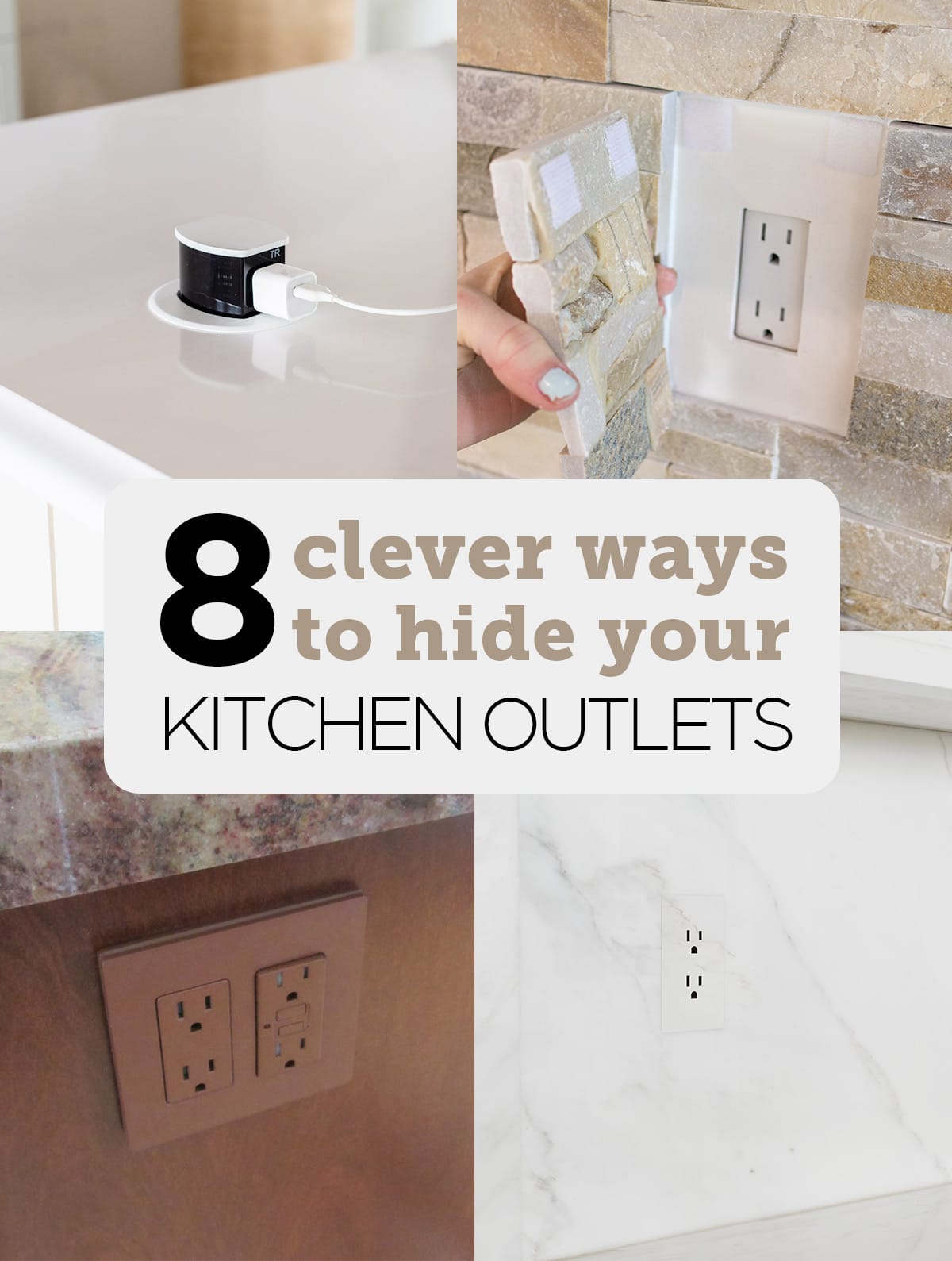
Image Source: www.jennasuedesign.com
The Impact of Visible Outlets on Kitchen Design
Visible outlets can be a persistent design challenge. They interrupt the visual flow of your countertops, backsplash, and cabinetry. Think about a beautifully tiled backsplash – a standard white or beige outlet can immediately break that visual continuity. This is where the desire for electrical outlet renovation comes into play, not necessarily to change the wiring, but to integrate the outlets more harmoniously.
Why Concealing Outlets Matters
- Aesthetics: The primary reason is to achieve a cleaner, more streamlined look. Exposed outlets can feel cluttered and detract from your carefully chosen design elements.
- Functionality: In some cases, strategically placed outlets can be less functional if they are constantly in the way or unsightly.
- Modern Appeal: Many modern and minimalist kitchen designs prioritize clean lines and hidden features, and outlets are a key part of this.
Strategies for Hiding Kitchen Outlets
There are several approaches to conceal electrical outlets, ranging from simple cosmetic changes to more involved installation modifications. The best approach for you will depend on your budget, your DIY comfort level, and the existing layout of your kitchen.
1. Recessed Outlets
Recessed outlets, also known as pop-up or retractable outlets, are a popular and effective solution. These outlets are installed directly into your countertop or cabinetry, allowing them to disappear when not in use.
Types of Recessed Outlets
- Pop-Up Outlets: These are typically installed horizontally in countertops or vertically in cabinet sides. With a gentle push, they “pop up” to reveal the outlets and then retract flush with the surface.
- Pros: Very discreet, easy to access when needed, modern look.
- Cons: Requires cutting into countertops or cabinets, can be more expensive than standard outlets, some designs may require specific clearance.
- Under-Cabinet Outlets: These are mounted directly underneath upper cabinets, keeping them out of sight from eye level. They can be particularly effective for task lighting or small appliance charging.
- Pros: Excellent for keeping countertops clear, easy to install on the underside of cabinets.
- Cons: Might require a qualified electrician depending on placement and wiring, can still be visible if you look up.
Installation Considerations for Recessed Outlets
- Countertop Placement: When installing in countertops, consider the material (granite, quartz, laminate) and whether it can be cut precisely. This often requires specialized tools or professional installation.
- Cabinet Placement: Installing in cabinet sides or undersides is often simpler but ensures adequate depth for the outlet housing.
- Water Resistance: For countertop installations, choose models specifically designed to be water-resistant to prevent damage from spills.
2. Outlet Covers and Plates: The Camouflage Approach
Sometimes, the simplest solutions are the most effective for outlet camouflage. Changing out standard outlet plates for more decorative or matching ones can make a significant difference.
Matching Outlet Plates
- Paintable Outlet Plates: These plates are designed to be painted the same color as your wall, allowing them to blend in seamlessly.
- Pros: Very inexpensive, easy to install, effective for wall outlets.
- Cons: Requires careful painting to match wall color perfectly, may not work as well on textured walls.
- Outlet Plates in Custom Finishes: You can find outlet plates in various materials and finishes like brushed nickel, stainless steel, black, or even wood grain. Choose a finish that complements your cabinetry or backsplash.
- Pros: Adds a touch of style, can coordinate with hardware.
- Cons: Can still be visible, cost varies by material.
Decorative Outlet Covers
For a more artistic approach to outlet camouflage, consider decorative outlet covers. These can feature patterns, textures, or even mimic the look of tile or stone.
- Pros: Can add a unique design element, truly disguise the outlet’s function.
- Cons: May be more expensive, quality varies, ensure they meet electrical safety standards.
3. Specialty Outlet Solutions
Beyond standard and recessed types, there are innovative outlet alternatives and specialized products designed for discreet integration.
Smart Outlet Covers
Smart outlet covers are a relatively new innovation. These are often designed to be flush-mounted and can integrate smart home technology, but their primary benefit for this discussion is their often sleeker, more modern design that can be less obtrusive than traditional outlets. Some even have integrated LED lighting or customizable faceplates.
- Pros: Modern aesthetic, potential for smart home integration.
- Cons: Can be more expensive, availability of designs that truly “hide” outlets might be limited.
Outlet Strips with Integrated Features
Consider using outlet strips that offer more than just power. Some strips have integrated USB ports, LED lighting, or can be mounted under cabinets or along the backsplashes.
- Pros: Consolidates multiple power needs, can be mounted discreetly.
- Cons: Still a visible strip, though often less obtrusive than individual outlets.
4. Strategic Placement and Integration
Sometimes, the best way to hide an outlet is to place it where it’s least likely to be seen or to integrate it into existing features.
Behind Appliances or Fixtures
- Behind a Toaster or Coffee Maker: If you have a dedicated spot for certain appliances, you can install an outlet slightly behind them.
- Inside Cabinets: For appliances that are used frequently but don’t need to stay out, consider installing outlets inside a cabinet. This is perfect for charging stations for phones or tablets.
- Pros: Completely hidden, keeps countertops clear.
- Cons: Requires planning during cabinet installation or modification, can limit appliance use if the cord isn’t long enough.
- Underneath Overhangs: If you have a kitchen island with an overhang, outlets can be installed on the side facing away from the main seating area, or even underneath the overhang itself.
Using Backsplash Features
- Integrated Outlet Towers: These are vertical towers that rise from the countertop, providing multiple outlets. When not in use, they retract flush with the countertop.
- Pros: Highly functional, modern, can be hidden easily.
- Cons: Requires countertop cutting, can be a significant investment.
- Tile-Matched Outlets: Some companies offer outlet plates that can be fitted with your actual backsplash tile, creating an almost invisible look.
- Pros: Ultimate camouflage for backsplash outlets.
- Cons: Can be expensive, requires custom work.
5. Electrical Outlet Renovation: Beyond Cosmetic Changes
While not always necessary, a full electrical outlet renovation can offer the most integrated solutions. This might involve moving outlets to less visible locations or installing specialized power solutions.
Moving Outlet Locations
During a kitchen remodel, you have the perfect opportunity to relocate outlets to more strategic positions. This could mean moving them higher on the wall, further down the backsplash, or into a more discreet nook.
Hardwiring Appliances
For certain appliances like microwaves or dishwashers, hardwiring eliminates the need for a visible plug and outlet.
- Pros: Completely eliminates visible cords and outlets for those specific appliances.
- Cons: Requires professional installation, makes appliance replacement more complex.
Choosing the Right Solution: Factors to Consider
When deciding how to disguise kitchen outlets, several factors should guide your decision.
Budget
- Low Budget: Paintable outlet plates, decorative outlet covers, or strategically placing outlets behind existing appliances are good options.
- Mid-Range Budget: Recessed pop-up outlets, under-cabinet outlets, or outlet strips offer a good balance of cost and effect.
- High Budget: Custom tile-matched plates, integrated outlet towers, or a full electrical renovation for relocation are the most effective but also the most expensive.
DIY vs. Professional Installation
- DIY Friendly: Replacing outlet plates, mounting under-cabinet outlet strips, or placing outlets behind furniture are generally DIY-friendly tasks.
- Professional Needed: Cutting into countertops or cabinets for recessed outlets, hardwiring appliances, or relocating outlet boxes typically requires a qualified electrician to ensure safety and code compliance.
Kitchen Style and Material
- Modern/Minimalist: Recessed outlets, clean-lined smart outlets, or paintable plates are ideal.
- Traditional/Farmhouse: Wood-grained plates or outlets placed within decorative wall panels might suit the style.
- Backsplash Material: Consider how outlets will interact with your chosen backsplash. For intricate tile work, flush-mount or tile-matched solutions are best.
Functionality and Accessibility
- Frequency of Use: If an outlet is used daily for a small appliance, it needs to be accessible. Retractable or under-cabinet options work well here. If it’s for occasional use (e.g., a vacuum cleaner), it can be more hidden.
- Safety: Always ensure that any solution you choose meets current electrical codes and safety standards, especially in areas prone to moisture.
Specific Kitchen Outlet Ideas and Examples
Let’s look at some concrete examples to inspire your kitchen makeover.
1. The Seamless Backsplash
Imagine a stunning mosaic tile backsplash. Instead of breaking it up with standard outlets, opt for:
- Tile-In Outlet Boxes: These allow an outlet plate to be fitted with a piece of your actual backsplash tile.
- Flush-Mount Outlets: High-quality flush-mount outlet plates in a color that mimics the grout or a subtle metallic finish can also work well.
2. The Clutter-Free Countertop
For a pristine countertop appearance, consider:
- Countertop Pop-Up Outlets: These are a game-changer. Install them in a neat row along the back edge of your countertop or grouped near appliance locations.
- Under-Cabinet Power Strips: Mount a sleek power strip with USB ports under your upper cabinets. This keeps essential charging and appliance power accessible but hidden from direct view.
3. The Island Upgrade
Kitchen islands are prime real estate for outlets, but their visibility can be a concern:
- On the Side Panels: Install outlets on the side panels of the island, especially on the side that faces away from the main traffic flow.
- Pop-Up Outlets on the Surface: For islands with a thick countertop, pop-up outlets can be integrated into the surface itself, offering convenient access right where you need it.
4. Cabinetry Integration
Make outlets disappear within your cabinetry:
- Appliance Garage Outlets: Install outlets inside a dedicated appliance garage. This is perfect for keeping mixers, toasters, or coffee makers plugged in but out of sight.
- Drawer Outlets: For charging stations, consider outlets installed inside a shallow drawer, keeping cords tidy and hidden.
Tables for Quick Reference
Here’s a quick look at different hiding methods and their typical pros and cons:
| Method | Description | Pros | Cons |
|---|---|---|---|
| Recessed Pop-Up Outlets | Outlets that emerge from a flush mount on the counter or cabinet. | Very discreet, modern, good accessibility when needed. | Requires cutting, can be expensive, potential water ingress concerns. |
| Under-Cabinet Outlets | Mounted on the underside of upper cabinets. | Keeps countertops clear, good for task lighting. | Can be visible from certain angles, may need professional install. |
| Paintable Outlet Plates | Standard plates that can be painted to match the wall. | Inexpensive, easy DIY, blends well with walls. | Painting needs to be precise, may not work on textured surfaces. |
| Custom Finish Plates | Plates in various materials (metal, wood) to match decor. | Enhances aesthetics, coordinates with hardware. | Still visible, cost varies by material. |
| Tile-In Outlet Plates | Outlet plates designed to accept a piece of your backsplash tile. | Ultimate camouflage on tiled backsplashes. | Expensive, requires custom work, can be tricky to install yourself. |
| Inside Cabinets | Outlets installed within cabinets, often for appliances or charging stations. | Completely hidden, reduces counter clutter. | Limits appliance mobility, requires planning, may need electrician. |
| Hardwiring | Directly connecting appliances to the electrical system. | Eliminates visible cords and outlets for specific appliances. | Professional install required, complicates appliance replacement. |
| Outlet Towers | Vertical units that rise from the countertop to provide power. | Modern, multiple outlets, retracts for a clean look. | Significant countertop cutting, higher cost. |
Frequently Asked Questions (FAQ)
Q1: Is it safe to hide kitchen outlets?
A1: Yes, it is safe to hide kitchen outlets as long as the solutions used comply with electrical codes and safety standards. Ensure that any hidden outlets are still accessible for maintenance and that ventilation is adequate if they are enclosed within cabinetry. Always use products designed for the intended purpose and consult a qualified electrician if you have any doubts.
Q2: Can I install outlets inside a cabinet myself?
A2: If you are comfortable with basic electrical work and are extending from an existing, accessible outlet, you might be able to do it yourself. However, for any new wiring runs or if you are unsure, it is always best to hire a licensed electrician to ensure the installation is safe and up to code.
Q3: How do I choose the right color for paintable outlet plates?
A3: The best approach is to use a high-quality paint that matches your wall color. If your walls are a flat or matte finish, use a matching flat or matte paint for the plate. For slightly glossy finishes, consider a satin or eggshell paint. It’s often helpful to buy a small sample of your wall paint to test on the plate before painting the entire thing.
Q4: What is the most cost-effective way to hide kitchen outlets?
A4: The most cost-effective method is usually to use paintable outlet plates that blend with your wall color. If you have a tiled backsplash, using outlet plates that match your grout color can also be a relatively inexpensive way to make them less noticeable.
Q5: Are there outlets designed specifically for kitchen islands?
A5: Yes, many manufacturers offer outlets designed for kitchen islands. These include pop-up outlets that install into the countertop, under-mount outlets that attach to the underside of an overhang, and specialized power strips that can be integrated into the island’s cabinetry or kickplate.
Conclusion: Achieving Your Dream Kitchen Look
Hiding kitchen outlets is a achievable goal that can significantly elevate the aesthetic of your kitchen. Whether you opt for subtle cosmetic changes with new outlet plates, invest in clever hidden outlet solutions like pop-up units, or plan for a more extensive electrical outlet renovation, there’s a method to suit every style and budget. By carefully considering your kitchen’s layout, materials, and your personal preferences, you can successfully disguise kitchen outlets and create a cleaner, more visually appealing space that you’ll love spending time in. Remember, the key is to balance aesthetics with functionality and safety, ensuring your beautiful new kitchen is also a safe and practical one.