
Can you install a Delta kitchen faucet yourself? Yes, you absolutely can! With a few basic tools and this easy-to-follow guide, tackling a Delta kitchen faucet installation can be a straightforward DIY project. This guide will walk you through the entire process of how to replace kitchen faucet Delta models, from preparing your workspace to attaching kitchen faucet components and ensuring a watertight seal. Whether you’re upgrading to a new kitchen faucet installation or simply need to DIY kitchen faucet replacement, we’ve got you covered.
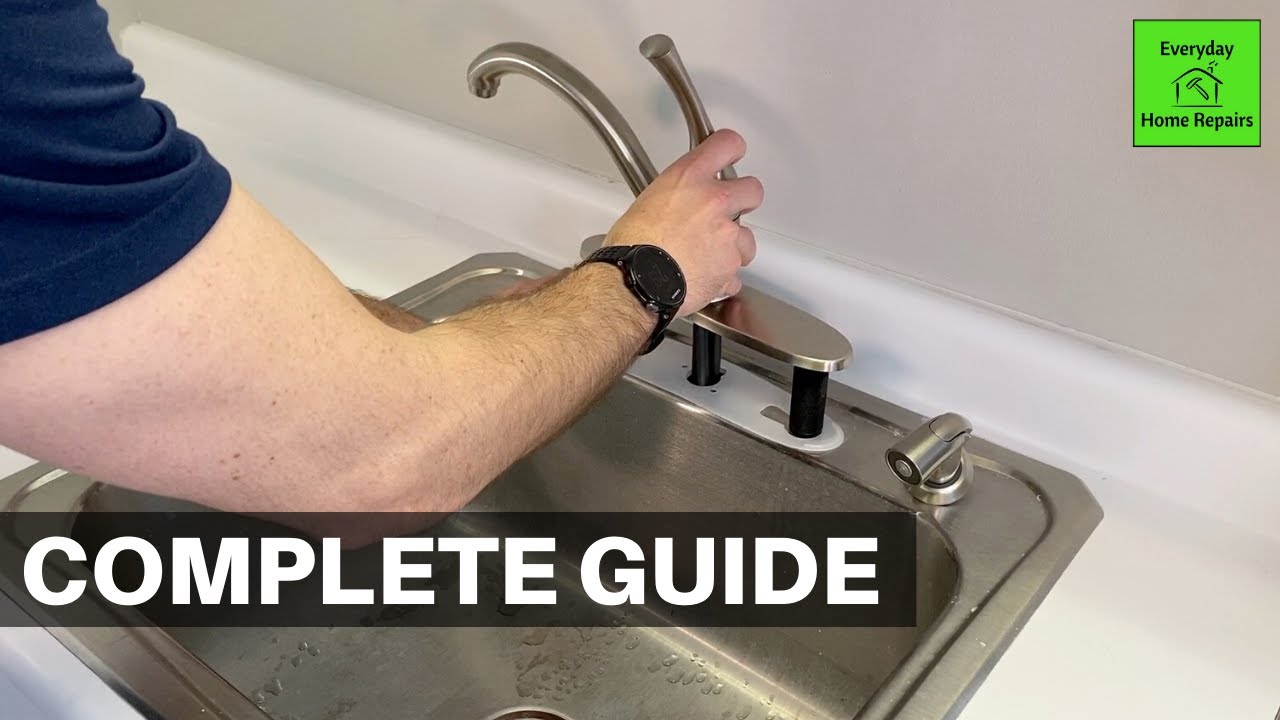
Image Source: i.ytimg.com
Gathering Your Supplies: What You’ll Need
Before you start turning wrenches, ensure you have all the necessary tools and materials for your Delta kitchen faucet installation. Having everything ready will make the job much smoother and faster.
Essential Tools for Faucet Replacement
Here’s a list of tools that will be invaluable when you replace kitchen faucet Delta units:
- Adjustable Wrench (or two): These are crucial for loosening and tightening nuts and fittings. Having two can be helpful for holding one part steady while turning another.
- Basin Wrench: This specialized tool is a lifesaver for reaching those awkward nuts located behind the sink basin, often making the difference between a simple job and a frustrating one.
- Screwdriver Set: You’ll likely need both Phillips and flathead screwdrivers for various parts of the installation.
- Plumber’s Putty or Silicone Sealant: This creates a watertight seal between the faucet base and the sink. Most Delta faucets come with a gasket, but extra sealant can provide added security.
- Bucket or Towels: To catch any residual water in the pipes and to protect your cabinet floor.
- Safety Glasses: Protect your eyes from debris or dripping water.
- Flashlight or Headlamp: The area under the sink is often dark and cramped.
- Penetrating Oil (Optional): For stubborn, old fittings that might be difficult to loosen.
- Utility Knife or Putty Knife: To scrape away old sealant or putty.
- Thread Seal Tape (Teflon Tape): For sealing threaded pipe connections, though many modern fittings have rubber gaskets that don’t require it.
Materials for Your New Delta Faucet
Your new Delta faucet will come with most of the necessary parts, but it’s good to be aware of them:
- New Delta Kitchen Faucet: Make sure you have the correct model for your sink.
- Supply Lines: These flexible hoses connect your faucet to the hot and cold water shut-off valves. While some faucets come with them, it’s often a good idea to replace old ones, especially if they’re stiff or worn.
- Mounting Hardware: This typically includes nuts, washers, and a mounting bracket that come with your new faucet. These are key for mounting kitchen faucet securely.
Preparing Your Workspace: Setting the Stage for Success
Proper preparation is key to a stress-free DIY kitchen faucet replacement. Take a few moments to get your workspace ready.
Step 1: Shutting Off the Water Supply
This is the most critical first step in any plumbing kitchen faucet job.
- Locate the hot and cold water shut-off valves. These are usually found under the sink, coming out of the wall. They typically have a small handle or knob.
- Turn both handles clockwise until they are fully closed.
- Open your old faucet (both hot and cold) to relieve any remaining water pressure in the lines and to confirm the water is indeed shut off. Let the water drain completely.
Step 2: Clearing the Area Under the Sink
Make your workspace accessible and protected.
- Remove everything from the cabinet under the sink. This will give you plenty of room to work.
- Place a bucket or several towels on the cabinet floor to catch any drips or spills.
Step 3: Disconnecting the Old Faucet
Now it’s time to remove the old fixture.
- Disconnect Supply Lines: Using your adjustable wrench, carefully loosen the nuts connecting the flexible supply lines to the shut-off valves. Have your bucket or towels ready to catch any remaining water.
- Disconnect Sprayer Hose (if applicable): If your old faucet has a side sprayer, locate where its hose connects under the sink and disconnect it.
- Loosen Mounting Hardware: The faucet is typically held in place by large nuts or a mounting bracket on the underside of the sink. This is where your basin wrench will be a lifesaver. Reach up and loosen these nuts. They can sometimes be corroded or difficult to turn. If they’re stuck, a little penetrating oil can help.
- Remove the Old Faucet: Once all connections are undone and the mounting hardware is removed, gently pull the old faucet up and out from the top of the sink. You might need to wiggle it a bit if old putty is still holding it.
Step 4: Cleaning the Sink Surface
A clean surface ensures a good seal for your new faucet.
- Use a utility knife or putty knife to carefully scrape away any old plumber’s putty or sealant from around the faucet holes on the sink deck.
- Wipe down the area with a damp cloth to remove any dust or debris.
Installing Your New Delta Kitchen Faucet: Step-by-Step
With the old faucet out and the area prepped, you’re ready for the new kitchen faucet installation. Here’s how to install kitchen sink faucet components, specifically focusing on Delta models.
Step 1: Prepare the New Faucet
Most Delta faucets have a gasket or require plumber’s putty/sealant applied to the base.
- Check for a Gasket: Many newer Delta faucets come with a pre-attached rubber or foam gasket on the bottom. If yours has one, you likely won’t need additional putty.
- Apply Plumber’s Putty or Sealant: If your faucet doesn’t have a gasket, or if you want extra security, roll a rope of plumber’s putty (about 1/2 inch thick) and press it around the underside of the faucet base. Alternatively, apply a thin bead of silicone sealant.
Step 2: Position the Faucet
Carefully place the new faucet into the holes on your sink.
- Feed the faucet’s hoses and mounting posts through the corresponding holes in the sink deck.
- Ensure the faucet is aligned correctly and sits flush against the sink surface.
Step 3: Secure the Faucet from Below
This is where the mounting kitchen faucet hardware comes into play.
- From under the sink, slide any included washers or mounting plates onto the faucet’s threaded posts.
- Thread the mounting nuts onto the posts. Hand-tighten them first.
- Using your basin wrench or adjustable wrench, tighten the mounting nuts. Be firm, but don’t overtighten, as this could damage the sink or faucet. The goal is to make the faucet stable and prevent it from wobbling.
- Check the faucet’s position from the top again to ensure it hasn’t shifted while tightening.
Step 4: Connect the Supply Lines
This step is critical for connect water lines kitchen faucet properly.
- Attach Supply Lines to Faucet: If your faucet didn’t come with pre-attached supply lines, connect them now to the hot and cold water inlets on the faucet body. Hand-tighten, then give them a quarter-turn with an adjustable wrench.
- Connect Supply Lines to Shut-Off Valves: Align the supply lines with the correct shut-off valves (hot to hot, cold to cold).
- If using flexible supply lines with rubber gaskets, hand-tighten the nuts first. Then, use an adjustable wrench to tighten them a further half to three-quarters of a turn.
- If using older metal pipes, you might want to apply thread seal tape to the valve threads before attaching the supply line.
- Attach Sprayer Hose (if applicable): If your new faucet has a sprayer, connect its hose to the designated outlet on the faucet body, usually following the manufacturer’s instructions.
Step 5: Testing for Leaks
This is a crucial step before you can fully enjoy your new kitchen faucet installation.
- Double-check that all connections are snug.
- Slowly turn on the cold water shut-off valve.
- Inspect all connections under the sink for any signs of dripping.
- Slowly turn on the hot water shut-off valve.
- Again, check all connections for leaks.
- Turn on the new faucet at the sink (both hot and cold) and let the water run for a minute to flush out any air or debris.
- While the water is running, carefully check all the supply line connections at both the shut-off valves and the faucet for any leaks. Also, check the base of the faucet on the sink.
- If you find any drips, gently tighten the offending connection a little more.
Step 6: Final Touches and Cleanup
- Wipe Down: Wipe down the new faucet and the surrounding sink area with a clean cloth.
- Test Faucet Functionality: Test all functions of your new faucet, including the sprayer (if applicable), to ensure they work correctly.
- Restore Cabinet: Put all your items back under the sink.
Troubleshooting Common Issues During Installation
Even with careful planning, you might encounter a few hiccups. Here are some common problems and how to fix them during your Delta kitchen faucet installation.
Leaky Connections
- Cause: Connections not tightened enough, or overtightened and damaged.
- Solution: Gently tighten the connection another quarter turn. If it still leaks, shut off the water, disconnect the line, check the rubber gasket for damage or debris, clean it, and reattach, ensuring it’s seated correctly. If the gasket is damaged, you may need a new supply line.
Wobbly Faucet
- Cause: Mounting nuts are not tight enough.
- Solution: Go back under the sink and tighten the mounting nuts using your basin wrench or adjustable wrench until the faucet feels secure.
Water Flow Issues
- Cause: Air in the lines, debris in the aerator, or partially closed shut-off valves.
- Solution: Let the water run for a few minutes to clear air. Unscrew the aerator at the tip of the faucet and rinse it clean. Ensure shut-off valves are fully open.
Difficulty Reaching Nuts
- Cause: Limited space under the sink.
- Solution: This is where a basin wrench is invaluable. Practice using it before you start. Sometimes, temporarily repositioning the bucket or leaning in at a different angle can provide the necessary access.
Frequently Asked Questions (FAQ)
Here are some common questions people have when they install kitchen sink faucet units, particularly Delta models.
Q1: How tight should I make the supply line connections?
A1: For flexible supply lines with rubber gaskets, hand-tighten them first. Then, use an adjustable wrench to tighten them another half to three-quarters of a turn. Avoid overtightening, as this can strip threads or damage the gasket, leading to leaks.
Q2: Do I really need plumber’s putty or silicone sealant?
A2: Most modern Delta faucets come with a pre-attached gasket that provides a watertight seal. However, if your faucet doesn’t have one, or if you want extra assurance against leaks, applying plumber’s putty or silicone sealant around the base is recommended. Always follow the manufacturer’s specific instructions.
Q3: My old faucet was really stuck. What can I do?
A3: If nuts or fittings are corroded and difficult to loosen, apply a penetrating oil (like WD-40) and let it sit for 15-30 minutes. Then, try again with your wrench. Ensure you’re using the correct tool (like a basin wrench for hard-to-reach nuts) and applying steady pressure.
Q4: How do I know which supply line connects to which shut-off valve?
A4: Typically, the hot water shut-off valve is on the left, and the cold water shut-off valve is on the right when looking at them from the front. Your new faucet will have corresponding inlets for hot and cold. Connect the supply line from the faucet’s hot inlet to the hot shut-off valve, and the cold inlet to the cold shut-off valve.
Q5: What if my new faucet doesn’t look exactly like the old one?
A5: Delta offers a wide variety of styles. As long as you purchased a kitchen faucet designed for a standard sink hole configuration (usually one, two, three, or four holes), the mounting kitchen faucet process should be similar. The kitchen faucet hardware may differ slightly in design, but the fundamental steps of connecting water lines and securing the fixture remain the same.
Maintenance Tips for Your Delta Kitchen Faucet
Once your Delta kitchen faucet installation is complete and working perfectly, a little regular maintenance can keep it looking and functioning great for years to come.
Cleaning the Aerator
The aerator is the small screen at the tip of the faucet spout that controls water flow and aeration.
- Frequency: Every 6-12 months, or if you notice reduced water pressure.
- How-to: Unscrew the aerator from the spout (you might need a small wrench, but often it can be done by hand). Rinse it under running water to remove sediment. For tougher buildup, soak it in a bowl of white vinegar for an hour or two before rinsing. Screw it back on securely.
Checking for Leaks
Regularly glance under the sink to ensure no new drips have appeared.
- Frequency: Monthly.
- How-to: Simply look at the connections to the shut-off valves and the faucet body. If you see any moisture, address it promptly by tightening the connection or checking the gasket.
Keeping the Finish Clean
Different Delta finishes require slightly different care.
- General Cleaning: Use a soft, damp cloth with mild soap.
- Avoid Harsh Chemicals: Never use abrasive cleaners, scouring pads, or harsh chemicals, as they can damage the finish. Always check the manufacturer’s specific care instructions for your faucet’s finish.
By following these steps, you can confidently tackle the DIY kitchen faucet replacement and enjoy your beautiful, functional new Delta kitchen faucet. Happy plumbing!