
What is the best way to measure a kitchen sink? The best way to measure a kitchen sink is to use a flexible tape measure and take readings for length, width, and basin depth. Always measure from the inside edges for the most accurate fit.
When you’re looking to upgrade your kitchen or replace an old sink, precise measurements are absolutely critical. Measuring for a new sink isn’t just about picking a style you like; it’s about ensuring it will fit perfectly into your existing countertop and cabinet space. Incorrect measurements can lead to costly mistakes, frustrating installation delays, and a less-than-ideal kitchen workflow. This comprehensive guide will walk you through every step, ensuring you get the right kitchen sink dimensions the first time.
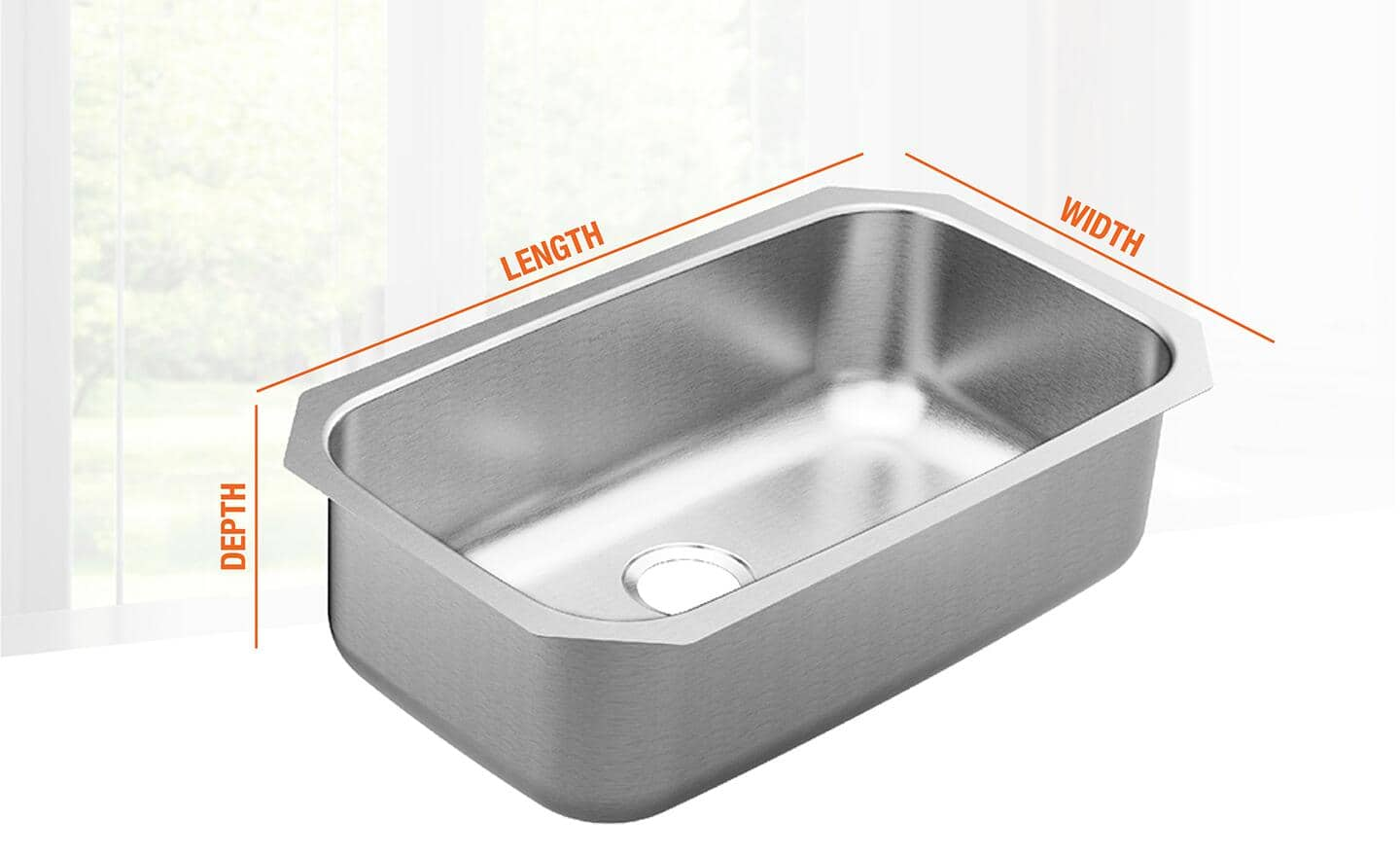
Image Source: dam.thdstatic.com
Why Accurate Measurements Matter
Before we dive into the ‘how,’ let’s quickly touch on the ‘why.’ Why is this process so important?
- Seamless Installation: The most obvious reason is to ensure the new sink fits into the existing countertop cutout. Too big, and it won’t fit at all. Too small, and you’ll have unsightly gaps or need to modify your countertop, which is an expensive undertaking.
- Cabinet Compatibility: Sinks are designed to fit within specific cabinet sizes. Knowing your sink’s dimensions helps you choose one that will sit properly within your cabinet base.
- Aesthetic Harmony: Even if the sink technically fits, if the sink size guide doesn’t align with your cabinet and countertop proportions, the visual appeal of your kitchen can be compromised.
- Functional Efficiency: The depth and width of a sink basin directly impact its usability. Measuring these accurately helps you select a sink that meets your daily cooking and cleaning needs.
Essential Tools for Measuring
You don’t need a professional toolkit, but a few key items will make this process much easier and more accurate:
- Flexible Tape Measure: A standard metal tape measure is fine, but a flexible tailor’s tape measure can be particularly useful for measuring the overall sink width measurement and length around curves if necessary.
- Pen and Paper or Digital Device: To record your measurements diligently.
- Helper (Optional but Recommended): Especially when measuring a sink that is already installed, an extra pair of hands can make it easier to hold the tape measure steady and get accurate readings.
Fathoming Your Existing Sink: Measuring a Sink Already Installed
If you’re replacing an existing sink, this is often the most straightforward scenario. You’ll be measuring the current sink’s footprint and its internal basin dimensions.
Step 1: Measure the Overall Sink Footprint
This measurement tells you the size of the hole already cut in your countertop. This is arguably the most crucial measurement for ensuring your new sink will fit without countertop modifications.
-
For Drop-In Sinks:
- Sink Length Measurement (Overall): Measure the longest side of the sink from edge to edge.
- Sink Width Measurement (Overall): Measure the shortest side of the sink from edge to edge.
- How to Measure the Countertop Sink Cutout: This is the most important part for a drop-in sink. Carefully lift the lip of the sink slightly if possible, or measure directly over the rim. You want to measure the dimensions of the hole in the countertop. Measure from the very edge of the cutout on one side to the very edge of the cutout on the opposite side. Do this for both length and width. This measurement dictates the maximum size your new sink can be to fit into the existing hole.
-
For Under-Mount Sinks:
- Countertop Sink Cutout Measurement: This is the primary measurement for an under-mount sink. Look underneath your countertop, where the sink is attached. You’ll see the cutout in the countertop material.
- Measure the length of the cutout from one edge to the other.
- Measure the width of the cutout from one edge to the other.
- Under-Mount Sink Measurement Considerations: For under-mount sinks, the sink itself will extend slightly beyond the cutout for mounting purposes. Therefore, you need to ensure the new sink’s overall dimensions are slightly larger than the cutout to allow for proper mounting. Always check the manufacturer’s specifications for the required clearance around the cutout.
- Countertop Sink Cutout Measurement: This is the primary measurement for an under-mount sink. Look underneath your countertop, where the sink is attached. You’ll see the cutout in the countertop material.
Step 2: Measure the Sink Basin Dimensions
Once you have the overall footprint or cutout size, you’ll want to measure the internal dimensions of the sink basins. This is important for understanding the actual usable space.
- Sink Width Measurement (Internal): Measure the width of each sink basin from the inside wall to the inside wall. If you have a double-basin sink, measure each one separately.
- Sink Length Measurement (Internal): Measure the length of each sink basin from the inside wall to the inside wall. Again, measure each basin individually.
- Sink Basin Depth: This is the vertical measurement from the bottom of the sink basin to the rim.
- Place your tape measure on the bottom of the basin.
- Extend it upwards to the point where the sink meets the countertop. This gives you the sink basin depth.
- Be aware that some sinks have a slight slope towards the drain, so take your measurement at the deepest point.
Step 3: Consider the Cabinet Size
The sink needs to fit within the cabinet space below it.
- Cabinet Width Measurement: Open the cabinet doors directly beneath your sink. Measure the width of the cabinet opening from the inside wall to the inside wall.
- Cabinet Depth Measurement: Measure the depth of the cabinet from the front face of the cabinet to the back wall.
A general rule of thumb is that the sink’s overall width should be about 3 inches less than the cabinet’s width to allow for mounting clips and easy installation. For example, a standard kitchen sink size of 33 inches often fits into a 36-inch base cabinet.
Fathoming Your New Sink: Measuring for a New Sink Installation
If you’re starting from scratch or have a completely new countertop, you’ll need to measure your cabinet space to determine what size sink will fit.
Step 1: Measure Your Cabinet Space
This is your starting point.
- Cabinet Width: Measure the width of the cabinet opening where the sink will be installed, from one inside wall to the other. This is the most crucial measurement for sink compatibility.
- Cabinet Depth: Measure the depth of the cabinet from the front edge to the back. This ensures the sink won’t be too deep for your cabinet’s structure.
- Cabinet Height/Clearance: While less common for sink fitment, ensure there’s enough clearance above the cabinet for the sink’s rim (for drop-in) or for plumbing and mounting hardware (for under-mount).
Step 2: Determine the Countertop Sink Cutout Size
Once you know your cabinet dimensions, you can determine the appropriate countertop sink cutout.
- For Drop-In Sinks: The cutout size will be slightly smaller than the sink’s overall dimensions. Manufacturers will provide recommended cutout sizes for their sinks. You’ll need to cut this hole in your countertop.
- For Under-Mount Sinks: The cutout size is critical. The cutout in the countertop will be slightly smaller than the sink’s overall dimensions to allow for the mounting flange. Again, refer to the manufacturer’s specifications for the exact cutout dimensions needed for the specific sink you’ve chosen.
Deciphering Different Sink Mounting Types
The measurement approach can vary slightly depending on how the sink is mounted.
Drop-In Sink Measurement (Top-Mount Sink Measurement)
Drop-in sinks, also known as top-mount or self-rimming sinks, are the most common type. They are designed to sit on top of the countertop, with a rim that rests on the counter surface.
- Key Measurements:
- Countertop Cutout Dimensions: As mentioned, this is paramount. Measure the existing hole if replacing, or plan your cutout based on the sink’s specifications if installing a new countertop.
- Sink Overall Dimensions: The length and width of the sink’s outer edges. This should be larger than the countertop cutout to rest on the rim.
- Sink Basin Dimensions: Internal length, width, and depth for usability.
- Cabinet Width: Ensure the sink fits within the cabinet base.
Under-Mount Sink Measurement
Under-mount sinks are installed beneath the countertop, creating a seamless look and making counter cleanup easier.
- Key Measurements:
- Countertop Cutout Dimensions: This is the most critical measurement. The cutout will be slightly smaller than the sink’s overall dimensions. Precision is vital here, as any error will be visible.
- Sink Overall Dimensions: The total length and width of the sink.
- Sink Basin Dimensions: Internal length, width, and depth.
- Mounting Clearance: Manufacturers specify the amount of edge they need for mounting clips. This is crucial for a secure installation.
- Cabinet Width: Ensure sufficient cabinet space.
Farmhouse Sink Measurement (Apron Front Sink Measurement)
Farmhouse sinks are characterized by their exposed front panel (apron). They can be top-mount or under-mount, but the apron front adds an extra dimension to consider.
- Key Measurements:
- Overall Sink Dimensions: Length, width, and the depth of the apron front.
- Countertop Cutout: Similar to drop-in or under-mount, depending on the specific model.
- Cabinet Modifications: Farmhouse sinks often require modifications to the cabinet front to accommodate the apron. Measure the existing cabinet front and compare it to the sink’s apron dimensions. You may need a specialized cabinet base.
- Sink Basin Dimensions: Internal length, width, and depth.
Standard Kitchen Sink Sizes: A Helpful Reference
While custom sizes exist, knowing standard kitchen sink size options can help narrow down your choices. These are common dimensions, but always verify specific product measurements.
| Sink Type | Common Length (inches) | Common Width (inches) | Common Basin Depth (inches) | Typical Cabinet Base (inches) |
|---|---|---|---|---|
| Single Bowl | 20-33 | 17-22 | 7-10 | 24-36 |
| Double Bowl | 30-33 | 20-22 | 7-10 (each basin) | 30-36 |
| Triple Bowl | 36-42 | 20-22 | 7-10 (each basin) | 48+ |
| Farmhouse/Apron | 30-36 | 20-25 | 8-10 | 30-36 (may require modification) |
| Corner Sink | Varies | Varies | 7-9 | Varies |
Important Note: These are general guidelines. Always refer to the manufacturer’s specifications for the exact kitchen sink dimensions of the model you are considering.
Tips for Precise Measurement
Even with the right tools, a few best practices can ensure your measurements are spot-on.
For Existing Sinks:
- Measure Twice, Cut Once (or Order Once!): It sounds cliché, but it’s vital. Re-measure your cutout and sink dimensions to confirm accuracy.
- Account for the Rim/Edge: For drop-in sinks, measure the countertop cutout, not just the sink’s outer edge, as the rim covers the cut. For under-mounts, measure the cutout accurately and check the sink’s specifications for mounting lip overlap.
- Check for Obstructions: Look under the sink for pipes, garbage disposals, or cabinet bracing that might interfere with the installation of a new sink, especially if it has different dimensions or a deeper basin.
- Consider Faucet and Accessory Holes: Note the number and placement of holes for faucets, soap dispensers, etc. If your new sink has a different configuration, you might need to drill new holes in your countertop (a task best left to professionals unless you’re experienced) or choose a sink that matches your existing setup.
For New Installations:
- Measure Your Cabinet Precisely: This is the most critical step. An incorrect cabinet measurement means you’ll likely buy a sink that won’t fit.
- Consult Sink Manufacturer Specifications: Every sink model comes with precise installation requirements, including recommended countertop cutout sizes and minimum cabinet clearances. These are your golden rules.
- Think About Plumbing: Consider where your water supply lines and drain are located. While most sinks can accommodate standard plumbing, very deep or unusually shaped sinks might require some adjustments.
- Consider Ergonomics: Beyond pure dimensions, think about how you’ll use the sink. Is a wider basin better for washing large pots? Is a deeper basin preferred to minimize splashing?
Common Measurement Pitfalls and How to Avoid Them
- Measuring the Wrong Part: For drop-in sinks, measuring the sink’s outer edge instead of the countertop cutout is a common mistake. Always focus on the cutout for fitment.
- Ignoring Manufacturer Specs: Relying solely on general sink size guide numbers without checking the specific sink’s requirements can lead to problems.
- Not Accounting for Mounting Hardware: Under-mount sinks require space for clips. Ensure your chosen sink and cutout allow for this.
- Forgetting About the Faucet: If you’re changing faucet styles, ensure there’s adequate space around the sink for the faucet and any handles.
- Underestimating Cabinet Space: Some sinks, especially double-bowl or large single-bowl models, can be surprisingly wide and may not fit comfortably in smaller cabinet bases.
Frequently Asked Questions (FAQ)
Q1: Can I install a larger sink than my current one without changing my countertop?
A1: Generally, no. If your current sink is a drop-in, you can usually fit a new drop-in sink into the same cutout if its outer dimensions are similar or slightly smaller. However, for a larger sink, you’ll need a larger countertop cutout, which requires countertop modification or replacement. For under-mount sinks, the cutout size is very specific to the sink model.
Q2: How much larger should my new sink be than the countertop cutout for an under-mount sink?
A2: This varies by manufacturer and sink model. Typically, the sink’s overall dimensions should be about 1 to 2 inches larger than the cutout in both length and width to provide sufficient material for mounting clips to grip securely. Always check the sink’s installation instructions for precise requirements.
Q3: What if my sink measurements don’t match any standard sizes?
A3: If you have a unique cabinet or countertop situation, you may need to look for custom-made sinks or consider sinks with slightly different dimensions that can be adapted. It’s often best to consult with a kitchen designer or installer at this stage.
Q4: Does the sink basin depth affect installation?
A4: While not directly affecting whether the sink fits into the countertop cutout, sink basin depth can impact plumbing. Deeper sinks may require adjustments to the drain pipes or garbage disposal placement underneath the cabinet to ensure proper clearance. Measure the available space under your sink.
Q5: How do I measure the exact countertop sink cutout for a drop-in sink?
A5: For a drop-in sink, the cutout is the hole in your countertop. Measure the length and width of this hole from the inner edge of the hole to the opposite inner edge. Be as precise as possible. If the edges are slightly rounded, try to find the longest straight measurement or note the radius.
Q6: What is the difference between sink length and sink width measurement?
A6: Sink length typically refers to the measurement of the longest dimension of the sink, usually from left to right when facing it. Sink width refers to the measurement of the shorter dimension, usually from front to back. These can sometimes be referred to as width and length depending on the sink’s orientation, so always clarify with product specifications.
By following this detailed guide, you’ll be well-equipped to measure your kitchen sink with confidence, ensuring a smooth and successful upgrade for your kitchen. Happy measuring!