
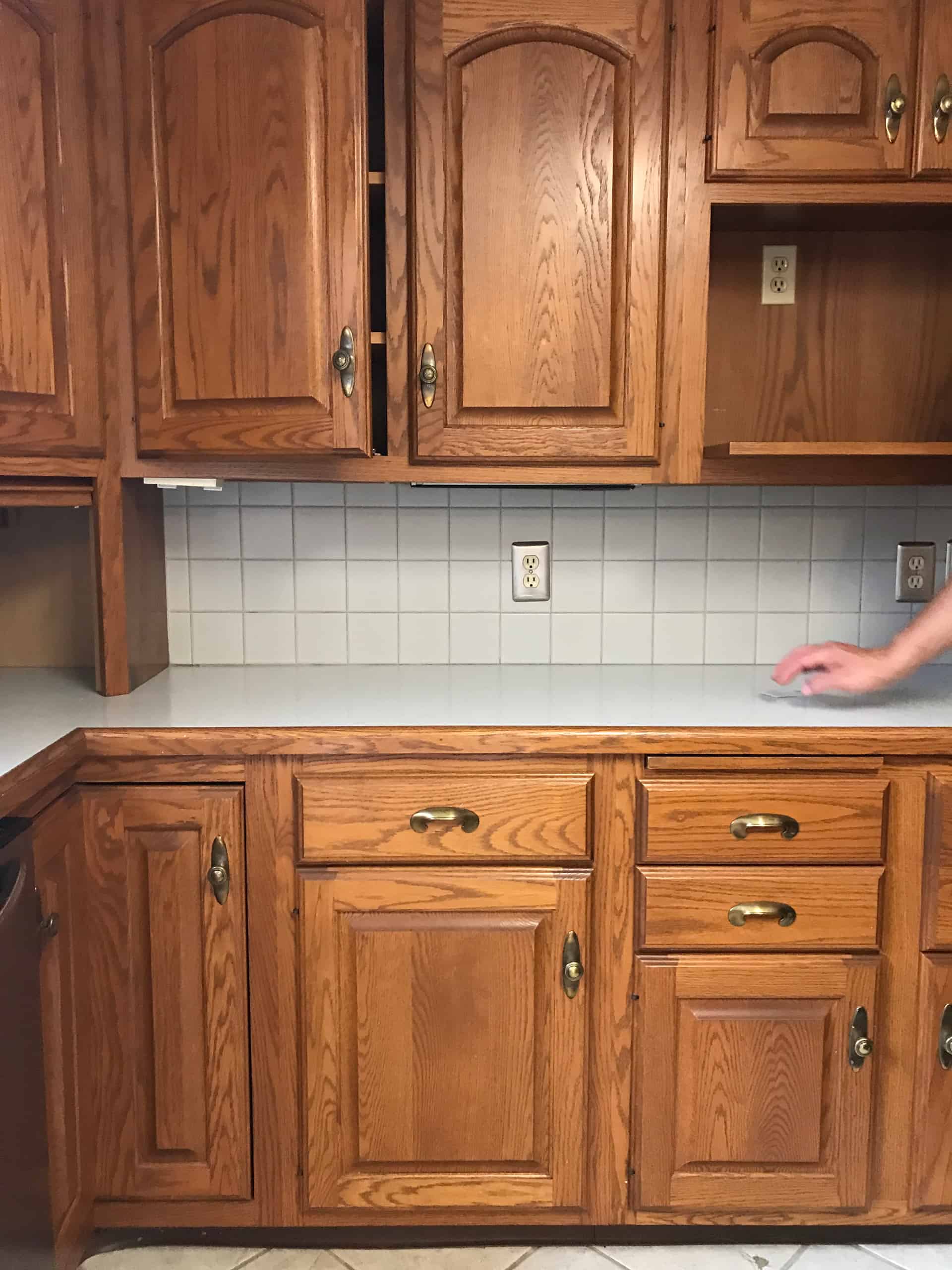
Image Source: abeautifulmess.com
Step-by-Step: How To Paint Kitchen Cupboards With Chalk Paint
Can you paint kitchen cupboards with chalk paint? Yes, you absolutely can paint kitchen cupboards with chalk paint, and it’s a fantastic way to achieve a beautiful, updated look without extensive preparation or harsh chemicals. This guide will walk you through the entire process, from preparing your cabinets to applying the final protective coat, making your kitchen cabinet makeover a rewarding DIY project.
Painting kitchen cabinets is a popular and effective way to revitalize your kitchen’s look. Chalk paint has become a go-to for many homeowners wanting to refinish kitchen cabinets or undertake a kitchen cabinet restoration due to its forgiving nature and chic finish. If you’re looking for a no-prep cabinet painting method that delivers stunning results, chalk paint is your answer. Let’s dive into how to paint kitchen cupboards with chalk paint.
Why Choose Chalk Paint for Your Kitchen Cupboards?
Chalk paint is renowned for its chalky matte finish, excellent adhesion, and minimal need for prep work. This makes painting kitchen cabinets a much more accessible project for DIY enthusiasts.
- Minimal Sanding: One of the biggest draws of chalk paint is that it typically doesn’t require extensive sanding or priming on most surfaces. This saves a significant amount of time and effort compared to traditional paints.
- Versatile Finish: Chalk paint can be used to achieve various looks, from a distressed vintage feel to a smooth, modern matte finish. This versatility is key for a successful kitchen cabinet makeover.
- Adhesion: It adheres well to various surfaces, including wood, laminate, and even previously painted or varnished cabinets. This makes it suitable for many existing kitchen cabinet styles.
- Low VOCs: Many chalk paint brands are low in volatile organic compounds (VOCs), making them a safer choice for your home environment.
What You’ll Need for Your Chalk Paint Kitchen Cabinets Project
Gathering all your supplies before you begin is crucial for a smooth painting process. Here’s a comprehensive list:
Essential Tools and Materials:
- Chalk Paint: Choose a high-quality chalk paint specifically designed for furniture or cabinets. Consider brands known for durability and a good range of colors.
- Paintbrushes: Invest in good quality synthetic or natural bristle brushes. Have a few sizes on hand: a larger brush for flat surfaces and a smaller one for detail work and corners.
- Rollers (Optional): Foam rollers can be used for a smoother finish on larger, flat surfaces like cabinet doors, but brushes are often preferred for chalk paint’s characteristic texture.
- Sanding Blocks or Fine-Grit Sandpaper (Optional but recommended): Even though chalk paint requires minimal sanding, a light scuff sand can help with adhesion, especially on glossy surfaces. 220-grit is a good starting point.
- Screwdriver or Drill: For removing cabinet doors and hardware.
- Cleaning Supplies: Mild soap or degreaser, water, clean cloths or sponges.
- Painter’s Tape: For masking off areas you don’t want to paint.
- Drop Cloths or Tarps: To protect your floors and surrounding areas.
- Stir Sticks: To thoroughly mix your paint.
- Wax or Polyurethane Topcoat: Essential for protecting your painted chalk paint kitchen cabinets.
- Wax Brushes or Applicator Pads: For applying wax.
- Clean, Lint-Free Cloths: For wiping away excess wax or applying topcoats.
- Gloves and Safety Glasses: For protection.
Step 1: Preparing Your Kitchen Cupboards for Painting
While chalk paint is known for its no-prep approach, proper cleaning is essential for any successful paint job, especially on kitchen cabinets which can accumulate grease and grime. This step is critical for ensuring your paint adheres properly and lasts.
Cleaning the Cabinets:
- Remove Hardware and Doors: Take off all cabinet doors, drawers, and any hardware like knobs and handles. Keep them organized, perhaps in labeled plastic bags. This allows you to paint each piece thoroughly and reach all edges.
- Degrease Thoroughly: Kitchen cabinets often have a buildup of grease and food residue. Use a good degreaser or a solution of warm water with a few drops of dish soap. Wipe down all surfaces, paying close attention to areas around the stove and sink. Rinse well with clean water and a damp cloth to remove any soap residue.
- Allow to Dry Completely: Ensure all cabinet surfaces are completely dry before proceeding. Moisture can interfere with paint adhesion.
Light Scuff Sanding (Optional but Recommended):
- Why Scuff Sand? Even with chalk paint’s minimal prep, a light scuff sand on glossy or laminate surfaces can create a better “tooth” for the paint to grip onto. This is especially true if you’re concerned about the longevity of your kitchen cabinet makeover.
- How to Do It: Use a fine-grit sandpaper (220-grit) or a sanding sponge. Lightly sand all surfaces you intend to paint. The goal is not to remove the existing finish, but just to dull the shine.
- Clean Again: After sanding, wipe down all surfaces with a damp cloth to remove any dust. Let them dry completely.
Step 2: Applying the First Coat of Chalk Paint
Now the fun part begins – applying the paint! Chalk paint is known for its forgiving application, making it ideal for DIY kitchen cupboards.
Stirring and Application:
- Stir the Paint: Chalk paint often separates, so stir it thoroughly with a stir stick until the color and consistency are uniform. Avoid shaking the can vigorously, as this can introduce air bubbles.
- Start Painting: Begin applying thin, even coats of chalk paint. Work in sections, painting with the grain of the wood if applicable. Don’t try to get full coverage in the first coat; it’s better to build up the color gradually.
- Brush Strokes: Embrace the brush strokes. Chalk paint is often celebrated for the texture it creates. You can intentionally use your brush strokes to add character, or try to keep them as uniform as possible for a smoother look.
- Paint Doors and Drawer Fronts: Lay cabinet doors and drawer fronts flat on your drop cloths for application. This helps prevent drips and runs.
Drying Time Between Coats:
- Check Manufacturer Recommendations: Drying times can vary between brands. Generally, chalk paint dries relatively quickly to the touch, but it’s best to allow at least 2-4 hours between coats for optimal adhesion.
- Thin Coats are Key: Applying multiple thin coats is always better than one thick coat. This prevents drips, ensures even coverage, and allows the paint to cure properly.
Step 3: Applying Additional Coats of Chalk Paint
Most kitchen cabinet makeovers will require at least two coats of chalk paint, and sometimes three, to achieve the desired depth of color and opacity.
Building Coverage:
- Second Coat: Once the first coat is dry to the touch and you’ve checked for any missed spots or unevenness, apply a second coat. Again, aim for thin, even coats.
- Third Coat (If Needed): If the color isn’t as opaque as you’d like, or if you’re going for a very smooth finish, a third coat might be necessary.
- Light Sanding Between Coats (Optional): For an ultra-smooth finish, you can lightly sand between coats with a very fine-grit sandpaper (320-grit or higher) or a fine sanding sponge. This removes any minor imperfections or raised grain. Be sure to wipe away all dust afterwards.
Chalk Paint Techniques for Different Looks:
Chalk paint offers a lot of creative freedom. Here are some popular chalk paint techniques for painting kitchen cabinets:
- Smooth Finish: For a smooth, modern look, apply thin coats and try to keep your brush strokes consistent. Lightly sand between coats with fine-grit sandpaper.
- Distressed Finish: After the final coat of paint has dried, use a fine-grit sandpaper (150-220 grit) or a damp cloth to gently rub away paint in areas where natural wear would occur – edges, corners, and around hardware. This gives your kitchen cabinet restoration a vintage charm.
- Layering Colors: Apply a base coat of one color, let it dry, then apply a second, lighter or darker color over it. Once dry, distress the top layer to reveal the color underneath.
Step 4: Protecting Your Painted Kitchen Cupboards
Chalk paint, by itself, is very porous and needs a protective topcoat to withstand the wear and tear of a kitchen environment. This is a crucial step for your chalk paint kitchen cabinets.
Choosing the Right Topcoat:
There are two main types of topcoats for chalk paint:
- Wax:
- Pros: Provides a soft, velvety, matte finish. It’s easy to apply and offers a beautiful, traditional chalk paint look. It also allows for easy touch-ups.
- Cons: Less durable than polyurethane in high-traffic areas or areas prone to moisture and staining. It requires periodic reapplication.
- Best for: Kitchen cabinets that are not subject to excessive moisture or heavy use, or for a more subtle protective layer.
- Polyurethane (Water-Based is Recommended):
- Pros: Offers superior durability and protection against moisture, stains, and scuffs. It’s ideal for kitchens.
- Cons: Can sometimes alter the matte finish of chalk paint, giving it a slightly more satin or even glossy sheen depending on the product. It’s also harder to touch up than wax.
- Best for: High-traffic kitchen cabinets where durability is paramount.
Applying the Topcoat:
Applying Wax:
- Apply Thinly: Using a wax brush or an applicator pad, apply a thin, even layer of clear wax over the entire painted surface. Work in sections.
- Buff: Allow the wax to dry for about 10-20 minutes (or as per manufacturer instructions). Then, using a clean, lint-free cloth, buff the surface in circular motions until it shines.
- Second Coat (Optional): For extra durability, you can apply a second thin coat of wax.
- Dark Wax (Optional): For an aged or antiqued look, you can apply a dark wax over the clear wax or directly onto the paint (if you’re going for a distressed look). Apply it sparingly and buff it into the details and crevices. Wipe off excess with a clean cloth.
Applying Polyurethane:
- Choose the Right Finish: Opt for a water-based polyurethane in a matte or satin finish to maintain as much of the chalk paint’s original look as possible.
- Apply Thin Coats: Using a high-quality synthetic brush or a foam roller, apply a thin, even coat of polyurethane. Avoid overloading the brush or roller.
- Sand Lightly (Optional): For an exceptionally smooth finish, you can lightly sand with very fine-grit sandpaper (320-400 grit) after the first coat of polyurethane has dried. Wipe away all dust thoroughly.
- Apply Additional Coats: Apply 2-3 thin coats of polyurethane, allowing adequate drying time between each coat as recommended by the manufacturer.
Important Note on Curing: Both wax and polyurethane take time to fully cure and reach their maximum durability. This can take anywhere from 7 to 30 days, depending on the product and environmental conditions. During this curing period, be gentle with your newly painted kitchen cupboards and avoid harsh cleaning.
Step 5: Reassembling Your Kitchen Cupboards
Once your cabinets are completely dry and the topcoat has cured sufficiently, it’s time to put everything back together.
Reattaching Hardware:
- Install New Hardware: If you’ve chosen new knobs and pulls, now is the time to install them.
- Reattach Original Hardware: If you’re reusing your old hardware, reattach it to the doors and drawers.
- Hang Doors and Reinsert Drawers: Carefully reattach the cabinet doors to their hinges and slide the drawers back into place.
Frequently Asked Questions About Painting Kitchen Cupboards with Chalk Paint
Here are some common questions people have when considering a chalk paint kitchen cabinet makeover:
Q1: What is the best chalk paint for kitchen cabinets?
The “best” chalk paint often depends on personal preference and desired finish. However, brands like Annie Sloan Chalk Paint, Fusion Mineral Paint (which behaves similarly to chalk paint but has an in-built topcoat), and DIY Paints are highly regarded for their quality, coverage, and durability. Always check reviews and consider whether the brand offers a durable topcoat option if you plan to use it.
Q2: Can I achieve a smooth finish with chalk paint on kitchen cabinets?
Yes, you can achieve a smooth finish, but it requires more attention to application. Apply very thin coats, use a high-quality brush, and consider light sanding between coats with fine-grit sandpaper (320-400 grit). A water-based polyurethane topcoat in a matte or satin finish will also help maintain a smoother appearance compared to wax.
Q3: How durable is chalk paint on kitchen cabinets?
Chalk paint on its own is not very durable and needs a good topcoat. With a properly applied wax or polyurethane, chalk paint kitchen cabinets can be quite durable and withstand daily use. However, they may not be as robust as cabinets painted with enamel paints, especially in high-moisture or high-traffic areas. Regular maintenance and avoiding abrasive cleaners are key to their longevity.
Q4: Do I really need to use a topcoat on chalk paint kitchen cabinets?
Absolutely, yes! Chalk paint is porous and will easily stain and scuff without protection. A topcoat (wax or polyurethane) is essential for the durability and longevity of your painted kitchen cabinets. This is one of the most critical steps in your kitchen cabinet restoration.
Q5: How do I clean my chalk-painted kitchen cabinets?
Clean your chalk-painted kitchen cabinets gently. Use a soft cloth dampened with water and a mild soap or degreaser. Avoid abrasive cleaners, scrub brushes, or harsh chemicals, as these can damage the paint and the topcoat. For wax finishes, use a soft cloth and buff gently.
Q6: Can I use chalk paint on laminate kitchen cabinets?
Yes, chalk paint can adhere to laminate kitchen cabinets, especially if you give the surface a good clean and a light scuff sand beforehand. This provides a better “tooth” for the paint to grip. Always test on an inconspicuous area first.
Q7: What is the best chalk paint technique for a distressed look?
To achieve a distressed look, paint your cabinets with chalk paint. Once the paint is dry, use a fine-grit sandpaper (150-220 grit) or a damp cloth to gently rub away the paint in areas where natural wear would occur – edges, corners, and raised details. The more you rub, the more distressed the finish will be.
Q8: How long does chalk paint take to dry?
Chalk paint dries to the touch relatively quickly, often within 1-2 hours. However, it’s important to allow at least 2-4 hours between coats for proper adhesion, and the paint needs significantly longer to cure fully (up to 30 days) for maximum durability.
Q9: What are the benefits of refinishing kitchen cabinets with chalk paint?
The primary benefits include minimal prep work (less sanding and priming), a beautiful matte finish, versatility in achieving different looks (distressed, smooth), and the fact that it’s often a low-VOC option. It’s a fantastic DIY kitchen cupboards solution.
Q10: Can I paint over chalk paint if I don’t like the color or finish?
Yes, you can paint over chalk paint. Once the chalk paint is fully cured and a topcoat has been applied, you may need to lightly sand the surface before applying a different type of paint. If the chalk paint has no topcoat, you can likely paint over it with minimal preparation.
Conclusion: Your Beautifully Refinished Kitchen Awaits
Painting your kitchen cupboards with chalk paint is an achievable and rewarding project that can dramatically transform your kitchen’s aesthetic. By following these step-by-step instructions, you can create a stunning kitchen cabinet makeover that reflects your personal style. Remember to prioritize thorough cleaning, apply thin coats of paint, and most importantly, protect your work with a suitable topcoat. Enjoy your refreshed kitchen cabinet restoration!