
Want to keep your granite kitchen counter looking its best? Protecting your granite kitchen counter involves simple steps like sealing, proper cleaning, and prompt spill management to prevent stains and etching, ensuring its lasting beauty. This comprehensive granite care guide will walk you through everything you need to know.
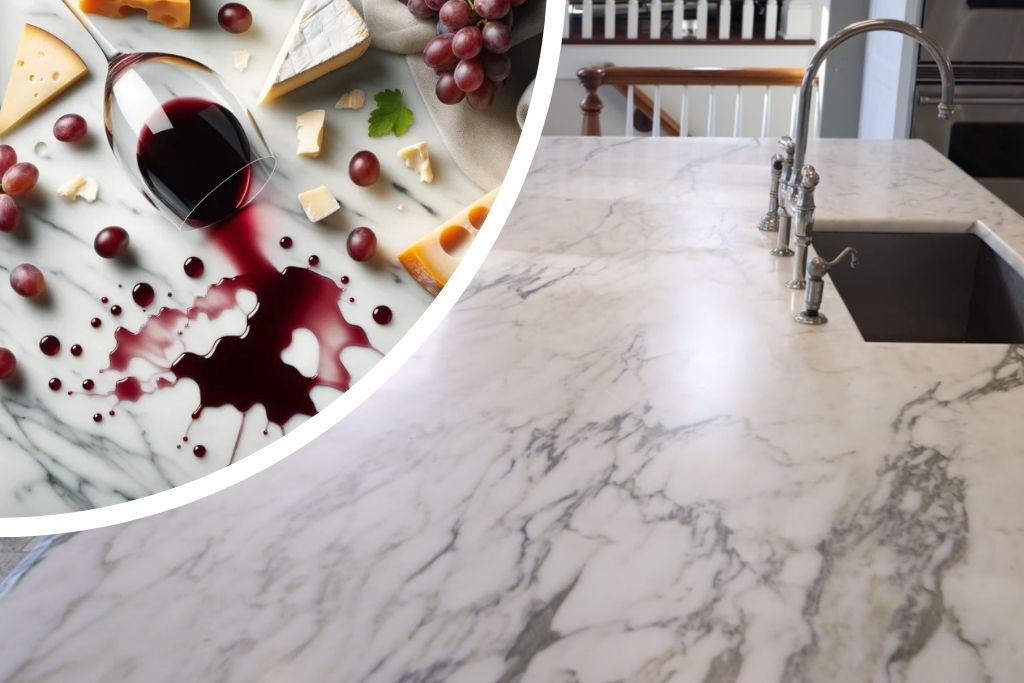
Image Source: www.connecticutstone.com
Why Granite Needs Protection
Granite, a beautiful natural stone, adds elegance and value to any kitchen. However, it’s not entirely impervious to damage. Its porous nature means it can absorb liquids, leading to stains. Certain acidic substances can also cause etching, dulling its shine. Regular maintenance and proper protection are key to preserving its magnificent appearance for years to come.
The Porous Nature of Granite
Granite is formed from molten rock, which cools and solidifies over millions of years. During this process, tiny spaces or pores form within the stone. These pores are like microscopic sponges, ready to soak up spills if left unprotected. The degree of porosity can vary depending on the specific type and color of granite.
Common Threats to Granite Counters
- Stains: Spills from wine, coffee, juice, oil, and colored liquids can seep into the stone if it’s not properly sealed.
- Etching: Acidic substances like lemon juice, vinegar, and certain cleaning products can react with the minerals in granite, leaving dull marks or “etch marks” on the surface. This is different from a stain; it’s a physical change to the stone’s surface.
- Scratches: While granite is hard, sharp objects can still cause scratches, especially on softer varieties or if abrasive cleaners are used.
- Heat Damage: While generally heat-resistant, prolonged exposure to very high temperatures directly from hot pans can sometimes cause thermal shock or discoloration.
The Power of Granite Countertop Sealing
Sealing is the cornerstone of granite protection. A quality granite sealant creates a barrier, preventing liquids from penetrating the stone.
What is Granite Sealing?
Granite countertop sealing involves applying a specialized impregnating sealer to the surface of your granite. This sealer seeps into the pores of the stone, hardening and creating a shield against stains and moisture. It doesn’t form a surface film like wax; instead, it becomes part of the stone itself.
Benefits of Sealing Your Granite
- Stain Prevention: The primary benefit is blocking liquids from penetrating, thus preventing stains.
- Easier Cleaning: A sealed surface is easier to wipe clean, as spills are less likely to absorb.
- Enhanced Durability: Protection against moisture and chemicals contributes to the stone’s longevity.
- Maintains Appearance: Prevents discoloration and dulling caused by absorbed liquids.
How Often Should Granite Be Sealed?
The frequency of granite countertop sealing depends on the type of granite and the sealer used. Generally, it’s recommended to reseal your granite every 1 to 5 years.
Testing for Sealing Needs
A simple water test can tell you if your granite needs resealing:
- Wipe the counter dry.
- Pour about a quarter-sized puddle of water onto the granite surface in a few different spots.
- Wait 10-15 minutes.
- Observe the water. If the water has spread out and looks lighter in color, or if it has soaked into the stone and left a dark spot, your granite needs sealing. If the water beads up and stays on the surface, your sealant is still effective.
Selecting the Best Granite Sealer
Choosing the right product is crucial for effective granite protection. Look for sealers specifically formulated for natural stone and granite.
Types of Granite Sealers
- Impregnating Sealers: These are the most common and effective for granite. They penetrate the stone’s pores to block stains and moisture.
- Siloxane/Silane Based: Often considered the most advanced, offering excellent water and stain repellency. They penetrate deeply and are very breathable.
- Fluorochemical Based: Also offer good repellency but might not penetrate as deeply as siloxane-based sealers.
- Topical Sealers (Coatings/Waxes): These form a protective layer on the surface. While they offer a high sheen, they can wear off with cleaning and use, and can sometimes make granite appear darker or more “plasticky.” They are generally not recommended for kitchen countertops as they don’t offer the same deep, breathable protection as impregnators and can be slippery.
Key Features to Look For in a Granite Sealer:
- Food-Safe Certification: Essential for kitchen surfaces.
- UV Resistance: Helps prevent fading if your kitchen gets a lot of direct sunlight.
- Breathability: Allows moisture vapor trapped beneath the stone to escape, preventing potential damage.
- Stain Repellency: Specifically designed to resist common household stains.
The Art of Granite Sealant Application
Proper granite sealant application ensures maximum protection and a beautiful finish.
Prepping Your Granite Surface
Before you begin granite sealant application, thorough preparation is essential.
- Clean Thoroughly: Wash your granite countertops with a pH-neutral cleaner and warm water. Rinse well and dry completely with a soft cloth. Any dirt, grease, or existing residue will prevent the sealer from penetrating properly.
- Inspect for Existing Sealant: If you’re unsure whether your granite has been sealed before, perform the water test described earlier.
- Address Stains and Etches: It’s best to remove any existing stains or etch marks before sealing. For stubborn stains, you might need a poultice. For etch marks, professional polishing might be necessary.
Step-by-Step Granite Sealant Application
Here’s a detailed guide for applying granite sealant:
- Read the Sealer Instructions: Always follow the specific manufacturer’s guidelines for the product you are using.
- Apply the Sealer:
- Method: Sealers are typically applied with a clean, lint-free cloth, sponge, or a low-pressure sprayer.
- Even Application: Apply the sealer evenly across the surface. Work in small sections so the sealer doesn’t dry before you can spread it.
- Penetration: Allow the sealer to penetrate the stone for the time specified by the manufacturer (usually 15-30 minutes).
- Wipe Off Excess:
- Crucial Step: After the recommended dwell time, it’s vital to wipe off all excess sealer. Use a clean, dry, lint-free cloth. If you leave excess sealer on the surface, it can dry and create a hazy film or sticky residue that is difficult to remove.
- Buffing: Buff the surface until it shines.
- Drying and Curing:
- Drying: The surface will usually feel dry to the touch within a few hours.
- Curing: However, the sealer needs time to fully cure and reach its maximum effectiveness. This can take 24 to 72 hours, depending on the product and environmental conditions. Avoid heavy use or contact with liquids during this curing period.
Tips for Optimal Sealer Performance
- Ventilation: Ensure good ventilation when applying sealers, as some products have fumes.
- Temperature: Apply sealers in a temperature-controlled environment, avoiding extreme heat or cold.
- Protective Gear: Wear gloves and eye protection if recommended by the manufacturer.
Mastering Granite Cleaning Tips
Proper cleaning is essential for maintaining the beauty and integrity of your granite.
Daily Cleaning Routine
A simple, consistent cleaning routine is your best defense.
- Wipe Up Spills Immediately: This is the golden rule for granite stain prevention. Don’t let liquids sit on the surface, especially acidic ones.
- Use a pH-Neutral Cleaner: Opt for cleaners specifically designed for natural stone or a mild dish soap mixed with warm water. Avoid abrasive cleaners, ammonia, bleach, and acidic products like vinegar or window cleaner.
- Soft Cloths: Use microfiber cloths or soft sponges. Avoid abrasive scrubbers or steel wool, which can scratch the surface.
- Rinse and Dry: After cleaning, rinse the surface with clean water to remove any soap residue and dry it thoroughly with a soft cloth. This prevents water spots.
Dealing with Tougher Grime
For more stubborn messes:
- Baking Soda Paste: For greasy buildup or minor dried-on food, a paste of baking soda and water can be gently applied, left for a few minutes, then wiped away. Rinse thoroughly.
- Alcohol Solution: A solution of isopropyl alcohol and water (50/50) can be effective for disinfecting and removing sticky residues.
Avoiding Common Cleaning Mistakes
- Harsh Chemicals: Never use bleach, ammonia, acidic cleaners, or all-purpose cleaners not specifically labeled for stone. These can damage the sealant and etch the granite.
- Abrasive Pads: Steel wool or scouring pads can scratch the granite’s surface.
- Leaving Surfaces Wet: Always dry your granite after cleaning to prevent water spots and potential mineral buildup.
Addressing Granite Etching Remedies
Etching is a surface damage that dulls the stone’s shine. It’s important to know how to handle it.
What Causes Etching?
Etching occurs when acidic substances come into contact with the calcium carbonate present in some types of granite, or if the sealant is compromised. The acid “eats away” at the stone’s surface, leaving a dull mark.
Differentiating Stains from Etches
- Stains: Dark spots or discoloration that have soaked into the stone. They are typically removed with cleaning or a poultice.
- Etches: Dull, lighter-colored marks that appear on the surface of the stone. They are a physical change to the stone itself, not absorbed color.
Granite Etching Remedies
The severity of the etching will determine the remedy.
Mild Etching
For very light etching, sometimes a bit of granite polishing paste or a specialized stone polishing powder can help restore the shine.
- Clean the area thoroughly.
- Apply a small amount of polishing paste or powder to a damp cloth.
- Gently rub the etched area in a circular motion.
- Wipe away residue and check the results. You may need to repeat this process.
Moderate to Severe Etching
For more significant etching, or if polishing paste doesn’t work, you might need to:
- Professional Polishing: The most effective solution for deeper etching is to have the granite professionally polished. A stone restoration specialist has the tools and expertise to resurface the granite and bring back its original sheen.
- DIY Polishing Kits: There are DIY granite polishing kits available, but these require careful handling and can be challenging to achieve professional results. They often involve using a series of abrasive pads to grind down and then polish the stone.
Granite Polish Application
If you opt for a granite polish or polishing kit, ensure you follow the instructions precisely. This often involves using a series of increasingly fine abrasives. Always test in an inconspicuous area first.
Granite Stain Prevention Strategies
Beyond sealing, there are proactive steps to prevent stains.
Prompt Spill Cleanup
- Immediate Action: Don’t delay. Wipe up any spills, especially wine, coffee, tea, oil, and fruit juices, as soon as they happen.
- Blot, Don’t Wipe: For colored liquid spills, blot them gently with a clean cloth to absorb as much liquid as possible before wiping.
Using Coasters and Trivets
- Glass Rings: Always use coasters under glasses, especially those containing acidic beverages or colored liquids.
- Hot Pans: Use trivets or hot pads under hot pots and pans to protect the granite from thermal shock and potential discoloration.
Be Mindful of What Touches Your Countertop
- Cutting Boards: Always use a cutting board for chopping or slicing. While granite is hard, knives can scratch it, and prolonged contact with sharp objects can dull the surface.
- Oils and Greases: Clean up any oil or grease spills immediately. These can penetrate the stone and leave dark, stubborn stains.
- Acidic Foods: Be cautious with highly acidic foods like citrus fruits, tomatoes, and vinegars. Wipe up any residue quickly.
Granite Care Guide: Long-Term Maintenance
Consistent, gentle care will ensure your granite countertops remain beautiful for decades.
Periodic Deep Cleaning
Beyond daily cleaning, consider a deeper clean every few months.
- Stone Cleaner: Use a specialized stone cleaner designed for granite. These cleaners often contain gentle degreasers and enhancers that can help maintain the stone’s luster.
- Poultice for Stains: If you notice a stubborn stain that isn’t coming off with regular cleaning, you may need to use a poultice.
How to Make a Poultice for Granite Stains
A poultice is a paste that draws stains out of porous materials.
- Choose Your Absorbent Material: Common options include baking soda, diatomaceous earth, kaolin clay, or even plain white paper towels.
- Choose Your Cleaning Agent:
- For organic stains (food, coffee, tea): Hydrogen peroxide.
- For oil-based stains (grease, cooking oil): Acetone or mineral spirits.
- For water spots/mineral deposits: Diluted hydrogen peroxide.
- For general stubborn stains: A pH-neutral cleaner.
- Mix the Poultice: Combine the absorbent material with the cleaning agent to create a thick paste, similar in consistency to peanut butter.
- Apply the Poultice: Spread the paste over the stain, about ¼ to ½ inch thick, extending slightly beyond the stain’s edges.
- Cover and Seal: Cover the poultice with plastic wrap and tape down the edges to keep it moist.
- Let it Work: Allow the poultice to sit for 24-48 hours. The cleaning agent will evaporate, drawing the stain into the absorbent material.
- Remove and Clean: Remove the plastic wrap and let the poultice dry completely. Once dry, gently scrape it off with a plastic scraper or spatula. Clean the area with a pH-neutral cleaner and water, then dry thoroughly.
- Repeat if Necessary: You may need to repeat the poultice process for very stubborn stains.
Granite Polishing for Shine
Over time, the natural shine of your granite can diminish.
- Polishing Compounds: You can use a granite polish spray or a dedicated granite polishing compound to restore shine. These products often contain mild abrasives and fillers that buff out micro-scratches and enhance the stone’s luster.
- Microfiber Cloths: Apply the polish with a clean, soft microfiber cloth, buffing in a circular motion until the desired shine is achieved.
How to Reseal Granite
As mentioned earlier, periodic resealing is vital.
When to Reseal
Test your granite with the water bead test. If the water soaks in, it’s time to reseal. This is typically every 1-5 years.
The Resealing Process
The process for how to reseal granite is essentially the same as the initial sealing, ensuring the surface is clean, dry, and free of any existing residue or product buildup.
- Clean: Thoroughly clean and dry the granite.
- Apply Sealer: Apply the chosen granite sealant according to the manufacturer’s instructions.
- Wipe Off Excess: Crucially, wipe off all excess sealer within the recommended time.
- Cure: Allow the sealer to cure fully (24-72 hours).
Understanding Granite Countertop Maintenance
Consistent granite countertop maintenance is the key to its longevity and beauty.
Regular Inspections
Make it a habit to visually inspect your countertops regularly. Look for:
- New Stains: Any marks that weren’t there before.
- Dull Spots: Indicating potential etching or wear of the sealant.
- Chips or Cracks: While rare, these can occur. Address them promptly with appropriate fillers if minor.
Protecting the Edges and Seams
The edges and seams of your granite countertops are particularly vulnerable.
- Seams: Ensure seams are properly filled and sealed. Over time, sealants in seams can wear away, making them susceptible to stains.
- Edges: Be mindful of dropping heavy items on the edges, which can cause chips.
Professional Check-ups
Consider having your granite professionally inspected and maintained every few years. A professional can assess the sealant’s condition, recommend necessary treatments, and perform deep cleaning or minor repairs.
Summary of Granite Care Essentials
| Action | Frequency | Purpose |
|---|---|---|
| Wipe Spills | Immediately | Stain prevention |
| Daily Cleaning | Daily | Remove dirt and debris |
| Water Test | Monthly/Quarterly | Check sealant effectiveness |
| Resealing | 1-5 Years (as needed) | Re-establish stain protection |
| Deep Cleaning | Every few months | Remove stubborn grime |
| Poultice Use | As needed (for stains) | Draw out stubborn stains |
| Polishing | As needed (for shine) | Restore luster, buff out minor scratches |
| Avoid Harsh Chemicals | Always | Prevent damage to stone and sealant |
| Use Coasters/Trivets | Always | Prevent stains, etching, and heat damage |
| Use Cutting Boards | Always | Prevent scratches |
Frequently Asked Questions (FAQ)
Q1: Can I use regular kitchen cleaners on my granite countertops?
A: It’s best to avoid regular kitchen cleaners. Many contain harsh chemicals like ammonia, bleach, or acids that can damage the sealant and etch the granite. Always use a pH-neutral cleaner specifically designed for natural stone.
Q2: My granite has a dull spot. Is it a stain or an etch?
A: If the spot is discolored and appears to have soaked into the stone, it’s likely a stain. If it looks like a surface dullness or a lighter mark on the stone’s surface, it’s probably an etch. Etches are caused by acids and require polishing or professional resurfacing, while stains can often be removed with cleaning or a poultice.
Q3: How do I remove a ring from a glass left on my granite?
A: This is likely an etch mark. Try using a granite polishing paste or a stone polishing powder with a soft cloth. For more severe etching, professional help may be needed. Always use coasters to prevent this.
Q4: My granite seems to be absorbing water more than before. What should I do?
A: This indicates that your granite’s sealant has worn off. You need to reseal your granite. Perform the water test: if water soaks in and darkens the stone, it’s time for resealing.
Q5: How can I make my granite shine again?
A: To restore shine, you can use a granite polish spray or a dedicated polishing compound. Apply it with a clean microfiber cloth and buff until you achieve the desired luster. This can also help mask very minor surface scratches.
By following this detailed granite care guide, you can ensure your granite kitchen countertops remain a stunning and functional centerpiece in your home for years to come. Proper sealing, diligent cleaning, and prompt attention to spills are your best tools for stain-proof and lasting beauty.