
Can I re-caulk a kitchen sink myself? Yes, you absolutely can re-caulk a kitchen sink yourself! It’s a straightforward DIY project that can significantly improve the look and functionality of your kitchen. This guide will walk you through everything you need to know about replacing sink sealant and achieving a waterproof sink edge.
A worn-out caulk bead around your kitchen sink is more than just an eyesore; it’s a potential gateway for water damage. Over time, the existing caulk can crack, peel, or become discolored, allowing moisture to seep underneath, potentially damaging your countertops and sink base. Thankfully, how to re-caulk a kitchen sink is a skill any homeowner can master with a little patience and the right approach. This detailed guide will take you from caulk removal sink to the final smooth bead, ensuring a clean, waterproof seal.
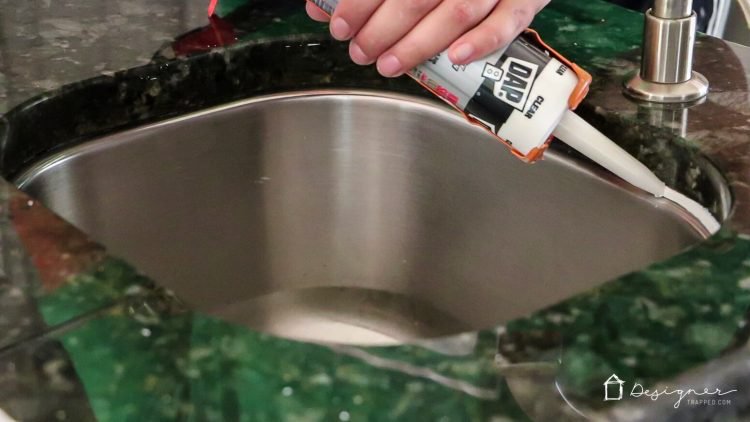
Image Source: www.dap.com
Why Re-Caulking Your Kitchen Sink Matters
Re-caulking your kitchen sink is a crucial maintenance task that offers several benefits:
- Prevents Water Damage: This is the most important reason. A good seal stops water from getting under the sink, protecting your countertops and cabinets from rot, mold, and mildew.
- Enhances Aesthetics: Fresh caulk gives your sink a clean, polished look, making your entire kitchen appear tidier and more appealing.
- Improves Hygiene: Cracks and gaps in old caulk can harbor bacteria and grime. New caulk creates a smooth, seamless surface that’s easier to clean.
- Extends Sink Lifespan: By protecting the vulnerable edges, you help prevent corrosion and wear, prolonging the life of both your sink and countertop.
Tools and Materials You’ll Need for Kitchen Sink Caulking
Before you begin your DIY sink repair, gather all the necessary supplies. Having everything ready will make the process much smoother.
Essential Tools:
- Utility Knife or Caulk Removal Tool: For removing old caulk.
- Putty Knife or Scraper: To scrape away any remaining caulk residue.
- Rubbing Alcohol (Isopropyl Alcohol): To clean and prepare the surface.
- Clean Cloths or Paper Towels: For wiping and cleaning.
- Painter’s Tape: To create clean, straight lines and protect surrounding surfaces.
- Caulking Gun: For applying new caulk evenly.
- Caulk Finishing Tool or Your Finger (with glove): To smooth the caulk bead.
- Gloves: To protect your hands from caulk and cleaning solutions.
- Safety Glasses: To protect your eyes from debris.
Recommended Materials:
- The Best Caulk for Sinks: You need a high-quality, mildew-resistant silicone or siliconized acrylic latex caulk specifically designed for kitchen and bath use. Look for terms like “kitchen & bath,” “waterproof,” and “mildew resistant.”
- A Color-Matching Caulk: Consider the color of your sink, countertop, or grout to choose a caulk that blends in. White, clear, and almond are common choices.
Choosing the Best Caulk for Your Sink
Selecting the right caulk is critical for a successful and long-lasting seal. Here’s what to look for when selecting the best caulk for sinks:
- Material Type:
- 100% Silicone Caulk: Offers excellent flexibility, durability, and water resistance. It’s ideal for areas with a lot of movement or moisture. However, it can be a bit trickier to work with and may not be paintable.
- Siliconized Acrylic Latex Caulk: Easier to apply and clean up than pure silicone. It adheres well and is often paintable. Look for products labeled as “kitchen and bath” as they usually contain mildew inhibitors.
- Features:
- Mildew Resistance: Essential for kitchen and bathroom environments where moisture is prevalent.
- Waterproof: Guarantees protection against leaks and water damage.
- Adhesion: The caulk should stick well to both your sink material (stainless steel, porcelain, composite) and your countertop material (granite, quartz, laminate, tile).
- Flexibility: A flexible caulk can accommodate the natural expansion and contraction of materials due to temperature changes without cracking.
- Color: Available in clear, white, almond, and sometimes metallic shades to match your décor.
When re-caulking, especially for countertop sink sealing, ensuring the caulk is compatible with your specific countertop material is important to avoid staining or damage.
Step-by-Step Guide to Re-Caulking Your Kitchen Sink
Let’s get started on your kitchen sink caulking project! Follow these steps for a professional-looking finish.
Step 1: Prepare the Area
This is arguably the most important step. A clean, dry surface is essential for the new caulk to adhere properly.
- Clear the Sink Area: Remove everything from around the sink – dish soap, sponges, racks, and any decorative items.
- Protect Surrounding Surfaces: Place a drop cloth or old towels on the countertop and inside the sink to catch any debris or drips.
Step 2: Remove Old Caulk
This requires patience and a steady hand to ensure you don’t damage the sink or countertop.
- Use a Utility Knife or Caulk Removal Tool: Carefully slide the blade under the old caulk. Make shallow cuts along the edge of the caulk bead, working your way around the entire sink. The goal is to lift and peel away the old material. For stubborn areas, a specialized caulk removal tool can be very effective.
- Scrape Away Residue: Once the bulk of the caulk is removed, use a putty knife or scraper to gently scrape away any remaining bits. Be careful not to scratch your countertop or sink.
- Clean the Joint: After removing all visible caulk, wipe down the seam with a damp cloth to remove dust.
Step 3: Thoroughly Clean the Surface
A clean surface is key for good adhesion.
- Apply Rubbing Alcohol: Dampen a clean cloth with rubbing alcohol. Wipe down the entire seam where the caulk was. Alcohol helps to remove any lingering residue, grease, or moisture that might prevent the new caulk from sticking.
- Dry the Area: Ensure the seam is completely dry before proceeding. You can let it air dry for a bit or gently pat it with a clean, dry cloth.
Step 4: Apply Painter’s Tape
Creating a clean line with tape will give you a professional finish.
- Create a Straight Edge: Apply painter’s tape along the edge of the sink and the countertop, creating a uniform gap where the new caulk bead will go. Aim for a gap of about 1/8 to 1/4 inch.
- Press Firmly: Ensure the tape is pressed down firmly to prevent caulk from seeping underneath. This acts as a guide and protects the surfaces you don’t want to caulk.
Step 5: Prepare the Caulk Tube and Gun
This step ensures you can apply the caulk smoothly and evenly.
- Cut the Nozzle: Using your utility knife or the cutter on your caulk gun, cut the tip of the caulk tube at a 45-degree angle. Start with a small opening; you can always make it larger if needed. A smaller opening provides more control.
- Puncture the Seal: Most caulk tubes have an inner seal. Use the puncture tool on your caulk gun or a long nail to break this seal.
- Load the Caulk Gun: Pull back the plunger on the caulk gun, insert the caulk tube, and push the plunger firmly against the back of the tube.
Step 6: Apply the New Caulk
This is where your kitchen sink caulking takes shape.
- Position the Gun: Place the nozzle tip at the beginning of the seam, holding the gun at a 45-degree angle.
- Apply a Steady Bead: Squeeze the trigger of the caulk gun with consistent pressure, moving along the seam at a steady pace. Aim to apply a continuous bead of caulk that fills the gap. Try to keep the bead consistent in thickness.
- Work in Sections: For longer seams, it’s often easier to work in sections to avoid the caulk drying before you can smooth it.
Step 7: Smooth the Caulk Bead
This step is crucial for a clean, finished look and proper sealing.
- Use a Caulk Finishing Tool: These tools have various shapes and sizes to create smooth, consistent beads. Run the tool along the caulk bead, applying light, even pressure.
- Using Your Finger (Optional): If you don’t have a finishing tool, you can use your finger. Dip your finger in water or rubbing alcohol (depending on the caulk type) for a smoother glide. Wear a glove for this. Gently run your finger along the caulk to smooth it and press it into the seam. Wipe excess caulk from your finger onto a damp cloth or paper towel frequently.
- Remove Excess Caulk: As you smooth, some caulk will be pushed to the sides. Gently wipe this excess away with a damp cloth.
Step 8: Remove Painter’s Tape
Timing is everything for a clean removal.
- Remove While Caulk is Wet: Carefully peel off the painter’s tape while the caulk is still wet. Pull the tape away at an angle, away from the fresh caulk bead. This will leave a perfectly straight line.
- If Caulk Starts to Skin Over: If the caulk begins to form a skin, wait until it’s mostly set but not fully cured before removing the tape.
Step 9: Allow the Caulk to Cure
Proper curing ensures a durable and waterproof seal.
- Check the Manufacturer’s Instructions: The curing time can vary depending on the type of caulk used. Most kitchen and bath caulks will be dry to the touch within an hour or two but may take 24 hours or more to fully cure and become waterproof.
- Avoid Water Exposure: Do not use the sink or get the caulk wet until it has fully cured.
Special Considerations for Different Sink Types
While the basic process remains the same, some sink types require minor adjustments.
Sink Apron Caulking (Farmhouse Sinks)
Sink apron caulking on farmhouse sinks can be a bit more involved due to the exposed front.
- Focus on the Countertop Edge: The most critical area to caulk is where the apron meets the countertop. Ensure a clean removal and application here.
- Vertical Seams: If the sink has vertical seams where it meets the countertop or backsplash, these also need attention.
- Material Compatibility: Be mindful of the material of your farmhouse sink (e.g., ceramic, fireclay) and your countertop when choosing caulk.
Countertop Sink Sealing
This is the primary focus for most drop-in and undermount sinks. The goal is a seamless transition between the sink rim and the countertop.
- Undermount Sinks: These require particular care. The caulk is applied to the gap between the sink edge and the underside of the countertop. A good seal is vital to prevent water from seeping behind the sink.
- Drop-in Sinks: The caulk goes around the lip of the sink where it meets the countertop. A clean removal of old caulk and a neat application of new caulk will give a much better visual and functional seal.
Troubleshooting Common Caulking Issues
Even with careful application, you might encounter a few snags.
Uneven Caulk Bead
- Fix: If the bead is uneven while still wet, you can sometimes smooth it again with your finishing tool or finger. For dried caulk, you may need to carefully remove the uneven section and reapply.
Caulk Seeping Under Tape
- Fix: This happens if the tape wasn’t pressed down firmly or if the caulk was applied too thickly. Once dried, you can carefully trim any excess that seeped out with your utility knife.
Caulk Not Sticking
- Fix: This usually indicates the surface wasn’t clean or dry enough. You’ll need to remove the uncured caulk and reapply after thoroughly cleaning and drying the area.
Maintaining Your New Caulk Seal
To ensure your newly caulked sink looks great and performs well for years to come:
- Clean Gently: Use mild dish soap and water for cleaning around the sink. Avoid abrasive cleaners or scrub brushes that can damage the caulk.
- Wipe Up Spills Immediately: Don’t let water sit around the sink edge. Wipe it up promptly to minimize moisture exposure.
- Inspect Periodically: Check the caulk bead every few months for any signs of cracking, peeling, or mildew. Address any issues promptly to prevent further damage.
Frequently Asked Questions (FAQ)
Here are some common questions people have about re-caulking their kitchen sinks:
Q1: How often should I re-caulk my kitchen sink?
A1: The lifespan of caulk varies depending on the quality of the caulk, the amount of use the sink gets, and humidity levels. Generally, you should inspect it every 6-12 months and re-caulk every 2-5 years, or sooner if you notice signs of wear, cracking, or mildew.
Q2: Can I caulk over old caulk?
A2: It is strongly recommended not to caulk over old caulk. The new caulk will not adhere properly to the old caulk, leading to premature failure and potential water damage. Always remove old caulk completely before applying new caulk.
Q3: What is the best caulk for kitchen sinks?
A3: The best caulk for sinks is typically a 100% silicone or a high-quality siliconized acrylic latex caulk specifically formulated for kitchens and bathrooms. Look for labels indicating mildew resistance and waterproof properties.
Q4: How do I get a smooth caulk line?
A4: Using painter’s tape to create clean edges is essential. For smoothing, a dedicated caulk finishing tool is best, but you can also use a damp finger (with a glove) or a damp cloth, wiping away excess caulk as you go.
Q5: My sink has a gap where the caulk used to be. How do I fix this for countertop sink sealing?
A5: This gap is exactly why re-caulking is needed. Follow the steps above, focusing on removing all old caulk and applying a new, consistent bead that fills the gap between your sink and countertop to create a waterproof sink edge.
Q6: Can I use caulk for a bathroom sink too?
A6: Yes, the process for bathroom sink caulking is very similar. The key is to use a mildew-resistant and waterproof caulk suitable for bathrooms, as they also experience high moisture.
Q7: How long does it take for caulk to dry?
A7: Most kitchen and bath caulks are dry to the touch within an hour or two, but they can take 24 hours or more to fully cure and achieve their maximum waterproof and flexible properties. Always check the product packaging for specific drying and curing times.
Q8: My sink is stainless steel. Does that change anything?
A8: When replacing sink sealant on a stainless steel sink, ensure the caulk you choose adheres well to metal and your countertop material. Clear or stainless steel-colored caulks can look particularly good on stainless steel sinks.
Q9: I have a sink with an exposed front (sink apron caulking). What do I need to do differently?
A9: For sink apron caulking, pay special attention to the seam where the apron meets the countertop. Ensure you remove old caulk meticulously and apply the new bead smoothly for a clean, finished look on the visible front.
By following this comprehensive guide, you can confidently tackle the task of how to re-caulk a kitchen sink, ensuring a watertight seal, a fresh appearance, and protection for your kitchen investment. This DIY sink repair is a rewarding project that anyone can accomplish.