
Can you remove rust from a kitchen sink? Yes, you absolutely can! Removing rust from your kitchen sink is achievable with a variety of methods, from gentle natural remedies to more potent commercial cleaners. This guide will walk you through the most effective ways to tackle rust stains and restore your sink to its former glory, achieving a stain-free shine.
Your kitchen sink is a workhorse. It’s where you wash dishes, prepare food, and often where the day’s news is shared. Over time, however, this essential fixture can develop unsightly rust spots. These orange-brown blemishes aren’t just unattractive; they can also be a sign of underlying issues or simply the result of everyday wear and tear. But fear not, cleaning rust off a sink is a common household task, and with the right approach, you can achieve a sparkling, rust-free finish. This article delves deep into the methods for sink rust removal, covering everything from stainless steel sink rust to enamel sink rust, and even offering DIY sink rust fix solutions.
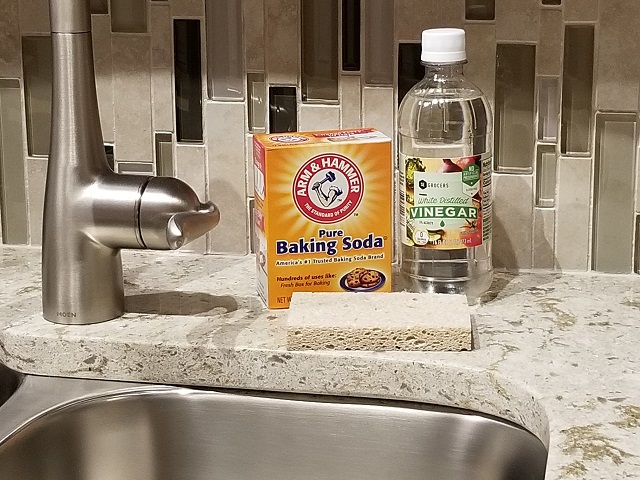
Image Source: www.duncanscreativekitchens.com
Fathoming the Causes of Sink Rust
Before we dive into the cleaning process, it’s helpful to know why rust forms on kitchen sinks in the first place. This can help you prevent future occurrences.
Common Culprits for Rust Formation:
- Iron Particles: The most common cause. Tiny iron particles from cast iron cookware, steel wool pads, or even water with high iron content can settle on the sink surface. When exposed to moisture, these particles oxidize, creating rust.
- Damp Sponges and Steel Wool: Leaving damp sponges or steel wool pads directly on the sink surface for extended periods is a prime culprit. The metal in these items can transfer to the sink and begin to rust.
- Scratches and Abrasions: Deep scratches or chips in the sink’s protective coating (especially in enamel sinks) expose the base metal to moisture, leading to rust.
- Hard Water Deposits: In areas with hard water, mineral deposits can accumulate. These deposits can trap moisture and iron particles, accelerating the rusting process.
- Chemical Reactions: Certain acidic foods or cleaning agents, if left to sit on the sink for too long without rinsing, can sometimes react with the sink material and contribute to rust, especially if there are pre-existing imperfections.
Tackling Rust on Different Sink Materials
The best approach for cleaning rust off sink depends largely on the material of your sink. A stainless steel sink rust issue requires a different strategy than an enamel sink rust problem.
Stainless Steel Sinks: The Rust Challenge
Stainless steel is popular for its durability and modern look, but it’s not entirely immune to rust. While it’s stainless, it’s not stain-proof. The “stainless” quality comes from a chromium oxide layer. If this layer is compromised, or if iron particles are left on the surface, rust can appear.
Effective Methods for Stainless Steel Rust Removal:
-
Baking Soda Paste:
- Why it works: Baking soda is a mild abrasive and can help lift stains without scratching the stainless steel.
- How to do it:
- Mix baking soda with a small amount of water to create a thick paste.
- Apply the paste directly to the rust spot.
- Let it sit for 15-30 minutes.
- Gently scrub the area with a soft cloth or sponge in the direction of the steel’s grain.
- Rinse thoroughly with water and dry completely.
-
Vinegar (White Vinegar):
- Why it works: Vinegar’s acidity helps break down rust.
- How to do it:
- Soak a paper towel or cloth in white vinegar.
- Place the soaked towel over the rust stain.
- Let it sit for at least 30 minutes, or up to an hour for tougher stains.
- Remove the towel and gently scrub with a soft cloth or sponge.
- Rinse well with water and dry. Important: Do not leave vinegar on stainless steel for excessively long periods, as prolonged contact with acid can potentially dull the finish.
-
Lemon Juice and Salt:
- Why it works: The citric acid in lemon juice and the abrasive nature of salt combine for effective rust removal.
- How to do it:
- Sprinkle coarse salt over the rust spot.
- Squeeze fresh lemon juice over the salt.
- Let it sit for 30-60 minutes.
- Gently scrub with a soft cloth or sponge.
- Rinse and dry.
-
Commercial Stainless Steel Cleaners:
- Why it works: These are specifically formulated to tackle stains and grime on stainless steel. Always choose a cleaner designed for stainless steel to avoid damage.
- How to do it:
- Follow the manufacturer’s instructions carefully.
- Typically, you’ll apply the cleaner, let it sit for a specified time, and then wipe or rinse away.
- Always test in an inconspicuous area first.
Enamel Sinks: Gentle but Firm Approach
Enamel sinks, often found in older or more traditional kitchens, can be susceptible to chipping and scratching. Rust on enamel usually occurs when the enamel coating is damaged, exposing the metal underneath. Therefore, a gentler approach is often best to avoid further damage.
Effective Methods for Enamel Sink Rust Removal:
-
Baking Soda Paste (Again!):
- Why it works: Still a great option for its mild abrasiveness.
- How to do it: Same as for stainless steel – create a paste, apply, let sit, gently scrub with a soft cloth, rinse, and dry. Avoid harsh scrubbing that could chip the enamel.
-
Hydrogen Peroxide and Baking Soda:
- Why it works: Hydrogen peroxide has mild bleaching properties that can help lift stains, and baking soda adds gentle scrubbing power.
- How to do it:
- Make a paste of baking soda and hydrogen peroxide.
- Apply to the rust stain.
- Let it sit for about 20-30 minutes.
- Gently scrub with a soft cloth.
- Rinse thoroughly and dry.
-
Cream of Tartar:
- Why it works: Cream of tartar is a mild acid that can help break down rust.
- How to do it:
- Make a paste using cream of tartar and a few drops of water or hydrogen peroxide.
- Apply the paste to the rust spot.
- Let it sit for 15-30 minutes.
- Gently rub with a soft cloth.
- Rinse and dry.
-
Mild Dish Soap and a Soft Cloth:
- Why it works: For very light surface rust or to maintain shine, good old dish soap can often do the trick.
- How to do it:
- Apply a few drops of mild dish soap to a damp, soft cloth.
- Gently wipe the rust area.
- Rinse and dry immediately.
Chrome Fixtures: Rust Off Chrome Sink
If your faucet or drain trim is made of chrome, you might encounter rust there as well. Chrome plating can wear away over time, exposing the metal underneath to oxidation.
Effective Methods for Chrome Rust Removal:
-
Aluminum Foil:
- Why it works: Aluminum foil is surprisingly effective for chrome. When scrubbed against the rust, it acts as a mild abrasive that lifts the rust without scratching the chrome.
- How to do it:
- Crumple a piece of aluminum foil into a ball.
- Dip the foil ball in water.
- Gently rub the rust spots on the chrome.
- Rinse the chrome fixture and dry it with a soft cloth.
-
Vinegar or Lemon Juice:
- Why it works: The acidity helps break down rust.
- How to do it:
- Soak a soft cloth in white vinegar or lemon juice.
- Wipe the rusted areas.
- For tougher spots, you can let it sit for 5-10 minutes.
- Gently scrub with the cloth or a soft-bristled brush (like an old toothbrush).
- Rinse thoroughly and buff dry with a clean, soft cloth.
-
Commercial Chrome Polish:
- Why it works: Specifically designed to clean and polish chrome.
- How to do it:
- Follow the product’s instructions.
- Apply a small amount to a soft cloth and rub the rusted area.
- Buff with a clean cloth to shine.
Natural Rust Removers: Eco-Friendly Solutions
For those who prefer natural rust removers or want to avoid harsh chemicals, several kitchen staples can be surprisingly effective. These are often gentler on your sink and the environment.
Table of Natural Rust Removers
| Natural Remover | How it Works | Best For | Caution |
|---|---|---|---|
| Baking Soda | Mild abrasive, lifts stains | Stainless steel, enamel, general cleaning | Can be abrasive if scrubbed too hard on delicate surfaces |
| White Vinegar | Acidity breaks down rust | Stainless steel, chrome | Prolonged contact can dull some finishes |
| Lemon Juice | Citric acid breaks down rust | Stainless steel, chrome | Similar to vinegar, avoid excessive contact |
| Salt | Abrasive, enhances acidity of lemon/vinegar | Stubborn spots on stainless steel | Use with caution on softer materials |
| Cream of Tartar | Mild acid aids in rust removal | Enamel, stainless steel | Can be slightly abrasive |
| Potato | Oxalic acid in potatoes can break down rust | Light rust spots | May require patience and repeated application |
Using a Potato for Rust
This might sound unusual, but a potato can be an effective natural rust remover for light rust stains. The oxalic acid present in potatoes can help break down rust.
- How to do it:
- Cut a raw potato in half.
- Dip the cut side into some baking soda or salt (this adds a bit of abrasive power).
- Rub the potato onto the rust spot in a circular motion.
- Let the juice sit on the stain for a few minutes.
- Rinse the area and dry. You might need to repeat this process.
When Natural Methods Aren’t Enough: Commercial Rust Stain Cleaners
Sometimes, the rust stain is deep-seated, and natural remedies might not cut it. In these cases, a dedicated rust stain cleaner can be your best bet.
Choosing the Right Commercial Cleaner:
- Read Labels Carefully: Ensure the product is safe for your sink’s material (stainless steel, enamel, etc.).
- Look for Rust-Specific Formulas: Many general bathroom or kitchen cleaners won’t be effective on rust. You need a cleaner specifically designed for rust removal.
- Consider “Non-Scratch” Formulas: Especially important for stainless steel and enamel to prevent new damage.
- Ventilation is Key: Always use commercial cleaners in a well-ventilated area. Wear gloves to protect your skin.
How to Use Commercial Rust Stain Cleaners:
- Preparation: Clear the sink of any dishes or debris.
- Application: Apply the cleaner according to the manufacturer’s instructions. This might involve spraying, spreading, or using a cloth.
- Waiting Time: Allow the cleaner to work for the recommended duration. This is crucial for breaking down the rust.
- Scrubbing: Use a non-abrasive sponge or cloth to gently scrub the rusted area. For stubborn spots, a soft-bristled brush might be necessary, but use it with extreme care on delicate surfaces.
- Rinsing: Rinse the sink thoroughly with plenty of water to remove all traces of the cleaner.
- Drying: Dry the sink completely with a soft cloth. This prevents new water spots and potential rust from forming.
The Art of Kitchen Sink Restoration
Beyond just removing a specific rust spot, you might be looking at kitchen sink restoration to bring back its overall pristine appearance. This involves a thorough cleaning and often polishing.
Steps for Sink Restoration:
- Deep Clean: Start by cleaning the entire sink with mild soap and water to remove any general grime.
- Address Rust Spots: Use the appropriate rust removal method for your sink material as outlined above.
- Tackle Water Spots and Limescale: For overall shine, you might need to address other common sink issues.
- Vinegar: A good option for limescale and water spots on stainless steel and chrome. Apply with a cloth, let sit briefly, then rinse and dry.
- Baking Soda Paste: Can also help with general dullness and water spots.
- Polish:
- Stainless Steel: After cleaning, you can polish stainless steel with a dedicated stainless steel polish or a very small amount of mineral oil on a soft cloth. Always polish in the direction of the grain.
- Enamel: A mild furniture polish or appliance polish can sometimes add a nice sheen, but use very sparingly and test first.
- Chrome: Chrome polish will restore its brilliant shine.
Preventing Future Rust: Proactive Measures
The best sink rust removal strategy is to prevent it from happening in the first place. Here are some tips to keep your kitchen sink looking its best:
- Dry Your Sink: After each use, especially after washing dishes or cleaning, dry the sink with a soft cloth. Pay attention to corners and around the drain.
- Avoid Leaving Metal Items in the Sink: Don’t leave wet sponges, steel wool pads, cast iron pans, or metal cans sitting in the sink. Store them elsewhere.
- Use a Sink Mat or Grid: A rubber or wire sink mat can protect the bottom of your sink from scratches and prevent direct contact between metal items and the sink surface.
- Rinse Thoroughly: Always rinse away soap residue, food particles, and any cleaning agents completely.
- Address Leaks Promptly: A dripping faucet or leaky pipe can create constant moisture, increasing the risk of rust.
- Choose Quality Sink Materials: When installing a new sink, opt for high-quality stainless steel or durable enamel that is less prone to damage.
- Regular Cleaning: Consistent, gentle cleaning prevents the buildup that can lead to rust.
Frequently Asked Questions (FAQ)
Q1: How do I know if my sink is stainless steel or enamel?
A1: Stainless steel sinks are typically metallic gray and often have a brushed or polished finish. Enamel sinks usually have a glossy, often white or colored, surface that can feel smoother and perhaps slightly warmer to the touch. Enamel can also chip, revealing a different colored metal or ceramic underneath.
Q2: Can I use steel wool to remove rust from my stainless steel sink?
A2: While steel wool is made of steel and can remove rust, it’s generally NOT recommended for cleaning stainless steel sinks. Steel wool can leave behind tiny iron particles that can then rust themselves, creating new rust spots. It can also scratch the finish. Stick to gentler abrasives like baking soda or non-scratch scrubbing pads.
Q3: How often should I clean my kitchen sink to prevent rust?
A3: For optimal results and prevention, it’s ideal to give your sink a quick wipe-down and dry after each use. A more thorough cleaning with soap and water should be done daily or every other day. Addressing any signs of rust immediately will prevent it from becoming a bigger problem.
Q4: My sink has very stubborn rust stains. What is the strongest rust stain cleaner I can use?
A4: For very stubborn stains, you might need a commercial rust remover specifically formulated for the material of your sink. Look for products that mention heavy-duty rust removal. Always follow the product instructions precisely and ensure good ventilation and wear protective gear. For enamel sinks, proceed with extreme caution as stronger chemicals can damage the coating.
Q5: Is it safe to use bleach on my kitchen sink?
A5: While bleach can sanitize, it’s generally not recommended for rust removal. Bleach can actually react with some metals and potentially worsen rust or damage the sink’s finish, especially on stainless steel. For rust, acidic or abrasive cleaners are usually more effective.
By following these detailed methods and preventative tips, you can effectively tackle rust and maintain a gleaming, hygienic kitchen sink for years to come. Your kitchen sink restoration efforts will be rewarded with a spotless shine.