
Replacing an undermount kitchen sink can seem like a daunting task, but with the right preparation and a step-by-step approach, most homeowners can successfully complete this project. Can I replace an undermount kitchen sink myself? Yes, you can replace an undermount kitchen sink yourself if you have basic DIY skills, the necessary tools, and follow these instructions carefully. This guide will walk you through the entire process, from initial preparation to the final sealing, ensuring a smooth and successful undermount sink installation.
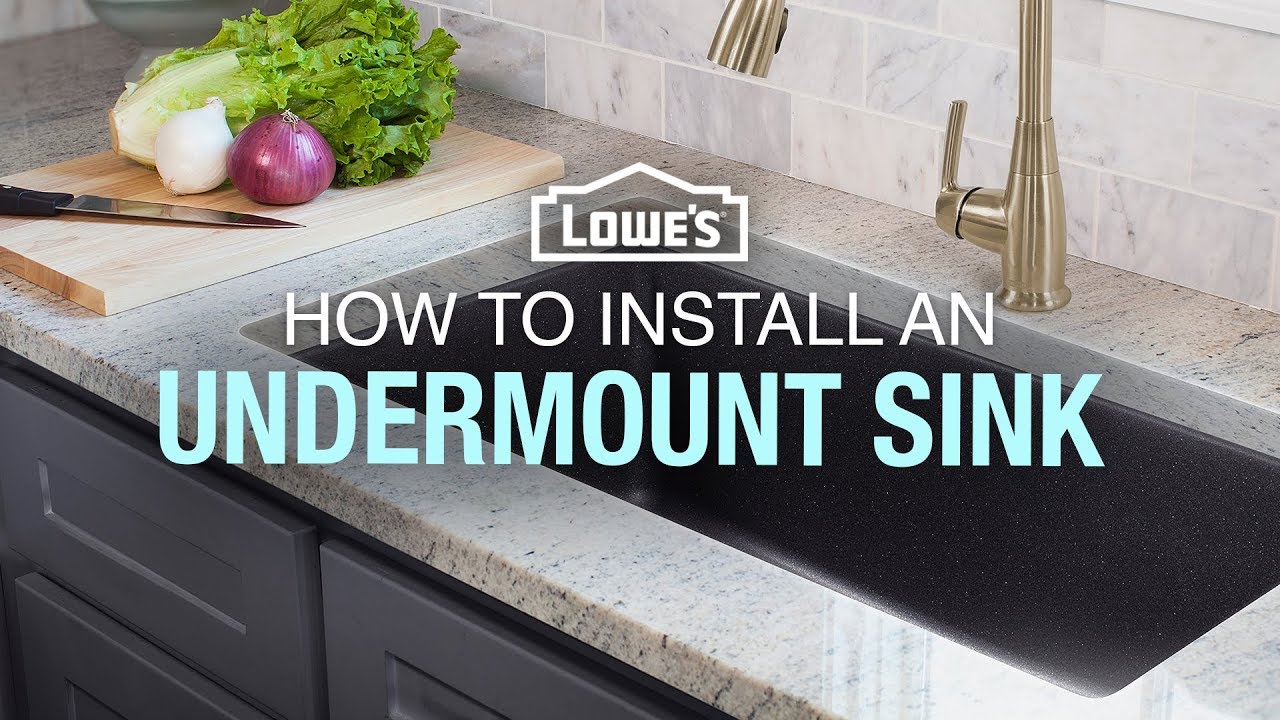
Image Source: i.ytimg.com
Preparing for Your Undermount Sink Replacement
Before you begin the actual removal of your old sink, thorough preparation is key to a safe and efficient process. This involves gathering all the necessary tools and materials, as well as protecting your workspace.
Gathering Your Tools and Materials
Having everything you need readily available will prevent frustrating interruptions. Here’s a comprehensive list:
- New Undermount Sink: Ensure it’s the correct size and style for your needs.
- New Drain Assembly and Strainer: It’s wise to replace these with your sink.
- Plumber’s Putty or Silicone Sealant: Essential for creating a watertight seal.
- Adjustable Wrenches (Two): For disconnecting and reconnecting plumbing.
- Pipe Wrench: For stubborn connections.
- Screwdriver Set: For various screws and mounting hardware.
- Utility Knife or Caulk Scraper: To cut through old sealant.
- Pry Bar or Putty Knife: For gently separating the sink from the countertop.
- Safety Glasses: To protect your eyes from debris.
- Work Gloves: To protect your hands.
- Bucket or Container: To catch any residual water.
- Towels or Rags: For cleaning up spills.
- Drop Cloths or Old Blankets: To protect your flooring and cabinets.
- Safety Rope or Cord: If working under the sink in a tight space.
- Flashlight or Work Light: For good visibility.
- New Supply Lines: Recommended for a fresh connection to the faucet.
- Silicone Caulk Gun: For applying sealant neatly.
- Optional: Undermount Sink Clips or Mounting Brackets: Some sinks require these for secure mounting.
Protecting Your Workspace
Proper protection of your kitchen and cabinets is crucial to avoid damage.
- Clear the Area: Remove everything from under the sink and clear the countertop around the sink area.
- Protect Cabinets: Place drop cloths or old blankets inside the sink base cabinet to catch drips and debris.
- Protect Flooring: Lay down drop cloths or old towels on the floor in front of the cabinet to absorb any water that might escape.
Step-by-Step Guide to Undermount Sink Removal
The removal process requires patience and careful execution to avoid damaging your countertop or the surrounding cabinetry.
Disconnecting the Plumbing
This is a critical step that involves shutting off the water supply and carefully disconnecting the existing plumbing.
Shutting Off Water Supply
- Locate Shut-off Valves: Look for the hot and cold water shut-off valves under the sink, usually connected to the supply lines leading to the faucet.
- Turn Off Valves: Turn the handles clockwise until they are fully closed.
- Test Water Flow: Turn on the faucet to ensure the water is completely shut off. Let any remaining water drain from the lines.
Disconnecting Supply Lines
- Position Bucket: Place a bucket or container under the water supply connections to catch any residual water.
- Loosen Connections: Use an adjustable wrench to loosen the nuts connecting the flexible supply lines to the faucet tails.
- Remove Supply Lines: Once loosened, you can unscrew the nuts by hand and remove the supply lines.
Disconnecting the Drain and Garbage Disposal (if applicable)
- Position Bucket: Place a bucket beneath the P-trap (the U-shaped pipe) to catch water.
- Loosen P-trap: Use adjustable wrenches to loosen the slip nuts on either side of the P-trap.
- Remove P-trap: Carefully remove the P-trap, allowing any trapped water to drain into the bucket.
- Garbage Disposal: If you have a garbage disposal, you’ll need to disconnect its electrical connection (ensure the power is OFF at the breaker!) and then unscrew the mounting ring that connects it to the sink drain flange. You may need a special disposal wrench for this.
- Drainpipe: Disconnect the drainpipe from the wall.
Detaching the Sink from the Countertop
This is where you’ll use tools to break the seal between the sink and the countertop.
Cutting Through Old Sealant
- Inspect Sealant: Identify the caulk or sealant around the edge where the sink meets the countertop.
- Use Utility Knife/Scraper: Carefully insert a utility knife or a caulk scraper into the seam and cut through the old sealant. Work your way around the entire perimeter of the sink. Be gentle to avoid scratching the countertop.
Releasing Undermount Sink Clips
Undermount sinks are typically held in place by clips screwed into the underside of the countertop.
- Locate Clips: Get under the sink and locate the undermount sink clips. These are usually metal brackets that press against the sink rim and are screwed into the countertop material.
- Unscrew Clips: Use a screwdriver or the appropriate tool to unscrew and remove all the clips. Keep track of any screws or small parts.
Gently Prying the Sink Loose
- Test for Movement: Once all clips are removed and sealant is cut, gently try to push the sink up from underneath. If it doesn’t move, you may have missed some sealant or clips.
- Use Pry Bar/Putty Knife: Carefully insert a putty knife or a thin pry bar between the sink rim and the countertop. Work slowly and apply gentle, even pressure to loosen the sink. Avoid forcing it, as this can damage the countertop or the sink itself.
- Two-Person Job: It’s highly recommended to have a second person assist you during this stage. One person can support the sink as it becomes loose, preventing it from dropping suddenly.
Removing the Old Sink
With the plumbing disconnected and the sink detached from the countertop, you can now remove it.
- Lift Out Carefully: With the help of your assistant, carefully lift the old sink out of the opening. Be mindful of its weight, especially if it’s a large or heavy material like cast iron.
- Clean the Opening: Once the old sink is out, thoroughly clean the countertop opening. Remove any remaining sealant, debris, or adhesive with a scraper and cleaner. Ensure the surface is smooth and clean for the new sink installation.
Preparing the New Sink for Installation
Before you can fit the new sink, you need to prepare it with the necessary components.
Attaching the Faucet and Drain Assembly
This is much easier to do before the sink is in place.
Installing the Undermount Sink Faucet
- Position Faucet: Place the new undermount sink faucet in its designated holes on the sink.
- Secure with Gaskets and Nuts: Follow the faucet manufacturer’s instructions. Typically, you’ll place a gasket, then insert the faucet, and secure it from underneath with washers and mounting nuts. Tighten these securely but avoid over-tightening, which could crack the sink or damage the faucet base.
- Connect Supply Lines: Attach the new flexible supply lines to the faucet tails, hand-tightening them first, then using an adjustable wrench for a snug fit.
Installing the Undermount Sink Drain
- Apply Plumber’s Putty: Roll a rope of plumber’s putty and place it around the underside of the drain flange.
- Insert Flange: Insert the drain flange into the sink drain opening from the top.
- Attach Strainer Body: From underneath the sink, slide the rubber gasket, then the friction washer, and finally the locknut onto the drain flange.
- Tighten Locknut: Use an adjustable wrench to tighten the locknut, pressing the putty and gasket to create a watertight seal. Clean away any excess putty that squeezes out around the flange.
- Assemble P-trap: Reassemble the P-trap to the new drain body, ensuring the slip nuts are snug.
Installing the New Undermount Sink
This is the stage where the new sink finds its permanent home.
Positioning the Sink
- Apply Sealant: Apply a continuous bead of silicone sealant or plumber’s putty around the underside rim of the new undermount sink where it will meet the countertop. For silicone, use a caulk gun and aim for an even bead.
- Carefully Place Sink: With the help of your assistant, carefully lift the new sink and position it into the countertop opening. Ensure it’s centered and aligned correctly. Press down firmly to engage the sealant.
Securing the Sink with Clips or Brackets
The method for securing the sink will depend on its design and the countertop material.
Using Undermount Sink Clips
- Install Clips: If your sink came with undermount sink clips, position them according to the manufacturer’s instructions. These clips typically hook onto the sink rim and are screwed into the underside of the countertop.
- Tighten Clips: Gradually tighten the screws on the clips to pull the sink snugly against the underside of the countertop. Tighten them evenly around the sink to ensure a consistent seal.
Using Undermount Sink Brackets
Some installations might involve specialized undermount sink brackets that provide extra support, especially for heavier sinks or certain countertop materials like granite.
- Follow Manufacturer’s Instructions: These brackets often attach to the underside of the countertop and then directly to the sink rim. Carefully follow the specific instructions provided with your sink and brackets for proper installation and secure mounting.
Connecting the Plumbing
Now it’s time to reconnect the water supply and drain lines.
Connecting Water Supply Lines
- Attach to Faucet: Connect the flexible supply lines from the faucet to the corresponding hot and cold water shut-off valves.
- Tighten Connections: Hand-tighten the connections first, then use an adjustable wrench to snug them up. Avoid over-tightening.
Connecting Drain Plumbing
- Attach P-trap: Connect the P-trap to the new drain assembly.
- Connect to Wall Pipe: Connect the P-trap to the drainpipe in the wall.
- Tighten Nuts: Ensure all slip nuts are tightened securely to prevent leaks.
Final Touches and Testing
Once everything is in place, it’s time for the crucial final steps.
Testing for Leaks
This is a vital step to ensure a watertight installation.
- Turn on Water: Slowly turn on the hot and cold water shut-off valves under the sink.
- Check Faucet: Turn on the faucet and let water run for a few minutes.
- Inspect All Connections: Carefully inspect all plumbing connections, including the supply lines at the faucet and the shut-off valves, and all drain connections (flange, P-trap, wall connection) for any signs of dripping or leaks.
- Run Water and Fill Sink: Fill the sink with water and then let it drain. Check the drain connections again while the water is draining and after it has drained.
- Tighten if Necessary: If you find any leaks, gently tighten the offending connection. If the leak persists, you may need to re-seat the connection or check the seals.
Cleaning and Sealing
A clean finish not only looks good but also helps prevent water damage.
- Clean Excess Sealant: Use a damp cloth or paper towel to wipe away any excess silicone sealant or plumber’s putty that squeezed out around the sink rim during installation. Work carefully to avoid smearing it onto the countertop.
- Final Wipe Down: Give the new sink, faucet, and surrounding countertop a final wipe-down to ensure it’s clean and ready for use.
Frequently Asked Questions About Undermount Sink Replacement
Here are some common questions people have when undertaking this project.
How long does it take to replace an undermount kitchen sink?
The time it takes can vary significantly based on your experience level, the complexity of the existing plumbing, and the countertop material. For an experienced DIYer, it might take anywhere from 3 to 6 hours. For a beginner, it could take a full day or even two if unexpected issues arise.
What is the best sealant for an undermount sink?
Silicone caulk is generally the preferred sealant for undermount sinks. It remains flexible, waterproof, and durable, providing a reliable seal between the sink and the countertop. Some plumbers also use plumber’s putty, but silicone offers better long-term flexibility and sealing properties in this application.
Can I replace an undermount sink with a top-mount sink?
While it’s technically possible, it’s not usually recommended. An undermount sink has a larger opening cut into the countertop specifically for its rim to sit flush underneath. A top-mount sink, also known as a drop-in sink, is designed to sit on top of the countertop and has a lip that covers the cut edge. If you were to install a top-mount sink in an undermount opening, you would likely have a significant gap around the edges that would need to be filled with caulk or a custom trim piece, which might not look aesthetically pleasing or provide a secure fit. It’s best to stick with an undermount sink for an undermount opening.
What are undermount sink brackets for?
Undermount sink brackets are specialized support systems that provide extra security and stability for undermount sinks. They are particularly useful for heavier sinks (like cast iron or granite composite), sinks in kitchens with thicker or less rigid countertops, or in situations where the undermount sink clips alone might not provide sufficient support. These brackets typically attach to the underside of the countertop and then anchor to the sink itself, distributing the weight more evenly and preventing any sagging.
What is the difference between undermount sink installation and top-mount sink installation?
The primary difference lies in how the sink is attached to the countertop. In undermount sink installation, the sink is attached from underneath the countertop, creating a seamless transition between the sink and the counter. This makes cleaning easier as there’s no lip to trap debris. In contrast, a top-mount sink (drop-in) has a rim that rests on top of the countertop, covering the cutout. The installation is simpler as the sink essentially “drops in.”
How do I choose the right undermount sink faucet?
When selecting an undermount sink faucet, consider the number of holes in your sink and countertop. Ensure the faucet you choose has the correct number of holes for its base, sprayer, soap dispenser, etc. Also, consider the style of your kitchen, the sink material, and your personal preferences for functionality and finish. The faucet needs to be compatible with the sink’s depth and clearance underneath.
What is the purpose of an undermount sink drain?
The undermount sink drain is the component that connects the sink basin to the P-trap and ultimately to your home’s drainage system. It includes the drain flange that sits in the sink’s drain opening and the basket strainer, which helps filter out food particles and prevent clogs. For an undermount sink, the drain assembly is crucial for a watertight seal to the underside of the countertop.
What is undermount sink plumbing?
Undermount sink plumbing refers to all the pipes, fittings, and connections that carry water to and from the sink. This includes the hot and cold water supply lines that connect to the faucet, the drain pipes that carry wastewater away from the sink, and the P-trap which prevents sewer gases from entering the kitchen. Proper undermount sink plumbing is essential for a functional and leak-free sink installation.
What type of countertop is best for an undermount sink?
Undermount sinks work best with solid surface countertops that are non-porous and can be easily sealed. Materials like granite, quartz, marble, solid surface (like Corian), and concrete are excellent choices. Laminate countertops are generally not suitable for undermount sinks because the cut edge is exposed and can delaminate or absorb moisture, leading to damage.
How tight should undermount sink clips be?
Undermount sink clips should be tightened firmly enough to pull the sink snugly against the underside of the countertop, creating a good seal with the sealant. However, they should not be so tight that they put excessive stress on the sink, the countertop, or the clips themselves, which could lead to cracking or breakage. The goal is a secure, even pressure all around the sink.
By following these detailed steps, you can confidently tackle the replacement of your undermount kitchen sink, enhancing both the functionality and appearance of your kitchen.