
Image Source: i.ytimg.com
How To Replace Cartridge In Moen Kitchen Faucet: A DIY Fix
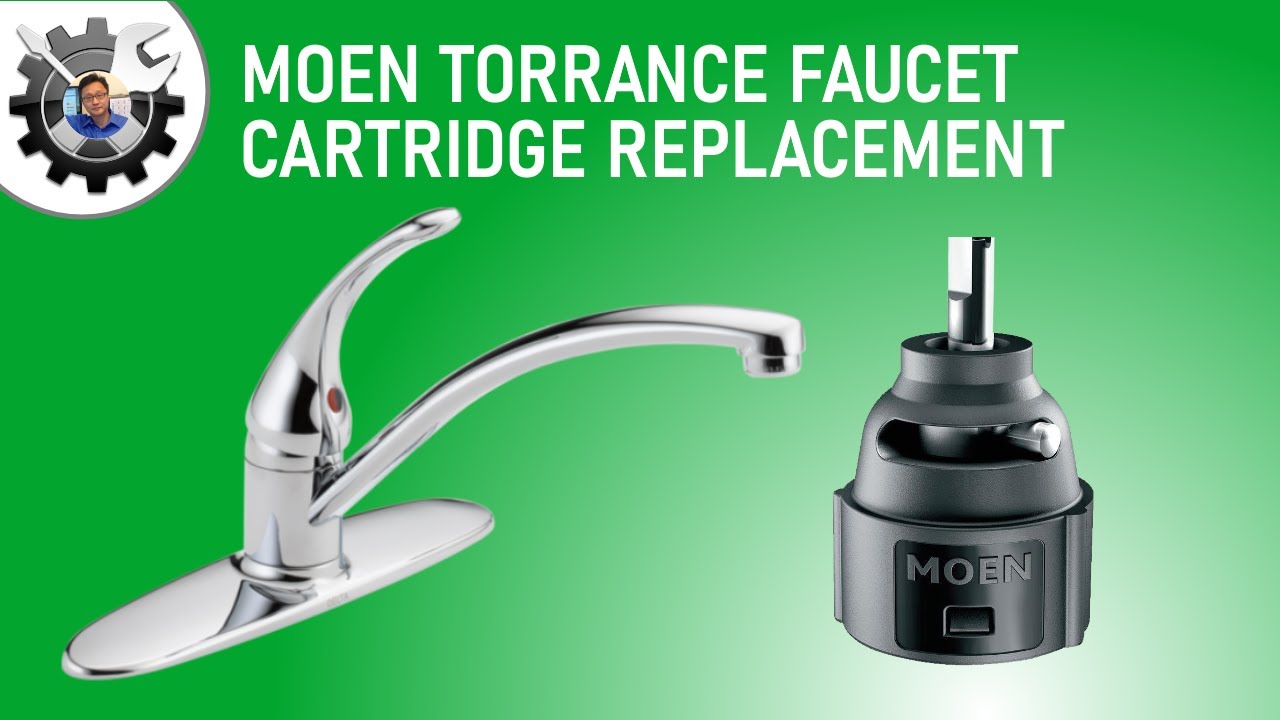
Can you replace a cartridge in a Moen kitchen faucet yourself? Yes, absolutely! With a few basic tools and this guide, you can tackle a Moen faucet repair and stop that annoying drip yourself. This guide will walk you through the simple steps of Moen faucet cartridge replacement, a common task in Moen kitchen faucet maintenance that can save you money and hassle. We’ll cover everything you need to know about identifying the right Moen faucet parts, performing the actual changing faucet cartridge process, and even touch on Moen handle replacement if that’s part of your issue. Get ready for a successful DIY faucet repair!
Why Replace Your Moen Faucet Cartridge?
The heart of your Moen kitchen faucet is its cartridge. This small but crucial component controls the flow and temperature of water. Over time, these cartridges can wear out, leading to common problems like:
- Leaky Faucets: The most frequent culprit for a persistent drip from your spout or handle.
- Difficulty Controlling Water Temperature: If you struggle to find the right mix of hot and cold water, the cartridge might be the issue.
- Stiff or Loose Handle: A worn cartridge can make your faucet handle difficult to operate.
Addressing these issues through Moen faucet repair is a practical skill for any homeowner. Often, the problem is localized to the cartridge, making replacing valve cartridge the most effective solution.
Gathering Your Tools and Parts
Before you begin Moen faucet cartridge replacement, ensure you have everything you need. This will make the process smooth and efficient.
Essential Tools for the Job
- Phillips Head Screwdriver: For removing handle screws.
- Flathead Screwdriver: Useful for prying off decorative caps or certain retaining clips.
- Adjustable Wrench or Pliers: To loosen and tighten nuts, especially the retaining nut holding the cartridge.
- Allen Wrench Set: Some Moen faucets use an Allen screw to secure the handle.
- Rag or Towel: To protect your sink and catch any residual water.
- Bucket or Bowl: To catch any water that might drain from the faucet lines.
- Penetrating Oil (Optional): For stubborn parts that are hard to remove.
Identifying the Correct Moen Faucet Cartridge
This is a critical step in Moen faucet repair. Using the wrong cartridge will prevent your faucet from working correctly.
How to find the right Moen faucet cartridge:
- Check Your Faucet Model: Look for a model number on the underside of your faucet, on the spout, or sometimes on the escutcheon plate (the decorative piece behind the handle). If you can’t find it, take a picture of your faucet and visit the Moen website.
- Use Moen’s Website: Moen has an excellent online tool that allows you to identify your faucet by uploading a picture or entering its characteristics. Once identified, they will provide you with the correct replacement cartridge number.
- Visit a Plumbing Supply Store: Bring a picture of your faucet or the old cartridge (if you’ve already removed it) to a local plumbing supply store. Their staff can help you find the exact Moen faucet parts you need.
Common Moen Cartridge Types:
While there are many variations, some common Moen cartridges include:
- 1222: Often found in single-handle faucets.
- 1225: Another common cartridge for single-handle models.
- 1234: Used in some newer single-handle faucets.
Knowing your faucet model is the best way to ensure you get the correct Moen faucet parts.
Step-by-Step Guide to Moen Faucet Cartridge Replacement
Let’s get started with the actual Moen faucet cartridge replacement. Follow these steps carefully for a successful DIY faucet repair.
Step 1: Turn Off the Water Supply
Safety first! Before you begin Moen kitchen faucet maintenance, you must turn off the water supply to the faucet.
- Locate Shut-Off Valves: Look under your sink. You should see two valves (one for hot water, one for cold) connected to the pipes leading to your faucet.
- Turn the Valves: Turn the handles of these valves clockwise until they are fully closed.
- Test: Turn on your faucet to ensure no water is flowing out. This also releases any remaining pressure in the lines.
Step 2: Remove the Faucet Handle
The method for removing the handle can vary slightly depending on your Moen faucet model.
Common Handle Removal Methods:
- Decorative Cap: Many Moen handles have a small decorative cap (often marked with red for hot and blue for cold) that conceals a screw.
- Gently pry off the cap using a small flathead screwdriver or even your fingernail.
- You’ll find a Phillips head screw underneath. Unscrew it completely.
- Set Screw: Some handles are secured by a set screw on the side or back of the handle.
- You may need an Allen wrench to loosen this screw. Turn it counter-clockwise. You don’t need to remove the screw entirely, just loosen it enough to release the handle.
Once the screw is removed or loosened, pull the handle straight up or off the faucet stem. If it’s stuck, you might need to gently wiggle it or use a handle puller tool (available at hardware stores) to avoid damaging the faucet. This is also the step if you are planning on Moen handle replacement.
Step 3: Remove the Handle Adapter and Escutcheon (If Applicable)
After removing the handle, you might see a decorative cover or adapter.
- Handle Adapter: This is often a piece that screws onto the valve body. You can usually unscrew it by hand or with pliers/wrench. Be gentle to avoid scratching the finish.
- Escutcheon Cap/Plate: Some faucets have a larger decorative plate that sits against the sink. This might unscrew, or it might be held in place by the retaining nut.
Step 4: Remove the Retaining Nut
This is the component that holds the cartridge in place.
- Locate the Nut: It’s a large nut that surrounds the top of the valve body.
- Loosen the Nut: Use your adjustable wrench or pliers to turn the nut counter-clockwise.
- Grip Carefully: Ensure your wrench or pliers have a good grip on the nut. If it’s very tight, a quick spray of penetrating oil can help.
Step 5: Extract the Old Cartridge
Once the retaining nut is off, the cartridge should be accessible.
- Pull Out the Cartridge: For most Moen cartridges, you can pull them straight up and out. They might be snug.
- Using a Cartridge Puller Tool: If the cartridge is stubborn and won’t budge, Moen provides (or sells) a specific cartridge puller tool. This tool is designed to grip the cartridge securely and provide leverage for removal. This is a common tool for Moen faucet repair when the cartridge is stuck.
- Note the Cartridge Orientation: Before removing the old cartridge completely, take a moment to observe how it’s seated. This will help you install the new one correctly. There might be notches or tabs that need to align.
Step 6: Install the New Cartridge
Now it’s time to insert the new Moen faucet parts.
- Lubricate (Optional but Recommended): Apply a small amount of plumber’s grease or silicone grease to the O-rings on the new cartridge. This helps it slide in easily and creates a better seal.
- Align the Cartridge: Carefully insert the new cartridge into the valve body, ensuring it’s oriented correctly. Match any notches or tabs on the cartridge with corresponding slots in the faucet body.
- Seat it Properly: Push the cartridge down firmly until it sits flush within the valve body.
Step 7: Reassemble the Faucet
Reverse the steps you took to disassemble.
- Replace the Retaining Nut: Screw the retaining nut back onto the valve body clockwise. Tighten it with your wrench or pliers, but don’t overtighten it – just snug is usually sufficient.
- Reattach Escutcheon/Adapter: Screw any adapters or escutcheon plates back into place.
- Reattach the Handle: Slide the handle back onto the stem and reinsert and tighten the handle screw or set screw. If you removed a decorative cap, snap it back on.
Step 8: Turn the Water Supply Back On
The moment of truth!
- Slowly Open Valves: Slowly turn the water shut-off valves back on by turning them counter-clockwise.
- Check for Leaks: Inspect around the handle and spout for any signs of leaks.
- Test Faucet Operation: Turn on the faucet and check for proper water flow and temperature control.
Congratulations, you’ve successfully completed your Moen faucet cartridge replacement!
Troubleshooting Common Issues During Moen Faucet Repair
Even with careful work, you might encounter a few hiccups. Here’s how to address common problems encountered during Moen faucet repair or changing faucet cartridge:
| Problem | Possible Cause | Solution |
|---|---|---|
| Faucet still leaks | Cartridge not seated correctly; retaining nut too loose or too tight; debris in valve body; wrong cartridge. | Ensure cartridge is aligned and fully seated. Tighten retaining nut to a snug fit. Inspect valve body for debris. Double-check you have the correct Moen faucet parts. |
| Handle is stiff/loose | Handle screw not tight; internal parts not seated properly; wrong cartridge. | Tighten handle screw. Ensure all components are seated correctly. Verify you have the right replacement cartridge. |
| Water temperature issues | Cartridge installed backward; debris obstructing temperature mixing ports. | Remove and reinstall the cartridge, ensuring correct orientation. Clean the valve body and cartridge ports. |
| Difficulty removing handle | Mineral buildup or corrosion; set screw not fully loosened. | Apply penetrating oil and let it sit. Ensure the set screw is fully loosened. Gently wiggle the handle. Consider a handle puller if needed. |
| Retaining nut stuck | Mineral buildup or overtightening. | Apply penetrating oil and let it sit for a while. Use a well-fitting wrench and apply steady pressure. |
When to Call a Professional
While DIY faucet repair is often straightforward, there are times when it’s best to call a plumber.
- Unsure About Faucet Model: If you absolutely cannot identify your faucet or the correct cartridge, a professional can help.
- Stubbornly Stuck Parts: If you’ve tried penetrating oil and gentle force, and parts still won’t budge, you risk damaging the faucet.
- Multiple Leaks or Issues: If you have multiple leaks or the problem seems more complex than just the cartridge, a plumber can diagnose and fix it.
- Lack of Confidence: If you feel uncomfortable or unsure at any point, it’s better to get professional help to avoid causing more damage.
Frequently Asked Questions (FAQ) about Moen Faucet Cartridge Replacement
Q1: How often should I replace my Moen faucet cartridge?
A1: There’s no set schedule. You replace it when you notice signs of wear, like leaks or temperature control issues. A well-maintained cartridge can last for many years. Regular Moen kitchen faucet maintenance can help prolong its life.
Q2: Can I use a generic cartridge instead of a Moen-specific one?
A2: It’s highly recommended to use genuine Moen Moen faucet parts, specifically the correct Moen cartridge for your model. Generic cartridges may not fit properly or perform as well, leading to further leaks or operational problems.
Q3: What if my faucet handle is broken? Can I replace that too?
A3: Yes, if your handle is damaged, you can often replace it. The process of Moen handle replacement is usually done after the cartridge is removed or while the valve body is exposed. You’ll need to identify your faucet model to order the correct handle.
Q4: My faucet drips from the base of the handle, not the spout. Is it still the cartridge?
A4: A leak from the base of the handle often indicates a problem with the O-rings on the cartridge or the cartridge itself, especially if you’re having trouble with temperature control. Moen faucet troubleshooting often points to the cartridge for these types of leaks.
Q5: Do I need a special tool for every Moen faucet cartridge replacement?
A5: Not always. Many Moen cartridges can be removed with basic tools. However, a Moen cartridge puller tool is invaluable if the cartridge is old, corroded, or difficult to extract, and it can prevent damage to the faucet body.
Q6: How do I know if I have a faulty cartridge versus another plumbing issue?
A6: If the leak or operational problem is directly related to the faucet handle (difficulty turning, leaking around the handle, temperature control), it’s very likely the cartridge. If the leak is from the supply lines or the base of the faucet where it meets the sink, it could be a different issue.
Q7: Is it cheaper to replace the cartridge myself than call a plumber?
A7: Generally, yes. The cost of a Moen replacement cartridge is typically in the range of $15-$50, depending on the model. A plumber’s service call can easily cost $100-$200 or more. DIY faucet repair can offer significant savings.
By following this comprehensive guide, you can confidently perform a Moen faucet cartridge replacement and keep your kitchen faucet in excellent working order. This Moen faucet repair is a rewarding DIY project that empowers you to handle common home maintenance tasks.