
Do you need to replace your kitchen sink strainer? Yes, you can replace a kitchen sink strainer yourself with basic tools and a little patience. This guide will walk you through the entire process of kitchen sink drain replacement, from identifying the problem to enjoying your new, leak-free sink.
A faulty sink strainer can lead to annoying drips, slow draining, or even a full-blown leaky kitchen sink drain. Fortunately, replacing a sink strainer assembly is a straightforward DIY project that most homeowners can tackle. We’ll cover everything you need to know about replacing sink strainer basket and installing a new sink strainer without calling a plumber.
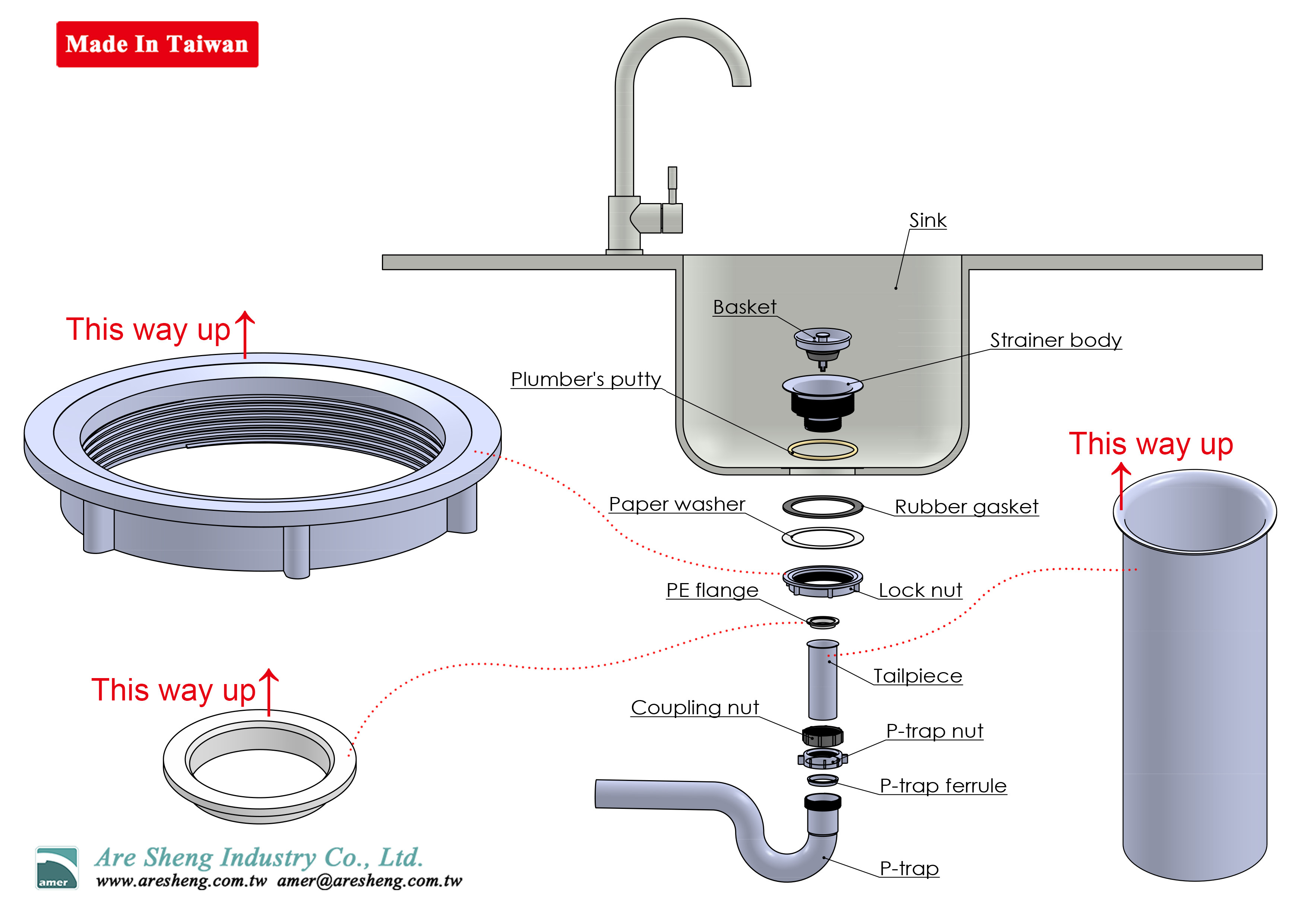
Image Source: www.aresheng.com.tw
Why Replace Your Sink Strainer?
Over time, the components of your kitchen sink drain can wear out. The strainer, often made of metal or plastic, is constantly exposed to water, food debris, and cleaning chemicals. This can cause it to corrode, crack, or become difficult to seal properly.
Common signs that indicate it’s time to replace your sink strainer include:
- Visible rust or corrosion: Especially around the edges of the strainer basket or the drain flange.
- Dripping water under the sink: This is a clear sign that the seals are failing.
- Slow draining: While this can also indicate a clog, a damaged strainer can sometimes contribute.
- Difficulty turning the strainer basket: If the basket is warped or corroded, it may be hard to operate.
- Unpleasant odors: A cracked or damaged strainer can allow gasses from the pipes to escape.
Gathering Your Tools and Materials
Before you start, make sure you have everything you need. Having all your kitchen sink drain parts and tools ready will make the job much smoother.
Essential Tools
- Adjustable wrench or pipe wrench: For loosening and tightening the nuts holding the drain assembly.
- Plumber’s putty: This pliable material creates a watertight seal between the drain flange and the sink.
- Screwdriver (Phillips or flathead): May be needed for some drain assemblies.
- Bucket or large bowl: To catch any residual water when you disconnect the drainpipe.
- Rags or old towels: For wiping up spills and keeping the work area dry.
- Safety glasses: To protect your eyes from falling debris or splashing water.
- Gloves: To keep your hands clean and protected.
- Utility knife or putty knife: To scrape away old plumber’s putty.
- Pliers (optional): Can be helpful for gripping stubborn parts.
Necessary Materials
- New sink strainer assembly: Ensure it’s the correct size and type for your sink. Most kitchen sinks use a standard 3-1/2 inch drain opening.
- New plumber’s putty: You’ll need a fresh tub for a good seal.
- New rubber gaskets and washers: These usually come with the new strainer assembly, but it’s good to check.
Step-by-Step Guide to Replacing Your Kitchen Sink Strainer
This guide will detail how to remove your old strainer and properly install a new one. We’ll focus on the common methods for kitchen sink drain replacement.
Step 1: Prepare the Area and Turn Off the Water
Safety First! Before you begin any plumbing repairs sink, it’s crucial to prepare your workspace and ensure safety.
- Clear the area: Remove everything from under your sink. This will give you ample space to work.
- Place a bucket: Put a bucket or a large bowl directly under the P-trap (the U-shaped pipe) to catch any water that might spill out.
- Turn off the water supply: While you don’t always need to turn off the main water supply for a sink strainer replacement, it’s a good practice to turn off the hot and cold water valves under the sink. These are usually located on the pipes leading to your faucet. Turn the faucet handles to ensure the water is off.
Step 2: Remove the Old Sink Strainer
This is where we start the actual kitchen sink drain replacement.
How to Remove Sink Strainer
- Locate the locknut: Look under the sink where the drainpipe connects to the kitchen sink drain flange. You’ll see a large nut, often called a locknut or slip nut, that secures the strainer assembly to the underside of the sink.
- Loosen the locknut: Use your adjustable wrench or pipe wrench to turn the locknut counter-clockwise. It might be tight, so you may need to apply some force. If it’s very stubborn, a penetrating lubricant can help.
- Disconnect the tailpiece: Once the locknut is loose, you should be able to pull the tailpiece (the pipe directly below the strainer) away from the drain assembly.
- Remove the old strainer: From inside the sink, grasp the old strainer basket and twist it counter-clockwise. It might also have a large nut on the underside holding it to the flange. If it’s stuck, you might need to use pliers or a specialized drain wrench. In some cases, the strainer basket itself is a separate piece that screws into the kitchen sink drain flange mounted to the sink. If you can’t unscrew the basket, you may need to unscrew the entire flange from underneath.
- Remove the old flange: Once the locknut and tailpiece are off, the kitchen sink drain flange should be loose. Reach up into the sink and pull the flange and its attached gasket upwards. If it’s sealed with old plumber’s putty, you might need to gently pry it with a putty knife or utility knife.
Step 3: Clean the Sink Drain Opening
A clean surface is essential for a good seal.
- Scrape away old putty: Use a putty knife or utility knife to carefully scrape away all the old plumber’s putty and any remaining gunk from the sink’s drain opening. Be careful not to scratch the sink surface.
- Wipe clean: Use a damp rag to wipe the area thoroughly. Ensure it’s completely dry before proceeding.
Step 4: Install the New Sink Strainer Assembly
Now it’s time for installing a new sink strainer.
Replacing Sink Strainer Basket and Flange
- Apply plumber’s putty: Take a generous amount of plumber’s putty and roll it into a rope about 1/2 inch thick. Press this rope of putty firmly around the underside of the lip of the new kitchen sink drain flange. This putty will create the watertight seal.
- Insert the new flange: Carefully insert the new flange into the drain opening from inside the sink. Press down firmly to embed it in the putty.
- Attach the gasket and mounting hardware: From underneath the sink, slide the rubber gasket (usually the thickest one) over the threaded tail of the flange. Then, add any washers and the locknut.
- Tighten the locknut: Hand-tighten the locknut onto the flange first. Then, use your adjustable wrench to tighten it another half to full turn. Avoid overtightening, as this can crack the sink or damage the flange. The goal is to compress the putty and gasket enough to create a seal.
- Install the strainer basket: Now, insert the new strainer basket into the flange from inside the sink. Some strainers have a screw at the bottom that tightens the basket to the flange. If yours does, screw it in place and tighten it. If it’s a twist-and-lock type, follow the manufacturer’s instructions.
Step 5: Reconnect the Drainpipe
This part connects your new strainer to your existing plumbing.
- Position the tailpiece: Align the tailpiece with the threaded outlet on the bottom of the new sink strainer assembly.
- Tighten the slip nut: Hand-tighten the slip nut onto the tailpiece and the strainer assembly. Then, use your wrench to tighten it another quarter to half turn. Again, don’t overtighten.
- Check for leaks: Once everything is snug, run some water into the sink. Turn on both hot and cold water. Watch carefully underneath the sink for any drips or leaks around the locknut, the tailpiece connections, or the flange.
Step 6: Test for Leaks and Final Checks
Thorough testing ensures your plumbing repairs sink are successful.
- Fill and drain: Fill the sink basin about halfway with water, then release the stopper. While the water is draining, inspect all the connections underneath for leaks.
- Run water: Turn on the faucet and let the water run for a minute. Check all connection points again for any signs of moisture.
- Tighten if necessary: If you notice a small drip, try tightening the corresponding nut by another quarter turn. Sometimes, a slightly loose connection is the culprit.
Congratulations! You’ve successfully completed your kitchen sink drain replacement and installing a new sink strainer.
Troubleshooting Common Issues
Even with the best efforts, you might encounter a few snags. Here are some common problems and how to address them.
Persistent Leaks
If you still have a leaky kitchen sink drain after tightening:
- Re-check putty: The plumber’s putty might not have been applied evenly or in enough quantity. You may need to disassemble the flange and reapply putty.
- Gasket issues: Ensure the rubber gasket is seated correctly and hasn’t been pinched or damaged.
- Warped flange: In rare cases, the new flange might be slightly warped. If this happens, you might need to replace it.
- Sink surface: If your sink’s drain opening is damaged or uneven, it can prevent a good seal.
Strainer Basket Won’t Seat Properly
If the replacing sink strainer basket is difficult:
- Debris: Ensure there’s no old putty or debris left in the drain opening that’s preventing it from seating correctly.
- Incorrect size: Double-check that you purchased the correct size strainer for your sink.
- Damaged threads: Inspect the threads on both the strainer and the flange for any damage.
Difficulty Removing the Old Strainer
If the old strainer is seized:
- Penetrating oil: Apply a penetrating oil like WD-40 to the locknut and allow it to sit for 15-30 minutes.
- Heat: Sometimes, gently heating the locknut with a hairdryer can help expand it slightly and break the seal.
- Drain wrench: Specialized drain wrenches are available that can provide better leverage.
- Cutting the old one: As a last resort, you might need to cut the old locknut or flange off with a hacksaw, being extremely careful not to damage the sink itself.
What About Clogs?
While this guide focuses on replacing the strainer, sometimes a slow drain is due to a clog. If you notice your sink isn’t draining well after replacing the strainer, you might be dealing with a blockage.
How to Fix a Clogged Sink Drain
- Plunger: A simple plunger can often dislodge minor clogs. Ensure a good seal around the drain and plunge vigorously.
- Drain snake/auger: For tougher clogs, a drain snake can reach deeper into the pipes to break up or pull out debris.
- Baking soda and vinegar: Pour 1/2 cup of baking soda down the drain, followed by 1 cup of vinegar. Let it fizz for 15 minutes, then flush with hot water.
- Chemical drain cleaners: Use these sparingly and with caution, as they can be harsh on pipes and the environment. Always follow product instructions carefully.
Remember, if your primary issue was a leak and the drain was already working fine, a clog is unlikely to be related to your strainer replacement.
Different Types of Sink Strainers
There are a few variations of sink strainer assemblies you might encounter:
| Strainer Type | Description | Installation Notes |
|---|---|---|
| Basket Strainer | The most common type. Features a basket that lifts to strain food from water. Usually includes a stopper. | The basket often screws into the flange or is held by a central bolt. |
| Strainer with Post | A solid stopper is attached to a central post that screws into the drain flange. | The post needs to be screwed securely into the flange. |
| Strainer with Tailpiece Assembly | Often a one-piece unit where the strainer, flange, and tailpiece are integrated or easily connect. | Simpler installation, as fewer separate parts need to be assembled. |
When buying a new sink strainer assembly, ensure you get one compatible with your sink’s material and thickness. Most are designed for standard stainless steel and composite sinks.
Frequently Asked Questions (FAQ)
Q1: How often should I replace my kitchen sink strainer?
There’s no set schedule. You should replace it when you notice signs of wear, corrosion, or leaks. A well-maintained strainer can last many years.
Q2: Can I use silicone sealant instead of plumber’s putty?
While some DIYers use silicone, plumber’s putty is the standard and generally recommended sealant for drain flanges. It remains pliable and creates a more reliable seal, especially with metal sinks. Silicone can harden and crack over time.
Q3: What is the kitchen sink drain flange?
The kitchen sink drain flange is the metal ring or disc that sits inside your sink, around the drain opening. It’s what the strainer basket sits in and is secured to the sink from underneath with gaskets and a locknut.
Q4: My new strainer is leaking. What did I do wrong?
Most likely, the seal isn’t tight enough. Double-check that the plumber’s putty was applied evenly around the flange and that the locknut underneath is sufficiently tightened (but not over-tightened). Ensure the rubber gasket is correctly positioned.
Q5: Do I need to replace the entire drainpipe if my strainer is old?
Not necessarily. The strainer is usually a separate component that screws into or attaches to the drain flange, which is then connected to the tailpiece and P-trap. You only need to replace the parts that are worn out or damaged.
By following these steps, you can confidently tackle the task of replacing sink strainer basket and ensure your kitchen sink is functioning perfectly. This simple DIY fix can save you money and prevent minor leaks from becoming bigger problems.