
Can you separate a kitchen from a living room? Yes, you absolutely can! It’s a common design challenge, especially in modern homes, and there are many creative ways to achieve this separation. Whether you’re dealing with an open concept living space or planning a home renovation, this guide will explore the secrets to effectively partitioning your areas. We’ll delve into various techniques, from simple furniture placement to more involved architectural solutions, all designed to help you create distinct zones within your home.
In today’s home design landscape, the open concept living style has become incredibly popular. While it fosters a sense of spaciousness and connectivity, it can also blur the lines between functional areas, particularly between the kitchen and the living room. This can lead to a lack of privacy, noise and smell transfer, and difficulty in creating distinct atmospheres for relaxation and cooking. This in-depth guide will equip you with the knowledge and inspiration to tackle the challenge of separating your kitchen from your living room, transforming your space design for better functionality and aesthetic appeal.
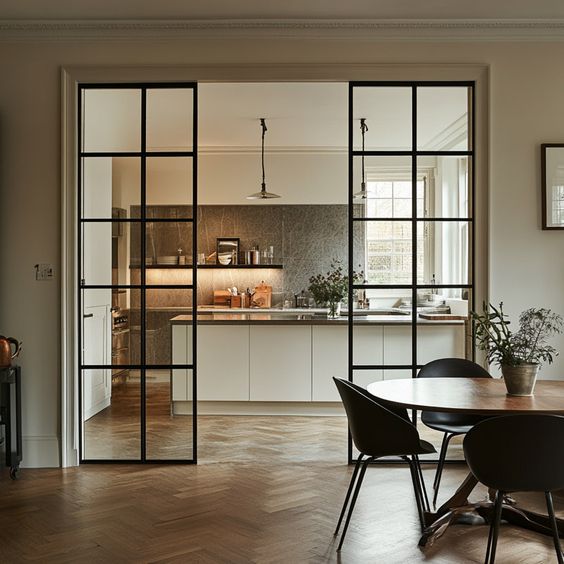
Image Source: andorwillow.com
The Need for Separation: Why Divide Your Space?
Many homeowners who initially embraced the open concept find themselves seeking ways to reintroduce some separation. There are several compelling reasons for this:
- Noise Reduction: Kitchen activities, like running the dishwasher, blender, or lively dinner conversations, can be disruptive to a quiet living room.
- Odor Control: The aroma of cooking is often welcome, but persistent cooking smells or the scent of certain dishes can be less desirable in a relaxation zone.
- Visual Clutter Management: A busy kitchen, even a tidy one, can feel visually overwhelming when directly exposed to the living area.
- Creating Distinct Zones: Separating these areas allows each space to have its own purpose and atmosphere, enhancing the overall functionality and enjoyment of your home.
- Privacy: Sometimes, you simply want a visual and acoustic barrier between the activity of the kitchen and the tranquility of the living room.
Creative Strategies for Partitioning a Space
Partitioning a space isn’t always about building a solid wall. Modern interior design offers a wealth of creative and often more subtle ways to define areas. Here are some proven methods for partitioning a space effectively.
1. Furniture Placement: The Art of Arrangement
Furniture placement is perhaps the most accessible and least invasive method for creating separation. By strategically positioning key furniture pieces, you can establish a visual and functional boundary.
Key Furniture for Room Separation
- Sofas: A sofa can act as a natural divider. Placing it with its back to the kitchen area creates a clear transition zone.
- Bookshelves and Display Units: Open-backed bookshelves or tall, freestanding cabinets offer a semi-transparent barrier, allowing light to pass through while still defining the space.
- Console Tables: A slim console table placed behind a sofa or as a standalone piece can mark the edge of the living area.
- Large Area Rugs: Rugs are excellent for defining zones. A rug under your living room seating area immediately signals that this is a distinct space.
Strategic Placement Ideas
- The “Back-to-Back” Sofa: Place your sofa with its back facing the kitchen island or dining area. This creates a cozy seating nook and clearly separates the living room. Add a slim console table behind the sofa for lamps, decor, or even a small plant.
- The Peninsula or Island as a Divider: If you have a kitchen island that extends into the living area, it inherently acts as a divider. You can enhance this by ensuring the island has a different countertop material or finish than the living room’s coffee table, or by adding bar stools on the living room side to reinforce its function as a social hub.
- Library Ladder Shelving: Tall, open shelving units can serve as both storage and a beautiful visual divider. They offer a sense of separation without completely blocking light or views.
2. Architectural Solutions: Building Better Boundaries
For those undertaking a home renovation or seeking more permanent solutions, architectural solutions offer robust ways to separate the kitchen and living room.
Built-in Dividers
- Half-Walls: A half-wall can provide a substantial barrier while still allowing light and sightlines to pass over it. These can be simple drywall structures or incorporate built-in shelving, fireplaces, or even aquariums.
- Columns and Piers: Strategically placed columns or decorative piers can visually break up a large open space without the need for a full wall.
- Changes in Floor Level: A subtle step up or down into one of the areas can create a clear distinction. This is a more significant renovation but highly effective.
Ceiling Treatments
- Dropped Ceilings: Lowering the ceiling in one area can make it feel more intimate and defined. This is particularly effective over a living room seating area to create a cozy ambiance.
- Tray Ceilings or Coffered Ceilings: These add architectural interest and can visually delineate a space.
- Different Lighting Fixtures: Hanging a striking chandelier over the dining area or pendant lights over the kitchen island, while using recessed lighting in the living room, creates a clear visual cue.
3. Room Dividers: Versatile and Stylish Separators
Room dividers are an excellent choice for their flexibility and aesthetic appeal. They can be temporary or semi-permanent and come in a vast array of styles.
Types of Room Dividers
- Folding Screens: Traditional and portable, folding screens come in many materials – wood, fabric, rattan, even metal. They can be easily folded away when not needed.
- Freestanding Screens: These are often more solid and can be made of various materials, sometimes featuring intricate designs or integrated shelving.
- Sliding Doors: From barn doors to pocket doors or frosted glass panels, sliding doors offer a retractable barrier that can completely close off the space when desired.
- Curtains and Drapes: Heavy fabric drapes can provide a soft, luxurious separation. They can be drawn to create a sense of enclosure or left open to maintain an airy feel. Consider ceiling-mounted tracks for a clean, modern look.
- Open Shelving Units (as dividers): As mentioned earlier, open shelving units act as partial dividers. They offer display space and a sense of separation without blocking light.
Choosing the Right Room Divider
Consider the style of your home, the amount of light you want to retain, and the level of privacy you require when selecting a room divider.
4. Creating Zones with Flooring and Paint
Creating zones through subtle changes in flooring or paint colors can be incredibly effective, especially in smaller spaces or when you want to maintain a sense of flow.
Flooring Variations
- Material Changes: Transitioning from hardwood in the living room to tile in the kitchen is a classic and practical approach.
- Rug Placement: As previously discussed, a well-placed rug is a powerful tool for defining the living area.
- Directional Flooring: Laying floor planks in different directions in each area can create a subtle visual break.
Paint and Wallpaper
- Accent Walls: Paint the wall behind your sofa in a different color than the kitchen walls. This visually anchors the living room.
- Color Blocking: Use different paint colors for the ceiling or trim in each area.
- Wallpaper: A bold wallpaper in the living room can clearly differentiate it from a more neutral kitchen.
5. Lighting Design: Illuminating the Divide
Effective lighting is crucial for space design and can significantly contribute to creating distinct zones.
Layered Lighting
- Ambient Lighting: General illumination for both spaces.
- Task Lighting: Focused light for kitchen work areas (under-cabinet lights, pendant lights over the island).
- Accent Lighting: Highlighting features in the living room, like artwork or reading lamps.
- Decorative Lighting: Chandelier in the dining area or stylish floor lamps in the living room.
By varying the type and intensity of lighting, you can create different moods and subtly delineate each zone.
6. Visual Separation: Using Sightlines and Materials
Visual separation focuses on guiding the eye and using materials to create distinction.
Key Visual Cues
- Cabinetry Styles: The style and color of your kitchen cabinets can be very different from the furniture in your living room, providing a natural visual break.
- Countertop Materials: A sleek quartz countertop in the kitchen contrasts nicely with a warm wood coffee table in the living room.
- Backsplash Design: A bold tile backsplash in the kitchen draws the eye and acts as a visual anchor for that zone.
- Open Shelving or Pot Racks: These can create a sense of openness in the kitchen while still defining its boundaries.
Integrating Kitchen and Living Room: Balancing Separation with Flow
The goal is often not complete isolation, but a harmonious blend that allows for both distinction and connection.
Open Concept Living Room and Kitchen Separation Tips
- Define the Transition: Use a console table, a small bench, or a decorative plant stand to mark the space between the two areas.
- Maintain a Cohesive Color Palette: While colors can differ, ensure they complement each other. This prevents jarring transitions.
- Consider the Flow of Traffic: Make sure your chosen separation method doesn’t obstruct natural pathways.
DIY Room Separation: Affordable Solutions
If you’re on a budget or enjoy hands-on projects, DIY room separation offers numerous possibilities.
Popular DIY Room Separation Projects
- Repurposed Bookshelf Divider: An old bookshelf can be painted and modified to serve as a room divider. Add caster wheels for mobility or secure it to the floor and ceiling.
- Hanging Curtains on a Track: Installing a ceiling-mounted curtain track is a relatively simple DIY project that offers a flexible solution.
- Building a Simple Half-Wall: With basic carpentry skills, you can construct a basic half-wall to add structure and separation.
- DIY Room Divider Screens: Use wood frames and fabric panels, or even repurpose old doors or shutters, to create custom room dividers.
The Impact of Size and Layout on Separation Strategies
The best approach to separating your kitchen and living room will depend heavily on the size and layout of your home.
Small Spaces
- Focus on Furniture Placement: Use multi-functional furniture and strategic sofa placement.
- Mirrors and Light Colors: These can help maintain a sense of openness.
- Open Shelving: Opt for open shelving over closed cabinets to keep the space feeling airy.
- Slim Room Dividers: Use lightweight, foldable screens or sheer curtains.
Large Spaces
- More Room for Architectural Solutions: Half-walls, built-in units, or even a small change in floor level can be incorporated.
- Larger Furniture Pieces: Use substantial furniture like large bookshelves or a substantial island to define areas.
- Bold Color or Wallpaper: These can work well without making the space feel cramped.
- Multiple Room Dividers: Consider a combination of methods, like a bookshelf unit backed by a decorative screen.
Frequently Asked Questions (FAQ)
Q1: What is the best way to separate a kitchen from a living room in an open-concept home?
The “best” way depends on your specific needs and style. Furniture placement, such as using a sofa with its back to the kitchen, is a popular and effective method. Other excellent options include using room dividers like bookshelves or curtains, or architectural solutions like half-walls.
Q2: Can I use a rug to separate my kitchen and living room?
Yes, rugs are excellent for creating visual separation and defining zones. Placing a distinct rug under your living room seating area clearly marks it as a separate space from the kitchen.
Q3: How much does it cost to separate a kitchen from a living room?
Costs vary widely. DIY solutions like furniture placement or hanging curtains can be very affordable (under $100). More elaborate solutions like building a half-wall or installing sliding doors can range from a few hundred to several thousand dollars, depending on materials and labor.
Q4: What are some creative room divider ideas?
Creative ideas include using open shelving units, hanging plants in macrame holders to create a green divider, incorporating sliding barn doors, using large floor plants, or even building a custom divider with integrated lighting or storage.
Q5: How do I prevent kitchen smells from entering the living room?
Good ventilation is key. Ensure your range hood is powerful and properly vented. Keeping kitchen doors (if any) closed during cooking and using air purifiers in the living room can also help.
Q6: Is it possible to create separation without building a wall?
Absolutely! Many techniques focus on visual and functional separation without solid walls, including furniture arrangement, room dividers, changes in flooring or paint, and strategic lighting.
Conclusion: Crafting Your Ideal Space
Separating your kitchen from your living room is an achievable and rewarding design goal. By thoughtfully applying these space design secrets, you can transform your home into a more functional, comfortable, and aesthetically pleasing environment. Whether you opt for simple furniture placement, invest in stylish room dividers, or explore more involved architectural solutions during a home renovation, the key is to define each area while maintaining a sense of harmony. Experiment with different approaches to find the perfect balance that suits your lifestyle and enhances your open concept living experience.