
Can you effectively separate an open plan kitchen from a living room? Yes, absolutely! Creating distinct zones within an open-plan space is entirely achievable, and it’s a fantastic way to enhance both functionality and aesthetics. Whether you’re looking for subtle visual cues or more defined physical barriers, there are numerous smart design ideas to help you achieve the perfect open concept kitchen living room separation. This guide delves into the best ways to divide open rooms, offering creative partition ideas for open plan living and practical kitchen living room layout ideas to help you master the art of creating zones in open space and defining kitchen and living areas.
The allure of open-plan living is undeniable. It fosters a sense of spaciousness, encourages connection, and bathes the entire home in natural light. However, the absence of traditional walls can sometimes lead to a lack of definition, making it challenging to separate the practical demands of the kitchen from the relaxed atmosphere of the living room. This is where clever design strategies come into play. We’ll explore a variety of room divider ideas, from simple visual separation techniques to more robust architectural solutions for open plans, ensuring you can find the perfect fit for your home and lifestyle.
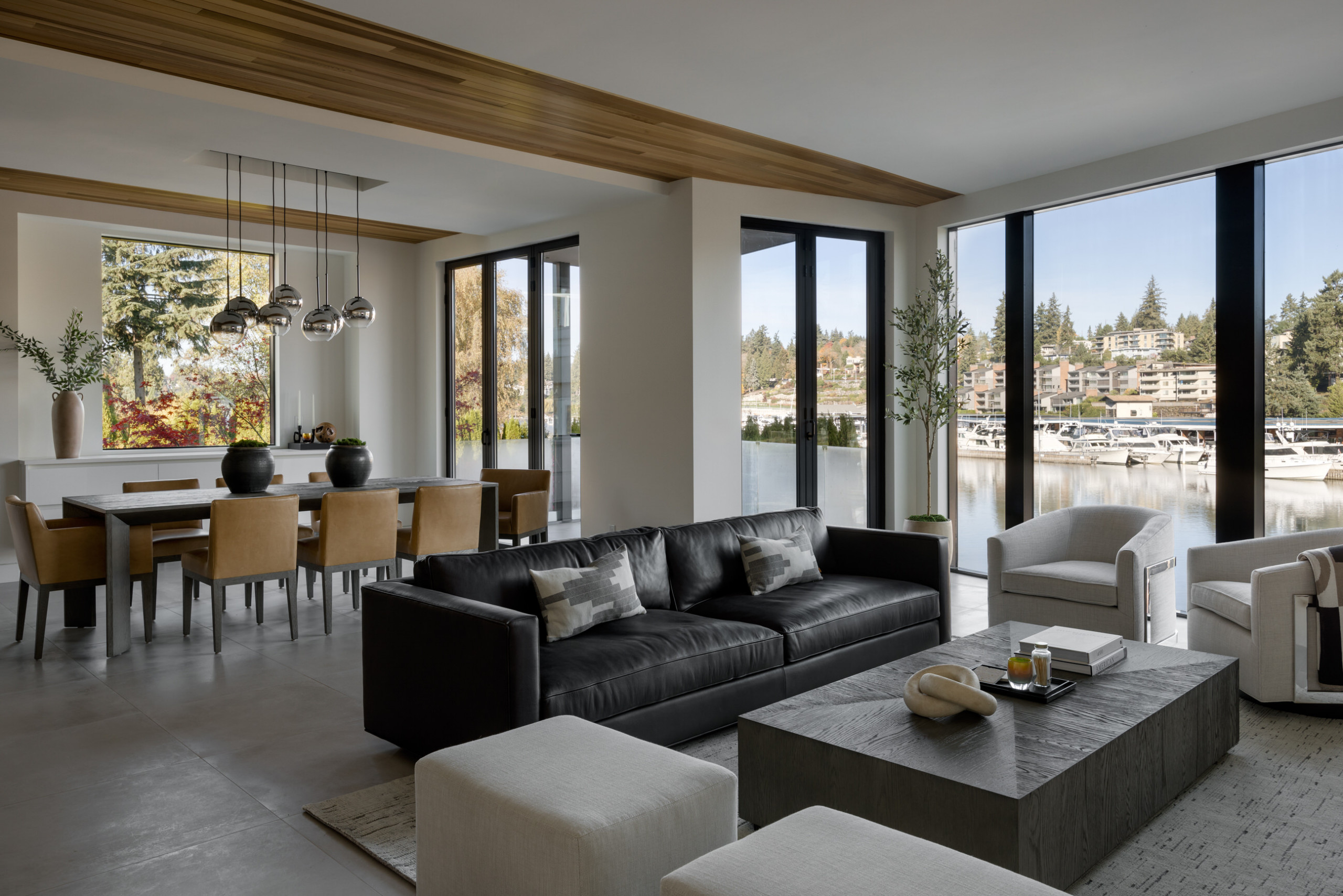
Image Source: st.hzcdn.com
Embracing Zones: The Core of Open Plan Separation
The fundamental principle behind separating an open-plan kitchen and living room is creating zones in open space. This doesn’t necessarily mean building walls. Instead, it involves strategically using design elements to delineate different areas and their intended functions. Think of it as painting with furniture, lighting, flooring, and decorative features. Each element contributes to the overall narrative of the space, guiding the eye and defining purpose without enclosing the areas completely.
The Power of Flooring
Flooring is a surprisingly powerful tool for defining kitchen and living areas. A simple change in material can instantly signal a shift in function.
- Different Materials: Consider using tiles in the kitchen for practicality and durability (easy to clean spills) and a warmer material like wood or carpet in the living room for comfort.
- Area Rugs: A large, well-placed area rug is a classic way to anchor the living room seating area and visually separate it from the kitchen. It adds texture, color, and a cozy feel.
- Color and Pattern: Even within the same material, variations in color or pattern can subtly define zones. For example, a patterned tile in the kitchen against a solid wood floor in the living area.
Table 1: Flooring as a Zone Divider
| Method | Benefits | Considerations |
|---|---|---|
| Material Change | Clear distinction, enhanced functionality (e.g., kitchen durability) | Transition strip needed, potential for tripping hazard if not seamless. |
| Area Rugs | Softens space, adds warmth, anchors furniture | Needs to be large enough to define the zone effectively, requires maintenance. |
| Color/Pattern | Subtle visual cue, can enhance aesthetic | Requires careful coordination to avoid clashing styles. |
Strategic Furniture Placement
How you arrange your furniture is crucial for defining kitchen and living areas. Thoughtful placement can create natural pathways and distinct functional zones.
- Sofa as a Divider: Position your sofa with its back to the kitchen, facing the living area. This acts as a soft but effective barrier, creating a clear boundary.
- Dining Table as a Transition: Placing your dining table between the kitchen and living room can serve as a natural transition zone. It’s a functional space that bridges the two areas.
- Back-to-Back Seating: In larger spaces, consider placing two seating pieces back-to-back to create a clear separation between the living room and another area, perhaps a dining nook.
Lighting: Setting the Mood and Marking Zones
Lighting is a versatile tool for visual separation techniques. Different types and intensities of light can create distinct atmospheres and clearly define zones.
- Task Lighting: Use focused task lighting in the kitchen (under-cabinet lights, pendant lights over the island) to highlight its working nature.
- Ambient Lighting: Employ softer, ambient lighting in the living room (floor lamps, table lamps, dimmer switches) to create a more relaxed and inviting atmosphere.
- Feature Lighting: Pendant lights over an island or dining table can act as a visual anchor, clearly marking the transition between areas.
Physical Dividers: Creating More Defined Separation
While subtle techniques are effective, sometimes a more physical separation is desired. This is where room divider ideas and partition ideas for open plan spaces truly shine. These options offer varying degrees of privacy and visual connection.
The Versatile Room Divider Screen
Freestanding room dividers are one of the most flexible room divider ideas. They can be easily moved, rearranged, or stored, offering adaptable separation.
- Materials: Available in a wide range of materials, including fabric, wood, metal, rattan, and even living plants.
- Styles: From bohemian woven screens to sleek modern panels, there’s a divider to suit every decor.
- Functionality: Some screens offer additional shelving or decorative elements, adding another layer of utility.
The Impact of Bookshelves and Storage Units
Shelving units offer a fantastic dual-purpose solution. They provide semi-private room dividers while offering valuable storage and display space.
- Open Shelving: Allows light and sightlines to pass through, maintaining a sense of openness while still defining boundaries. This is a great option for visual separation techniques.
- Closed Storage: Units with solid backs offer more privacy and can help contain visual clutter from the kitchen.
- Layout: Consider placing a console table or a low bookshelf behind the sofa for a subtle visual break.
Glass Partitions: Transparency and Definition
Glass is a magical material for architectural solutions for open plans that require separation without sacrificing light or the feeling of spaciousness.
- Sliding Glass Doors: Can completely enclose the kitchen area when needed, offering excellent sound and odor control, and can be slid open for a seamless connection.
- Partial Glass Walls: A floor-to-ceiling glass panel can create a sophisticated division, allowing light to flow freely while clearly delineating the spaces.
- Frosted or Textured Glass: For a bit more privacy, consider frosted or textured glass panels. These still allow light through but obscure direct views.
Folding Screens and Accordion Doors
Similar to room divider screens, folding or accordion doors offer a more robust and retractable solution.
- Space-Saving: They can be folded away almost completely, allowing the space to feel open when desired.
- Sound Dampening: Certain materials, like wood or vinyl, can offer some sound dampening qualities.
- Aesthetic Appeal: Available in various finishes, they can be a stylish addition to the overall design.
Architectural Solutions for Seamless Separation
For a more integrated and permanent approach to open concept kitchen living room separation, consider these architectural solutions for open plans:
The Kitchen Island as a Natural Barrier
A well-designed kitchen island is a cornerstone of kitchen living room layout ideas for open-plan homes. It naturally separates the cooking zone from the living area.
- Island Placement: Position the island strategically to create a visual and functional buffer.
- Overhangs and Seating: An overhang with bar stools can further enhance its role as a casual dining or social hub, effectively separating the prep area from the relaxation zone.
- Level Changes: A slight change in floor level between the kitchen and living area can also create a clear distinction.
Partial Walls and Half-Height Walls
These elements offer a more substantial separation without fully closing off the space.
- Half-Height Walls: A wall that doesn’t reach the ceiling can provide a sense of enclosure for the kitchen while maintaining an open feel and allowing light to pass. It’s a great way to hide countertops from direct view.
- L-Shaped or U-Shaped Dividers: These can be strategically placed to create a nook for the kitchen, shielding it slightly from the living area.
- Built-in Niches and Shelving: Integrating shelving units or decorative niches into a partial wall can add both function and visual interest.
Ceiling Treatments and Dropped Ceilings
The ceiling can be a powerful, often overlooked, tool for creating zones in open space.
- Different Ceiling Heights: Lowering the ceiling slightly over the kitchen or living area can visually separate the spaces.
- Recessed Lighting: Installing different types of lighting in distinct ceiling areas can highlight the purpose of each zone.
- Materials and Finishes: Using different ceiling materials, like wood paneling in the living area and a clean white finish in the kitchen, can also contribute to separation.
Defining Features: Adding Personality and Separation
Beyond structural elements, several design features can contribute to defining kitchen and living areas and achieving that desired separation.
Color Palette and Wall Treatments
The strategic use of color can create subtle yet effective divisions.
- Accent Walls: A different color or wallpaper on a wall adjacent to the kitchen or within the living area can create a visual break.
- Cabinetry Colors: Using a different color for kitchen cabinets than for living room furniture can further enhance the zone distinction.
- Wall-to-Wall Carpeting vs. Hardwood: As mentioned with flooring, the choice of wall-to-wall carpeting in the living room versus hardwood or tile in the kitchen creates a distinct feel.
Plants and Greenery
Bringing the outdoors in can be a beautiful and effective way to introduce semi-private room dividers.
- Tall Potted Plants: A collection of tall plants can create a lush, natural screen.
- Plant Stands: Using varying heights of plant stands adds dimension and visual interest.
- Living Walls: For a dramatic statement, a vertical garden can act as a stunning and natural room divider.
Artwork and Decorative Screens
Art and decorative elements can also contribute to visual separation techniques.
- Large Wall Art: A prominent piece of art can draw the eye and act as a focal point for the living area, subtly separating it from the kitchen.
- Decorative Screens: Beyond functional room dividers, decorative screens can be used purely for aesthetic separation, adding texture and pattern.
Considerations for Effective Separation
When implementing your room divider ideas, keep these practical points in mind to ensure a successful open concept kitchen living room separation.
Light and Airflow
- Maintain Brightness: Ensure your chosen separation method doesn’t significantly block natural light or hinder air circulation.
- Ventilation: Adequate ventilation is crucial, especially in the kitchen. Avoid creating a barrier that traps cooking odors or steam.
Acoustics
- Sound Travel: Open-plan spaces can be noisy. Consider how your separation method will affect sound travel. A solid wall will offer better soundproofing than an open shelf.
- Noise Reduction: Some materials, like soft furnishings or acoustic panels, can help absorb sound.
Practicality and Maintenance
- Ease of Cleaning: Choose materials that are easy to clean, especially in the kitchen area.
- Durability: Ensure your chosen dividers are durable and can withstand daily use.
Scale and Proportion
- Room Size: The size of your space will dictate the most appropriate separation methods. A large room can accommodate more substantial dividers, while a smaller space might benefit from lighter, more transparent options.
- Furniture: Ensure your dividers are proportionate to your furniture and the overall room scale.
Bringing It All Together: Your Open Plan Oasis
Separating an open-plan kitchen from a living room is about striking a balance between connection and definition. By thoughtfully applying these kitchen living room layout ideas and visual separation techniques, you can transform your open-plan space into a harmonious and functional home. Whether you opt for the subtle charm of a well-placed rug or the architectural statement of a glass partition, the goal is to create distinct zones that cater to your lifestyle while maintaining the desirable sense of openness. Experiment with different room divider ideas and discover the best ways to divide open rooms to suit your unique needs and aesthetic preferences.
Frequently Asked Questions (FAQ)
Q1: What is the easiest way to separate an open plan kitchen from a living room?
The easiest way is often through strategic furniture placement, like positioning your sofa with its back to the kitchen. Using large area rugs to define the living space also provides a simple and effective separation.
Q2: Can I use plants to separate my kitchen and living room?
Yes, absolutely! Tall potted plants or even a series of smaller plants can create a beautiful, natural screen that visually separates the areas while allowing light and air to flow through.
Q3: What are some good room divider ideas that also provide storage?
Bookshelves, modular shelving units, and console tables are excellent room divider ideas that offer both separation and valuable storage or display space.
Q4: How can I prevent cooking smells from spreading into the living room in an open plan?
Good ventilation is key. Ensure you have a powerful range hood that vents outdoors. When possible, using sliding glass doors or a folding screen can also help contain cooking odors when you’re actively cooking.
Q5: What is the most effective architectural solution for separating open plan spaces?
Architectural solutions like a well-placed kitchen island, partial walls, or sliding glass partitions are highly effective for open concept kitchen living room separation. They offer more permanent and robust division while maintaining aesthetics and functionality.
Q6: How do I define kitchen and living areas without making the space feel smaller?
To avoid making the space feel smaller, opt for semi-private room dividers or visual separation techniques rather than solid, opaque walls. Think about using furniture placement, rugs, lighting, or open shelving units. Maintaining sightlines and allowing natural light to flow through is crucial.
Q7: Are there ways to create separation that are also budget-friendly?
Yes! Using existing furniture, strategic rug placement, DIY room dividers from affordable materials like wood or fabric, or even strategically placed large plants are budget-friendly options for partition ideas for open plan living.
Q8: How can I use lighting to create zones in an open space?
You can use different types of lighting. For example, brighter, task-oriented lighting (like pendant lights over an island) in the kitchen zone, and softer, ambient lighting (like floor lamps and table lamps) in the living room zone. This contrast helps in defining kitchen and living areas.